
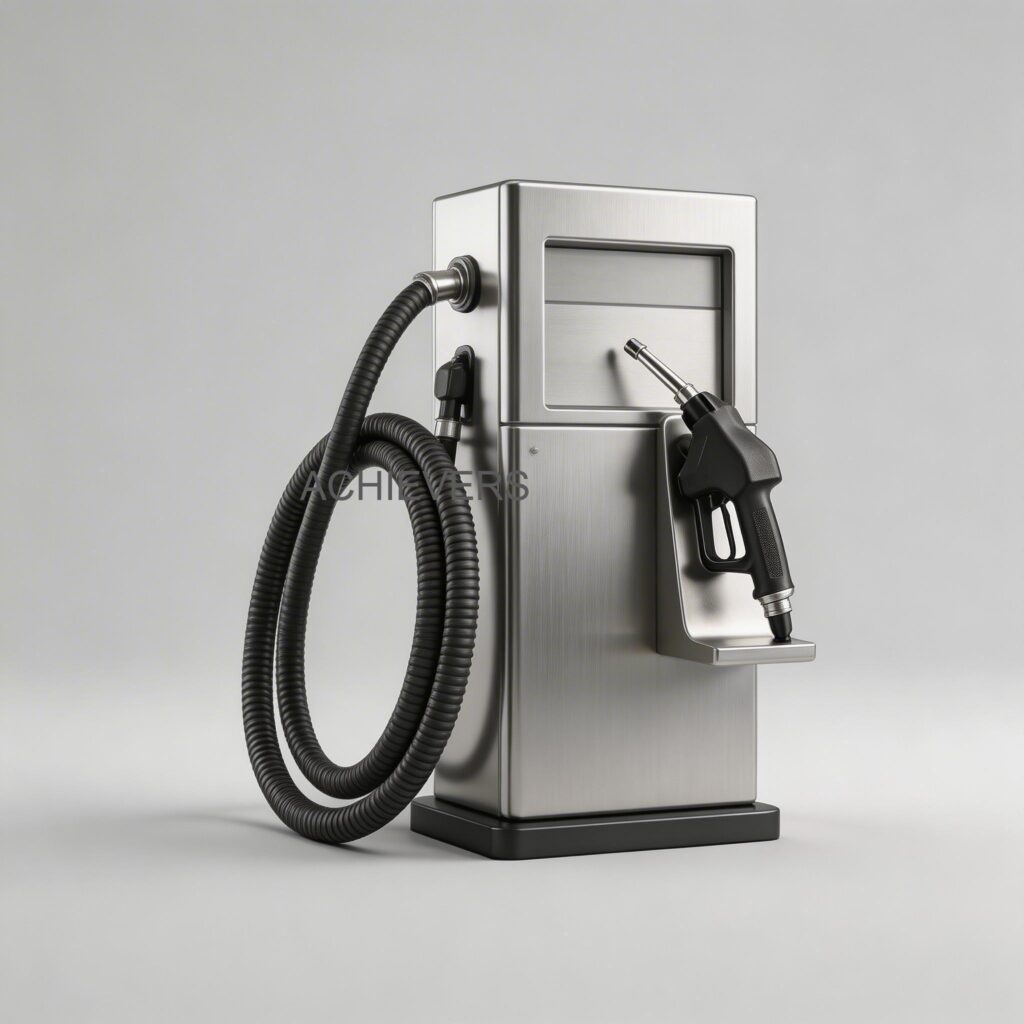
Managing fuel logistics for remote plant hardware, construction sites, and off-grid generators requires more than just transporting diesel in a tank. Every liter of fuel represents working capital. When businesses rely on rudimentary transfer methods, they expose themselves to inaccurate inventory tracking, fuel theft, hazardous spills, and equipment downtime. Choosing the correct Diesel Dispensing system is a critical engineering and procurement decision that directly impacts operational efficiency and regulatory compliance.
For industrial engineers, plant managers, and fleet operators, deploying a mobile fuel delivery unit—typically mounted on the back of a van, pickup, or drop-side truck—bridges the gap between bulk storage and field machinery. However, selecting a unit requires careful evaluation of flow rates, metrological accuracy, power supply compatibility, and environmental durability. Operating in challenging climates, such as the high-temperature and dust-prone industrial zones of Gujarat (like GIDC estates) or other global manufacturing hubs, demands equipment that is robust, legally compliant, and technically precise.
This comprehensive guide will walk you through the technical specifications, selection criteria, model variants, and common pitfalls involved in sourcing a Diesel Dispensing setup. By understanding the core mechanics and electrical requirements of these units, industrial buyers can make budget-conscious, confident purchasing decisions that align with global safety standards and the Make in India initiative.
1. What Is Diesel Dispensing and What Does It Do
At its core, Diesel Dispensing refers to an independent, demountable fuel administering unit designed for low-to-medium volume metered deliveries. Instead of deploying a conventional, heavy-duty fuel tanker—which may be financially unviable or practically impossible to maneuver into tight building sites, agricultural lands, or facility management zones—a mobile dispensing unit provides a compact, highly accurate alternative.
These systems are fully integrated ecosystems comprising a motorized transfer pump, a high-accuracy flow meter, an electronic control processor, a digital display, and a delivery hose with an automatic shutoff nozzle. They are engineered to transform a standard utility vehicle or a stationary skid tank into a fully functional, legally compliant mini-fuel station.
Built by experts at Lumen Instruments in Ahmedabad, these advanced systems utilize dedicated control processors and computer technology to ensure that every drop of fuel is accounted for. The digital displays allow operators to preset volumes, calculate total amounts based on unit prices, and store dispensing data for auditing purposes.
Below are the primary technical specifications for standard mobile diesel dispensers based on our product line:
| Specification Parameter | Value / Rating | Engineering Notes |
| :— | :— | :— |
| Flow Range | 20 to 80 L/min | Standard configured pump is 60 LPM; adjustable based on fluid viscosity and client requirements. |
| Volumetric Accuracy | Max error < ±0.30% | Highly precise metering; ensures minimal variance in inventory reconciliation. |
| Repeatability Error | < 0.15% | Guarantees consistent measurement across consecutive batches of fuel delivery. |
| Operating Pressure | ≤ 0.3 MPa | Safe low-pressure transfer, minimizing the risk of hose rupture or pump cavitation. |
| Power Supply Options | DC 12V / 24V, AC 220V / 380V | Versatile power configurations for vehicle batteries (DC) or grid/generator power (AC). |
| Acoustic Noise Level | ≤ 80 dB (A Class) | Meets stringent occupational health and ambient noise standards for factory environments. |
| Environmental Limits | -30°C to +45°C, ≤ 95% RH | Operates reliably in extreme industrial climates, from freezing temperatures to intense summer heat. |
| Memory Capacity | ≥ 128 kB | Non-volatile storage; retains daily data for 365 days and monthly data for 12 months. |
| Hose & Nozzle | 4m x 25mm rubber hose, 1" spout | Includes automatic shutoff functionality to prevent tank overflow during rapid filling. |
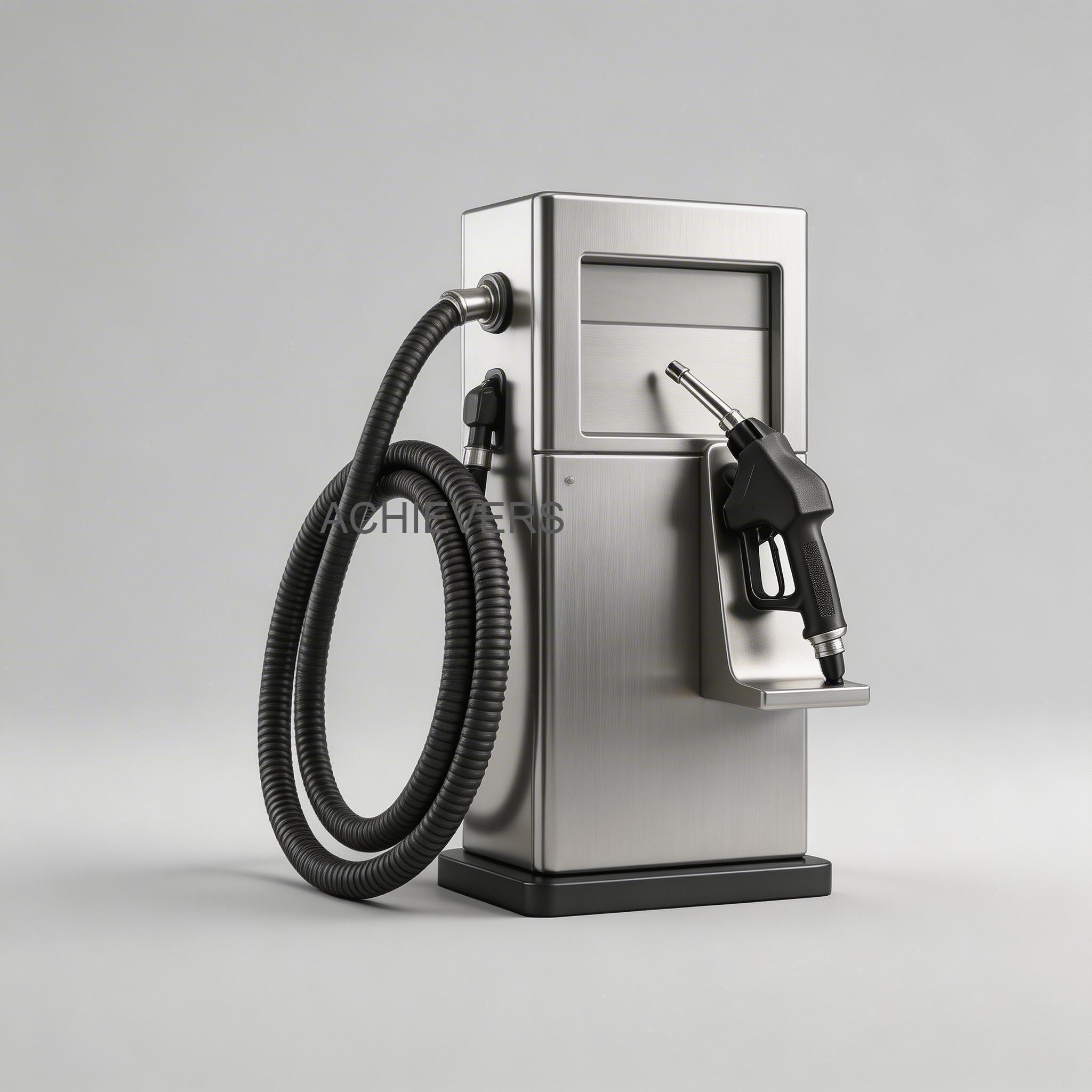
In Simple Terms
A mobile diesel dispenser is like a portable petrol pump that you can bolt into the back of a pickup truck. It uses a battery-powered or plug-in pump to pull diesel from a tank, pushes it through an extremely precise digital meter to measure exactly how much fluid is moving, and delivers it through a standard fuel nozzle. Because it has a built-in computer, it remembers exactly how much fuel you dispensed every day for an entire year, helping you stop fuel theft and keep your accounts accurate.
2. Key Selection Criteria for Industrial Buyers
Selecting the right Diesel Dispensing system requires matching the unit's technical capabilities to your specific operational environment. A mismatch in power supply, flow rate, or data management can render the equipment useless or lead to significant maintenance overhead.
Typical Indian market price range note: For industrial buyers budgeting for these setups, the typical market price range for a standard mobile dispensing unit runs between ₹45,000 to ₹85,000 (plus 18% GST), depending heavily on whether you require integrated receipt printers, advanced preset modules, or higher-capacity AC pumps.
Here are the six critical criteria to evaluate when specifying a system:
A. Power Supply and Voltage Compatibility
The most fundamental decision is how the pump will be powered. Mobile dispensing units are typically mounted on vehicles where only Direct Current (DC) is available.
- 12V DC vs. 24V DC: Smaller utility vans and pickup trucks usually run on 12V electrical systems, requiring a 12V DC pump. Heavy commercial vehicles (trucks, lorries) utilize 24V systems. Connecting a 12V pump to a 24V battery will burn out the motor, while connecting a 24V pump to a 12V battery will result in insufficient torque to prime the pump.
- 220V AC vs. 380V AC: If the dispenser is being mounted on a stationary skid tank within a factory, mining site, or GIDC estate with access to grid power, an Alternating Current (AC) pump is preferred. AC pumps offer continuous duty cycles, whereas DC pumps typically require a cooling period after 30 minutes of continuous operation to prevent motor overheating.
B. Flow Rate Capacity (Liters Per Minute)
Flow rate determines how fast you can refuel your equipment. The standard unit provides 60 L/min, which is an optimal balance for general use.
- Low Flow (20-40 L/min): Ideal for refueling small agricultural machinery, forklifts, or compact generators where a high-velocity flow might cause splashing, frothing, or blowback from a small fuel neck.
- Standard Flow (60 L/min): Best for medium trucks, standard earthmoving equipment, and facility management applications.
- High Flow (80 L/min): Necessary for heavy mining excavators, large marine watercraft, or massive industrial backup generators where minimizing downtime is critical.
C. Metrological Accuracy and Regulatory Compliance
For businesses tracking fuel consumption for cost allocation or GST input tax credit auditing, the accuracy of the flow meter is paramount. The internal meter of these units boasts a maximum error of less than ±0.30% with a repeatability error of less than 0.15%. This high degree of precision ensures that bulk fuel purchases align with dispensed volumes, eliminating "shrinkage" caused by inaccurate mechanical meters. Buyers should ensure the system meets appropriate Weights and Measures standards for legal-for-trade applications if they are selling the fuel, or internal auditing standards if dispensing for proprietary use.
D. Data Logging and Receipt Generation
Modern industrial operations require strict data governance. Basic mechanical meters only show a running total. Advanced Diesel Dispensing units feature sophisticated control processors with ≥ 128kB memory capacity.
- Data Retention: They store daily dispensing data for the last 365 days and monthly summaries for the last 12 months. This is invaluable for fleet managers reconciling fuel usage at the end of the financial year.
- Printers: Variants equipped with receipt printers allow the operator to print a physical ticket showing the volume, unit price, and total amount right at the delivery site, providing instant proof of delivery to subcontractors or site managers.
E. Environmental Durability and Build Quality
Equipment mounted in the back of a van is subjected to severe vibrations, extreme temperatures, and airborne particulate matter. The system must be housed in a rugged, often stainless steel or powder-coated cabinet. Our units are rated for ambient temperatures ranging from -30°C to +45°C and can withstand relative humidity up to 95%. This makes them perfectly suited for the blistering summer heat of industrial zones and the humid conditions of coastal shipyards.
F. Hose, Nozzle, and Safety Mechanisms
Safety is non-negotiable when handling petrochemicals. The dispenser must include an Automatic Shutoff Fuel Nozzle. As the receiving tank fills and fuel touches the tip of the spout, a vacuum is broken inside the nozzle, automatically snapping the valve shut. This prevents catastrophic spills, environmental contamination, and fire hazards. The standard setup includes a 4m x 25mm rubber conveyance hose, which provides sufficient reach for most vehicle-mounted applications without causing excessive pressure drop in the line.
(Looking for standalone metering without the pump and cabinet? Explore our Fuel Flow Meters range for inline solutions).
3. Model and Variant Comparison
Lumen Instruments manufactures several configurations of dispensing systems to meet exact client prerequisites. Whether you need a simple manual setup or a fully automated tracking system, selecting the right variant is key. Below is a comparison of the distinct models available:
| Dispenser Model | Core Dispensing Type | Key Distinctive Feature | Power Options | Best Suited For |
| :— | :— | :— | :— | :— |
| CE-204 | Digital / Automated | Integrated Receipt Printer | AC / DC options | Commercial fuel delivery, contractors requiring on-site proof of delivery. |
| CE-202 | Digital / Standard | High-visibility digital displays | AC / DC options | Standard industrial fleet management, agriculture, and factory machinery refueling. |
| CE-130 | Preset Digital | Keypad for preset volume/amount | AC / DC options | Fleet operators wanting to limit fuel rations per vehicle (e.g., exactly 50L per truck). |
| Hose Reel Dispenser | Extended Reach | Heavy-duty retractable hose reel | AC / DC options | Mining sites, large construction yards where machinery is difficult to access closely. |
Deep Dive into the Variants
- The CE-204 with Printer: This model is the gold standard for independent fuel distributors. By printing a receipt immediately after dispensing, it eliminates disputes over how much fuel was delivered to a specific piece of plant hardware.
- The CE-130 Preset Dispenser: This unit utilizes an advanced control board where the operator types in a specific monetary amount (e.g., ₹5,000) or volume (e.g., 100 Liters). The pump runs until it hits the exact target and automatically shuts down. This is an excellent tool for budget control.
- Hose Reel Dispenser: The standard 4-meter hose is sometimes insufficient for complex sites. The Hose Reel variant integrates a robust reeling mechanism, allowing up to 10 or 15 meters of hose to be deployed and neatly stowed, preventing trip hazards and protecting the rubber hose from being crushed by vehicles.
4. Common Mistakes Buyers Make When Choosing
Procuring a mobile fuel system seems straightforward, but minor oversights can lead to major operational headaches. Avoid these five common mistakes:
- Mismatched Power Supply Specifications:
- Ignoring Duty Cycle Limits on DC Pumps:
- Bypassing Filtration Requirements:
- Underestimating the Required Hose Length:
- Neglecting Data Logging Features for Fleet Management:
The most frequent error is ordering an AC 220V unit for a mobile van, only to realize there is no generator onboard, or ordering a 12V DC unit for a heavy truck that operates on a 24V system. Always verify the exact electrical output of the vehicle or site where the unit will be installed before placing an order.
DC pumps are generally designed for intermittent use (typically a 30-minute duty cycle). Buyers mistake them for continuous-duty transfer pumps. If you try to empty a 5,000-liter skid tank continuously using a 12V pump, the motor will overheat and the thermal overload protector will trip (or the motor will burn out). For continuous transfer, specify an AC-powered pump.
Industrial diesel, especially stored in older tanks, contains rust, water, and particulate matter. High-accuracy flow meters (which achieve their ±0.30% accuracy through precision-machined internal components) are highly sensitive to debris. Failing to install a dedicated inline fuel filter before the dispenser will cause the meter to jam or lose its calibration rapidly.
A standard 4-meter hose is perfectly adequate for a pickup truck pulling directly alongside a tractor. However, if you are refueling excavators deep in a trench or generators situated behind fencing, 4 meters will fall short. Buyers often realize this too late and attempt to attach unapproved extension hoses, leading to leaks and pressure drops. Specify a Hose Reel variant if access is an issue.
Opting for a basic mechanical meter to save on initial capital expenditure is a false economy for medium-to-large fleets. Without the 365-day memory capacity and the ability to track unit price, volume, and total amount, businesses spend countless administrative hours manually reconciling fuel logs, leaving room for human error and inventory shrinkage.
5. Enquiry Specification Checklist
To ensure that the manufacturer configures the ideal Diesel Dispensing system for your specific application, provide a detailed technical specification when requesting a quotation. Use this 8-point checklist to define your requirements clearly:
- Desired Flow Rate: Specify your required L/min. Do you need the standard 60 L/min, a gentler 20-40 L/min, or a rapid 80 L/min?
- Power Availability: State clearly if the unit will be powered by 12V DC, 24V DC, 220V AC (Single Phase), or 380V AC (Three Phase).
- Application / Vehicle Type: Indicate where the unit will be mounted (e.g., back of a light commercial van, drop-side truck, static factory skid tank).
- Hose Length & Reel Requirements: Confirm if the standard 4m x 25mm hose is sufficient, or if you require an integrated hose reel with a longer reach.
- Display and Data Needs: Do you need standard digital readouts, a preset keypad (like the CE-130), or a built-in receipt printer (like the CE-204)?
- Operating Environment: Mention any extreme conditions. While the units handle -30°C to +45°C, letting the manufacturer know about high-dust environments (like cement plants or mining sites) ensures they provide appropriate cabinet sealing.
- Fluid Characteristics: Confirm the fluid is standard diesel. If you plan to dispense bio-diesel, lubricants, or other non-destructive oil fluids, the pump seals and meter internals may need material modifications.
- Filtration Requirements: Ask the manufacturer to quote an appropriate inline particulate and water-absorbing filter to protect the dispenser's internal high-accuracy flow meter.
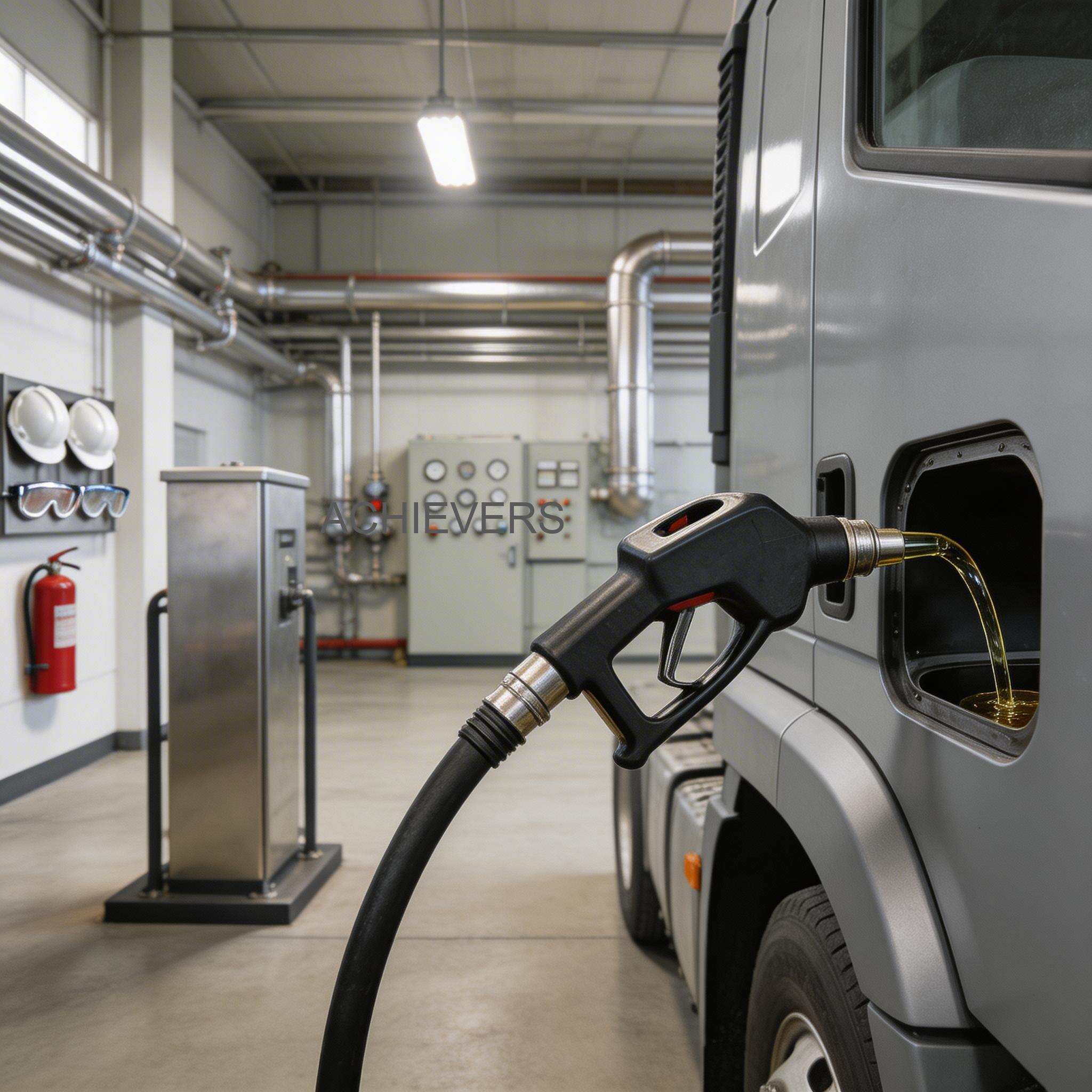
(For buyers looking to purchase complete mobile tank-and-dispenser packages, check our Mobile Diesel Dispenser systems).
System Maintenance and Calibration Best Practices
Even the most robustly manufactured equipment from Ahmedabad requires periodic maintenance to sustain its ±0.30% accuracy and ensure a long working life.
- Filter Inspections: The inline strainer or external filter must be checked monthly. A clogged filter restricts flow, forcing the pump to work harder, which increases the acoustic noise above the standard ≤80dB and draws excessive electrical current.
- Nozzle Care: The automatic shutoff fuel nozzle relies on a tiny vacuum port near the spout's tip. If this port gets clogged with mud or dried fuel residue, the auto-shutoff mechanism will fail, risking a spill. Operators should wipe down the nozzle daily.
- Calibration: While the control processors are highly stable, metrological standards dictate that fuel dispensers should be calibrated annually. The electronic calibration feature on the digital control board allows technicians to fine-tune the dispensing volume to exactly match a certified proving can.
By adhering to these maintenance protocols, your investment in a high-quality fuel management system will yield reliable performance for years, safeguarding your fuel inventory and streamlining your operational logistics.
FAQ
Q: Can I use the Diesel Dispensing unit for petrol or highly flammable solvents?
A: No. These specific dispensers are configured for dispensing diesel, lubes, and non-destructive oil fluids. Pumping petrol or aviation fuel requires specialized ATEX/Explosion-proof motors, totally different seal materials, and stricter static discharge protocols.
Q: How long can I run a 12V or 24V DC dispenser continuously?
A: Standard DC motors used in mobile fuel applications have a duty cycle of approximately 30 minutes. After 30 minutes of continuous operation, the pump should be turned off to allow the motor to cool down, preventing thermal overload.
Q: What happens if the power is disconnected; do I lose my dispensing data?
A: No. The internal dedicated control processor features non-volatile memory (≥ 128kB memory capacity). It safely retains daily data for the last 365 days and monthly data for 12 months, even during total power loss or battery disconnection.
Q: Is it difficult to install the unit in the back of a van?
A: The system is designed as a compact, independent, demountable unit. It comes pre-assembled in a robust cabinet. Installation typically involves bolting the frame to the vehicle bed, connecting the suction line to your demountable tank, and wiring the power cables directly to the vehicle's battery using an appropriate inline fuse.
Q: What is the maximum pressure the system operates at?
A: The maximum working pressure of the system is ≤0.3 MPa (approximately 3 Bar or 43.5 PSI). This is a safe operating pressure that ensures rapid fuel delivery (up to 80 L/min) without over-pressurizing the delivery hose or causing severe foaming in the receiving tank.
Q: Can the dispenser unit be integrated with my company's RFID or fleet management software?
A: Advanced digital models can be configured to interface with external fuel management systems via pulse output or serial communication protocols. Contact our technical team with your software requirements for specific integration capabilities.
Q: Why does the pump speed seem to drop when I use a longer hose?
A: Fluid dynamics dictate that longer hoses create more friction, leading to a pressure drop. If you replace the standard 4m hose with a 15m hose without adjusting the pump size, the flow rate will naturally decrease. If you require a long hose reel, we can configure the system with a higher-capacity pump to compensate for this resistance.
Ready to upgrade your mobile fuel delivery capabilities with a highly accurate, robust system manufactured right here in Ahmedabad? Contact Lumen Instruments today with your required flow rate, vehicle power specifications, and application details, and our engineering team will provide a tailored, cost-effective quotation.