
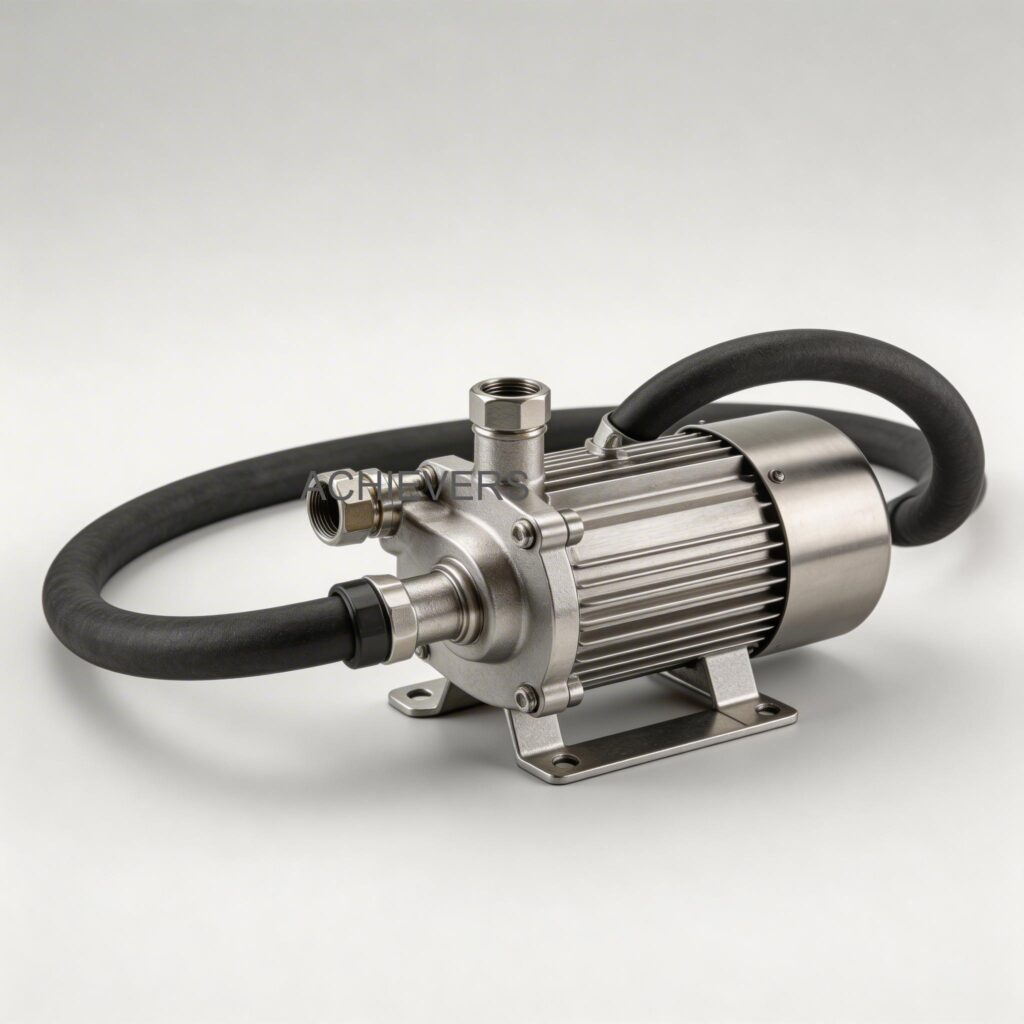
In industrial zones across India—from the bustling GIDC estates of Gujarat to mining sites in Odisha—equipment downtime translates directly into financial loss. Whether you are running earth-moving machinery, mobile fuel bowsers, or backup diesel generators, your fuel handling system is the lifeblood of your operation. When your transfer system loses suction, delivers low flow, or repeatedly trips the circuit breaker, plant managers need rapid, practical solutions, not guesswork.
Replacing equipment before proper diagnosis is a common and expensive mistake in Indian facilities. Often, the issue is not a failed motor, but rather site-specific conditions: severe voltage drops on long electrical cables, clogged strainers from contaminated diesel, or bypassed valves jammed by debris. This guide provides a highly detailed, practical troubleshooting methodology for Indian maintenance teams to diagnose and fix these systems on-site, ensuring your operations align with Make in India efficiency standards while keeping maintenance budgets tight.
1. Quick Reference: How Fuel Transfer Pumps Works
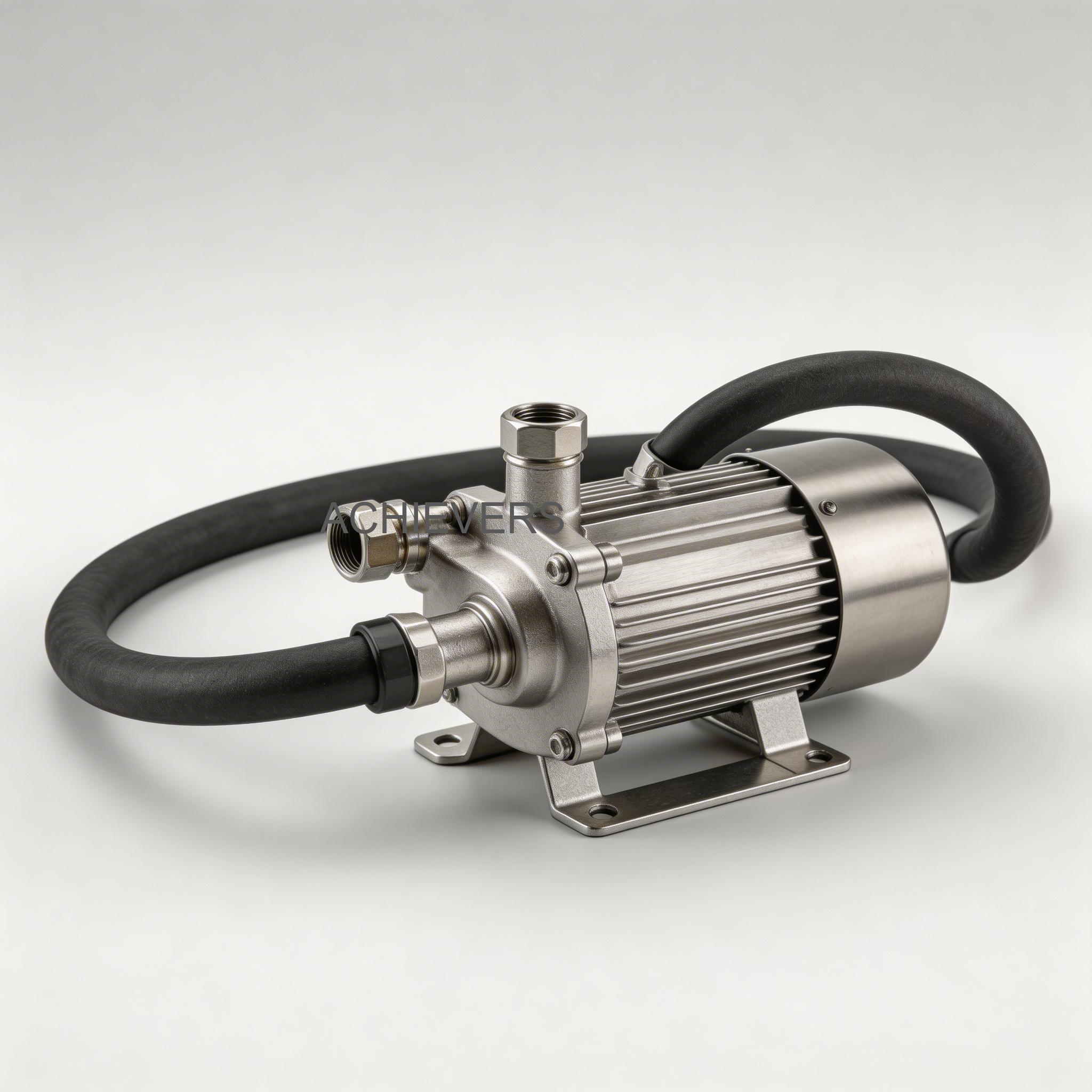
Before dismantling equipment, it is critical to understand the mechanical principles at play. Fuel Transfer Pumps are primarily positive displacement, self-priming, rotary electric vane pumps. Because they are designed to handle diesel, kerosene, and lube oils, they rely on tight internal clearances to create a vacuum.
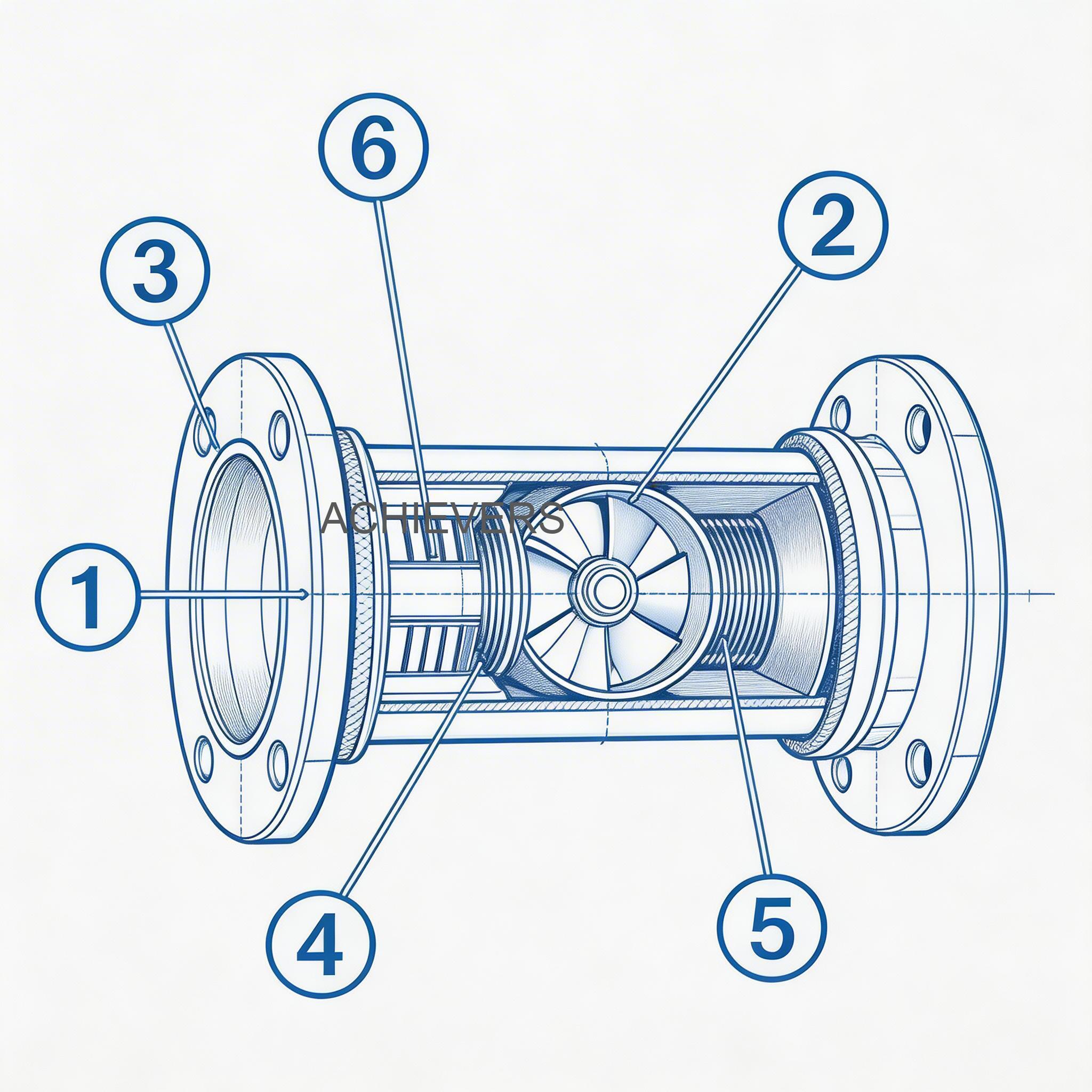
Inside the pump casing, an eccentric rotor spins, pushing sliding vanes outward against the chamber wall using centrifugal force. This action draws air out of the suction line (self-priming) and pulls liquid into the chamber, which is then forced out through the discharge port.
Crucially, industrial Fuel Transfer Pumps feature a built-in bypass valve. When a downstream nozzle is closed but the pump is still running, this spring-loaded valve opens internally, allowing the fuel to recirculate within the pump head. This protects the motor from dead-heading and overpressure. Furthermore, a built-in strainer on the suction side protects the delicate carbon or polymer vanes from rust, tank sludge, and solid debris—a common necessity given the varying quality of stored diesel in India.
In Simple Terms:
Imagine a revolving door in a tight hallway. As the door spins, it grabs people (fuel) from the entrance and sweeps them to the exit. If the exit is blocked, a secret side-door (the bypass valve) opens so people can walk in a circle inside until the main exit opens again. If dirt jams that side-door open, the people just keep walking in circles, and nobody exits—meaning you get zero flow at your nozzle.
2. Troubleshooting Matrix
When site engineers report an issue, rapid diagnosis saves hours of unneeded labor. Below is a comprehensive diagnostic matrix tailored for typical Indian industrial environments, covering everything from power quality to monsoon-related moisture issues.
| Symptom | Likely Cause | Diagnosis Steps | Fix |
| — | — | — | — |
| Motor Does Not Start | Electrical failure / Blown fuse / Bad connection | Check voltage at motor terminals using a multimeter. Inspect inline fuse. Check 220V AC panel for tripped MCBs. | Replace blown 22A or 44A fuse for DC models. Secure loose battery clamps. Restore proper voltage. |
| Pump Runs, No Prime | Air leak in suction line / Empty tank | Inspect suction hose joints for cracks. Ensure foot valve is submerged. Check if suction lift exceeds 2-4m. | Tighten all inlet fittings with Teflon tape. Replace porous hoses. Lower pump closer to tank level. |
| Extremely Low Flow | Bypass valve stuck partially open or Clogged Strainer | Check the built-in strainer for debris. Remove bypass valve hex plug and inspect spring/plunger. | Clean strainer mesh. Remove dirt/rust jamming the bypass valve, clean with diesel, and reassemble. |
| Motor Overheats & Trips | Continuous run on bypass / High friction | Check if pump runs against a closed nozzle for >3 minutes. Inspect for seized vanes due to dry running. | Limit bypass running time. Replace broken vanes. For AC models, ensure 220V supply is not dropping below 200V. |
| Excessive Noise / Rattling | Cavitation / Worn out vanes | Check if suction line is blocked or collapsed. Open pump head to inspect vane integrity. | Unblock suction line. If vanes are chipped or worn below spec, replace the vane kit. |
| Fuel Leaking from Shaft | Mechanical seal failure / O-ring degradation | Wipe pump clean, run briefly, and observe the shaft area behind the motor. | Replace the mechanical seal and O-rings. Ensure PESO/BIS standards for seal materials match the fluid. |
| Erratic or Surging Flow | Foot valve sticking / Contaminated fuel | Observe discharge flow. Pull suction line from tank and inspect foot valve action. | Clean or replace the tank foot valve. Flush system of heavy sludge or water. |
| Over-current (High Amps) | Thick fluid / Cold weather / Motor short | Clamp an ammeter to power cables. Check if fluid viscosity exceeds pump limits (e.g., thick gear oil instead of diesel). | Ensure pump is used only for rated media (Diesel/Kerosene). Rewind or replace motor if internal winding is shorted. |
| Slow RPM (DC Models) | Extreme Voltage Drop | Measure voltage while pump is running. Check wire gauge over the distance from battery to pump. | Upgrade to thicker copper cables (e.g., 4 sq mm or 6 sq mm) for long runs to prevent 12V/24V drop. |
| Output Volume Inaccurate | Pump is fine, Flow Meter requires calibration | Check output into a certified measuring can. Compare with the connected flow meter. | Calibrate the meter. (See Diesel Flow Meter guides for specific calibration steps). |
3. Step-by-Step Field Diagnosis Procedure
When your Fuel Transfer Pumps fail at a critical moment—such as refueling a backup generator during an SEB power cut—follow this exact 8-step isolation procedure to identify the root cause without removing the entire unit from the site.
Step 1: Verify the Power Supply Under Load
Do not just check the voltage when the pump is off. For a 12V DC pump like the CE-40DC (which pulls up to 22 Amps) or the CE-80-DC (up to 44 Amps), connect a multimeter to the pump terminals and turn the pump on. If the voltage drops from 12.5V down to 9V, your battery is weak, or your cables are too thin, causing the motor to stall and overheat. For 220V AC pumps like the CE-60A, ensure industrial voltage stabilizers are maintaining at least 210V, as Indian grid fluctuations can easily burn out a 0.37 KW motor.
Step 2: Inspect the Built-in Strainer
Turn off the power. Isolate the suction and discharge valves. Remove the strainer cap located on the pump housing. In Indian fuel storage tanks, condensation during the monsoon causes rust, which mixes with dust to form a thick sludge. Pull out the wire mesh strainer. If it is caked in black sludge, clean it with compressed air and clean diesel. A blocked strainer starves the pump, causing cavitation and massive flow loss.
Step 3: Check for Suction Side Air Leaks
Because these are self-priming rotary vane pumps, they pull a vacuum. If there is a pinhole leak in the suction hose, or if a threaded fitting is loose, the pump will suck air instead of heavy diesel. You will hear the pump running at high speed, but no fuel will move. Tighten all joints, replace perished rubber seals, and ensure thread sealant is applied correctly.
Step 4: Measure Suction Lift Restrictions
Review the installation parameters. Models like the CE-70-A-DC have a maximum suction lift of 2 to 4 meters. If the underground diesel tank level drops too low, the vertical distance may exceed 4 meters. The pump will lose prime. In this case, lower the pump closer to the tank or ensure the tank is refilled before reaching the bottom 10%.
Step 5: Inspect the Bypass Valve Mechanism
If the pump sounds normal and has no suction leaks but output is terribly slow, the bypass valve is likely stuck. Locate the bypass hex nut on the pump casing. Unscrew it carefully (it is under spring tension). Remove the spring and the plunger. Often, a tiny piece of rust or Teflon tape gets wedged here, holding the valve open. This causes the diesel to loop endlessly inside the pump instead of exiting. Clean the chamber, lubricate the plunger lightly, and reinstall.
Step 6: Test the Discharge Line
Sometimes the pump is working perfectly, but the downstream equipment is choked. Disconnect the discharge hose from the pump outlet (e.g., the 3/4" or 1" port). Briefly turn the pump on to discharge into a bucket. If flow is massive and healthy, the blockage is in your delivery hose, the inline fuel filter, or the automatic dispensing nozzle.
Step 7: Check Vane Integrity (Mechanical Check)
If the pump has been running dry for long periods, the internal rotor vanes will wear down prematurely. Remove the front cover plate of the pump head. Inspect the carbon or resin vanes. They should slide freely in and out of the rotor slots. If they are chipped, melted, or worn down heavily, they cannot form the vacuum seal against the pump casing. You will need to order a replacement vane kit.
Step 8: Monitor Motor Temperature
Run the pump for 10 minutes under normal conditions. Place your hand on the motor casing. It should be warm, but not too hot to touch. If it is scorching hot, check the current draw using a clamp meter. A CE-80B (0.55 KW / 220V AC) should run smoothly; if it is pulling excessive amps, the motor windings may be degrading, or the bearings are seized, requiring electrical maintenance.
4. Installation and Setup Errors That Cause Ongoing Problems
A staggering percentage of Fuel Transfer Pumps fail not due to manufacturing defects, but because of improper installation at Indian plant sites. The Indian market requires rugged setups. Here are the most common installation errors that guarantee troubleshooting headaches, and how to correct them.
| Installation Error | Resulting Symptom | Correction / Best Practice |
| — | — | — |
| Using undersized DC wire over long distance | Motor runs slow, overheats, trips fuses, extremely low flow. | A CE-80-DC pulling 44A requires heavy gauge battery cables. Calculate wire size for voltage drop over the run length. |
| Hard piping without a flexible compensator | Pump housing cracks, mechanical seals leak due to vibration. | Always install a short flexible hose between rigid site pipelines and the pump inlet/outlet. |
| No Foot Valve on deep suction lines | Pump takes too long to prime, wearing out vanes; dry running. | Install a heavy-duty, BIS-compliant brass foot valve at the bottom of the suction line to hold the fuel column. |
| Exceeding maximum continuous duty cycle | Thermal overload tripping, motor insulation burning. | Most DC vane pumps are rated for 30-minute duty cycles. Turn off to cool, or upgrade to heavy-duty AC continuous pumps. |
| Removing or bypassing the strainer | Instant jamming of the bypass valve or shattered rotor vanes. | Never remove the built-in strainer. If the fuel is very dirty, add a larger primary Y-strainer before the pump. |
| Using PVC suction pipe that collapses | Pump starves for fluid, cavitates, makes loud rattling noise. | Use steel-wire reinforced rubber or PU hoses on the suction side that can withstand vacuum without collapsing. |
5. Preventive Maintenance to Avoid Recurrence
Waiting for a breakdown is an expensive strategy. In the context of equipment capital costs, typical Indian market price ranges for industrial-grade diesel transfer pumps run from ₹8,500 to ₹35,000 (+18% GST), depending on the flow rate (40LPM to 80LPM) and the voltage specifications. While the initial capital expenditure is highly budget-friendly, repeated replacement due to negligence adds up.
Implementing a strict preventive maintenance (PM) schedule ensures your pump lasts its designed 5-to-10-year lifespan.
Weekly Checks:
- Visual Inspection: Look for any diesel weeping from the pump shaft or housing joints. Catching a ₹500 O-ring failure early prevents a ₹10,000 motor replacement.
- Strainer Blow-out: Especially in dusty environments like cement plants or open-pit mines, open the strainer cap and clean the mesh every week.
Monthly Checks:
- Electrical Terminals: The vibrations from generators and earth-moving equipment can loosen DC battery connections. Tighten all ring terminals and spray them with an anti-corrosion spray to fight monsoon humidity.
- Bypass Valve Cycle: Run the pump and close the dispensing nozzle for exactly 5 seconds to ensure the bypass valve opens smoothly and the motor sound changes. If the pump labors heavily, the bypass is sticking.
Annual Maintenance:
- Vane Inspection: During your plant’s annual shutdown, open the pump head, clean the rotor slots, and measure the vanes. Replace them if they are near their minimum tolerance.
- Tank Cleaning: The root cause of 80% of pump failures is contaminated tanks. Schedule a professional tank cleaning to remove water and sludge from your diesel storage.
6. When to Call Service vs. Fix Yourself
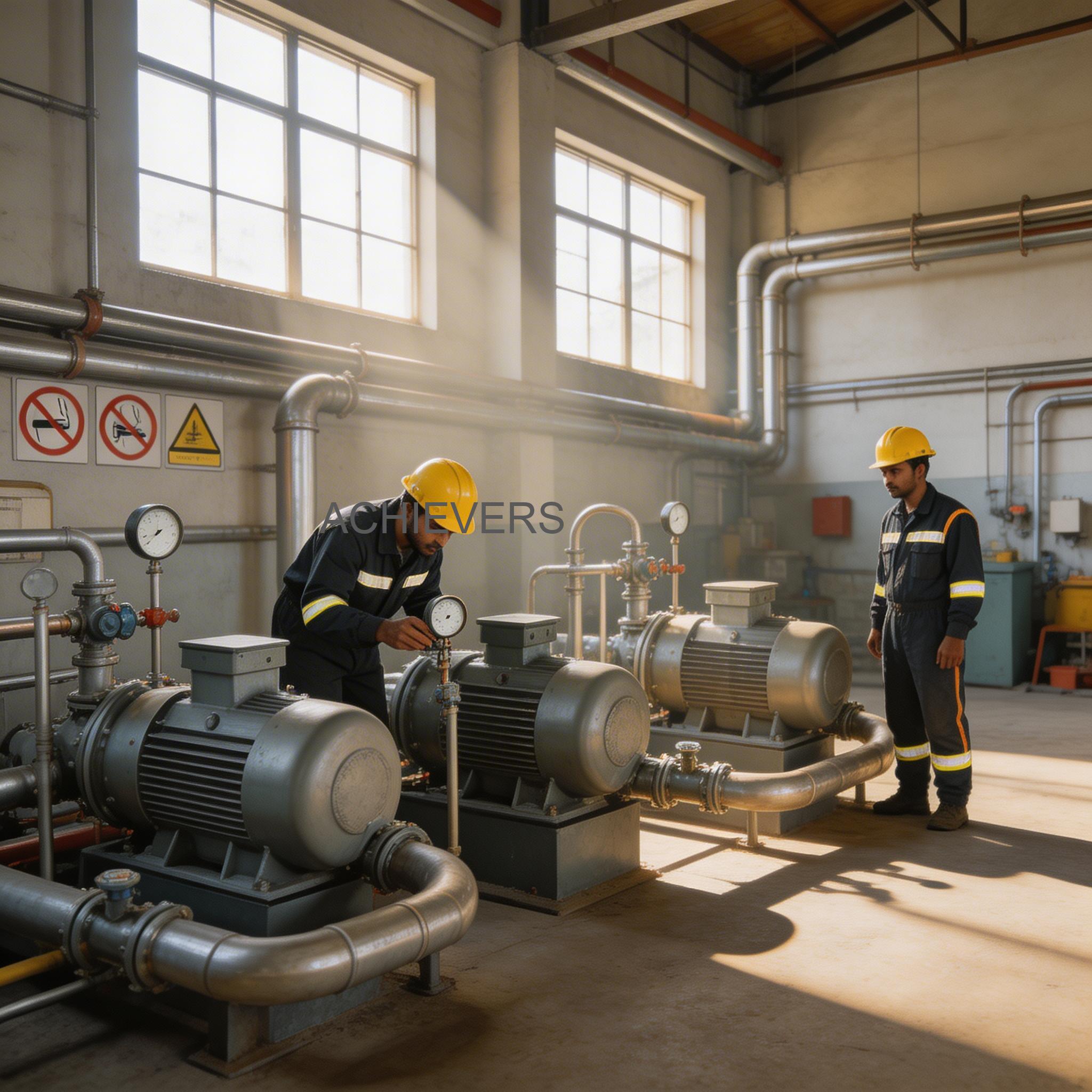
In a bid to save money, maintenance teams sometimes disassemble components they shouldn't. Knowing the line between a field-fix and a factory repair is crucial.
Fix Yourself:
- Cleaning strainers and bypass valves.
- Replacing external electrical fuses, switches, or battery cables.
- Tightening suction lines, replacing foot valves, or sealing thread leaks.
- Replacing worn rotor vanes (provided the internal casing is not deeply scored).
Call for Manufacturer Service / Replacement:
- Deep Casing Scratches: If debris has gouged deep scratches into the cast iron pump chamber, new vanes will not seal. The pump head needs factory machining or replacement.
- Burnt Motor Windings: If the motor emits a burnt plastic smell or trips the MCB instantly upon powering, the internal copper windings are shorted. Rewinding should be done by professionals, though often replacing a DC motor is more cost-effective.
- Bent Rotor Shaft: If the pump was dropped or suffered massive mechanical shock and vibrates violently, the shaft is bent. Do not operate it; it requires replacement.
*
FAQ
Q: What is the maximum distance I can place the pump from the diesel tank?
A: The crucial metric is vertical suction lift, which should not exceed 2 to 4 meters depending on the model. Horizontally, you can pump further, but keep the suction line as short as possible to prevent priming issues and vacuum strain.
Q: Can I run a 12V DC transfer pump continuously for hours?
A: No. Standard DC rotary vane pumps (like the CE-40DC or CE-80-DC) have a duty cycle of about 30 minutes. Running them continuously will overheat the motor. For continuous bulk transfer, opt for 220V AC or 415V 3-Phase industrial pumps.
Q: My pump runs fine but the output is foamy. What causes this?
A: Foamy diesel usually indicates an air leak on the suction side of the pump. The pump is drawing in air alongside the diesel, churning it inside the vane chamber. Check all suction line clamps and fittings.
Q: The bypass valve keeps getting stuck. Can I just block it off permanently?
A: Absolutely not. The bypass valve is a critical safety mechanism. If you block it and the nozzle is closed while the pump runs, the pressure will instantly spike, bursting your hoses or blowing the mechanical seals on the pump.
Q: Does GST apply equally to spares and new pumps?
A: Yes, industrial pumps, flow meters, and their spare parts typically attract an 18% GST in India. When budgeting for repairs vs. replacement, always factor in the GST-inclusive cost and the input tax credit available to your business.
Q: Can I pump petrol or water using these diesel transfer pumps?
A: No. These rotary vane pumps are strictly designed for media with lubricating properties like diesel, kerosene, and light oils. Pumping water will rust the internals instantly, and pumping petrol poses a severe explosion risk due to static and non-explosion-proof motor ratings (requires PESO certification).
Q: How do I know if my low flow is due to the pump or a clogged filter?
A: Isolate the system. Disconnect the output hose right at the pump’s discharge port. If the pump throws a massive, powerful stream of diesel, the pump is perfectly healthy—your downstream filter or nozzle is choked.
For expert technical support, system sizing, or to replace an aging unit that is beyond repair, contact our technical sales team at Lumen Instruments today. Please provide your required flow rate, specific site conditions (AC or DC power), and application details, and we will guide you to a durable, budget-conscious solution manufactured right here in Ahmedabad.