

Equipment downtime at a busy Indian construction site, mining operation, or industrial plant is incredibly expensive. When excavators, generators, or transport fleets sit idle waiting for fuel, project deadlines slip and costs multiply. Managing fuel logistics across uneven roads, deep pits, or difficult terrain far from retail petrol pumps is a significant challenge for Indian site managers. This is why replacing messy, unsafe barrel refuelling with a mobile dispensing system has become standard practice under the Make in India initiative, helping modernise local industrial operations. However, when your refuelling equipment starts showing wrong litres, under-delivering, or varying significantly from tank dip receipts, you face a major problem: fuel pilferage and inaccurate accountancies.
Before you jump to replacing expensive parts, it is crucial to understand that many accuracy and delivery mismatches are simple field issues. Dusty environments in industrial zones like Gujarat Industrial Development Corporation (GIDC) estates, high summer temperatures, and rough transport conditions can affect electronic and mechanical components. This comprehensive troubleshooting guide will help practical Indian business owners and fleet teams quickly diagnose and fix accuracy issues with their Mobile Diesel Dispenser. By taking a logical, step-by-step approach to field diagnosis, you can ensure optimum utilization of fuel, protect against theft, and make confident, budget-conscious maintenance decisions.
In Simple Terms:
When your dispensing unit says it pumped 100 litres, but the machine's fuel gauge only goes up by 90 litres, you have an accuracy mismatch. This usually happens because air is getting into the pipes, a filter is choked with dirt, or the internal measuring gears are jammed. Instead of buying a whole new system, you can usually fix this by tightening connections, cleaning the filters, and doing a simple calibration check with a legal measuring can.
(Note on GST and Pricing: For budget-conscious procurement heads, the typical Indian market price range for a standard commercial-grade mobile dispensing unit falls between INR 45,000 to INR 95,000 depending on the inclusion of preset functions and receipt printers. Always account for an 18% GST implication when calculating your final landed cost.)
1. Quick Reference: How a Mobile Diesel Dispenser Works
A Mobile Diesel Dispenser is a compact, self-contained dispensing unit designed to supply diesel directly to working areas. Rather than bringing heavy machinery to a static storage tank, the dispenser brings the fuel to the equipment. The system typically operates on a 12V DC or 24V DC power supply directly from a truck or tractor battery.
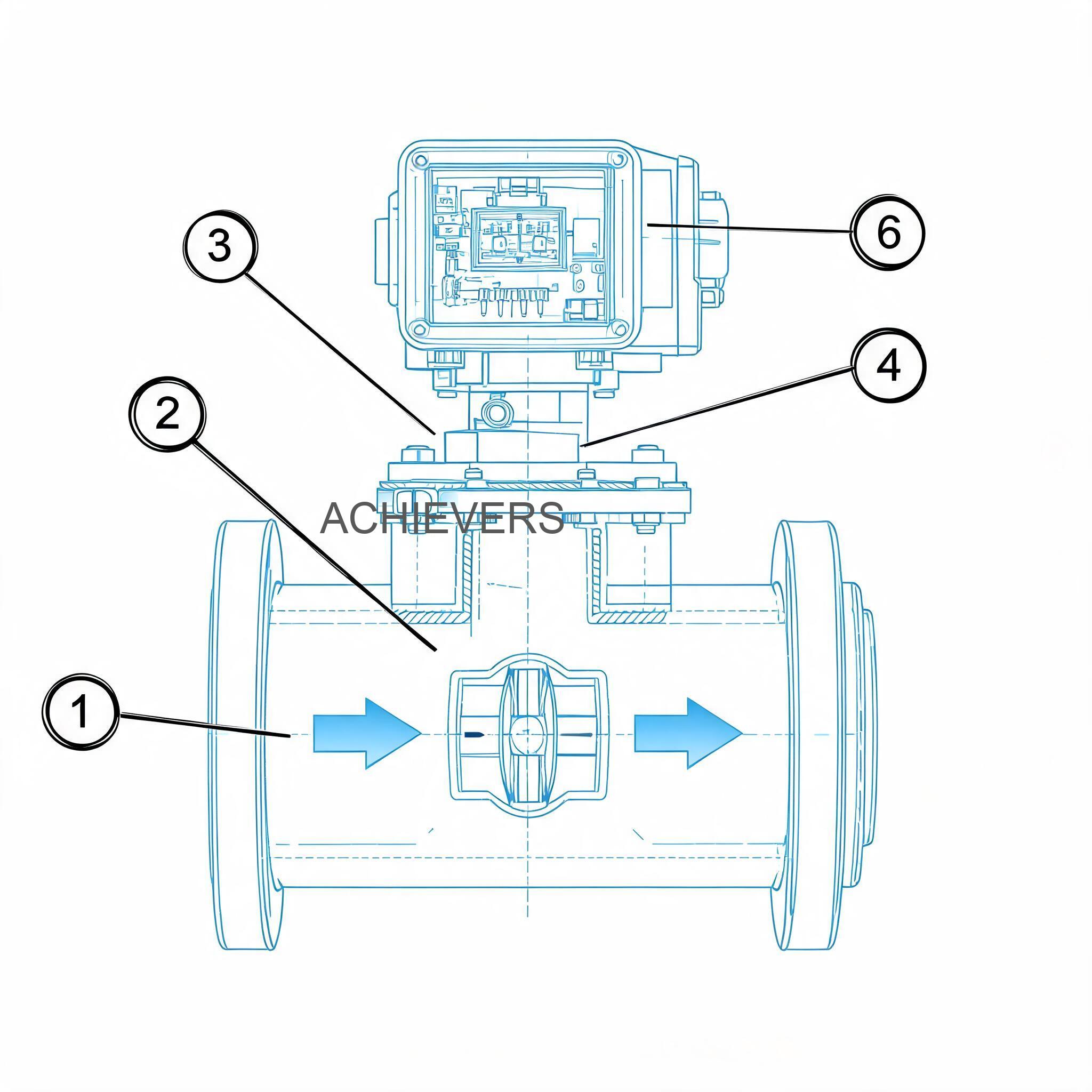
When the operator turns on the unit and pulls the trigger on the nozzle, the DC pump draws diesel from the mobile storage tank. The fuel passes through a suction pipe, a preliminary strainer (to catch rust and dirt), and then enters the flow meter. The internal mechanism of the flow meter translates the physical movement of the fluid into a volumetric reading. This reading is then displayed on the digital or mechanical screen, and on advanced models, logged via a receipt printer. With an engineered accuracy of +/-0.2%, the system is designed for strict inventory control.
Here is a breakdown of the typical specifications and features based on standard Lumen Instruments manufacturing data:
| Component / Feature | Technical Specification / Benefit |
| :— | :— |
| Accuracy Rating | +/-0.2% variance, ensuring precise fuel accountancy |
| Power Supply Options | 12V DC or 24V DC (suitable for truck/battery operation) |
| Dispensing Variants | Standard manual, Preset dispensing, or Hose Reel integrated |
| Data Tracking | Optional Receipt Printer for on-the-spot physical records |
| Safety Advantage | Eliminates barrel spills; protects against fuel theft and pilferage |
| Terrain Suitability | Built for difficult terrain, deep pits, and uneven Indian roads |

Understanding this flow path is vital. If there is a delivery mismatch, the problem lies somewhere between the suction intake in the tank and the final exit point at the fuel nozzle.
2. Troubleshooting Matrix for Delivery and Accuracy Mismatches
When your Mobile Diesel Dispenser acts up, use this diagnostic matrix to pinpoint the most likely cause. This table covers the most common symptoms experienced in heavy-duty Indian industrial sectors, from mining to manufacturing.
| Symptom / Fault | Likely Cause | Field Diagnosis Steps | Corrective Action (Fix) |
| :— | :— | :— | :— |
| Meter shows flow, but less fuel goes into tank (Under-delivery) | Air leak in the suction line | Check all joints between the tank and pump for wetness or hissing sounds. | Tighten hose clamps; apply fresh Teflon tape to threaded joints; replace cracked suction hoses. |
| Meter over-delivers (Dispenses more than reading) | Worn internal measuring gears or oval gears | Perform a calibration test with a certified 20L measure. | Recalibrate the meter mechanically or digitally. If gears are damaged, replace the meter element. |
| Erratic or jumping digital display numbers | Voltage drop or loose battery connection | Use a multimeter to check if the battery provides a steady 12V or 24V under load. | Clean battery terminals; replace thin cables with thicker gauge wire; secure the grounding. |
| Flow rate is incredibly slow (Trickle) | Clogged Y-strainer or inlet filter | Open the filter housing and inspect the stainless steel mesh. | Remove the mesh, wash thoroughly with clean diesel, blow out with compressed air, and reinstall. |
| Zero flow reading despite fuel coming out | Sensor failure or disconnected display cable | Check the wiring harness connecting the flow meter sensor to the digital display board. | Reconnect loose plugs. If wire is intact, the magnetic sensor may require replacement. |
| Pump makes a loud whining noise | Cavitation due to restricted suction | Check if the suction pipe is touching the bottom of the tank, or if the filter is blocked. | Cut the suction pipe at a 45-degree angle so it cannot vacuum-seal against the tank bottom. Clean filters. |
| Receipt printer prints blank or faded paper | Incorrect paper roll or thermal head issue | Verify if the paper is thermal. Scratch it with a fingernail to see if a black mark appears. | Flip the paper roll over (thermal paper only prints on one side) or clean the printer head with alcohol. |
| Preset function fails to stop automatically | Solenoid valve stuck open | Run a small preset batch (e.g., 5 Litres) and listen for the valve clicking. | Remove and clean the solenoid valve diaphragm. Debris often prevents it from closing fully. |
| Fuel leaks from the meter body | Blown O-ring or gasket | Wipe the meter dry, turn on the pump, and observe exactly where fuel seeps out. | Replace the specific O-ring. Do not over-tighten bolts, which can warp the casing. |
| Dispenser shuts off prematurely | Nozzle sensor blocked or frothy diesel | Look inside the nozzle spout. Check if the fuel being pumped is highly aerated. | Clean the small vacuum hole in the nozzle spout. Allow agitated diesel in the mobile tank to settle before pumping. |
3. Step-by-Step Field Diagnosis Procedure
When your operators report that the mobile diesel dispenser is highly inaccurate—for example, a tractor takes 50 litres but the display shows 65 litres—you need a structured testing procedure. Guesswork leads to buying unnecessary replacement parts. Gather a standard toolkit: a set of spanners, screwdrivers, a multimeter, clean rags, and most importantly, a Legal Metrology certified 20-litre or 50-litre measuring can.
Follow this numbered field diagnosis procedure to identify and isolate the accuracy issue:
- Isolate the Equipment on Level Ground: Park the mobile unit on flat, even ground. Attempting to calibrate or diagnose flow issues while parked on a steep incline at a mining pit can cause uneven suction and false readings.
- Verify the Power Source Under Load: Connect your multimeter to the DC power source. Turn the pump on. The voltage should not drop below 11.5V (for a 12V system) or 23V (for a 24V system). Low voltage slows the pump, causing erratic flow that confuses the Diesel Flow Meter sensors.
- Inspect the Suction Line for Air Ingress: The most common cause of "over-reading" (the meter counts air as liquid) is a tiny leak in the suction hose. Wipe down all joints from the tank to the pump. Look for weeping diesel. Tighten all jubilee clips and hose clamps.
- Extract and Clean the Strainer: Shut off the manual ball valve from the tank. Open the filter housing located before the pump. Remove the mesh. In Indian operational environments, it is common to find rust, mud, or paint chips here. Clean it with a wire brush and fresh diesel. A blocked filter causes cavitation, which ruins meter accuracy.
- Perform a Visual Aeration Check: Pump about 10 litres of diesel into a clear glass or plastic container. Look at the liquid. If it looks like a frothy head of beer, you have a severe air leak or your pump bypass valve is stuck open, churning the fuel. The meter cannot accurately measure foamy diesel.
- Execute the Certified Capacity Test (Calibration Check): Take your certified 20-litre proving can. Dispense exactly 20.00 litres into it according to the digital display. Check the physical level in the can. If the physical level is below the 20L mark, the meter is over-reading. If it overflows, the meter is under-reading.
- Adjust the Calibration Parameters: If the variance is outside the +/-0.2% specification, adjust the calibration. For mechanical meters, this involves turning a calibration screw (turn clockwise to decrease volume, anti-clockwise to increase). For digital displays, enter the admin menu to adjust the calibration factor (K-factor) mathematically.
- Inspect Internal Gears (If Calibration Fails): If adjusting the calibration does not stabilize the reading, the internal measuring chamber may be damaged. Open the front faceplate of the meter. Inspect the oval gears or nutating disk. If you see deep scratches or metal shavings, the meter requires factory replacement.
4. Installation and Setup Errors That Cause Ongoing Problems
Many small and medium Indian businesses face accuracy issues from day one simply because the equipment was not installed correctly onto their mobile tanker or utility vehicle. Avoiding these common setup errors ensures your investment pays off through accurate fuel accountancy.
| Setup Error | Resulting Symptom | Corrective Action |
| :— | :— | :— |
| Using Undersized Power Cables | Voltage drops significantly over the length of the wire; pump runs slow; digital display flickers and resets during pumping. | Always use heavy-duty, thick-gauge copper cables. Keep the cable run from the battery to the dispenser as short as possible. |
| No Foot Valve in Storage Tank | Pump loses prime between uses. The operator has to run the pump dry for a minute before fuel flows, which damages internal pump vanes. | Install a one-way foot valve at the bottom of the suction pipe inside the tank to keep the line permanently flooded. |
| Skipping Initial Site Calibration | The factory calibrates with a specific testing fluid. Diesel viscosity changes with Indian summer temperatures, causing immediate 1-2% variances. | Always perform a 20-litre calibration check upon initial installation at your site before putting the unit into active service. |
| Exposing Digital Screens to Direct Monsoon Rain | While the casing is weather-resistant, continuous exposure to heavy driving rain or power washing forces water into the motherboard. | Fabricate a simple metal canopy or canvas cover over the dispensing unit when mounted on the back of an open truck. |
| Rigid Piping Without Vibration Dampeners | Mobile units bounce on uneven roads. Rigid PVC or metal pipes crack at the joints, causing massive air leaks and inaccurate readings. | Use reinforced, flexible rubber suction and delivery hoses designed specifically for petroleum products to absorb transport vibrations. |
| Bypassing the Filter System | Operators sometimes remove clogged filters to increase speed. Dirt instantly enters the meter, jamming the precision gears and stopping flow. | Never operate without a filter. Keep spare filter meshes in the truck cabin so operators can swap them quickly instead of bypassing them. |
5. Preventive Maintenance to Avoid Recurrence
Once you have fixed your mobile diesel dispenser, keeping it accurate requires a basic preventive maintenance schedule. The extreme heat, heavy dust, and varying fuel quality often found at remote Indian sites mean you cannot simply install the equipment and forget about it. Proper maintenance extends the long working life of your equipment and protects your financial investment.
Daily Operator Checks:
Before starting the morning shift, the operator should inspect the dispensing hose for any cuts or bulges. A bursting hose under pressure is a severe environmental hazard. They should also check the automatic shut-off function of the fuel nozzle by testing it on the first fill of the day.
Weekly Fleet Maintenance:
Clean the main Y-strainer or pump inlet filter every week. If you are dispensing heavily contaminated fuel from older steel tanks, you may need to do this twice a week. Drain any accumulated water from the bottom of your mobile storage tank, as water passing through the dispenser will rust the internal components of both the meter and the Fuel Transfer Pumps.
Monthly Calibration and Inspection:
Schedule a mandatory calibration check on the first of every month. Use the certified measuring can. Record the variance in a logbook. If the meter is consistently drifting out of the +/-0.2% accuracy range month after month, it is an early warning sign that the internal measuring chamber is wearing out. Also, check all electrical connections for corrosion. In coastal areas of Gujarat or Maharashtra, salty air can rapidly corrode battery terminals, leading to voltage drops.

6. When to Call Service vs. Fix Yourself
Knowing your limits is important. While local plant mechanics can handle most issues, certain technical faults require expert intervention to prevent permanent damage to the machine or voiding warranties.
Fix it yourself (Field-Fixable):
- Cleaning filters and strainers.
- Replacing torn hoses and damaged dispensing nozzles.
- Tightening loose hose clamps and fixing external air leaks.
- Replacing thermal paper in the receipt printer.
- Performing standard K-factor or mechanical calibration adjustments.
- Cleaning battery terminals and replacing fuses.
Call for Manufacturer Service:
- Motherboard Failure: If the digital display is blank despite proper voltage, or if the preset keypad stops responding completely, the electronic board likely needs replacement.
- Motor Burnout: If the DC pump motor emits a strong burning electrical smell or is too hot to touch, the internal windings may have failed.
- Meter Gear Replacement: If the meter housing needs to be completely disassembled to replace damaged oval gears or nutating disks, it is best sent to the manufacturer. Precision alignment is required upon reassembly to maintain the +/-0.2% accuracy.
At Lumen Instruments, our client-oriented business policies ensure that you receive robust service support. We manufacture products designed specifically for ease of installation and optimum functionality, meaning downtime is kept to an absolute minimum.
FAQ
Q: How frequently should a mobile diesel dispenser be calibrated in Indian weather conditions?
A: Due to massive temperature swings between winter and peak summer, which slightly alter diesel viscosity, we recommend a simple calibration check once a month using a certified 20-litre measure.
Q: Can I run a 12V dispenser on a 24V truck battery?
A: No. Running a 12V pump motor on a 24V supply will cause the motor to over-speed, overheat, and burn out the internal windings within minutes. Always match the equipment voltage to your power source.
Q: Why does my receipt printer output blank slips?
A: You are likely using standard paper or have inserted the thermal paper roll upside down. Thermal printers do not use ink; they use heat on chemically treated paper which only works on one side.
Q: Is it normal for the meter to show a few millilitres of flow when the truck drives over rough terrain?
A: Heavy vibrations can sometimes cause mechanical meters to register slight movement if the pipes are not kept full. Ensure you have a foot valve installed in your tank to prevent fuel sloshing back and forth through the meter.
Q: What is the primary cause of sudden under-delivery?
A: The most common cause is a clogged inlet filter. When the filter chokes, the pump cavitates and sucks in tiny air bubbles, causing erratic flow and inaccurate meter readings.
Q: Are these units compliant with safety standards for industrial sites?
A: Yes, quality dispensing units are manufactured keeping relevant industry safety norms in mind, replacing hazardous open-barrel pouring methods and vastly improving site safety against fire and environmental spills.
Q: Will installing a longer delivery hose affect the meter's accuracy?
A: A longer hose will not affect the meter's accuracy, but it will reduce the overall flow rate due to increased friction. If you require long-distance dispensing, consider models equipped with a heavy-duty hose reel.
Ready to secure accurate fuel accountancy and eliminate costly downtime at your site? Contact Lumen Instruments today to discuss your specific requirements for mobile diesel dispensing units, transfer pumps, and flow meters. Let our team know your required flow capacity, operational voltage, and site conditions, and we will guide you to the most reliable, budget-friendly solution for your business.