
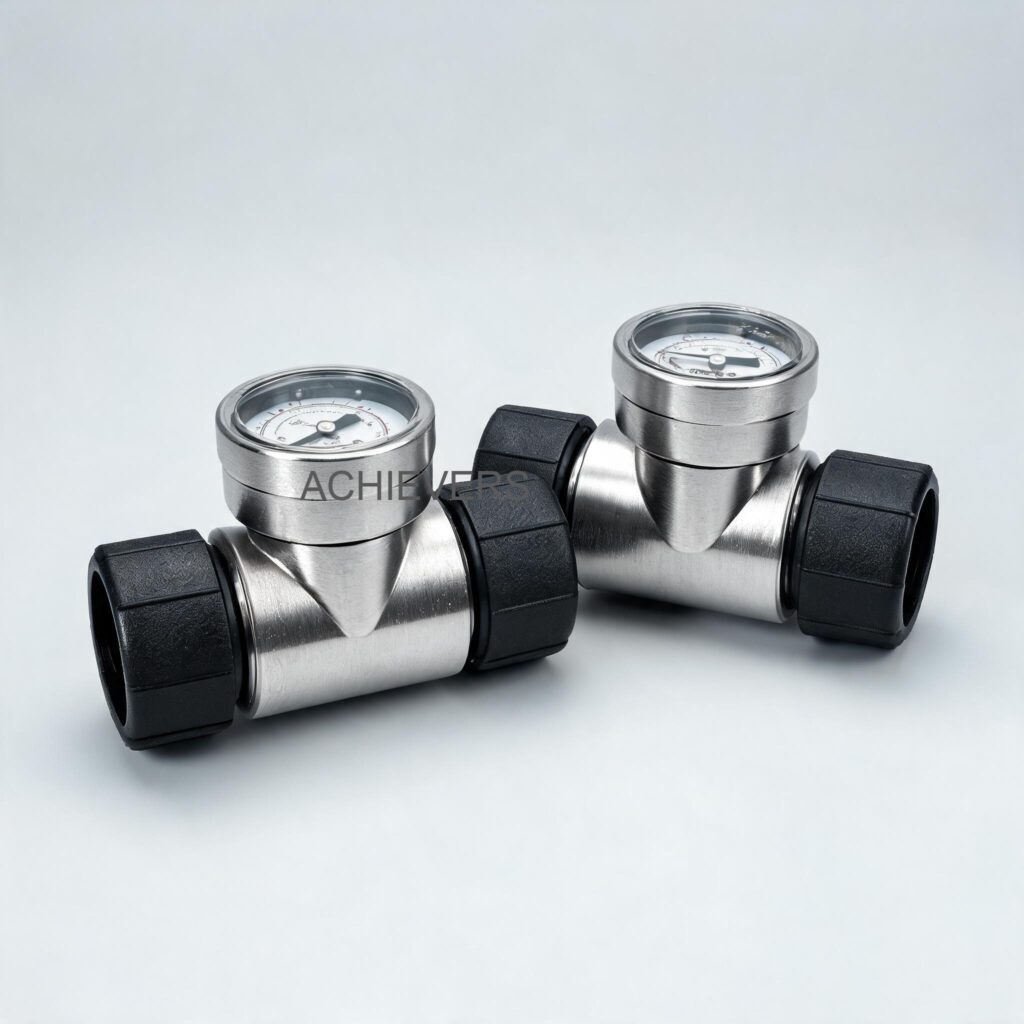
Selecting the correct fluid measurement instrumentation is a critical engineering decision for plant managers, industrial engineers, and procurement heads worldwide. Whether you are designing a high-capacity tanker unloading bay in the Middle East, configuring a mobile fuel skid system for a mining operation in Australia, or upgrading a chemical plant's infrastructure in Europe, the precision of your flow measurement directly impacts your operational efficiency and bottom line. Inaccurate measurement during bulk fuel transfers can lead to massive inventory discrepancies, compliance violations, and significant financial losses over time.
For global B2B buyers, sourcing reliable measurement devices often involves navigating a complex matrix of international standards (ISO, ATEX, CE, API) and balancing capital expenditure against technical performance. Increasingly, international procurement teams are turning to the robust manufacturing hubs of Gujarat, India, under the Make in India initiative, to source export-quality instrumentation. Manufacturers based in industrial clusters like the Gujarat Industrial Development Corporation (GIDC) in Ahmedabad are delivering highly accurate, durable metering solutions that meet stringent global requirements while offering highly competitive procurement economics. This comprehensive buyer's guide explores the technical specifications, selection criteria, and operational best practices for choosing Fuel Flow Meters for industrial applications.
1. What Is Fuel Flow Meters and What Does It Do
At its core, industrial fluid metering is about converting the kinetic energy of a moving fluid into a measurable, readable volumetric value. The Fuel Flow Meters manufactured for these demanding applications utilize a highly sensitive turbine measuring system. When diesel, kerosene, or similar industrial fuels pass through the meter's internal chamber, the flowing fluid engages the angled blades of a freely suspended turbine rotor. The rotational speed of this turbine is directly proportional to the velocity of the fluid.
This mechanical rotation is then electronically or magnetically detected and converted into a highly legible five-digit LCD readout. Designed for harsh industrial environments, these meters are constructed from anodized aluminum, which provides an exceptional strength-to-weight ratio and superior resistance to corrosion—a vital feature for coastal refineries, offshore platforms, and heavy-duty HVAC facility management applications.
A primary advantage of this specific Fuel Flow Meters design is its versatile installation capability. It can be installed rigidly in-line within a piping network or attached directly toward the end of a flexible delivery hose, providing immediate volumetric feedback to operators dispensing fluids. Furthermore, the inclusion of a resettable totalizer allows operators to track individual batch deliveries while maintaining a cumulative record of total fluid transferred, ensuring strict audit compliance and inventory control.
Below is the technical specification breakdown based on the manufacturer's engineering data:
| Specification Parameter | Value / Description | Engineering Notes |
| :— | :— | :— |
| Flow Range | 11 – 98 LPM (Liters Per Minute) | Optimal operational band for +/- 1% accuracy. |
| Maximum Operating Pressure | 50 psi (3.4 bar) | Suitable for standard transfer pumps and gravity-fed systems. |
| Accuracy Class | +/- 1% Accuracy | Highly reliable for inventory management and internal custody transfer. |
| Measuring Mechanism | Turbine Measuring System | Provides rapid response to flow variations; low pressure drop. |
| Construction Material | Anodized Aluminum | High corrosion resistance; lightweight; ideal for fuels and solvents. |
| Inlet / Outlet Size | 1 inch (Standard) | Decreases down to 3/4 inch utilizing an included reducer bushing. |
| Display Configuration | Five-Digit LCD Readout | Includes a resettable totalizer; measures in Gallons, Liters, Quarts, Pints. |
| Warranty | One-Year Warranty | Backed by manufacturer quality assurance protocols. |
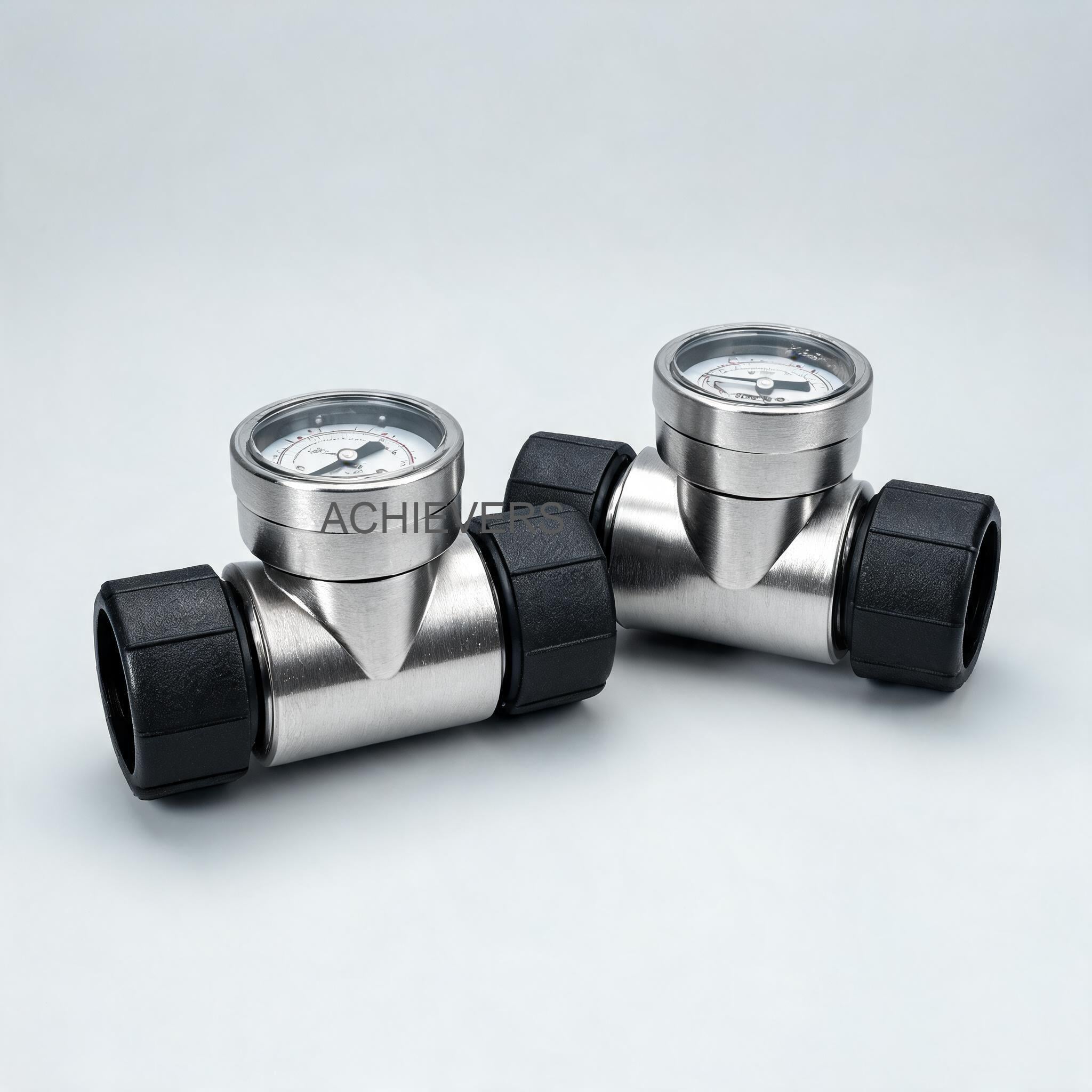
2. Key Selection Criteria for International and Indian Industrial Buyers
Selecting the right flow meter requires matching the instrument's capabilities to the exact physics of your fluid system and the environmental realities of your operational site. Whether your site is an export-oriented processing zone, a remote mining camp, or an urban water treatment facility, the following criteria must dictate your procurement decision.
1. Flow Rate Range Compatibility (11 – 98 LPM)
The most critical engineering parameter is the expected volumetric flow rate. The turbine meter is engineered to operate accurately within a specific velocity window: 11 to 98 Liters Per Minute. If the flow rate drops below 11 LPM, the fluid lacks the kinetic energy required to overcome the mechanical friction of the turbine bearings, resulting in under-registration (the meter reads less than actual). Conversely, pushing flow beyond 98 LPM can cause excessive wear on the turbine shaft, create severe pressure drops, and induce cavitation. Buyers must analyze their pump curves or gravity-head calculations to ensure normal operating flows fall squarely within this 11-98 LPM band.
2. Pressure Ratings and Surge Conditions (50 psi / 3.4 bar)
Tanker unloading and skid systems are frequently subjected to pressure spikes due to rapid valve closures (water hammer) or pump start-up surges. The meter features a maximum operating pressure of 50 psi (3.4 bar). Buyers must evaluate their entire line pressure. If integrated with high-pressure Fuel Transfer Pumps, engineers must ensure bypass valves or pressure relief mechanisms are in place to prevent the system pressure from exceeding the 3.4 bar threshold, which could compromise the meter's anodized aluminum housing or internal seals.
3. Accuracy Requirements (+/- 1%) and Calibration
For internal batching, blending, and asset management, an accuracy of +/- 1% is highly desirable. This precision ensures that when unloading a 20,000-liter tanker, the measured variance is kept to a minimum, preventing accounting disputes and inventory shrinkage. Global buyers must ensure that the metering equipment is calibrated at the factory. Indian manufacturers utilizing Total Quality Management (TQM) frameworks ensure rigorous pre-dispatch testing.
In Simple Terms
Think of a turbine flow meter like a child's pinwheel held in the wind. The harder the wind blows (the faster the fluid flows), the faster the pinwheel spins. A sensor counts how many times the pinwheel turns and uses that number to calculate exactly how many liters of liquid just passed through the pipe. It is simple, reliable, and incredibly accurate for clean liquids like diesel.
4. Material Suitability and Fluid Dynamics
Anodized aluminum is selected for its excellent compatibility with petrochemicals, diesel, kerosene, and light oils. It resists the oxidation and pitting that standard carbon steel might suffer when exposed to trace water contamination in fuels. However, buyers must verify fluid compatibility; highly acidic or basic chemicals may require stainless steel or specialized polymer constructions. Furthermore, turbine meters are best suited for low-to-medium viscosity fluids. Highly viscous fluids (like heavy bunker crude or cold molasses) will create excessive drag on the turbine, degrading the +/- 1% accuracy.
5. Installation Flexibility and Port Sizing
Industrial piping is rarely uniform. A major advantage of this meter is its adaptability. It comes standard with 1-inch inlet and outlet ports, perfectly sizing it for standard industrial hoses and rigid piping. However, it also includes a reducer bushing that decreases the ports down to 3/4 inch. This is crucial for retrofitting older equipment or integrating into compact building automation applications where space and pipe diameters are restricted.
6. Export Compliance, Local Sourcing, and Economics
For international procurement teams, buying from an established Ahmedabad-based manufacturer offers substantial economic advantages. By leveraging the Make in India initiative, manufacturers produce equipment that aligns with global engineering standards (such as ISO compatibility for threads and pressure testing) while maintaining lower production costs.
Pricing Context: For buyers evaluating costs, the typical Indian market price range for an industrial-grade digital turbine flow meter of this specific specification generally falls between Rs. 8,500 to Rs. 15,000 (excluding standard 18% GST for domestic sales). For export buyers, these products are typically zero-rated for GST, providing a highly competitive, compliant, and cost-effective alternative to overpriced European or North American equivalents without sacrificing build quality or the five-digit digital accuracy.
3. Configuration and Deployment Comparison
The versatility of the turbine measuring system allows it to be deployed in several distinct configurations. Below is an engineering comparison of how the standard 11-98 LPM meter can be adapted for various industrial roles using its modular design.
| Configuration Setup | Primary Application | Inlet/Outlet Sizing | Pressure Limit | Operational Focus |
| :— | :— | :— | :— | :— |
| In-Line Rigid Mount | Fixed Pump Skids & Refineries | Standard 1 inch | 50 psi (3.4 bar) | Continuous bulk transfer; installed directly into rigid steel or alloy pipework. |
| Hose-End Dispensing | Mobile Tankers & Service Bays | 1 inch or 3/4 inch | 50 psi (3.4 bar) | Mounted just behind the dispensing nozzle for immediate operator visibility. |
| Retrofit / Compact Build | HVAC & Building Automation | 3/4 inch (via bushing) | 50 psi (3.4 bar) | Fits into legacy 3/4 inch pipelines without requiring complex pipe welding. |
| Export Skid Assembly | International Turnkey Projects | Standard 1 inch | 50 psi (3.4 bar) | Integrated with totalizers for international shipping; meets global port standards. |
4. Common Mistakes Buyers Make When Choosing Flow Instrumentation
Procuring fluid measurement devices based solely on price or assumed specifications often leads to operational failures. Global engineers and local plant managers alike frequently fall into several predictable traps when integrating flow meters into their systems.
1. Ignoring the Minimum Flow Rate Limitation
The most common error is installing a turbine meter in a gravity-fed application where the flow rate barely reaches 5 or 6 LPM. Because the turbine requires a minimum kinetic force to spin accurately, operating below the 11 LPM threshold will result in the meter failing to register the flow accurately, leading to significant unrecorded fluid transfer.
2. Exceeding the 50 PSI Pressure Ceiling
When hooking up meters to aggressive, high-head centrifugal pumps, operators sometimes ignore the system pressure. If the line pressure surges past 50 psi (3.4 bar), it can blow out the O-rings, damage the digital LCD housing, or cause micro-fractures in the anodized aluminum body. Always match the meter to the pump's maximum deadhead pressure.
3. Foregoing Upstream Filtration
Turbine meters contain precision bearings and rotating blades. If a facility does not install an appropriate Y-strainer or inline filter upstream of the meter, debris, rust flakes, or welding slag from the piping will enter the meter. This debris can jam the turbine, instantly halting measurement and requiring maintenance downtime.
4. Installing in High-Vibration Zones Without Support
While the meter can be installed at the end of a delivery hose, mounting it in-line near an unbalanced, heavily vibrating pump without flexible dampening connectors can cause premature failure of the digital readout circuitry. The five-digit LCD is rugged, but constant, severe harmonic vibration can disrupt the magnetic pickup sensor.
5. Misunderstanding Viscosity Limits
Assuming that a meter calibrated for diesel will accurately measure high-viscosity gear oil or heavy crude is a fundamental fluid dynamics mistake. As viscosity increases, the fluid velocity profile changes, and the drag on the turbine blades increases. If your operation requires measuring heavy oils, you must consult with the manufacturer for viscosity-specific calibration or look into positive displacement models.
5. Step-by-Step Enquiry and Procurement Procedure
To ensure you receive the exact configuration required for your facility, use this standardized, numbered engineering procedure when drafting your purchase order or requesting a quote from the manufacturer. Providing comprehensive data eliminates assumptions and guarantees equipment compatibility.
Step 1: Document the Target Fluid Profile
Specify the exact chemical composition of the fluid (e.g., Ultra-Low Sulfur Diesel, Kerosene, light petrochemicals). Note the specific gravity and dynamic viscosity at your standard operating temperature.
Step 2: Determine Operational Flow Rates
Calculate the minimum, normal, and maximum anticipated flow rates of your system. Verify that these numbers fit comfortably within the 11 to 98 LPM specification.
Step 3: Map System Pressure Variables
Identify your pump's operating pressure and maximum potential surge pressure. Confirm it does not exceed the 3.4 bar (50 psi) limitation of the meter's anodized aluminum housing.
Step 4: Select Sizing and Port Configuration
Determine if your piping requires the standard 1-inch inlet/outlet or if you need the supplier to include the reducer bushing to step the connection down to 3/4 inch. Specify thread types if adapting to specific regional standards (NPT vs BSP).
Step 5: Define Installation Architecture
State whether the meter will be mounted in a static, rigid pipeline on a skid system, or if it will be utilized as a mobile unit attached toward the end of a flexible delivery hose.
Step 6: Confirm Display and Unit Requirements
Verify that the five-digit LCD with the resettable totalizer meets your auditing needs. Confirm which unit of measure you want the display calibrated to default to (Gallons, Liters, Quarts, or Pints).
Step 7: Address Environmental and Site Conditions
If you are operating in extreme heat, high dust environments, or coastal zones with high salinity, inform the manufacturer. Ahmedabad-based suppliers routinely design equipment to withstand severe Indian industrial conditions, which perfectly translates to harsh global environments like the Middle East or Africa.
Step 8: Clarify Export and Documentation Needs
For international buyers, explicitly request standard export documentation. This includes Factory Acceptance Test (FAT) certificates, Certificate of Origin, HS Code classification, and custom export packaging to ensure safe transit via cargo or road.
FAQ
Q: Can this meter be used to measure water or highly corrosive chemicals?
A: No. While anodized aluminum is highly durable, it is specifically designed for fuels like diesel, kerosene, and light oils. Using it for water or highly corrosive acids can damage the internal turbine bearings and the aluminum housing.
Q: What happens if my flow rate drops below 11 LPM?
A: Operating below 11 LPM will result in a loss of the +/- 1% accuracy. The fluid will not have enough kinetic energy to spin the turbine optimally, leading to under-registration of the total volume dispensed.
Q: How is the digital display powered, and does it require external wiring?
A: The five-digit LCD readout operates on internal, long-life batteries. It does not require complex external power wiring, making it incredibly easy to install on remote skid systems or mobile Diesel Dispensing units.
Q: Does the meter save the total volume if the battery dies or if it is reset?
A: The meter features a resettable totalizer for individual batch tracking, but it also maintains a cumulative, non-resettable total internally. Replacing the battery will not erase the lifetime cumulative total.
Q: What exactly does the 1-inch to 3/4-inch reducer bushing do?
A: The meter's main body has 1-inch threaded inlet and outlet ports. The included reducer bushing allows you to screw into these ports and step the connection size down, allowing the meter to seamlessly connect to smaller 3/4-inch piping or hoses without needing third-party adapters.
Q: How difficult is the maintenance on the turbine measuring system?
A: Maintenance is minimal. The primary requirement is keeping the fluid clean. Installing a standard inline strainer before the meter prevents debris from clogging the turbine. The internal components can be easily accessed for cleaning if required.
Q: Is this product suitable for export to international facilities?
A: Yes. Manufactured under strict quality controls in Ahmedabad, these meters are heavily exported globally. They meet international dimensional and pressure standards, and the manufacturer provides custom packaging for cargo and full export documentation.
If your facility requires robust, highly accurate fluid measurement solutions, matching the right instrument to your exact operational parameters is essential. Contact Lumen Instruments today with your specific flow rate, fluid type, and application requirements to receive a detailed technical proposal and secure a measurement solution engineered for enduring accuracy.