
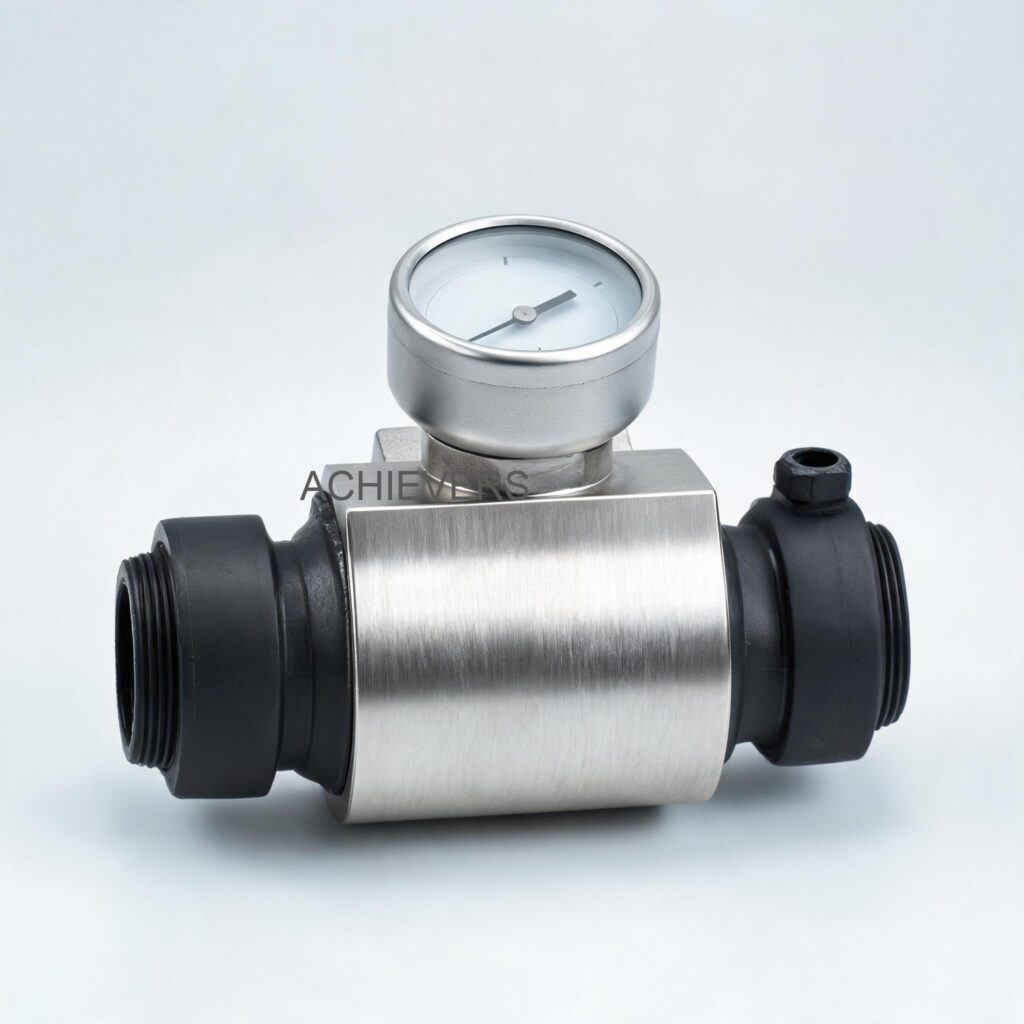
For industrial plant managers and procurement heads across India, equipment downtime is more than just an inconvenience; it is a direct hit to the bottom line. Whether you are running a chemical processing unit in a Gujarat Industrial Development Corporation (GIDC) estate, a food and beverage plant in Pune, or a heavy machinery depot operating construction equipment, accurate fluid measurement is critical for cost control and quality assurance. When an oil flow meter fails or loses accuracy due to neglect, you risk incorrect batching, wasted raw materials, and compromised machinery lubrication.
This comprehensive Oil Flow Meters maintenance guide is designed specifically for Indian operational conditions. By implementing a strict preventive maintenance checklist for oval gear oil flow meters, you can drastically reduce unexpected breakdowns, ensure compliance with BIS and Legal Metrology standards, and extend the service life of your capital equipment. Upfront maintenance costs pennies compared to the severe financial drain of production halts, line clean-ups, and emergency part replacements.
1. Product Overview and Critical Wear Components
Oil Flow Meters are precision-engineered positive displacement (PD) devices. Manufactured by Lumen Instruments in Ahmedabad, these displacement-type volume meters are designed to transport defined incremental volumes in individual measuring chambers.
The measuring element consists of two high-precision toothed oval gears. As the fluid flows, it drives these gears, causing them to mesh and rotate. For every single rotation, a precise and defined volume of liquid is passed through the meter. A sensor element detects these rotations to calculate the total flow. Because they are virtually immune to changes in liquid viscosity, Oil Flow Meters are heavily utilized across India for a wide range of fluids—from highly viscous furnace oils (FO) to lighter hydraulic and mineral oils.
In Simple Terms
Think of an oval gear meter like a revolving door at a busy hotel. The door (the oval gears) only turns when someone pushes it (the fluid flowing). Every time the door completes a full circle, exactly four people (a specific volume of oil) have entered. By simply counting how many times the door spins, you know exactly how much oil has passed through. If dirt jams the door, or the hinges wear out, your count becomes inaccurate.
Despite their robust construction, these mechanical meters have specific moving parts that require regular monitoring. The critical wear components include the oval gears themselves, the central shafts/bearings on which they rotate, the O-ring seals that prevent external leaks, and the electronic sensor element that reads the gear rotation.
| Feature / Specification | Technical Detail & Maintenance Impact |
| — | — |
| Technology Type | Positive Displacement (PD) Oval Gear. Relies on tight mechanical tolerances. |
| Applicable Fluids | Lubrication oils, mineral oils, hydraulic oils, furnace oils, vegetable oils. |
| Viscosity Handling | Immune to viscosity changes; highly accurate across varying temperatures. |
| Installation Requirement | No straight inlet or outlet pipe sections required. Easy to retrofit. |
| Fluid Purity Requirement | Suitable for "clean" liquids only. Upstream strainers are absolutely mandatory. |
| Measurement Action | Two meshing gears create four measuring cavities per rotation. |
2. Preventive Maintenance Schedule
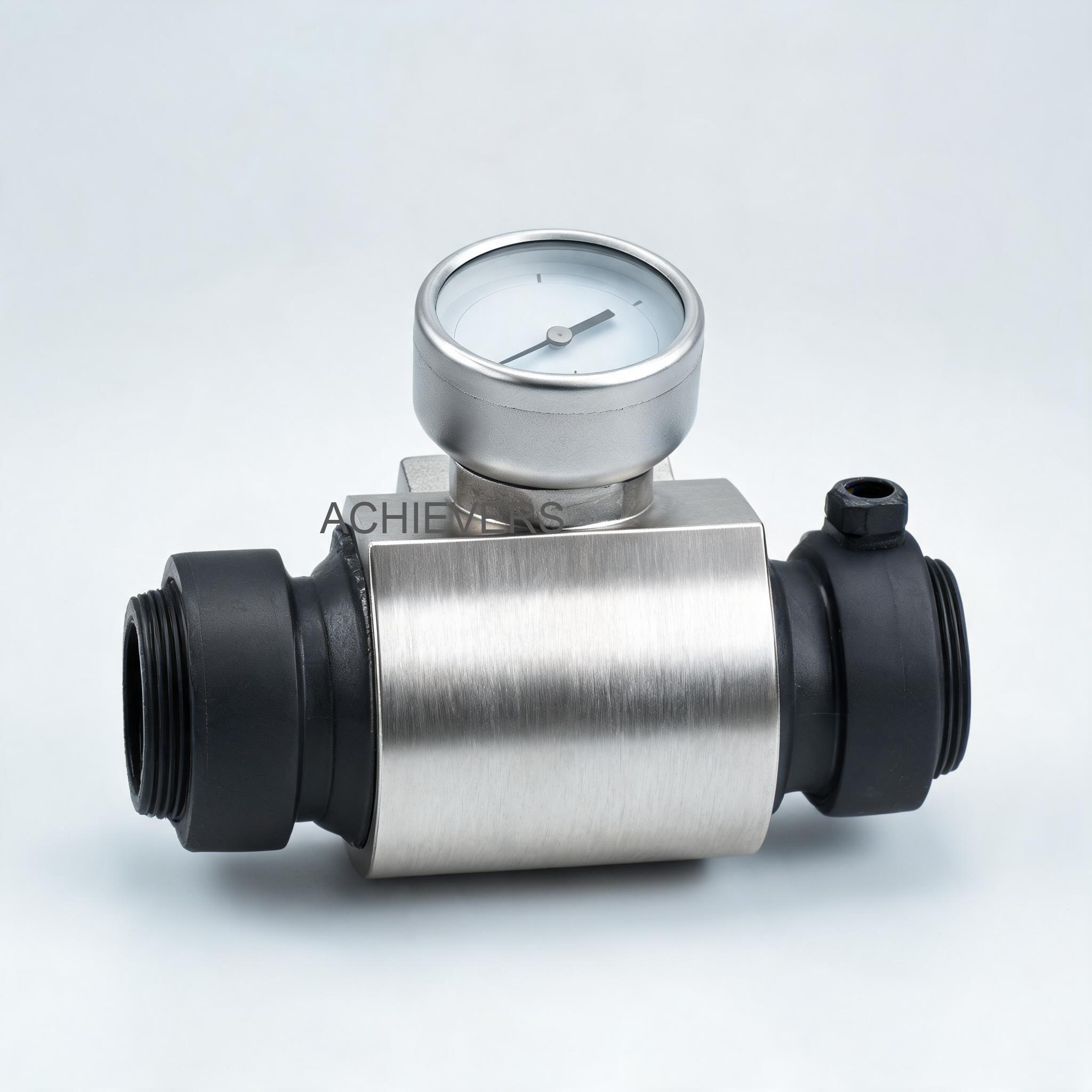
To maintain Oil Flow Meters at peak accuracy, your maintenance team must transition from a reactive "fix-it-when-it-breaks" mindset to a proactive servicing culture. The oil flow meter servicing schedule for manufacturers below is tailored for typical Indian plant operations, accounting for heavy continuous shifts, fluctuating temperatures, and the variable quality of local fluid supplies.
| Task | Frequency | Responsible | Est. Time | Notes |
| — | — | — | — | — |
| Visual Leak Inspection | Daily | Line Operator | 5 mins | Check all flange connections and meter body joints for weeping oil. |
| Digital Display Check | Daily | Line Operator | 2 mins | Ensure the LCD display is clear, active, and not showing error codes. |
| Upstream Strainer Blowdown | Weekly | Maintenance Tech | 15 mins | Flush the Y-strainer to remove accumulated solid particulate. |
| Operating Pressure Verification | Weekly | Process Engineer | 5 mins | Confirm pressure drop across the meter is within baseline limits. |
| Sensor Cable Inspection | Monthly | Electrical Tech | 10 mins | Check for frayed wires, loose terminal connections, or moisture entry. |
| Strainer Mesh Deep Clean | Monthly | Maintenance Tech | 30 mins | Remove mesh basket, clean with solvent, inspect for tears. |
| Seal and O-Ring Inspection | Bi-Annually | Maintenance Tech | 45 mins | Inspect external seals for hardening or chemical degradation. |
| Gear Wear Inspection | Annually | Mechanical Fitter | 2 hours | Open measuring chamber; inspect gear teeth and shaft bearings for wear. |
| Volumetric Calibration Check | Annually | Metrology Team | 3 hours | Verify meter accuracy against a known master meter or proving tank. |
| Battery Replacement | Every 2 Years | Electrical Tech | 15 mins | Replace lithium batteries in digital display models (if non-mains powered). |
3. Step-by-Step Procedures for Key Tasks
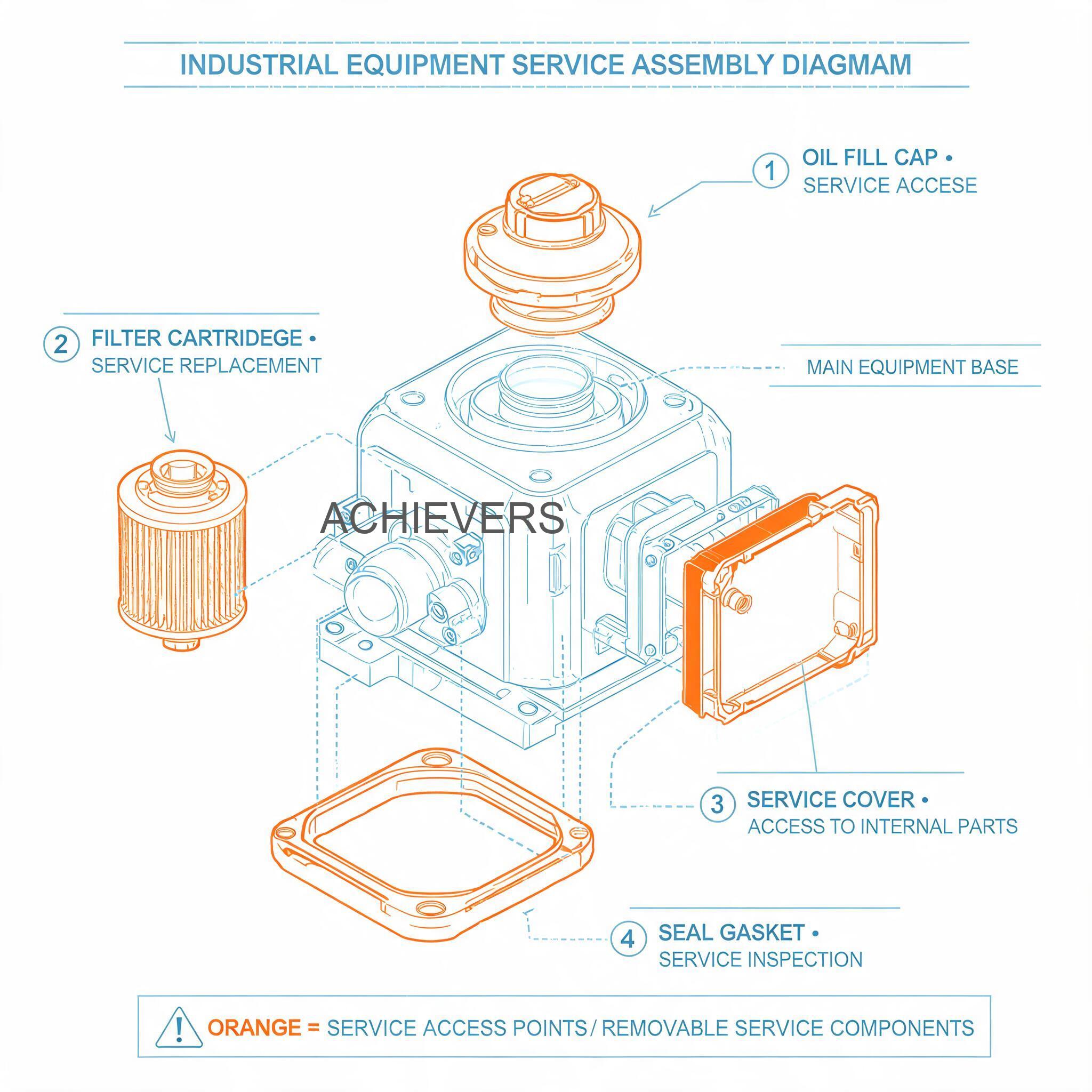
Industrial oil flow meters cleaning and gear wear inspection must follow strict standard operating procedures to avoid accidental damage to the precision-machined internals. Below are two critical procedures your site engineers must follow.
Procedure A: Upstream Strainer Deep Cleaning
Oval gear meters require clean liquids. Solid particles, welding slag from new pipes, or rust flakes will jam the tight tolerances between the gears and the chamber wall. Routine strainer cleaning is your first line of defense.
- Isolate the Line: Shut down the associated Fuel Transfer Pumps and close the upstream and downstream isolation valves. Apply Lockout/Tagout (LOTO) protocols.
- Depressurize: Safely bleed off residual line pressure using a designated drain valve. Ensure you collect the drained oil in a proper drip tray to maintain site safety and hygiene.
- Open the Strainer: Using the appropriate spanner, carefully unbolt the cap of the Y-strainer located immediately upstream of the Oil Flow Meters.
- Extract the Mesh Basket: Pull out the cylindrical mesh basket. Inspect it under good lighting for physical tears or collapsed sections.
- Solvent Cleaning: Submerge the mesh basket in a suitable cleaning solvent (like diesel or a commercial degreaser). Use a soft bristle brush to remove sticky residues, sludge, and trapped metallic particles. Never use a wire brush, which can damage the fine mesh.
- Air Dry: Use compressed air (at low pressure) from the outside-in to blow out any remaining microscopic debris.
- Reinstall with New Gasket: Insert the clean mesh basket back into the strainer housing. It is highly recommended to use a new PTFE or Viton gasket on the strainer cap to prevent leaks.
- Restore Flow: Bolt the cap down to the manufacturer's specified torque. Slowly open the upstream valve to prime the line, checking for leaks, then open the downstream valve.
Procedure B: Measuring Chamber and Oval Gear Inspection
If the meter begins registering a high pressure drop or making unusual mechanical noises, the internal chamber must be inspected.
- System Isolation and Drainage: Follow the LOTO and depressurization steps as outlined above. Ensure the meter is completely drained of oil.
- Remove Meter from Line: Unbolt the flange connections and carefully remove the meter to a clean, well-lit workbench.
- Mark the Orientation: Before disassembling, use a marker to draw an alignment line across the front cover and the main body. This ensures exact realignment during reassembly.
- Remove Front Cover: Unbolt the front cover evenly. Gently pry it off without scoring the machined mating surfaces.
- Inspect O-Rings: Remove the main casing O-ring. Check for brittleness, flattening, or cuts. Discard it if any wear is present.
- Examine Oval Gears: Gently rotate the gears by hand. The movement should be entirely smooth with no binding. Lift the gears off their shafts and inspect the gear teeth for scoring, pitting, or metal burrs.
- Clean the Chamber: Wipe the inner measuring chamber and gears with a lint-free cloth and mild solvent. Do not use abrasive pads.
- Reassembly: Place the gears back on their shafts (ensuring correct timing/alignment marks match if specified). Insert a fresh O-ring, align the front cover using your marker line, and torque the bolts in a star pattern to ensure even pressure.
4. On-Site Spare Parts to Stock
Supply chain delays can turn a minor repair into days of lost production. Indian manufacturers should maintain a dedicated inventory of consumable parts for their Oil Flow Meters. Since these products are proudly manufactured in Ahmedabad under the "Make in India" initiative by Lumen Instruments, local availability is excellent, but keeping site stock is the best practice.
Typical Indian Market Price Range & GST Context:
A complete industrial grade oval gear meter typically costs anywhere from ₹20,000 to ₹1,50,000+ depending on the line size (e.g., 1-inch vs. 4-inch flange), material of construction, and digital integration. Under current Indian taxation, industrial flow meters and spare parts generally attract an 18% GST. Factoring in GST, the cost of keeping essential spares is negligible compared to the cost of operational downtime.
| Spare Part | Type | Recommended Site Quantity | When to Replace |
| — | — | — | — |
| Strainer Mesh Baskets | Consumable | 2 per meter size | Annually, or if torn/collapsed |
| Viton / NBR O-Rings | Consumable | 4 sets per meter | Whenever the meter cover is opened |
| Electronic Sensor Element | Critical Spare | 1 per identical meter group | If display shows zero flow while fluid is moving |
| Replacement Gear Set | Heavy Wear | 1 set per critical line | If gears show physical scoring or meter loses accuracy |
| Lithium Batteries | Consumable | 2 per digital display | Every 18-24 months |
5. Diagnosing Maintenance-Related Failures
Even with a strong preventive maintenance checklist for oval gear oil flow meters, environmental variables can cause operational anomalies. Knowing how to diagnose a symptom quickly saves hours of troubleshooting.
| Failure Symptom | Most Likely Cause | Missed Maintenance Task | Corrective Action |
| — | — | — | — |
| Sudden High Pressure Drop | Upstream strainer clogged with debris. | Weekly strainer blowdown. | Isolate line, remove and deep-clean the mesh strainer. |
| Meter Displays Zero Flow (but fluid is moving) | Faulty sensor element or broken gear shaft. | Monthly sensor cable inspection. | Check wiring continuity; inspect gears for mechanical jamming. |
| Erratic or Fluctuating Readings | Air entrainment in the fluid line. | Visual leak/system inspection. | Check pump seals and pipe joints upstream for air suction leaks. |
| Oil Leaking from Meter Body | Degraded or pinched main casing O-ring. | Bi-Annual seal inspection. | Shut down line, open cover, replace O-ring, torque bolts evenly. |
| Gradual Loss of Accuracy | Natural wear on gear teeth or shafts. | Annual gear wear inspection. | Perform volumetric calibration proving. Replace gears if out of tolerance. |
| Meter Completely Jammed | Solid object bypassed torn strainer into gears. | Monthly strainer mesh deep clean. | Disassemble meter, remove obstruction, inspect gears for permanent damage. |
6. Extending Service Life in Indian Conditions
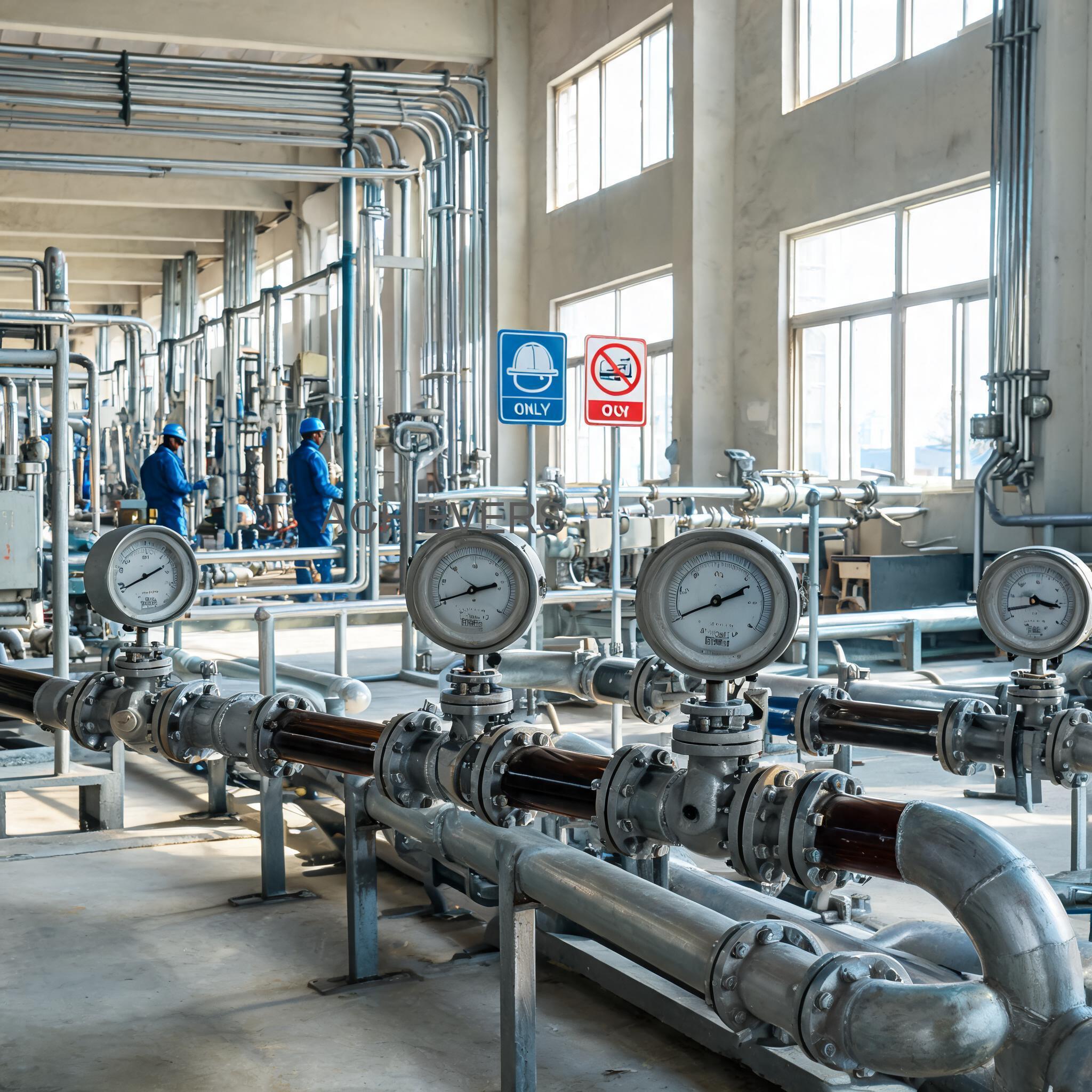
Operating industrial equipment in India presents unique challenges that western maintenance manuals often overlook. To learn how to maintain oil flow meter accuracy over a lifespan of 10+ years, adapt your practices to local conditions:
High Ambient Temperatures:
In industrial hubs like Rajasthan, Gujarat, and Maharashtra, summer temperatures inside a plant can exceed 45°C. While the mechanical oval gears handle heat well, the digital LCD displays and battery housings can degrade. Ensure meters installed outdoors are shielded from direct afternoon sunlight with a simple sheet-metal canopy.
Fluctuating Power and Voltage:
Indian industrial grids frequently experience voltage sags and spikes. If your Oil Flow Meters are wired directly into a central PLC or rely on mains power for the display, install industrial-grade voltage stabilizers or UPS backups. A power surge can instantly fry the delicate sensor element reading the gear rotations.
Handling Viscosity Changes in Furnace Oil (FO):
Furnace oil is heavily used in Indian boilers and furnaces. In winter, FO becomes incredibly thick and sludge-like. While oval gear meters handle varying viscosities, attempting to force cold, unheated FO through the meter at high pump pressures can shear the gear shafts. Always ensure heating trace lines are active and the oil is up to operating temperature before starting the transfer pumps.
Monsoon Humidity:
The heavy Indian monsoon brings high humidity, leading to rapid condensation. This moisture can creep into the electronic terminal boxes of your digital oil flow meters. During your pre-monsoon maintenance checks, ensure all cable glands are tightened and apply a moisture-displacing spray to external electrical terminals.
Contaminated Fuel Quality:
Unfortunately, diesel and oils transported via road tankers in India can sometimes carry rust, dust, and water contamination. Never compromise on upstream filtration. The strainer is the bodyguard for your meter. If you suspect poor oil quality, upgrade to a finer micron mesh basket.
*
FAQ
Q: What is the recommended oil flow meter calibration frequency in India?
A: For internal process monitoring, an annual calibration check is recommended. However, if the meter is used for custody transfer (buying/selling oil), it must be calibrated and stamped according to the strict intervals mandated by the Indian Legal Metrology Act, usually every 12 months by a certified laboratory.
Q: Can I use the same meter for both diesel and heavy furnace oil?
A: While Lumen Instruments' positive displacement meters can mechanically handle both, it is not recommended to swap fluids without a complete system flush. The residue from thick furnace oil will contaminate the diesel, and the vast difference in viscosity may require different strainer mesh sizes.
Q: My digital display is fading, does this mean the meter is broken?
A: Not at all. If the liquid is still flowing and the mechanical gears are turning, a fading display usually just indicates a depleted battery or a failing LCD screen due to extreme ambient heat. The mechanical measuring chamber is likely completely fine.
Q: Why does my meter hum or vibrate during operation?
A: A slight humming is normal as the precision oval gears mesh. However, excessive vibration usually indicates that the flow rate exceeds the meter’s maximum rated capacity, or that the bearings/shafts are beginning to wear out. Check your pump output.
Q: Do I need a straight run of pipe before installing the meter?
A: No. Unlike turbine or ultrasonic flow meters that require long straight pipe runs to stabilize fluid turbulence, positive displacement oval gear meters do not require straight inlet or outlet sections. They can be installed directly after a pipe elbow or valve.
Q: How do I know if my upstream strainer is blocked?
A: The most obvious sign is a significant drop in fluid pressure and flow rate downstream of the meter. Alternatively, if you install pressure gauges before and after the strainer, a high pressure differential will immediately indicate a blockage.
Q: Can water in the oil damage the meter?
A: Small amounts of water will pass through mechanically, but water lacks the lubricity of oil. Over time, heavy water contamination will cause internal rusting of the steel shafts and premature wear of the gears. Always drain water from your storage tanks regularly.
To ensure your plant operates with zero measurement errors and maximum uptime, investing in high-quality metering equipment is just the first step. If you need robust, Make-in-India flow measurement solutions tailored to your specific fluids, line sizes, and site conditions, contact Lumen Instruments today to discuss your technical requirements and request a customized quotation.