
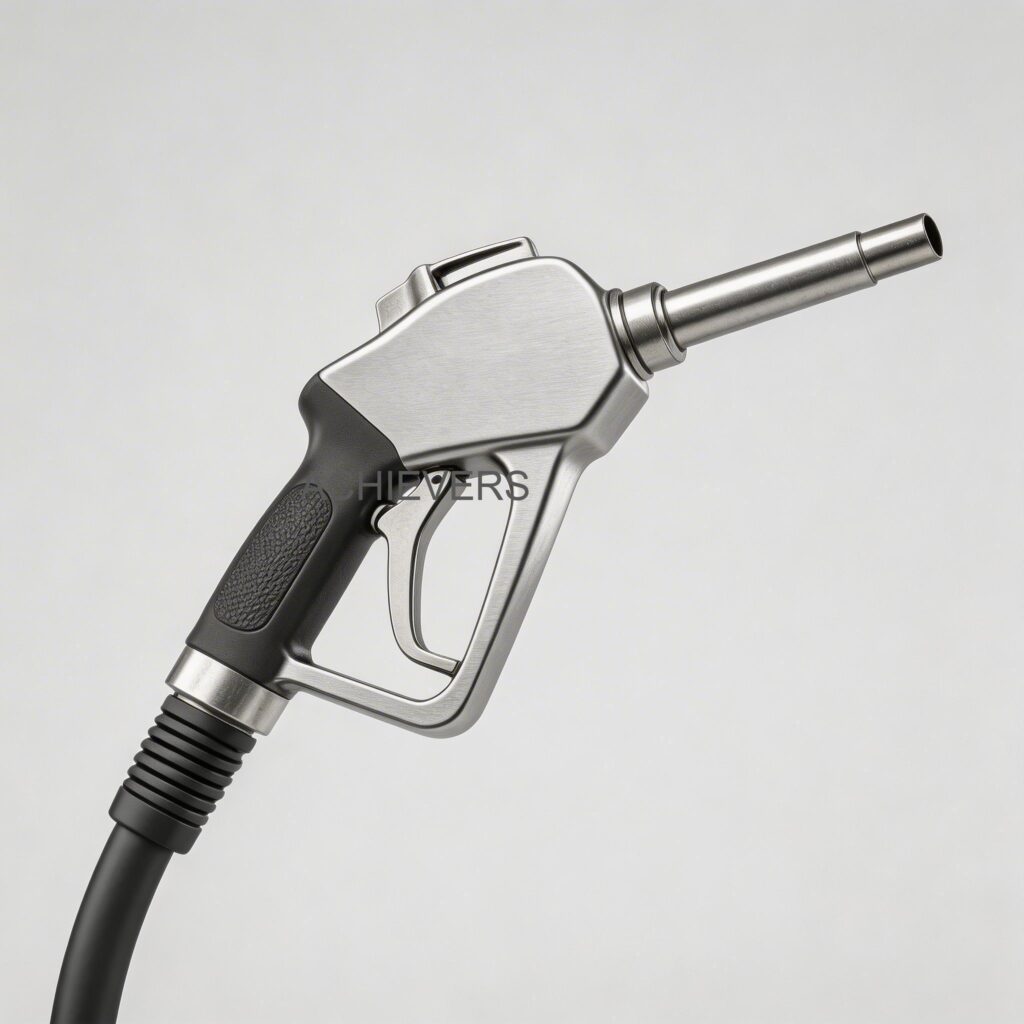
When outfitting an industrial fuel dispensing system, procurement heads and plant managers often face a critical choice: should you specify an automatic shut-off nozzle or stick with a traditional manual nozzle? While it might seem like a minor component, the nozzle you select directly impacts operator safety, fuel loss through spillage, and the overall efficiency of your dispensing operations. For engineering teams and facility managers evaluating equipment for heavy-duty applications—whether domestic manufacturing sites or export-oriented machinery skids—understanding the technical specifications of each option is vital.
The decision between an automatic shut-off Fuel Nozzle and a manual variant involves more than just upfront cost. It requires a deep dive into operating pressures, cycle life, hazardous area compatibility (such as ATEX and ISO standards), and fluid dynamics. This guide provides a highly detailed, technically accurate comparison to help industrial buyers make a confident, budget-conscious decision that aligns with both operational demands and international procurement specifications.
1. Overview of Fuel Nozzle Family
In any fluid transfer system, the nozzle acts as the final control valve before the fuel enters the receiving tank. Industrial operations across the globe—from chemical processing facilities to mining sites and power generation plants—rely on these components to safely dispense diesel, gasoline, and various ethanol blends.
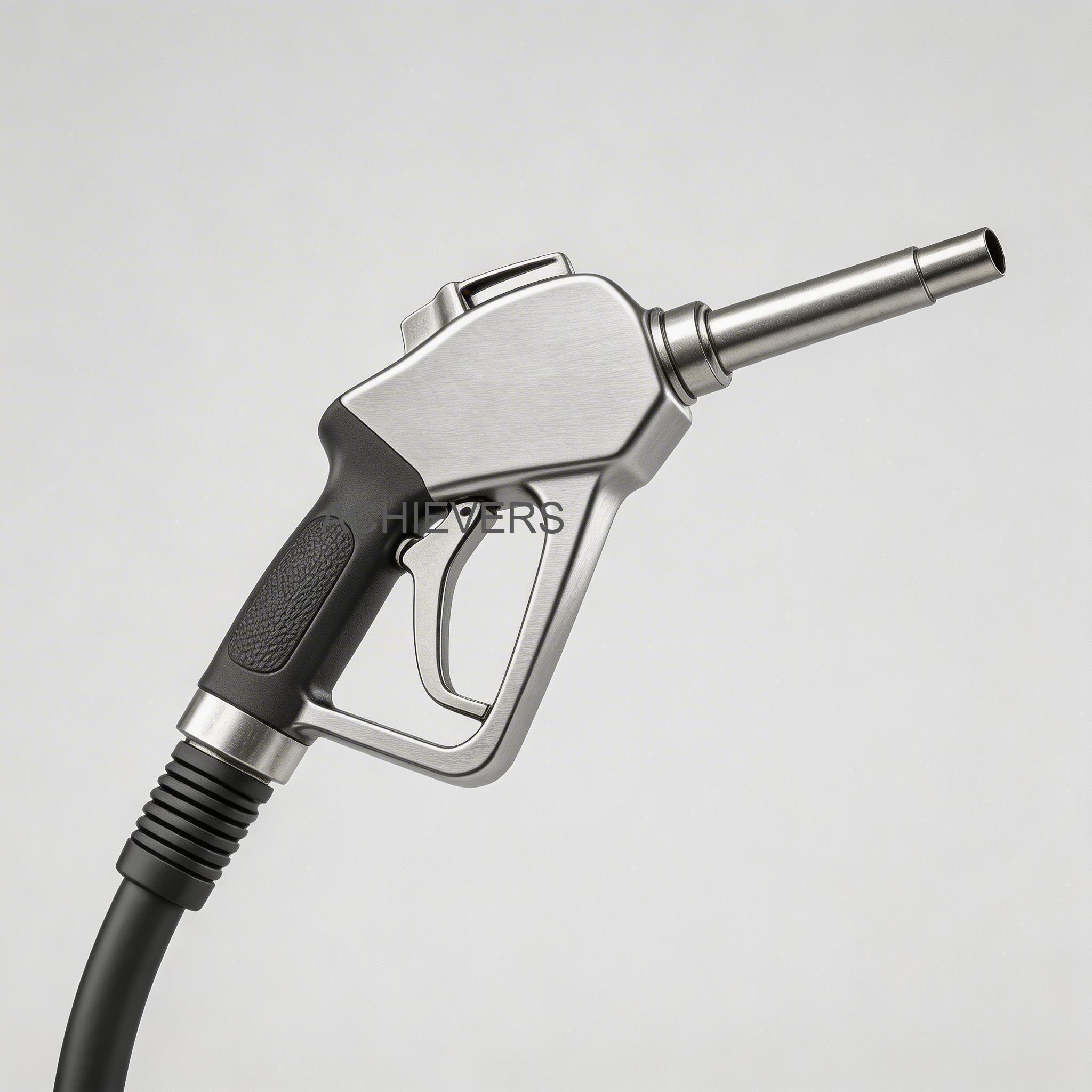
The primary difference in the nozzle family lies in the shut-off mechanism. A manual nozzle requires the operator to physically hold the lever open and manually release it to stop the flow, relying entirely on visual confirmation to prevent tank overfills. Conversely, an automatic shut-off Fuel Nozzle features a sophisticated internal venturi tube. As fuel fills the receiving tank and covers the spout tip, the change in air pressure triggers a mechanical diaphragm, instantly snapping the main valve shut to prevent spillage.
Modern automatic models built for industrial and export markets integrate advanced safety features. For example, Flowloc technology forces the nozzle to shut off if it falls out of a vehicle or is tipped up, severely limiting spillage in unsafe conditions. These units are rigorously cycle-tested, proven to withstand more than 1 million cycles—significantly outlasting standard market alternatives. With stainless steel spout tips that last four times longer than aluminum and durable Duratuff lever guards, these nozzles represent a shift towards long-term reliability.
In Simple Terms
Think of a manual nozzle like a standard garden hose tap—water flows as long as you hold it open, and if you look away, the bucket overflows. An automatic nozzle is like a smart tap; it "breathes" air through a tiny hole near the tip. Once the rising fuel blocks that hole, the nozzle "chokes," and a built-in spring instantly snaps the valve shut to stop the flow before a single drop spills.
Standard Operating Procedure: 6-Step Nozzle Installation and Inspection
For plant maintenance teams installing a new Fuel Nozzle to a commercial dispensing pump, follow these essential steps:
- Depressurize the System: Completely shut down the dispensing pump and relieve line pressure before removing the old nozzle.
- Inspect the Hose Thread: Verify that the hose threads are clean and undamaged. Apply a fuel-compatible thread sealant (do not use standard plumbing Teflon tape, as fuel dissolves it).
- Attach the Swivel Joint: Thread the nozzle onto the hose swivel securely. Use appropriately sized wrenches to avoid crushing the nozzle body.
- Test the Hold-Open Clip: Engage the one-finger hold-open clip (if applicable) to ensure the internal spring snaps back smoothly when manually released.
- Conduct a Pressure Test: Activate the pump and slowly build pressure up to the maximum rated 50 psi (3.45 bar). Inspect the swivel joint and spout base for micro-leaks.
- Perform a Wet Shut-Off Test: Dispense fuel into a test container. Submerge the spout tip in the fluid to confirm the automatic venturi shut-off engages instantly.
2. Head-to-Head Specification Comparison
To meet stringent international standards (UL, CE, API) and robust domestic manufacturing requirements, equipment specifications must be clear. The table below compares the technical parameters of the primary nozzle configurations based on current manufacturing data.
| Technical Specification | Option A: Manual Nozzle | Option B: Automatic Shut-Off Nozzle | Option C: Automatic Nozzle with Flow Meter |
| :— | :— | :— | :— |
| Primary Shut-off Mechanism | Operator-dependent (Manual release) | Internal venturi pressure diaphragm | Internal venturi pressure diaphragm |
| Maximum Working Pressure | 50 psi (3.45 bar) | 50 psi (3.45 bar) | 50 psi (3.45 bar) |
| Spout Tip Material | Standard Aluminum | Stainless Steel (4x longer lifespan) | Stainless Steel |
| Cycle Life Durability | Variable based on wear | Proven > 1,000,000 cycles | Proven > 1,000,000 cycles |
| Fluid Compatibility | Diesel, Oils, Kerosene | Gasoline, Diesel, up to 10% Ethanol blends | Gasoline, Diesel, up to 10% Ethanol blends |
| Safety Features | Basic flow control | Flowloc safety (tip/fall shut-off), jam-preventing lever guard | Flowloc safety, integrated digital volume tracking |
| Hand Insulator | Standard grip | 2-piece Newgard™ ergonomic insulator | 2-piece Newgard™ ergonomic insulator |
| Flow Control Technology | Direct lever pressure | Accu-stop to-the-penny flow control | Accu-stop flow control with active metering |
3. Application Comparison Table
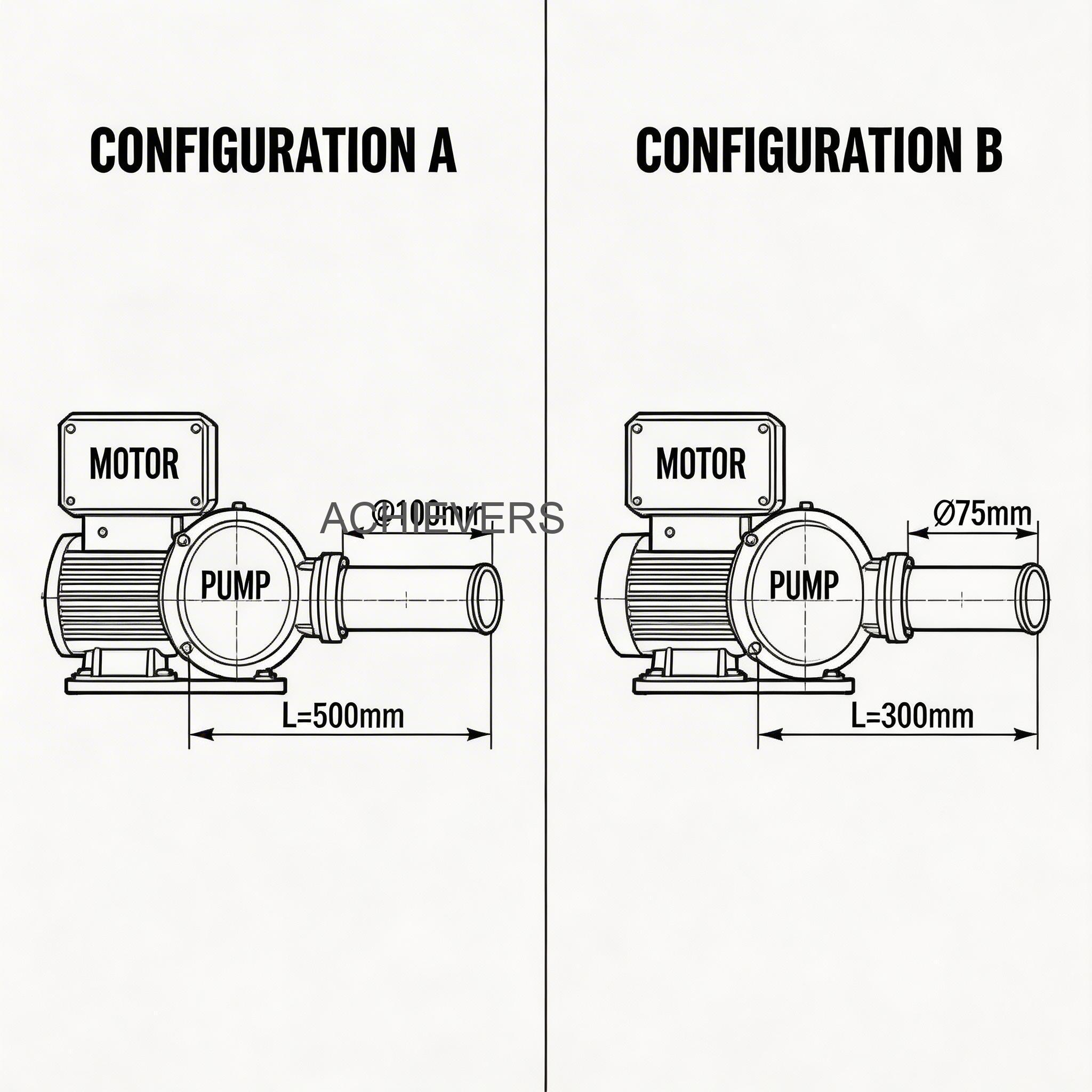
Different operational environments dictate different equipment. A specialized chemical plant in the GIDC estate dealing with corrosive fluids has vastly different requirements than a remote mining operation running high-volume diesel skids.
| Application Scenario | Recommended Option | Reason for Recommendation |
| :— | :— | :— |
| High-Volume Fleet Refueling | Automatic Shut-Off Nozzle | Allows operator to multitask while fueling; eliminates costly overflow spills during high-volume transfers. |
| Mobile Service Trucks & Bowsers | Automatic Nozzle with Flow Meter | Ensures precise dispensing measurement in remote locations where fixed pump meters are unavailable. |
| Viscous Oil Transfer | Manual Nozzle | Highly viscous fluids can interfere with the delicate venturi air path in automatic nozzles, making manual flow control more reliable. |
| Export Machinery Skids (CE/UL) | Automatic Shut-Off Nozzle | Meets rigorous international safety and spill-prevention standards required for global equipment procurement. |
| Hazardous Area (ATEX Zone) | Automatic Shut-Off Nozzle | Minimizes vapor displacement and prevents accidental spills of highly flammable gasoline or 10% ethanol blends. |
| Fixed Plant Diesel Dispensing | Automatic Nozzle with Flow Meter | Integrates easily into plant automation, allowing tight tracking of internal fuel consumption across different shifts. |
| Heavy Vibration / Off-Road Use | Automatic Shut-Off Nozzle | The Flowloc safety feature automatically halts fuel flow if the nozzle is jostled loose or falls out of the equipment tank. |
| Budget-Constrained Temporary Sites | Manual Nozzle | Provides a highly durable, low-maintenance solution with lower upfront procurement costs for short-term project setups. |
4. Total Cost Comparison
When evaluating procurement for an industrial facility, buyers must look beyond the initial invoice. Spilled diesel is expensive, environmental clean-ups are severely penalized, and equipment downtime halts production.
The "Make in India" initiative has heavily standardized the manufacturing of these fluid control components, particularly in industrial hubs like Ahmedabad, Gujarat. This local manufacturing strength keeps procurement costs highly competitive while meeting strict BIS (Bureau of Indian Standards) and global quality benchmarks.
Below is a breakdown of typical Indian market price ranges (excluding applicable 18% GST for industrial machinery), alongside their lifecycle implications.
| Option | Typical Market Purchase Range (INR) | Estimated Annual Maintenance Requirement | Expected Service Life | Best For |
| :— | :— | :— | :— | :— |
| Option A: Manual Nozzle | ₹1,500 – ₹3,200 | Low (Occasional spring check, seal inspection) | 3 – 5 Years | Basic bulk transfer, thick oils, tight capital budgets. |
| Option B: Automatic Nozzle | ₹3,800 – ₹7,500 | Medium (Venturi hole cleaning, swivel lubrication) | 1,000,000+ cycles | Standard industrial fueling, export-grade generator skids. |
| Option C: Automatic w/ Meter | ₹10,500 – ₹18,000 | Medium-High (Battery replacement, meter calibration) | > 5 Years (meter dependent) | Decentralized fleet tracking, remote mobile dispensing units. |
Note: Pricing is indicative of standard industrial specifications. High-flow variants or those manufactured with specialized chemical-resistant polymers for highly corrosive environments will sit at the higher end of the pricing spectrum. Always factor in 18% GST when calculating final landed costs for capital expenditure approvals.
5. Decision Guide: Which One for Your Plant?
Making the right decision requires matching the technical specifications of the nozzle to your exact operational conditions. Here are 8 specific decision scenarios to guide your procurement strategy.
- Scenario: Operator-Assisted Commercial Dispensing
- Recommendation: Automatic Shut-Off Nozzle.
- Reasoning: With the 2-piece Newgard™ hand insulator and the one-finger hold-open clip, operators experience less fatigue. The Accu-stop technology allows for to-the-penny flow control, ensuring precise dispensing without overshooting the required volume.
- Scenario: Heavy Earthmoving Equipment Refueling (Dusty/Vibration-Heavy)
- Recommendation: Automatic Shut-Off Nozzle with Flowloc.
- Reasoning: The heavy vibrations of mining or construction equipment can easily dislodge a nozzle. The Flowloc feature guarantees the main valve will snap shut if the nozzle falls out, preventing a catastrophic and expensive diesel spill on the ground.
- Scenario: Transferring Lubricating Oils
- Recommendation: Manual Nozzle.
- Reasoning: Thick, high-viscosity lubricating oils do not flow fast enough to create the required vacuum for an automatic venturi mechanism to work reliably. A sturdy manual nozzle with a direct-action lever is the most fail-safe choice.
- Scenario: Export-Oriented Diesel Generator Manufacturing
- Recommendation: Automatic Shut-Off Nozzle.
- Reasoning: Global buyers in Europe and North America expect CE and UL compliant safety mechanisms. Supplying your generator skids with a 1-million cycle tested automatic nozzle with a Duratuff lever guard ensures your product meets strict international safety audits.
- Scenario: Pumping Ethanol Blends (up to 10%)
- Recommendation: Automatic Shut-Off Nozzle (Stainless Steel Spout).
- Reasoning: Ethanol is highly corrosive to standard aluminum components. The stainless steel spout tip on premium automatic nozzles resists this corrosion, lasting up to four times longer and maintaining the integrity of the shut-off sensor.
- Scenario: Unmonitored / Gravity Feed Systems
- Recommendation: Manual Nozzle.
- Reasoning: Automatic nozzles require a minimum flow rate and pressure to generate the venturi vacuum. In low-pressure gravity-feed tanks (common in rural agricultural setups), the automatic mechanism may fail to trigger. Manual control is mandatory here.
- Scenario: Factory Floor Internal Fuel Tracking
- Recommendation: Automatic Nozzle paired with a Diesel Flow Meter.
- Reasoning: If you need to allocate fuel costs accurately to different plant departments (e.g., boiler room vs. forklift fleet), combining an automatic safety shut-off with digital metering ensures every liter is logged, preventing internal shrinkage and waste.
- Scenario: High-Pressure Pumping Stations
- Recommendation: Automatic Shut-Off Nozzle.
- Reasoning: Engineered to handle a maximum design working pressure of 50 psi (3.45 bar), these nozzles securely manage high-velocity fluid streams without internal seal blowout, ensuring safe operations even when coupled with heavy-duty transfer pumps.
FAQ
Q: Why does the automatic shut-off mechanism sometimes fail to trigger?
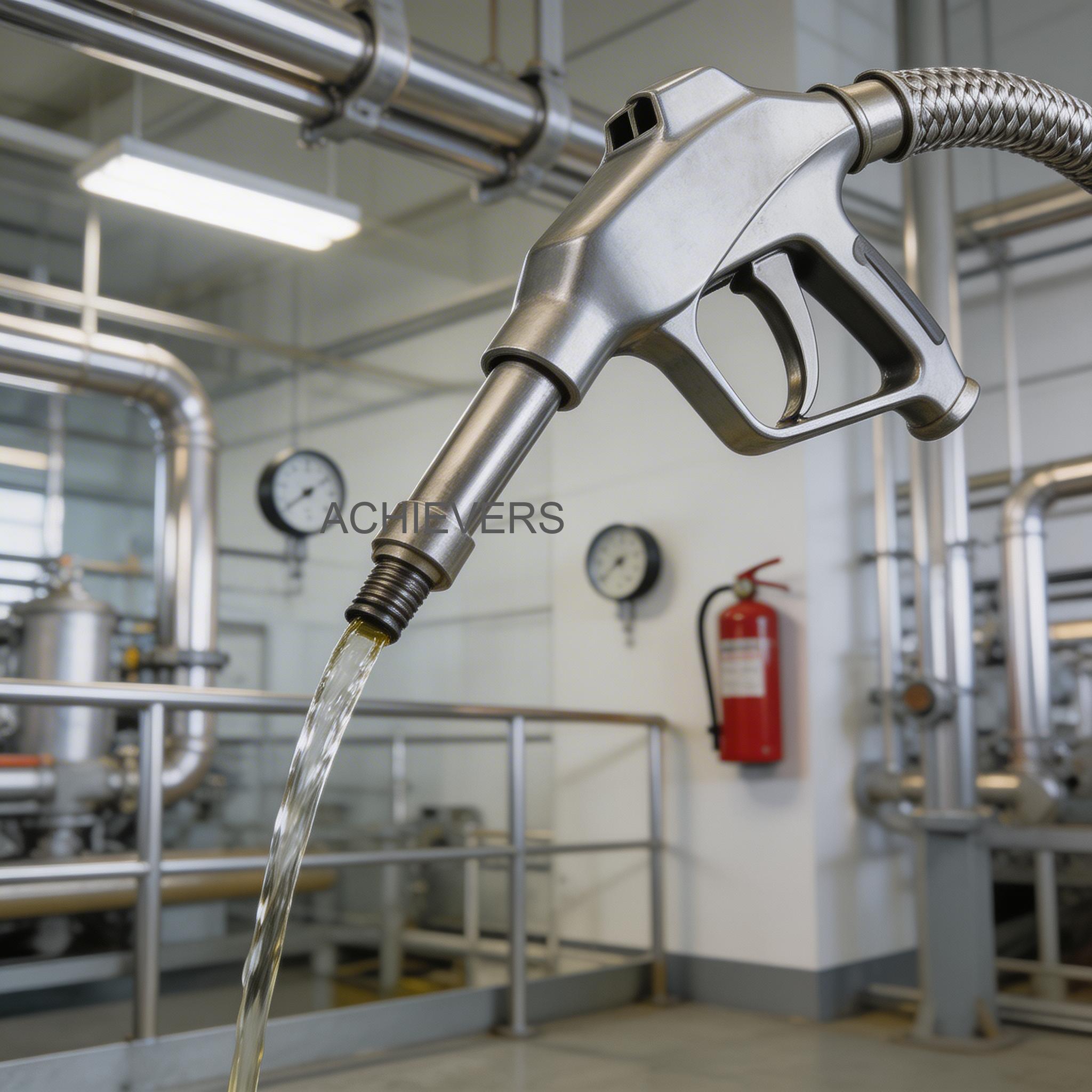
A: Failure usually occurs if the small venturi hole near the tip of the spout becomes clogged with dirt, rust, or debris. It can also fail if the dispensing pump pressure drops too low, as the mechanism requires a minimum flow velocity to create the necessary vacuum for the diaphragm to trip.
Q: Can I use the exact same nozzle for both diesel and gasoline?
A: While the internal components are chemically compatible with gasoline, diesel, and up to 10% ethanol blends, you should never swap a single nozzle between different fuel types. Cross-contamination can severely damage engine components. Always dedicate specific nozzles to specific fuel lines.
Q: What is the typical maintenance schedule for an industrial nozzle?
A: Industrial nozzles should undergo a weekly visual inspection for leaks at the swivel joint and damage to the Duratuff lever guard. The spout tip and venturi hole should be wiped clean of debris daily. Internal spring and hold-open clip functions should be tested monthly.
Q: How does the "Flowloc" safety feature actually work?
A: Flowloc is a gravity-sensitive mechanical safety lock built into the nozzle. If the nozzle tips upwards past horizontal, or if it falls from the vehicle's filler neck, an internal ball bearing shifts and forcefully disengages the hold-open clip, instantly snapping the main valve shut to stop flow.
Q: Does a manual nozzle dispense fuel faster than an automatic one?
A: Not necessarily. Flow rate is primarily determined by the dispensing pump's output, the internal diameter of the hose, and the design working pressure (up to 50 psi). Both automatic and manual nozzles of the same inlet size will offer comparable maximum flow rates.
Q: Are these nozzles compatible with Indian and international industrial standards?
A: Yes. High-quality models manufactured by reputable companies in Gujarat adhere to strict quality control measures suitable for domestic BIS requirements. Furthermore, their 1-million cycle durability and safety features make them fully compatible with international ISO, API, and ATEX specifications for export.
Q: Can an automatic nozzle be used on a mobile diesel dispenser?
A: Absolutely. In fact, it is highly recommended. The heavy vibrations and unpredictable environments of mobile dispensing make spills more likely. The automatic shut-off and Flowloc features provide critical safety layers when fueling machinery in the field.
Looking to upgrade your plant's fluid transfer efficiency or source export-grade dispensing components? Reach out to Lumen Instruments with your specific Fuel Nozzle requirements, including your target flow rates, fluid types, and site conditions, and our technical team will help you select the exact configuration to optimize your operations and budget.