
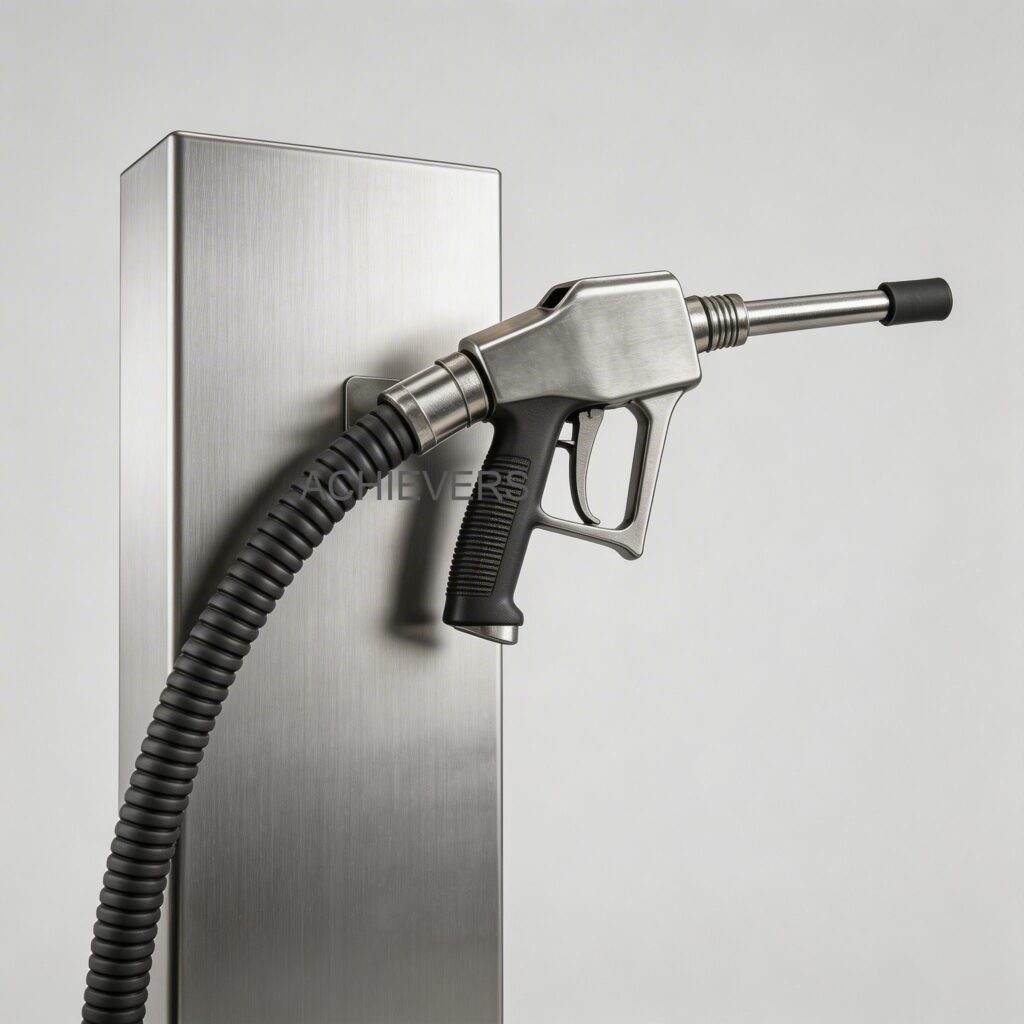
An unexpected breakdown in your site’s refuelling infrastructure doesn't just stop a single pump; it halts your excavators, delays your fleet, and silences your backup generators. For Indian plant managers and fleet operators managing continuous operations across manufacturing hubs like GIDC (Gujarat Industrial Development Corporation) or remote construction sites, fuel management is a critical operational pillar. While modern equipment is designed to be robust, the high dust levels, extreme summer heat, and variable diesel quality typical of Indian conditions mean that even the best systems require proactive care.
Investing in a Diesel Dispensing unit ensures accurate, low-volume "metered" deliveries of fuel directly into plant hardware, building sites, and generators. However, maintaining that ±0.30% accuracy and preventing sudden pump failure requires a disciplined approach. Reactive maintenance—fixing things only when they break—often results in expensive downtime, wasted diesel through leaks, and inaccurate billing. This comprehensive guide provides a practical preventive maintenance schedule specifically tailored for 60 LPM (Litres Per Minute) dispensing systems operating in harsh Indian environments.
1. Product Overview and Critical Wear Components
A standard 60 LPM Diesel Dispensing unit from Lumen Instruments is an independent, demountable system comprising a pump, high-accuracy flow meter, control processor, hose reel, and an automatic shutoff nozzle. These systems are incredibly versatile, capable of running on AC220V/AC380V for static site installations, or DC12V/DC24V when mounted on the back of a pickup truck for mobile field deliveries.
To maintain equipment effectively, your maintenance team must first understand its core technical specifications and the components most susceptible to wear and tear.
Key Technical Specifications of Lumen 60 LPM Units:
| Specification | Technical Details | Maintenance Implication |
| — | — | — |
| Flow Range | 20-80 L/min (Standardized at 60 LPM) | Significant drop below 60 LPM usually indicates clogged filters or failing pump vanes. |
| Accuracy | Max error < ±0.30%, Repeatability < 0.15% | Requires clean fuel; particulate buildup throws off the meter calibration. |
| Working Pressure | ≤0.3 MPa | Leaks will develop at joints if bypass valves jam and pressure spikes. |
| Environmental Limits | Humidity: ≤95%, Temp: -30°C to +45°C | Indian monsoons and summer heat demand regular checks of electronic seals and wiring. |
| Memory Capacity | ≥128kB (Last 365 days daily, 12 months monthly) | Control board needs stable voltage to prevent data corruption. |
| Acoustic Noise | ≤80dB (A Class) | Increased mechanical noise is an early warning sign of bearing or vane wear. |
Critical Wear Components:
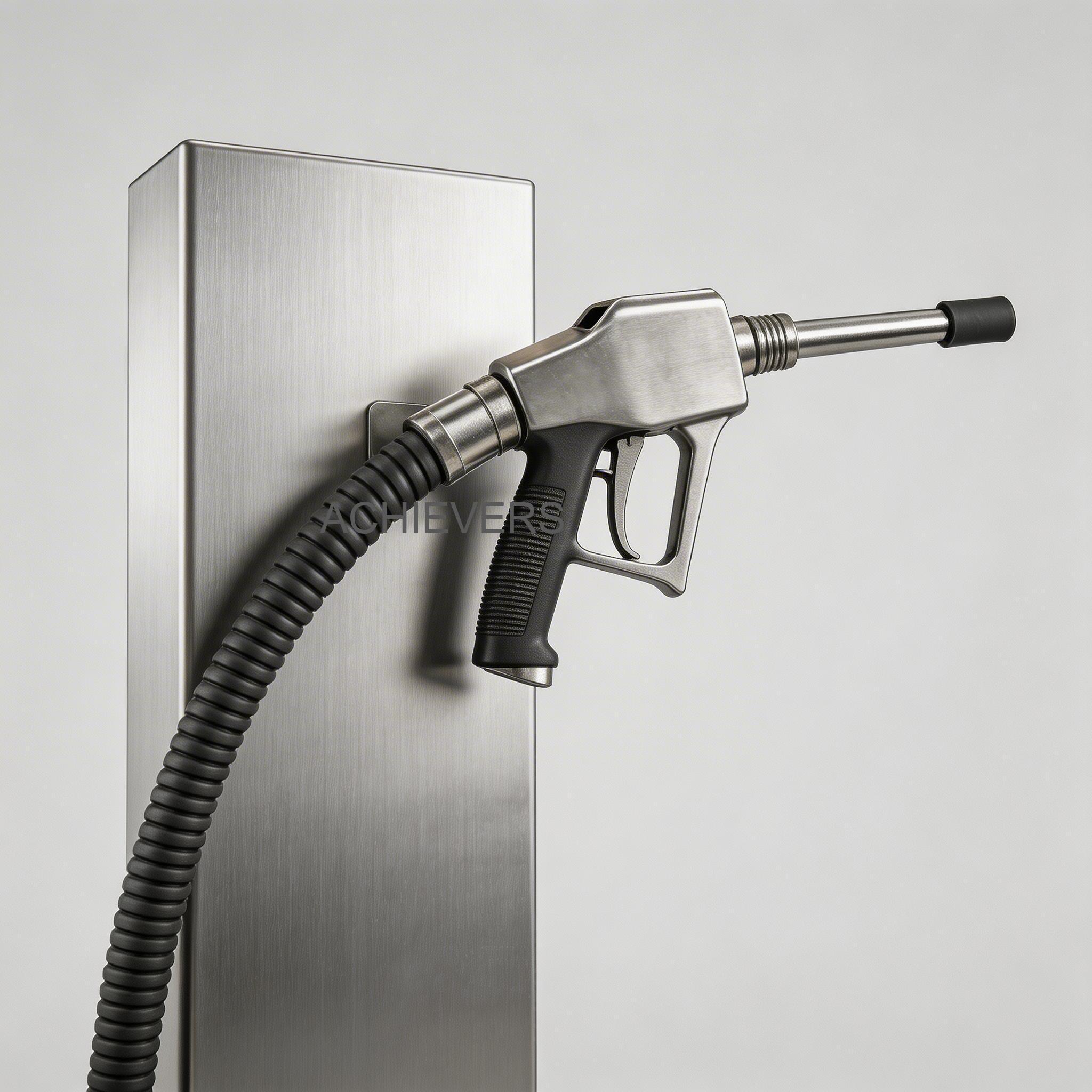
- Rotary Vanes / Pump Rotors: Suffer from friction wear, especially if run dry or if the diesel lacks lubricity.
- Inline Strainers and Filters: The first line of defence against contaminated Indian diesel. They clog rapidly in dusty environments.
- 4m Rubber Delivery Hose: Vulnerable to UV degradation, vehicle run-overs, and internal perishing over time.
- Automatic Shutoff Nozzle: The sensor port at the tip can get blocked by dirt, causing it to fail to shut off, leading to fuel spills.
- Flow Meter O-Rings and Seals: Can dry out or degrade, leading to microscopic leaks that introduce air into the system and ruin accuracy.
2. Preventive Maintenance Schedule
A structured maintenance schedule is the difference between a system that lasts 10 years and one that fails in 10 months. Assign these tasks to specific personnel (e.g., the site operator for daily checks, the mechanical technician for monthly checks).
| Task | Frequency | Responsible | Est. Time | Notes |
| — | — | — | — | — |
| Visual Inspection & Leak Check | Daily | Site Operator | 5 mins | Check beneath the pump cabinet, hose connections, and nozzle for any wet diesel spots. |
| Nozzle Tip & Sensor Wipe | Daily | Site Operator | 2 mins | Wipe off dirt/mud from the automatic shutoff sensor port to prevent overfilling. |
| Hose Reel & Hose Inspection | Weekly | Site Operator | 5 mins | Unwind the 4m rubber hose fully. Inspect for bulging, deep cracks, or cuts exposing the braid. |
| Strainer/Filter Cleaning | Weekly | Technician | 15 mins | Remove and wash the suction strainer. Essential in India due to high sediment in transported fuel. |
| Pump Noise Check | Weekly | Technician | 5 mins | Listen during operation. Any noise above the standard 80dB indicates possible cavitation or vane wear. |
| Electrical Terminal Check | Monthly | Electrician | 10 mins | Check for loose wires or corrosion on the control processor terminals. Tighten AC/DC connections. |
| Calibration Verification | Monthly | Metrology Tech | 20 mins | Dispense fuel into a certified 20L PESO-approved volumetric measure to verify the ±0.30% accuracy. |
| Printer Maintenance | Monthly | Site Admin | 5 mins | Clean the thermal receipt printer head and restock approved printer paper rolls. |
| Bypass Valve Inspection | Quarterly | Technician | 30 mins | Ensure the pump's internal bypass valve moves freely. A stuck valve will burst seals when the nozzle is closed. |
| Comprehensive Overhaul | Annually | Lumen Service | 4 Hours | Replace all internal O-rings, check meter gears, replace pump vanes if worn, update memory board firmware. |
3. Step-by-Step Procedures for Key Tasks
For industrial engineers and maintenance teams, having a standardized Standard Operating Procedure (SOP) prevents errors during routine servicing.
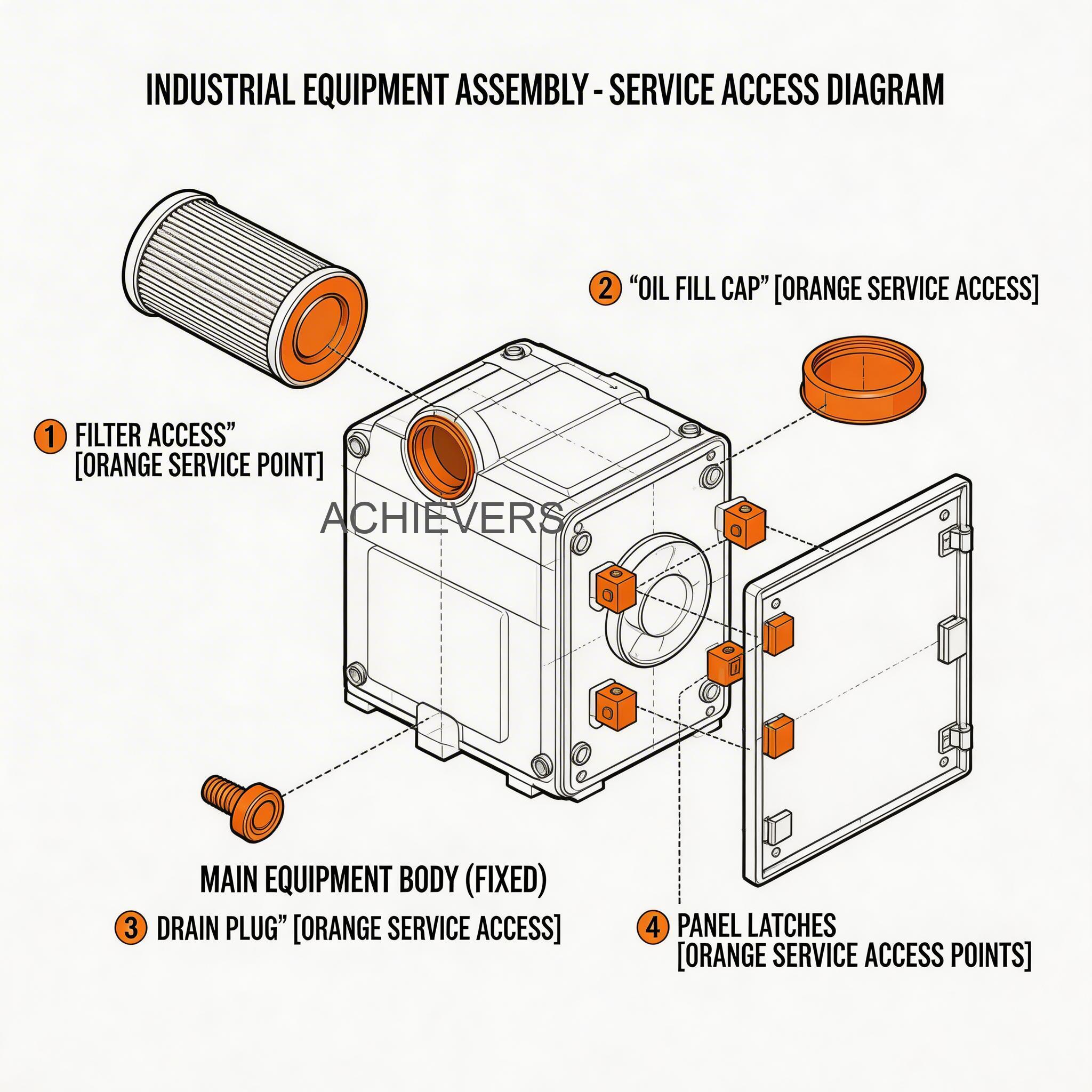
Procedure 1: Cleaning the Inline Strainer and Suction Filter
Indian diesel, especially when stored in mild steel tanks on construction sites, accumulates rust, sludge, and water. The inline strainer protects your Diesel Dispensing flow meter from this debris.
- Isolate Power: Turn off the main electrical supply to the dispenser (AC220V/380V or disconnect DC battery terminals) and apply a Lockout/Tagout (LOTO) tag.
- Relieve Pressure: Squeeze the Fuel Nozzle trigger over a safe container to release any residual pressure in the 4m rubber hose.
- Locate the Strainer Housing: Find the strainer cap, usually located on the suction side of the pump before the flow meter block.
- Place a Catch Pan: Put a small tray under the housing to catch the 100-200ml of diesel that will spill when the cap is opened.
- Remove the Cap: Using the appropriate wrench, carefully unscrew the strainer housing cap. Inspect the O-ring on the cap for flattening or tears.
- Extract the Mesh Filter: Pull out the stainless-steel wire mesh strainer.
- Clean the Mesh: Wash the strainer in clean solvent or fresh diesel. Use a soft nylon brush to dislodge rust flakes and mud. Never use a wire brush, as it will alter the mesh size.
- Reinstall and Prime: Insert the clean strainer back into the housing, ensure the O-ring is seated correctly (apply a drop of clean oil to it), and tighten the cap securely. Turn on the power and run the pump to check for leaks.
Procedure 2: Calibrating the Meter and Servicing the Auto-Shutoff Nozzle
To adhere to internal audits and prevent fuel loss, the meter's accuracy (max error < ±0.30%) and the nozzle's shutoff reliability must be verified.
- Prepare the Volumetric Measure: Obtain a PESO (Petroleum and Explosives Safety Organisation) certified 20-litre or 50-litre calibration conical measure. Place it on a flat, level surface.
- Inspect Nozzle Spout: Examine the 1" dispensing spout. Ensure the small vacuum sensing hole near the tip is completely free of dirt, grease, and debris. Use a pin to gently clear it if necessary.
- Purge the System: Dispense 5-10 litres of diesel back into the main storage tank to clear any trapped air from the hoses and meter block.
- Perform Test Delivery: Dispense exactly 20.00 Litres (as per the digital display) into the certified measure at the standard 60 L/min flow rate.
- Read the Meniscus: Allow the foam to settle for 2 minutes. Read the fuel level against the graduated scale on the neck of the measure.
- Calculate Error: If the display shows 20L but the actual volume is 19.8L, the meter is dispensing less than indicated.
- Adjust Calibration: Access the control processor's electronic calibration menu (via keypad pin code). Adjust the calibration factor as per the manufacturer's manual.
- Retest: Repeat the test delivery until the physical volume matches the digital volume within the ±0.30% tolerance limit. Record the daily data storage logs to confirm the test was saved in the 128kB memory.
4. On-Site Spare Parts to Stock
Supply chain delays can cripple your operations. For a system processing thousands of litres weekly, keeping inexpensive spare parts on hand is a smart, budget-conscious decision.
| Spare Part | Type | Recommended Qty | When to Replace |
| — | — | — | — |
| 1" Auto-Shutoff Nozzle | Consumable / Wear | 1 per dispenser | When shutoff fails or the spout gets bent from drops. |
| 4m x 25mm Rubber Hose | Consumable / Wear | 1 per site | When cracks expose the inner braid, or fittings leak. |
| Filter Mesh / Strainer Elements | Consumable | 2-3 per dispenser | If the mesh gets punctured or permanently clogged with rust. |
| Vane Kit (for Rotary Pumps) | Wear Component | 1 set | When pump flow rate drops significantly below 60 LPM despite clean filters. |
| Thermal Printer Paper Rolls | Consumable | 10 rolls | Keep stocked for daily/monthly receipt generation. |
| Complete O-Ring / Seal Kit | Maintenance Kit | 1 set | Required for annual overhauls or if weeping leaks appear at joints. |
5. Diagnosing Maintenance-Related Failures
Even with good preventive maintenance, unpredictable Indian site conditions can trigger faults. Here is how plant managers can diagnose issues before calling for external service.
| Failure Symptom | Most Likely Missed Maintenance Task | Corrective Action |
| — | — | — |
| Flow rate drops from 60 LPM to <30 LPM | Cleaning the inline suction strainer. | Isolate power, open strainer housing, and clean the mesh thoroughly. |
| Pump is extremely noisy / rattling (Over 80dB) | Checking for air leaks or restricted suction. | Check for cavitation. Ensure tank has fuel and suction line valves are fully open. |
| Digital display shows erratic or no numbers | Inspecting electrical terminals / voltage. | Electrician must check for a loose 220V/24V connection or blown internal fuse. |
| Diesel overflows the vehicle tank | Cleaning the nozzle vacuum sensor port. | Clean the mud out of the small hole at the tip of the auto-shutoff nozzle. |
| Pump runs but no fuel is dispensed | Checking bypass valve or pump prime. | Check if the internal bypass valve is stuck open due to debris. |
| Fuel weeping from the meter casing | Annual replacement of O-rings and seals. | Tighten casing bolts. If leak persists, replace the meter block O-rings. |

6. Extending Service Life in Indian Conditions
Operating industrial equipment in India requires acknowledging local realities. The Make in India initiative has promoted robust manufacturing standards, but environmental factors remain harsh.
Dealing with Power Fluctuations:
Industrial zones and rural construction sites frequently suffer from voltage dips and spikes. While Diesel Dispensing systems are designed to handle minor variations, installing a high-quality voltage stabilizer (for AC220V/380V models) will protect the dedicated control processor and preserve the ≥128kB memory capacity that stores your 365-day logs. For DC12V/24V Mobile Diesel Dispenser setups, ensure the vehicle battery and alternator are in good health to prevent low-voltage strain on the pump motor.
Combating Dust and Monsoon Humidity:
Airborne dust in mining and cement plants acts like grinding paste on pump bearings. Ensure the rugged stainless steel cabinet is kept closed and locked. During the Indian monsoon, humidity can reach 95%. While the electronics are sealed to handle this, condensation can form inside the fuel tanks, leading to water in your diesel. Water damages the high-accuracy flow meter by causing micro-corrosion. Implementing water-absorbing filters on your main storage tank is highly recommended.
Cost Context and Budgeting:
For budget-conscious Indian procurement heads, factoring in maintenance costs is essential. A typical Indian market price range for a complete metered 60 LPM setup runs from ₹45,000 to ₹1,20,000 (excluding 18% GST), depending on features like receipt printers and memory capacity. Spending roughly ₹3,000 to ₹5,000 annually on preventive maintenance (filters, O-rings, and calibration) is a marginal expense that protects a capital asset and prevents thousands of rupees in unrecorded fuel losses.
In Simple Terms
What does "Calibration" actually mean?
Over time, the internal gears inside the fuel meter wear down slightly due to friction. Because of this wear, the meter might spin a little faster or slower than it did when it was new. Calibration is simply the process of adjusting the digital computer so it knows exactly how much fuel equals "one spin" of the meter. If you don't calibrate regularly, the display might say you pumped 100 litres, but you actually gave away 102 litres—costing your business money every single day.
By strictly following this maintenance guide, plant managers ensure that their dispensers remain legally compliant with Legal Metrology Act standards, retain their high accuracy, and deliver reliable, noise-free operation year after year.
FAQ
Q: How often do I legally need to calibrate my diesel dispenser in India?
A: Under the Indian Legal Metrology Act, commercial fuel dispensers used for billing or trade must be stamped and calibrated annually by the local weights and measures department. For internal plant use, a bi-annual internal check is highly recommended to prevent inventory losses.
Q: Can I use the 60 LPM diesel pump for dispensing petrol or solvents?
A: No. These specific pumps and their internal seals are designed strictly for diesel, lubes, and non-corrosive oil fluids. Pumping highly flammable liquids like petrol requires specialized PESO-approved explosion-proof motors and different seal materials.
Q: My display is showing data, but the receipt printer has stopped working. What is wrong?
A: Usually, this is due to either the thermal paper running out, the printer head accumulating dust, or high monsoon humidity degrading the thermal paper roll. Clean the printer head with an alcohol wipe and insert a fresh, dry roll of paper.
Q: Why does the pump make a loud rattling noise when the tank is almost empty?
A: This noise is called cavitation. It happens when the pump starts sucking in air along with the diesel. You should immediately turn off the pump to prevent damage to the rotary vanes, as diesel acts as a lubricant for the pump internals.
Q: What is the maximum length of delivery hose I can attach to this system?
A: The system comes standard with a 4m x 25mm rubber hose. While you can extend it up to 8-10 meters for specific applications, doing so increases friction loss, which will reduce your output flow rate below the standard 60 LPM.
Q: How do I access the memory to see the last 12 months of monthly data?
A: The data can be accessed directly via the administrative keypad on the dispenser using a secure PIN code provided in your user manual. You can then view the data on the digital display or print it out via the integrated receipt printer.
Q: The automatic shutoff nozzle clicks off constantly even when the tank is empty. Why?
A: This occurs when the flow rate is too high for the tank's filler neck, causing fuel to splash back over the nozzle tip, or if the small vacuum sensor hole at the tip of the nozzle is clogged with mud. Clean the tip and ensure you are inserting the nozzle fully into the tank.
Ready to upgrade your fuel management infrastructure or need spare parts for your existing equipment? Contact Lumen Instruments today with your required flow capacity, application type, and site conditions, and our Ahmedabad-based engineering team will recommend the perfect high-accuracy dispensing solution tailored to your operational budget.