
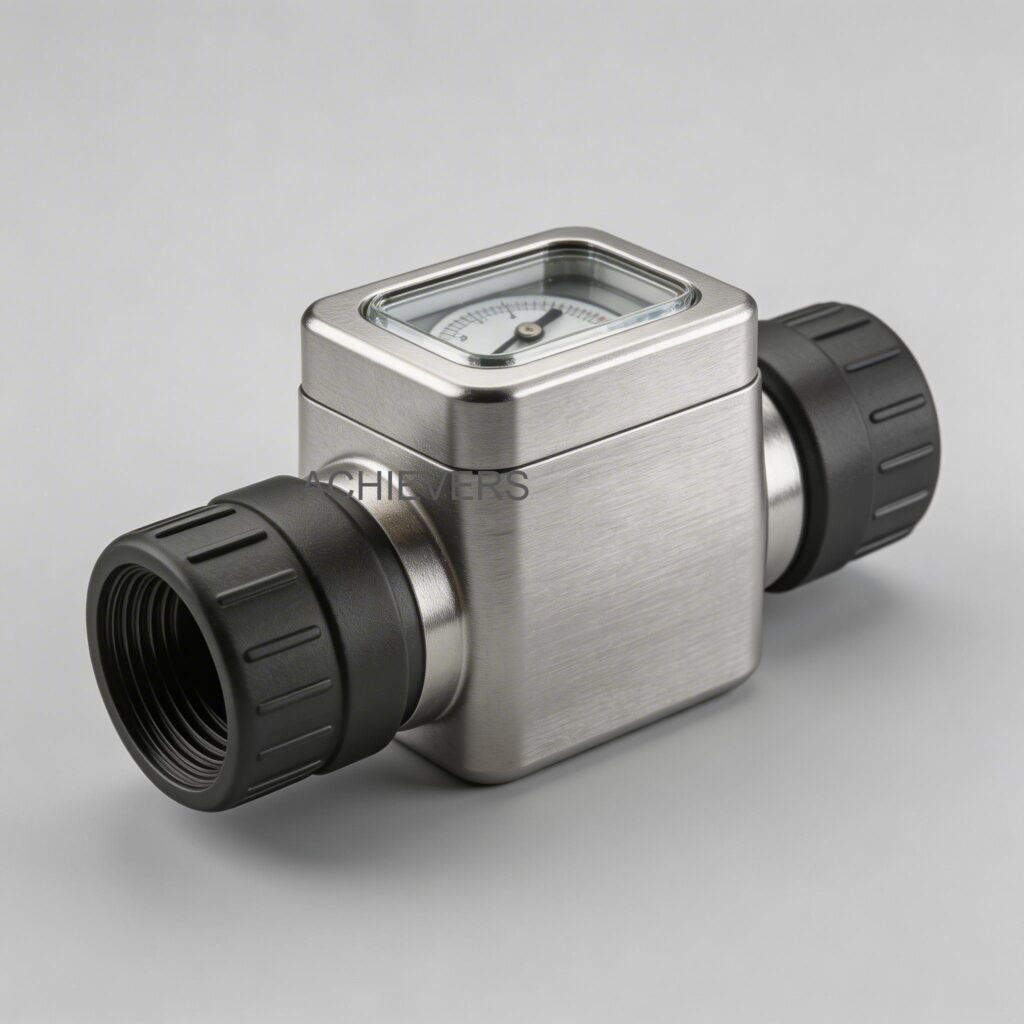
Managing fuel in mining and quarry operations is one of the toughest logistical challenges a plant manager faces. In these high-intensity environments, diesel is the lifeblood of operations, powering heavy earth-moving machinery (HEMM), crushers, generators, and transport fleets. However, it is also the largest variable operating expense and the most vulnerable to pilferage, inaccurate dispensing, and unaccounted losses. When relying on generic or substandard fuel measurement tools, businesses often face discrepancies of hundreds of liters per month—a direct hit to the company’s bottom line.
To solve this, operations require a robust, highly accurate Diesel Flow Meter engineered specifically for harsh, dusty, and high-vibration environments. Unlike basic water meters or cheap turbines that fail when exposed to variable fluid viscosities, a positive displacement oval gear meter guarantees exact volumetric measurement. By installing the right industrial measurement equipment, site managers can achieve total accountability for every drop of diesel issued, whether dispensing from a central storage tank or a mobile refueling bowser traversing rugged quarry terrain.
1. Industry Overview: The Fluid Challenge
The mining and quarrying sectors operate under extreme conditions that push standard equipment to its breaking point. Diesel handled at these remote sites is often subjected to high ambient temperatures, dust contamination, and rough handling. From the mineral belts of Odisha to the expansive stone quarries operating out of Gujarat's industrial zones (GIDC), site managers are tasked with refueling dump trucks, excavators, and loaders in the middle of active work zones.
The primary fluid challenges in these environments include:
- Variable Dispensing Pressures: Mobile bowsers rely on PTO-driven pumps or gravity-fed systems, leading to fluctuating flow rates.
- Contamination Risks: Airborne dust, moisture, and particulate matter can easily enter the fuel line in open-cast mines, requiring meters that do not easily jam.
- High Volume Throughput: Heavy machinery requires rapid refueling (up to 300 Liters Per Minute) to minimize downtime.
- Pilferage and Accountability: Without tamper-proof digital or mechanical registers, "shrinkage" during fuel transfer becomes a significant hidden cost.
An industrial diesel flow meter supplier must provide a solution that not only withstands these physical challenges but also meets stringent accuracy standards (such as an error margin of less than +/- 0.5%) to satisfy internal audits and regulatory compliance.
2. Product Capabilities Matched to Industry Needs
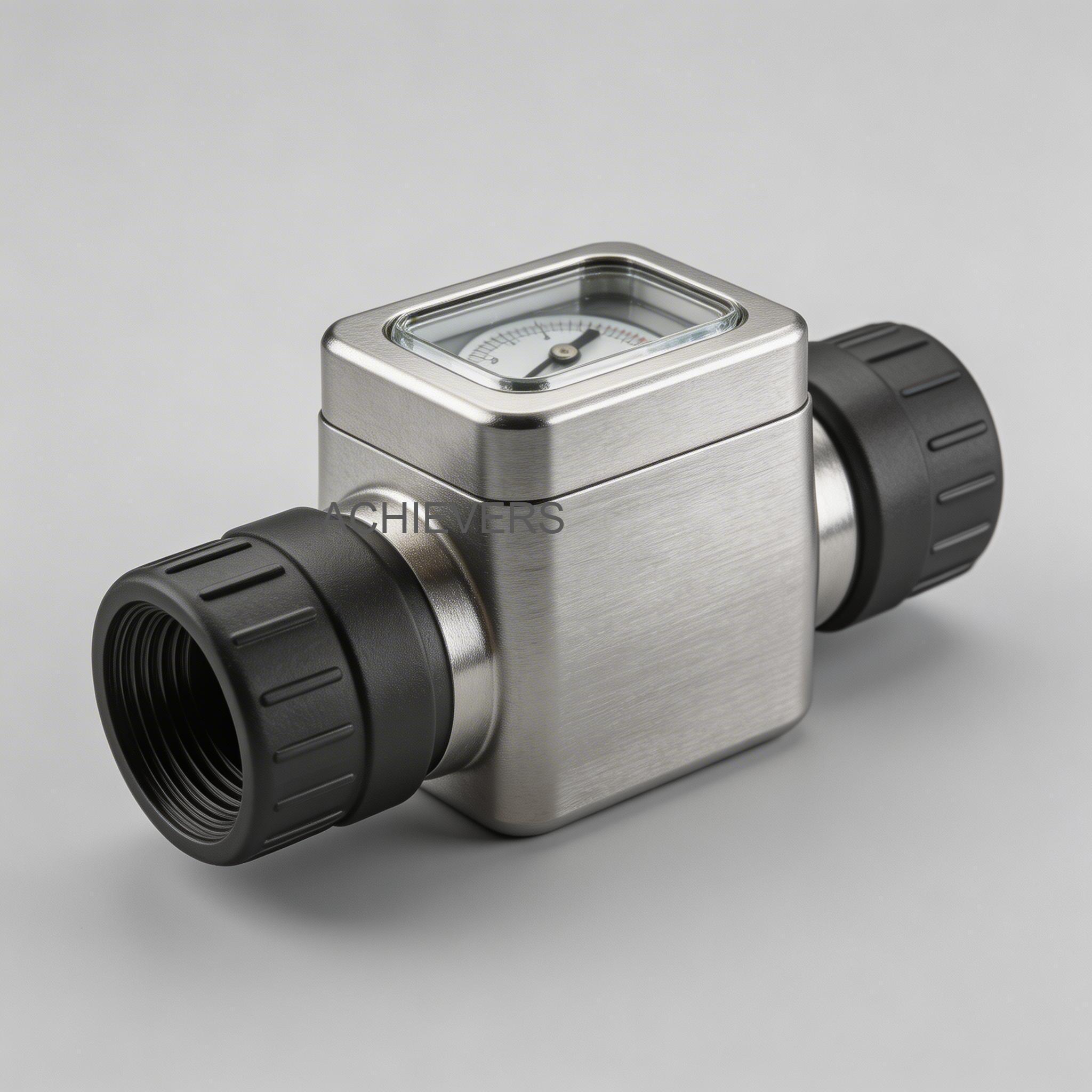
At Lumen Instruments, we manufacture positive displacement flow meters operating on the oval gear principle. This technology uses two elliptical gears that mesh together within a measuring room. As fluid pressure pushes against the gears, they rotate, trapping and releasing a precise volume of liquid with every rotation. This means the meter measures true volume, completely unaffected by changes in liquid viscosity or temperature.
In Simple Terms
Imagine a revolving door at a shopping mall. No matter how fast people walk, the door only lets a specific number of people through with every spin. Our oval gear meter works the exact same way with diesel. Because the gears only turn when a precise pocket of fuel passes through, you get 100% accurate billing and zero "phantom" readings, even if your pump pressure fluctuates.
To help you buy diesel flow meter for fuel issuing with confidence, here is exactly how our meter's specifications solve specific mining and quarrying challenges:
| Industry Requirement | Diesel Flow Meter Feature | How It Addresses the Need |
| :— | :— | :— |
| High Accuracy in Harsh Conditions | Oval Gear Positive Displacement | Delivers +/- 0.5% accuracy regardless of dust vibrations or fluid turbulence. |
| Consistent Repeatability | 0.03% Repeatability Rating | Ensures that 100 liters dispensed today reads exactly the same as 100 liters dispensed tomorrow. |
| Gravity & Pump Compatibility | Low Pressure Drop Design | Works perfectly whether fuel is gravity-fed from an overhead tank or pushed by a high-power pump. |
| High Flow Capacity | Handles 20 LPM to 300 LPM | Allows fast refueling of heavy mining trucks (using 2-inch models) to minimize machinery downtime. |
| Durability Under Pressure | Max Pressure of 1.8 to 3.4 MPA | Can withstand the high pressures of PTO-driven transfer pumps without leaking or bursting. |
| Viscosity Variance | Handles up to 1000 CPS | Easily measures diesel, kerosene, and MTO, even if temperature drops cause the fuel to thicken. |
| No Straight Pipe Requirement | Oval Gear Mechanics | Unlike turbine meters, it doesn't need long straight pipe runs before the meter, ideal for cramped mobile bowsers. |
| Tamper-Proof Tracking | Cumulative & Instantaneous Display | Provides a non-resettable totalizer alongside batch resetting, preventing unauthorized fuel siphoning. |
Technical Specifications Overview:
| Size | Min Flow | Max Flow | Accuracy | Repeatability | Max Viscosity | Max Pressure |
| :— | :— | :— | :— | :— | :— | :— |
| 1 Inch | 20 LPM | 120 LPM | +/-0.5% | 0.03% | 1000 CPS | 3.4 MPA |
| 1 1/2 Inch | 25 LPM | 250 LPM | +/-0.5% | 0.03% | 1000 CPS | 1.8 MPA |
| 2 Inch | 30 LPM | 300 LPM | +/-0.5% | 0.03% | 1000 CPS | 1.8 MPA |
3. Typical Installation Scenarios in This Industry
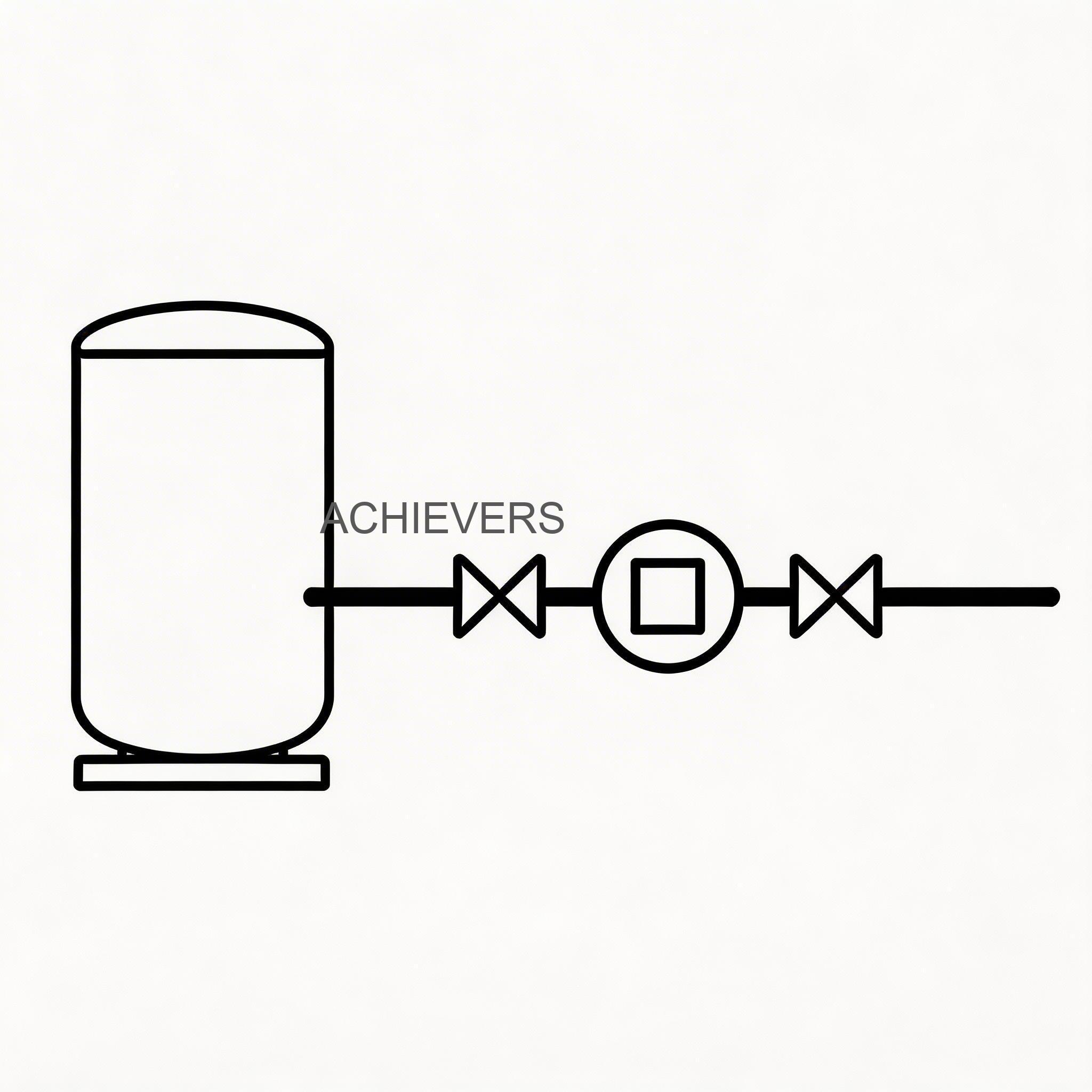
High accuracy diesel flow meter specifications are only as good as their installation. In the Indian mining and quarrying sectors, we typically see three primary deployment scenarios:
Scenario 1: Mobile Refueling Bowsers
Quarries often use tractor-pulled or truck-mounted fuel bowsers to reach excavators deep inside the pit.
- Setup: The meter is installed directly after the Mobile Diesel Dispenser pump and before the delivery hose reel.
- Configuration: A 1.5-inch or 2-inch mechanical meter is preferred here, as it requires no external electrical power, making it entirely safe and reliable for remote, battery-less operations.
- Key Settings: Integrating a Y-strainer before the meter is critical to catch rocks, rust, or heavy sludge often found in mobile tanks.
Scenario 2: Central Fuel Storage and Issuing Stations
For permanent crushing plants or mine-head camps, fuel is stored in large underground or above-ground bulk tanks.
- Setup: The Diesel Flow Meter is flanged into the main discharge line.
- Configuration: A 2-inch digital meter with a ticket printer is highly recommended. The ticket printer gives the truck driver a physical receipt of the dispensed volume, which is handed to the plant manager at the end of the shift for strict ledger reconciliation.
- Key Settings: Ensure the system is calibrated upon installation to account for the specific head pressure of the bulk storage tank.
Scenario 3: Direct DG Set Consumption Monitoring
Large-scale mining camps run on massive 500kVA to 1000kVA Diesel Generator (DG) sets.
- Setup: Meters are installed on the flow line feeding the day tank or directly to the engine injector rail, with a second meter on the return line if necessary.
- Configuration: A 1-inch digital meter is ideal here, as flow rates are lower (20 to 120 LPM).
- Key Settings: Using a digital display allows for potential integration into a central Building Automation System (BAS) or plant management software for real-time consumption tracking.
4. Compliance, Accuracy, and Certification Requirements
Procurement heads serving global and domestic markets must balance international engineering standards with local regulatory compliance.
From a global perspective, these meters align with ISO manufacturing standards and are built to withstand the demands of the API (American Petroleum Institute) guidelines for positive displacement metering. For environments dealing with highly volatile atmospheres, ATEX-compliant electrical enclosures can be utilized for digital variants.
Within the Indian context, businesses must align with the Make in India initiative, ensuring reliable local support and spare parts availability. Furthermore, fuel dispensing for commercial reconciliation falls under the purview of the Legal Metrology Act. While internal fleet refueling does not always require retail-grade weights and measures stamping, adhering to the BIS (Bureau of Indian Standards) guidelines for fluid handling ensures safety and fire prevention. By purchasing from a local manufacturer based in Ahmedabad, plant managers bypass import delays and customs duties, ensuring rapid deployment and straightforward GST input tax credit claims.
5. ROI and Operational Benefits
Investing in an industrial diesel flow meter for mining fleet refuelling is not an expense; it is a rapid ROI asset. At current local pricing, diesel theft or misallocation of just 50 liters a day can cost an operation upwards of ₹1.5 Lakhs annually.
Pricing Context: For budget-conscious procurement managers, the typical Indian market price range for a heavy-duty industrial oval gear meter falls between ₹18,000 to ₹45,000, plus an 18% GST bracket, depending on the line size (1" to 2") and whether you opt for a basic mechanical register or a digital unit with a built-in ticket printer. Since this is a capital expenditure, registered Indian businesses can easily claim the GST back, making the net cost highly economical.
| Benefit | Typical Improvement | Indian Industry Context |
| :— | :— | :— |
| Fuel Loss Prevention | 98% reduction in unaccounted fuel | Eliminates mid-transit siphoning common in remote GIDC sites and distant mining leases. |
| Inventory Accuracy | +/- 0.5% reconciliation margin | Aligns daily physical tank dips with digital ledger books, crucial for GST and tax audits. |
| Downtime Reduction | 100% mechanical uptime | Mechanical variants require no electricity, surviving the frequent power cuts in rural project sites. |
| Maintenance Savings | 5+ years operational lifespan | Robust aluminum/cast iron bodies withstand rough handling by semi-skilled labor. |
6. Selection Checklist for This Industry
To ensure you procure the exact model for your mining or quarry operation, follow this step-by-step technical checklist when ordering:
- Determine Your Required Pipe Size: Measure your existing plumbing. Choose between 1-inch, 1.5-inch, or 2-inch flanges/threads. Do not use reducers immediately before the meter, as this creates turbulent flow.
- Calculate Peak Flow Rate: Identify the maximum output of your pump. If your pump pushes 200 LPM, select the 1.5-inch (Max 250 LPM) or 2-inch (Max 300 LPM) model.
- Verify Fluid Viscosity: Ensure the fluid is under 1000 CPS. (Standard diesel, biodiesel, and kerosene easily pass this criteria).
- Check Operating Pressure: Confirm that your system pressure does not exceed the meter's rating (1.8 MPA for larger sizes, 3.4 MPA for 1-inch).
- Select the Register Type: Decide between a Mechanical display (best for outdoor, dusty, battery-less areas) or a Digital display (best for precise readings and automation integration).
- Assess Filtration Needs: Always install a primary strainer (usually 80 to 100 mesh) upstream of the meter. Oval gear meters will jam if large solid rocks or weld slag enter the measuring chamber.
- Match with Transfer Equipment: Ensure compatibility with your existing Fuel Transfer Pumps to avoid bottlenecking the system.
- Prepare Commercial Documentation: Specify your company details for seamless e-way bill generation and exact GST invoicing to claim your input tax credit seamlessly.
FAQ
Q: Can this flow meter measure fluids other than diesel?
A: Yes. While optimized for diesel, it accurately measures kerosene, petrol, and MTO (Mineral Turpentine Oil). However, it is strictly forbidden to use this meter for measuring corrosive chemicals or water.
Q: How often does the oval gear meter need to be calibrated?
A: Thanks to the positive displacement mechanism, calibration drift is incredibly minimal. Under standard industrial usage, we recommend verifying calibration once every 12 to 18 months, or after filtering out heavy sludge blockages.
Q: Does it require straight pipe runs before and after the meter?
A: No. Unlike turbine or ultrasonic meters, oval gear positive displacement meters do not require flow conditioning. You can install them right after a 90-degree elbow without losing accuracy, saving valuable space on mobile bowsers.
Q: What happens if thick sludge or a rock enters the flow meter?
A: Because the gears operate with tight tolerances, solid debris can jam the rotors. It is mandatory to install a suitable filter or Y-strainer directly upstream of the meter to protect the internal mechanism.
Q: Can I use the mechanical version in a remote area with no electricity?
A: Absolutely. The mechanical variant operates entirely on the kinetic energy of the flowing fluid. It requires zero electrical power, making it the perfect choice for deep mining pits and rural road construction sites.
Q: How does the price compare to cheaper turbine meters on the market?
A: While cheap turbine water-style meters may cost less initially, they cannot handle the viscosity changes of diesel and easily suffer from 5-10% inaccuracies. The typical Indian market price of an oval gear meter provides a return on investment within the first two months just by stopping 1% of fuel shrinkage.
Q: Does the meter reset to zero after every vehicle is filled?
A: The display features two counters: a resettable batch counter (so the driver knows exactly how much was put into a specific truck) and a non-resettable cumulative totalizer (for the plant manager to check the total volume issued over the lifetime of the meter).
Ready to eliminate fuel theft and bring total accuracy to your industrial refueling operations? Contact Lumen Instruments today with your required flow rate, pipe size, and site conditions, and our Ahmedabad-based engineering team will configure the perfect Diesel Flow Meter for your fleet.