
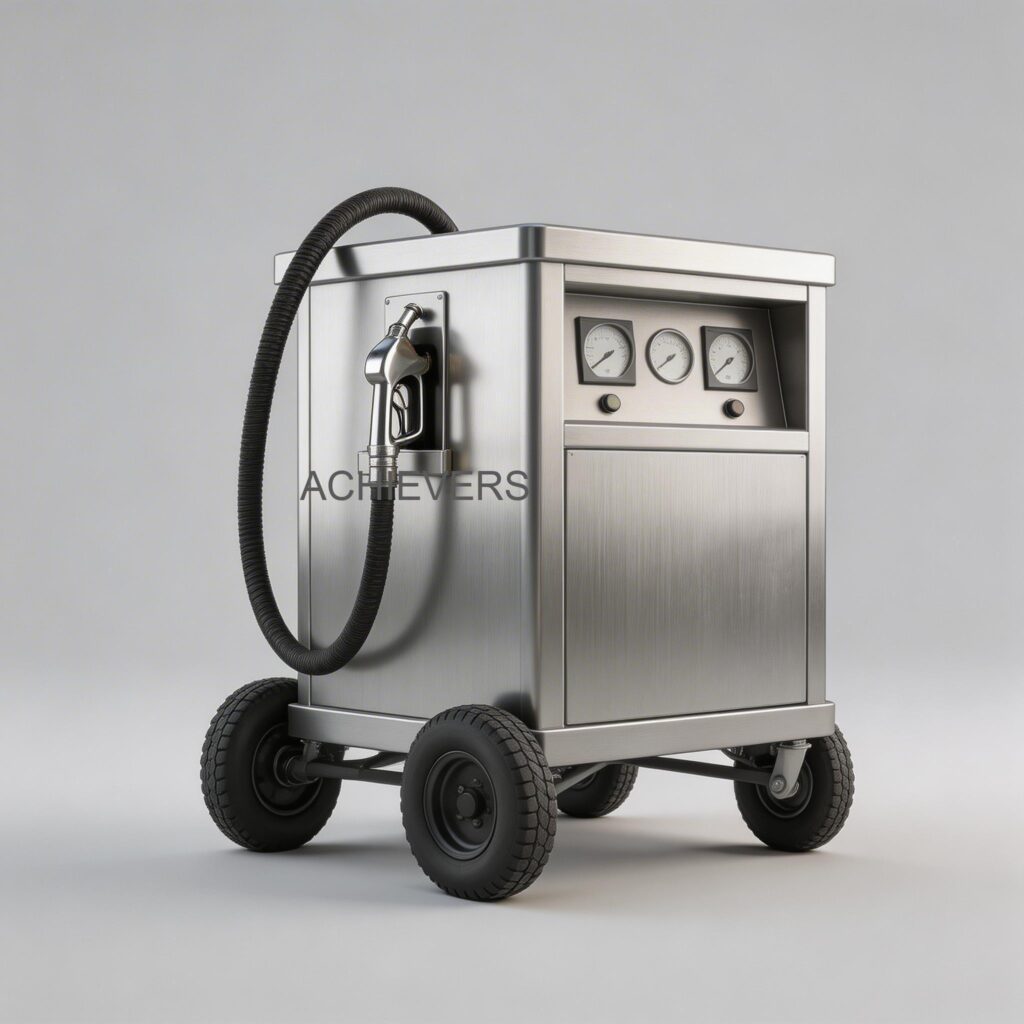
Managing fuel for an industrial fleet, construction site, or mining operation in India is an ongoing battle against pilferage, contamination, and inefficiency. For decades, Indian plant managers relied on the unsafe and messy practice of barrel refueling—dragging 210-litre drums across uneven terrain, leading to frequent spills and inaccurate fuel accountancy. Today, with diesel prices putting immense pressure on operational margins, keeping heavy equipment idle simply because a fuel truck is delayed is no longer economical. This is where the Mobile Diesel Dispenser comes in.
A mobile dispenser brings the fuel directly to your heavy machinery, excavators, or DG sets, whether they are located in a deep mining pit in Odisha or a remote highway project in Rajasthan. However, when procurement teams decide to upgrade their refueling infrastructure, they immediately face a critical technical choice: should they opt for a traditional mechanical flow meter or upgrade to an advanced digital meter? Welcome to our comprehensive Mobile Diesel Dispenser mechanical vs digital meter comparison.
This guide is written specifically for Indian industrial engineers, plant managers, and procurement heads. We will break down both technologies, focusing on accuracy, theft control, operational reliability under harsh Indian site conditions (extreme heat, monsoon humidity, and dust), and lifecycle costs. By the end of this technical review, you will know exactly how to choose the best Mobile Diesel Dispenser for construction site refuelling and fleet management, ensuring you make a confident, budget-conscious decision backed by genuine ROI.
In Simple Terms:
A Mechanical Meter works like an old-school water meter or the odometer on an older motorcycle. The flowing diesel physically turns internal gears, which rotate mechanical dials to show the volume dispensed. It is tough, requires no electricity, but is basic.
A Digital Meter uses electronic sensors to measure the fuel flow and displays the exact amount on an LCD or LED screen. It acts like a modern petrol pump, allowing you to preset fuel amounts (e.g., exactly 50 litres), print receipts, and track every drop with high accuracy (+/- 0.2%), though it requires a steady power source.
1. Overview of Mobile Diesel Dispenser Family
A Mobile Diesel Dispenser is a complete, compact fuel dispensing system designed to be mounted on small trucks, pickup beds, or trolleys. The core components include a DC or AC fuel pump (usually 12V DC or 24V DC to run off vehicle batteries), a flow meter to measure the volume, a delivery hose (often mounted on a retractable hose reel), and an automatic shut-off nozzle.
By transporting fuel directly from bulk storage to the exact place of consumption, these units eliminate the downtime associated with marching heavy equipment back to a central petrol pump. More importantly, they replace error-prone manual logging with precise measurement, helping you maintain accurate accountancy of fuel delivered to different contractors or vehicles.
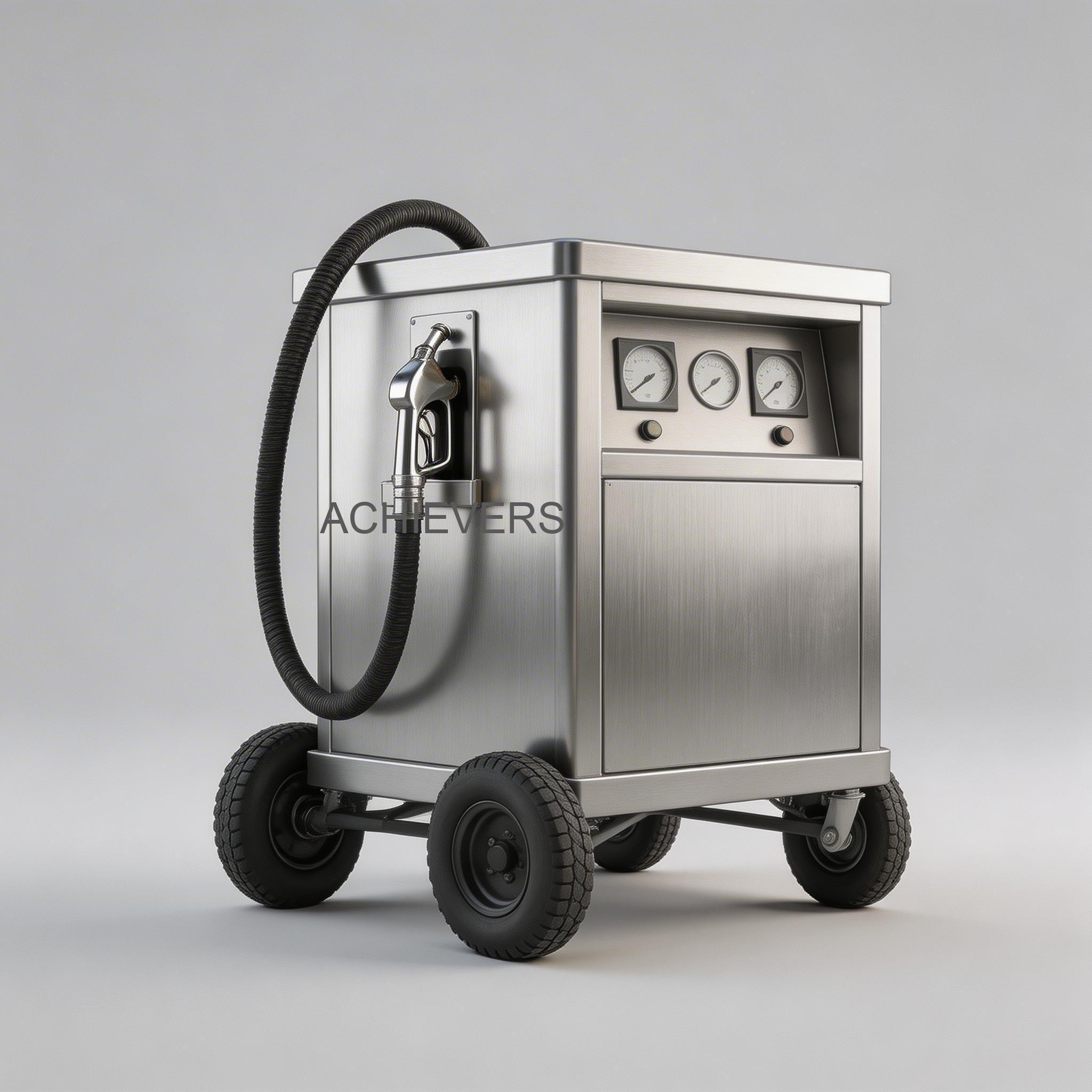
At Lumen Instruments, based out of Ahmedabad, Gujarat, we manufacture both mechanical and digital variants tailored for the Indian industrial ecosystem. Our systems are engineered to withstand typical Indian challenges: severe voltage fluctuations, high ambient temperatures exceeding 45 degrees Celsius, and diesel that may contain particulate contamination.
Whether you choose mechanical or digital, a high-quality Mobile Diesel Dispenser acts as a robust gatekeeper for your fuel inventory. Let us dive into the specific differences between the two meter technologies.
2. Head-to-Head Specification Comparison
When reviewing Mobile Diesel Dispenser price and specifications India, it is crucial to look beyond the initial purchase cost. The core difference lies in how the fuel flow is measured and recorded. Mechanical meters typically utilize a nutating disc or oscillating piston mechanism, whereas digital meters often rely on high-precision oval gear technology coupled with electronic pulse transmitters.
Below is a detailed technical comparison of the mechanical and digital variants standard to the Indian market.
| Feature / Specification | Mechanical Meter Option | Digital Meter Option |
| :— | :— | :— |
| Measurement Technology | Nutating disc or oscillating piston | Oval gear with electronic pulse sensor |
| Volumetric Accuracy | +/- 1.0% to +/- 1.5% | +/- 0.2% to +/- 0.5% |
| Display Type | Analog mechanical wheels (resettable batch + totalizer) | High-contrast LCD/LED screen (batch + totalizer) |
| Power Requirement | None (driven by fluid flow pressure) | 12V DC, 24V DC, or 220V AC (requires stable power) |
| Preset Functionality | Not available | Yes (operator can preset volume or price) |
| Receipt Printer Output | Not available | Yes (integrated thermal receipt printing available) |
| Theft & Pilferage Control | Basic (relies on manual logbook entries) | Advanced (PIN protection, exact digital logs, printable receipts) |
| Durability in Environments | Extremely high (ideal for heavy dust, monsoon rains) | Moderate to High (requires weather-shielding for electronics) |
| Maintenance Profile | Simple mechanical servicing; prone to gradual gear wear | Low physical wear; vulnerable to electrical surges or screen damage |
| Viscosity Handling | Can handle slightly thicker, contaminated oils | Highly sensitive; requires high-quality upstream Y-strainer filters |
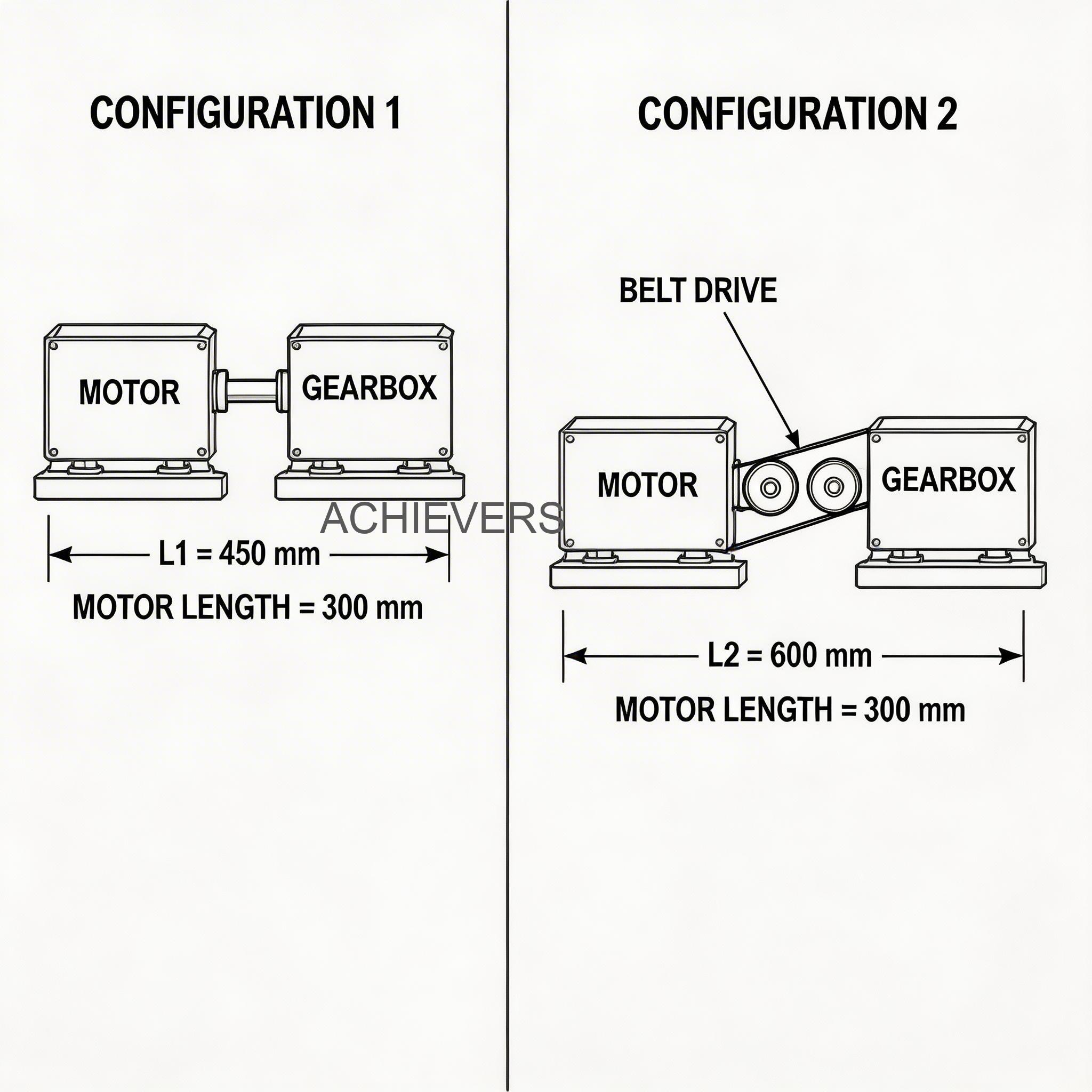
Note: For complete system integration, these dispensing units are often paired with heavy-duty Fuel Transfer Pumps to ensure consistent flow rates ranging from 40 LPM to 80 LPM, depending on whether you are filling light commercial vehicles or heavy earth-moving machinery.
3. Application Comparison Table
Indian industrial sectors vary wildly in their operational environments. What works perfectly inside a clean pharmaceutical plant in Baddi might fail miserably at an open-cast coal mine in Dhanbad. Choosing the right meter depends entirely on your site conditions, operator skill levels, and accounting requirements.
Here is an application matrix to help plant managers match the technology to their specific use case:
| Application Scenario | Recommended Option | Technical Reason |
| :— | :— | :— |
| Open-cast Mining & Stone Crushers | Mechanical Dispenser | Extremely high dust levels and heavy vibrations can damage sensitive electronics and LCD screens. Mechanical dials survive these impacts easily. |
| Corporate Logistics & Transport Fleets | Digital Dispenser | Accuracy is paramount. At +/- 0.2% accuracy, fleet managers can closely monitor mileage (KMPL) and prevent driver fuel theft. |
| Remote Highway/Bridge Construction | Mechanical Dispenser | Often lacks reliable power; basic DC setups with mechanical meters ensure continuous operation during heavy monsoons without short-circuit risks. |
| Contractor Equipment Refueling (GIDC areas) | Digital Dispenser (with Printer) | Allows exact fuel billing to sub-contractors. The printed receipt serves as a dispute-free record for GST and accounting purposes. |
| Food Processing & FMCG Facilities | Digital Dispenser | Clean environment where precise fuel measurement for backup DG sets is critical for ISO/audit compliance. |
| Agriculture & Tractor Refueling | Mechanical Dispenser | Low initial cost, highly robust against rough handling by unskilled operators, and easily repairable in rural Indian markets. |
| Hazardous/Explosive Zones (Petrochemical) | Mechanical Dispenser | Generates no electrical sparks. (Note: Always ensure overall system complies with PESO guidelines for hazardous areas). |
| High-Volume Diesel Dispensing Stations | Digital Dispenser | Preset functions prevent tank overflow during rapid 80+ LPM dispensing, freeing operators from constantly monitoring the nozzle. |
4. Total Cost Comparison
When planning a capital equipment purchase, Indian procurement teams must look at the Total Cost of Ownership (TCO), not just the upfront price. A common mistake is buying the cheapest dispenser, only to lose lakhs of rupees annually to inaccurate metering and undetected fuel pilferage.
Below is a breakdown of the typical Indian market price range. Note: Prices represent average high-quality industrial models (like those manufactured by Lumen Instruments) and are indicative base costs. The final GST-inclusive cost will depend on customisations such as hose reel length, nozzle type, and pump capacity.
| Dispenser Option | Purchase Range (INR) | GST Implication | Annual Maint. (Est.) | Expected Life | Best For |
| :— | :— | :— | :— | :— | :— |
| Basic Mechanical Dispenser (12V/24V) | ₹25,000 – ₹35,000 | 18% GST | ₹1,500 – ₹2,500 | 5 to 7 Years | Budget-conscious buyers, remote rural sites, harsh dusty environments. |
| Standard Digital Dispenser (12V/24V) | ₹40,000 – ₹55,000 | 18% GST | ₹2,500 – ₹4,000 | 6 to 8 Years | Medium enterprises needing better accuracy, DG set refueling, strict inventory tracking. |
| Digital Dispenser with Receipt Printer | ₹75,000 – ₹95,000 | 18% GST | ₹4,000 – ₹6,000 | 6 to 8 Years | Large fleets, construction sites billing sub-contractors, corporate fuel audits. |
| High-Flow Industrial Digital System | ₹90,000 – ₹1,20,000+ | 18% GST | ₹5,000+ | 8+ Years | Heavy earth-moving machinery, continuous duty cycles, integration with fuel management software. |
Important GST Note for Indian Businesses: If you are a registered business using this equipment for commercial operations (manufacturing, transport, construction), you can claim Input Tax Credit (ITC) on the 18% GST applied to the purchase of these capital goods. This significantly reduces your effective acquisition cost, making the upgrade to a digital system much more affordable.
5. Decision Guide: Which One for Your Plant?
Making the right choice requires evaluating your specific operational bottlenecks. If you are looking to buy Mobile Diesel Dispenser Ahmedabad manufacturer direct, consider this 8-step decision process. We recommend walking through these scenarios with your operations team before issuing a Purchase Order.
- Assess Your Primary Pain Point (Theft vs. Cost): If your biggest problem is fuel pilferage and discrepancies between stock and consumption, you must choose a Digital Meter. The +/- 0.2% accuracy and receipt printing make theft virtually impossible to hide. If your main concern is strictly the initial capital budget, a Mechanical Meter will serve the basic function of transferring fuel.
- Evaluate Operator Skill Levels: Mechanical meters are "point and shoot." You squeeze the nozzle, and the dial turns. Digital meters require operators who can read an LCD screen, punch in preset volumes on a keypad, and handle thermal paper rolls. If your site has high labor turnover with untrained operators, stick to Mechanical.
- Analyze Your Site Environment: Are you operating a stone crusher in Gujarat or a cement plant in Rajasthan where ambient dust is extreme? Fine particulate matter can occasionally damage unsealed electronic keypads. For these extreme dust zones, a Mechanical dispenser is superior. For cleaner areas like GIDC industrial estates, Digital is perfectly safe.
- Determine Billing Requirements: If you are a primary contractor supplying fuel to sub-contractors' excavators, a Digital Dispenser with a Receipt Printer is mandatory. Handing over a printed slip showing exact liters dispensed eliminates end-of-month billing disputes.
- Consider Power Quality and Availability: Mobile units typically run on 12V or 24V truck batteries. However, if your electrical system suffers from frequent short-circuits or poor alternator health, power surges can fry a digital meter's circuit board. Mechanical meters require zero electricity to measure flow, making them immune to voltage spikes.
- Calculate Fuel Contamination Risks: Indian diesel, especially when stored in old site tanks, often contains water and rust. While both systems require good inline filtration, mechanical nutating discs are slightly more forgiving of microscopic debris compared to the high-precision oval gears in digital meters, which can jam if a Y-strainer fails.
- Look at Legal Metrology and Audit Needs: If your facility is ISO certified or undergoes strict financial audits, digital records are heavily preferred. Digital meters maintain lifetime totalizer readings that are difficult to tamper with, ensuring compliance with internal corporate governance.
- Plan for Future Automation: If you eventually plan to integrate your refueling process with RFID tags or GPS-based fuel management software, you must start with a digital electronic pulse meter. Mechanical meters cannot be easily integrated into cloud-based tracking systems.
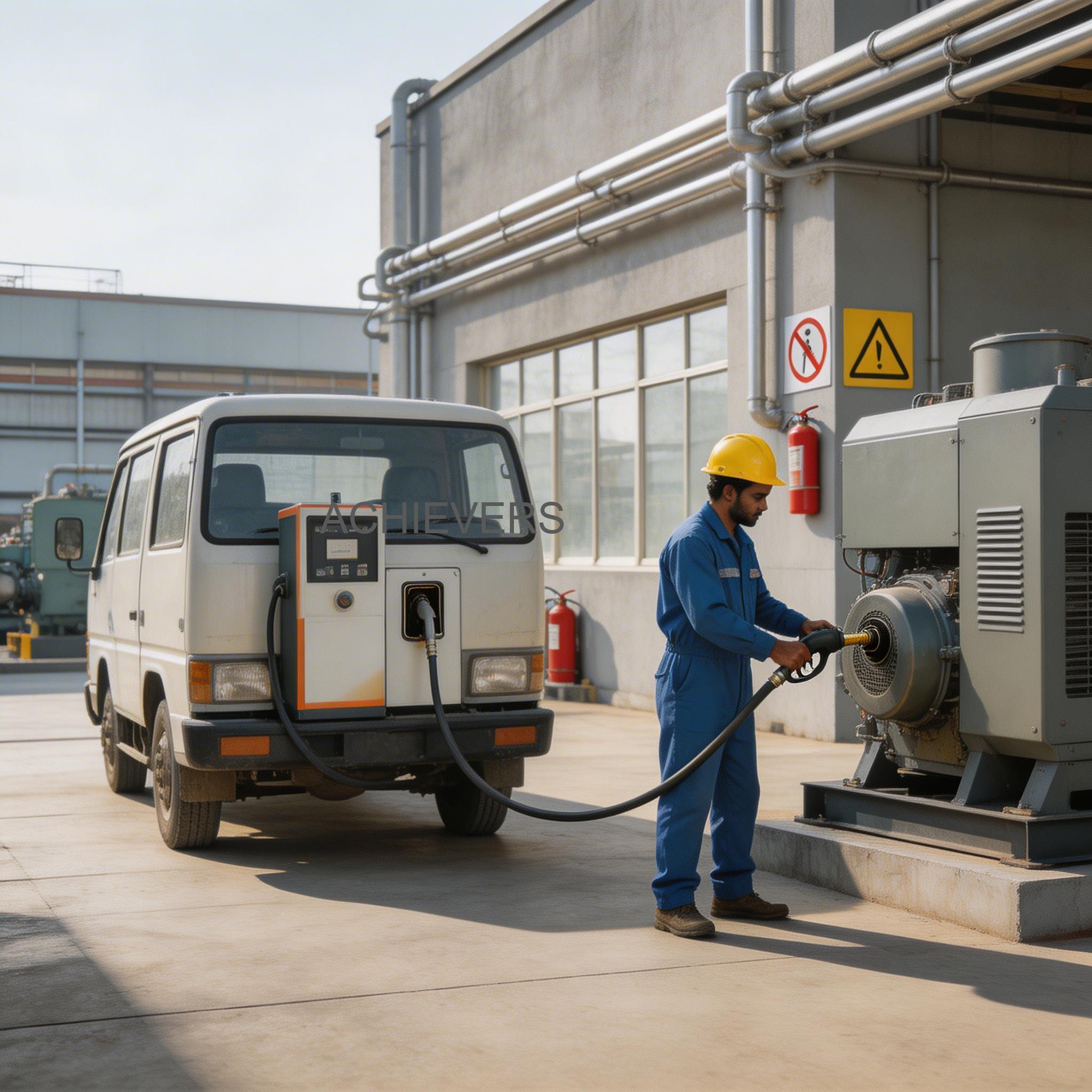
By following these eight steps, you ensure that the Diesel Dispensing equipment you purchase aligns perfectly with your site realities and business goals.
The "Make in India" Advantage
Procuring your dispensing equipment from a local manufacturer under the Make in India initiative offers distinct advantages for small and medium businesses. Imported units from Europe or China often look sleek but fall short when faced with Indian realities: hard water in the monsoon, contaminated fuel, and rough handling.
Local manufacturers like Lumen Instruments design equipment specifically for these conditions. Furthermore, spare parts—whether it is a replacement mechanical dial, a 12V DC pump motor, or a thermal printer head—are readily available from our Ahmedabad facility. You do not have to wait 45 days for an imported spare part while your ₹50 Lakh excavator sits idle without fuel.
FAQ
Q: Does a Mobile Diesel Dispenser require PESO approval in India?
A: Standard mobile dispensers used purely for internal fleet refueling on private industrial sites do not typically require a full PESO (Petroleum and Explosives Safety Organisation) retail license. However, the bulk storage tank supplying the fuel must comply with PESO regulations, and all equipment must meet standard industrial safety guidelines.
Q: Can I run a digital meter directly from my truck's 24V battery?
A: Yes. Mobile dispensers are explicitly designed for this. You can order a 12V DC or 24V DC configuration depending on whether you are mounting it on a light pickup truck (12V) or a heavy commercial vehicle (24V).
Q: How often do I need to calibrate the meter for accurate measurement?
A: For heavy industrial use, we recommend checking calibration every 6 to 12 months. Digital meters can be easily calibrated electronically via the keypad, whereas mechanical meters have a calibration screw to adjust the flow measurement accuracy.
Q: Will a digital dispenser survive the Indian monsoon?
A: High-quality digital dispensers come with weatherproof enclosures (IP54 or IP55 ratings). However, to ensure long-term reliability during heavy monsoons, it is highly recommended to install a small canopy or cover over the dispenser unit mounted on the truck.
Q: What happens if the display screen goes blank on a digital meter?
A: A blank screen usually indicates a loose battery connection or a blown safety fuse rather than a dead meter. Because they use non-volatile memory, your totalizer reading and batch data are saved; once power is restored, the numbers will reappear safely.
Q: Can the pump handle contaminated diesel often found at remote sites?
A: Both mechanical and digital dispensers come equipped with an inline Y-strainer or mesh filter to block large rust and dirt particles. However, you must clean this filter regularly; heavily contaminated fuel will eventually damage the internal gears of any flow meter.
Q: Are spare parts easily available for both models in Gujarat and beyond?
A: Yes. Because these units are manufactured in our Ahmedabad facility, all spare parts—from pump vanes and delivery hoses to digital circuit boards and mechanical registers—are stocked locally and can be dispatched across India immediately.
Ready to eliminate fuel theft and streamline your fleet refueling? Contact Lumen Instruments today to get a customized quote for your Mobile Diesel Dispenser. Please share your required flow rate, vehicle battery voltage (12V/24V), expected daily usage, and specific site conditions so our engineering team can recommend the perfect mechanical or digital configuration for your exact needs.