
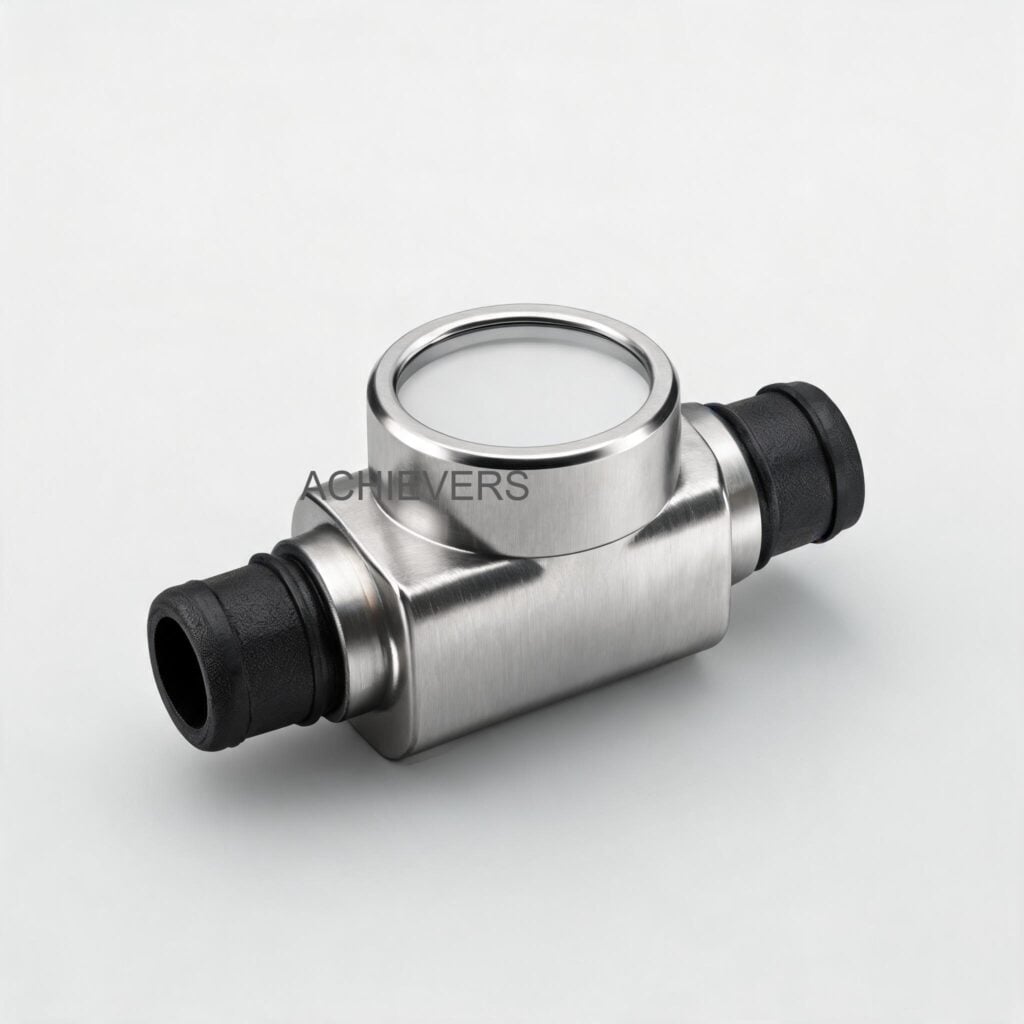
Managing fuel at a bustling Indian construction site is one of the most stressful challenges for any EPC (Engineering, Procurement, and Construction) contractor. With excavators, backhoe loaders, dump trucks, and heavy-duty DG sets running around the clock, diesel is practically the lifeblood of the site. However, it is also the most liquid asset—and the most frequently stolen. When thousands of liters of fuel are decanted from oil company tankers and distributed via mobile bowsers every single day, relying on dipsticks, rough estimates, or generic water meters for fuel accounting is a guaranteed recipe for financial leakage. Even a 5% daily pilferage rate on a highway project in Gujarat or a metro rail site in Mumbai can translate to lakhs of rupees in untracked losses every month.
Generic solutions consistently underperform in these harsh environments. Cheap turbine meters get jammed by the heavy dust and contaminated fuel common at Indian sites, while non-industrial flow meters cannot withstand the extreme heat or the aggressive pressure spikes from heavy-duty transfer pumps. To establish total control over on-site fuel issuing, eliminate theft, and accurately track the per-equipment cost of diesel, EPC contractors need a rugged, high-precision industrial instrument. Integrating a genuine, positive-displacement Diesel Flow Meter into your site’s fuel management architecture is the most reliable way to enforce accountability.
1. Industry Overview: The Fluid Challenge
Indian construction and mining sites present a unique set of operational hurdles. Whether you are executing a road project under the NHAI, developing a massive industrial park in a GIDC (Gujarat Industrial Development Corporation) estate, or operating an open-cast mine, the environmental and infrastructural conditions are brutal.
The fluid being handled—High-Speed Diesel (HSD)—is often subjected to extreme temperature variations, ranging from 45°C in the peak of the Indian summer to freezing temperatures in northern altitudes. This temperature fluctuation changes the volume and viscosity of the fuel. Furthermore, fuel delivered to remote sites often contains suspended particulate matter, moisture from monsoon humidity, or rust from older storage tanks.
Beyond the environmental factors, the operational challenge lies in the sheer volume of fuel transferred and the lack of reliable grid power. Refueling a massive 30-ton excavator takes time, and site managers demand high-speed dispensing to minimize machine downtime. At the same time, site accountants require exact batch totals to reconcile the fuel delivered by BPCL, HPCL, or IOCL against the fuel actually consumed by the machinery. If the numbers do not match, the contractor absorbs the loss.
Using a highly accurate Diesel Flow Meter specifically designed for these high-volume, high-dust, and vibration-heavy environments is non-negotiable. The Legal Metrology Act in India mandates strict accuracy for commercial fuel transactions, and while on-site dispensing is often for internal accounting rather than retail sale, maintaining retail-level accuracy (+/- 0.5%) is the only way to audit consumption properly.
2. Product Capabilities Matched to Industry Needs
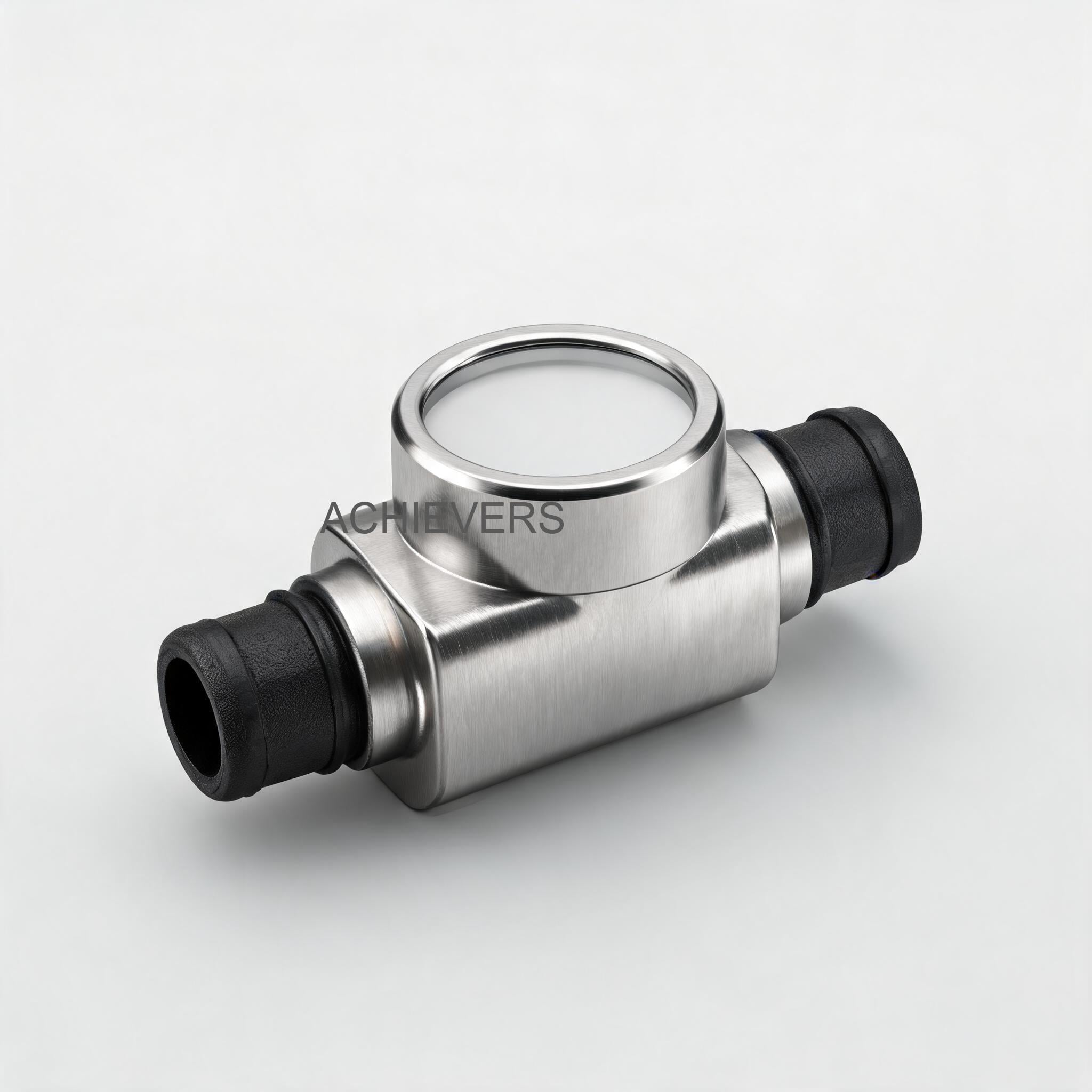
To effectively act as a cash register for your liquid assets, the measurement device must be engineered around the positive displacement principle. The Diesel Flow Meter incorporates an oval rotor (oval gear) design. In this mechanism, the measuring chamber is filled and emptied by two precisely machined elliptical gears driven purely by the pressure of the incoming fluid.
Because it measures a fixed volume of fluid with every rotation, changes in fluid viscosity or minor upstream flow disruptions do not affect its accuracy. This makes it an exceptionally reliable and highly accurate method of measuring flow, providing exceptional repeatability (0.03%) and accuracy (+/- 0.5%).
Here is a detailed look at how the specific technical capabilities of this instrument map directly to the demanding requirements of Indian EPC and construction sites:
| Industry Requirement | Diesel Flow Meter Feature | How It Addresses the Need |
| :— | :— | :— |
| High-Speed Refueling | Max flow rates of 120 LPM (1"), 250 LPM (1.5"), and 300 LPM (2"). | Allows rapid filling of 500-liter earthmover tanks, reducing machinery idle time and operator waiting time. |
| Gravity-Fed Day Tanks | Low-pressure drop design. | Perfectly suited for gravity applications where diesel is dispensed from elevated storage tanks without a pump. |
| Contaminated / Thick Fluids | Handles maximum viscosity up to 1000 CPS. | Easily manages thickened diesel in winter or localized biodiesel blends without jamming or losing accuracy. |
| Erratic Power Supply | Available in both Digital and Mechanical display variants. | The mechanical register option provides continuous, fail-safe measurement even during total site blackouts or DG failures. |
| High-Pressure Pumping | Max pressure ratings of 3.4 MPA (for 1" size) and 1.8 MPA (for 1.5" and 2"). | Safely withstands the high surge pressures generated by industrial diesel transfer pumps during bulk unloading. |
| Vibration & Shock Resistance | Heavy-duty Cast construction (flange type available). | Survives the intense vibrations of being mounted on mobile fuel bowsers driving over unpaved construction roads. |
| Theft & Pilferage Control | Positive displacement accuracy of +/- 0.5% and 0.03% repeatability. | Ensures every single liter is counted. Operators cannot bypass the meter by trickling the flow or manipulating line pressure. |
| Audit & Record Keeping | Compatible with Ticket Printers (Print Flow Meter). | Generates immediate, tamper-proof physical receipts for excavator operators, creating a clear paper trail for site accountants. |
3. Typical Installation Scenarios in This Industry
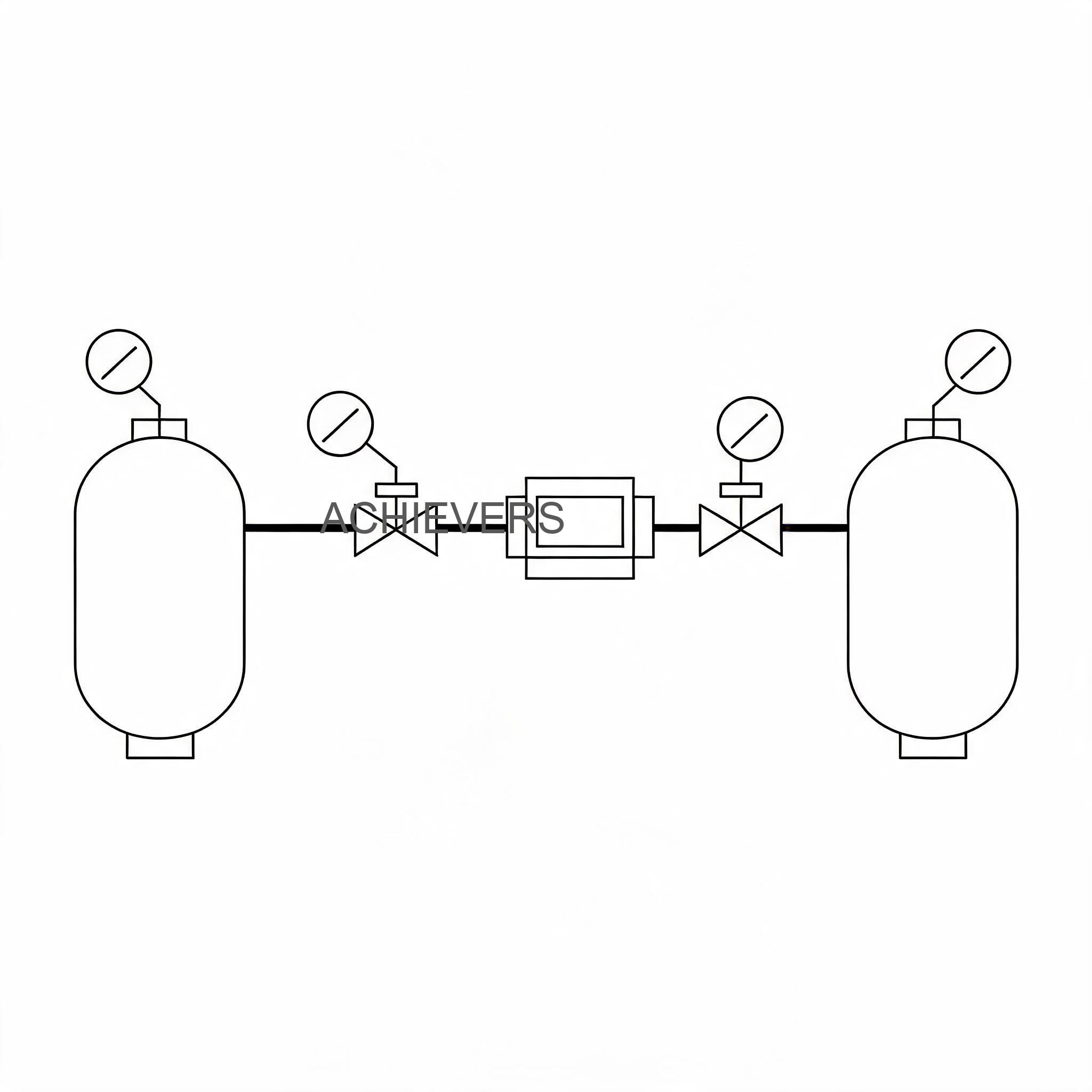
The versatility of the oval gear Diesel Flow Meter allows it to be deployed at multiple critical checkpoints across a construction site. By establishing a "closed-loop" fuel monitoring system, site managers can achieve 100% reconciliation between purchased inventory and consumed fuel.
Scenario A: Bulk Receipt & Tanker Unloading
When a 20,000-liter tanker arrives from the depot, EPC contractors traditionally rely on the tanker's dipstick measurement to verify the received volume. However, uneven ground at the site or temperature expansion can render dipstick readings highly inaccurate.
- The Setup: A high-capacity 2-inch Diesel Flow Meter (capable of 300 LPM) is installed at the inlet of the site's main bulk storage tank.
- The Operation: The fuel is pumped from the tanker through a heavy-duty strainer, through the flow meter, and into the bulk tank.
- The Benefit: The site manager signs the delivery challan based on the digital or mechanical meter reading, ensuring the company only pays for the exact volume of fuel actually transferred into their tanks, protecting against short-deliveries.
Scenario B: Mobile Bowser Dispensing
Excavators and drilling rigs cannot drive to a central fuel station; the fuel must go to them. Sites typically use tractor-mounted or truck-mounted mobile bowsers to distribute diesel.
- The Setup: A 1-inch or 1.5-inch flow meter is installed on the output line of the mobile bowser’s Diesel Dispensing unit, right before the delivery hose and nozzle.
- The Operation: The bowser operator drives to each machine, dispenses the fuel, and notes the cumulative reading. For advanced setups, a ticket printer generates a receipt.
- The Benefit: This is the ultimate theft deterrent. The total fuel issued from the bowser must match the sum of the receipts given to the machine operators. Any discrepancy immediately highlights pilferage.
Scenario C: DG Set Day Tank Filling
Continuous power generation is required for batching plants, labor camps, and site offices. Diesel Generator (DG) sets usually have a small day tank that is replenished from a main storage tank.
- The Setup: A 1-inch mechanical flow meter is installed on the pipeline feeding the DG set’s day tank. Because it has a low-pressure drop, it can operate efficiently even if the fuel is gravity-fed from an overhead tank.
- The Operation: Fuel flows through the meter to fill the DG tank. The cumulative reading is logged at the end of every shift.
- The Benefit: By tracking the exact diesel consumed by the generator against the kilowatt-hours (kWh) of electricity produced, plant engineers can monitor engine efficiency. A sudden spike in fuel consumption per kWh signals either engine wear requiring maintenance or unauthorized siphoning from the day tank.
4. Compliance, Accuracy, and Certification Requirements
Operating industrial equipment in India requires navigating a landscape of technical standards and statutory compliances. When procuring fuel handling equipment, choosing a sub-standard product not only causes operational headaches but can also lead to regulatory penalties.
Legal Metrology Act:
While internal construction site fuel dispensing may not involve direct retail sales to the public, subcontractors are often billed for fuel based on site dispensing records. In such cases, the measurement equipment must align with the standards set by the Legal Metrology Department. The oval gear mechanism's +/- 0.5% accuracy ensures your records hold up during internal audits or disputes with sub-contractors over fuel deductions.
PESO and Safety Standards:
Diesel (Class B petroleum product) handling requires strict adherence to fire safety norms. Flow meters used in these applications must feature leak-proof construction. Flange type connections provide a robust, high-integrity seal compared to threaded joints that might loosen under heavy machinery vibration.
Make in India & BIS:
Sourcing locally manufactured equipment under the "Make in India" initiative, such as instruments from reputable suppliers in Ahmedabad, Gujarat, ensures that the materials used (cast iron, aluminum, stainless steel) comply with relevant IS (Indian Standard) codes. It also guarantees that spare parts, calibration services, and maintenance kits are available domestically without the long lead times associated with imported Chinese or European meters.
GST and Capital Expenditure:
For an EPC contractor, procuring a high accuracy diesel flow meter for excavators and gensets is a capital expenditure. Purchasing through a legitimate, GST-registered domestic manufacturer allows the business to claim an 18% Input Tax Credit (ITC). This significantly reduces the effective cost of the instrument, making the ROI even more attractive.
<div style="background-color: #f9f9f9; border-left: 5px solid #0056b3; padding: 15px; margin: 20px 0;">
<strong>In Simple Terms</strong><br>
Think of a standard water meter like a fan spinning in the wind—if the wind blows erratically, the fan's speed is a wild guess. That is how cheap turbine meters work, making them useless for expensive diesel. An oval gear positive displacement meter, however, works like a revolving door. A specific, fixed amount of fuel must fill the space between the gears to push the "door" open and move to the other side. Because it physically measures the space the liquid takes up, it cannot be fooled by changes in pressure, pump speed, or operator tricks. Every single drop is counted.
</div>
5. ROI and Operational Benefits
The decision to upgrade from generic measurement tools to a precision oval gear meter is primarily a financial one. Indian EPC margins are tight, and material cost overruns can quickly destroy a project's profitability.
Typical Indian Market Price Range:
Depending on the line size (1-inch to 2-inch) and the type of register (Mechanical vs. Digital with Ticket Printer), the GST-inclusive cost for a genuine oval gear positive displacement flow meter typically ranges from ₹25,000 to ₹95,000.
While this may seem higher than a ₹5,000 water-type turbine meter, the return on investment is extraordinarily rapid. Consider a site consuming 5,000 liters of diesel daily. A standard 3% pilferage/error rate amounts to 150 liters lost per day. At roughly ₹90 per liter, that is a daily loss of ₹13,500. The cost of a top-tier flow meter is recovered in less than a week of operation.
| Benefit | Typical Improvement | Indian Industry Context |
| :— | :— | :— |
| Fuel Theft Prevention | Drops pilferage from 3-5% to near zero. | Reconciles fuel issued to sub-contractors; prevents drivers from siphoning fuel during transfer. |
| Accurate Cost Tracking | Precise per-machine cost allocation. | Helps EPC firms calculate the exact hourly operating cost of specific excavators or cranes for future project bidding. |
| Reduced Downtime | High flow rate prevents bottlenecks. | High-speed Mobile Diesel Dispenser setups keep heavy earthmovers working, not waiting for fuel. |
| Vendor Accountability | 100% verification of oil company deliveries. | Catches short-deliveries from local tanker syndicates immediately upon unloading at the site. |
6. Selection Checklist for This Industry
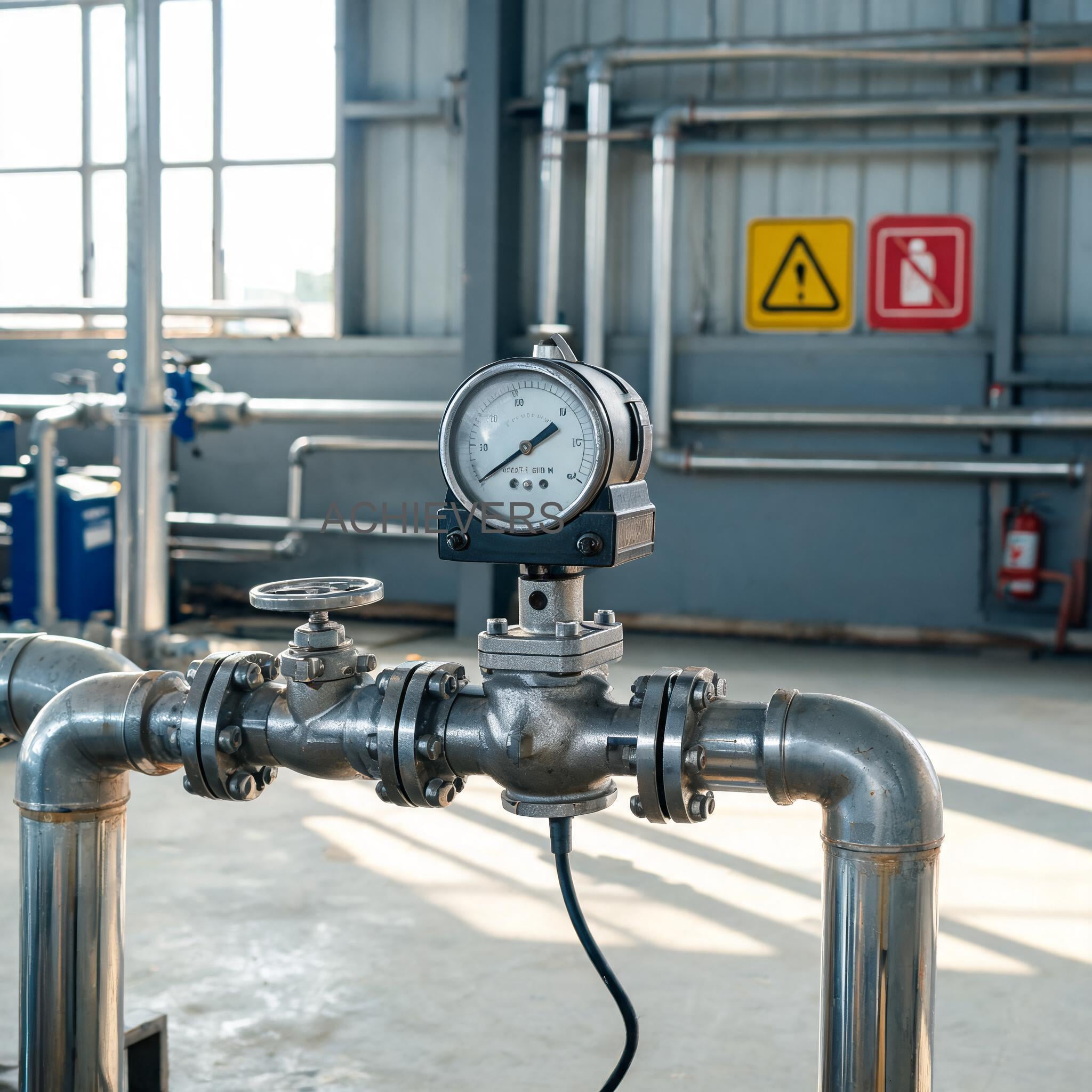
When you are ready to evaluate and buy diesel flow meter supplier for industrial diesel dispensing solutions, do not just ask for a "diesel meter." Use this highly specific technical checklist to ensure you receive an instrument capable of surviving your construction site:
- Identify the Required Flow Rate (LPM): Determine your pump's output. Select a 1" meter for 20-120 LPM, a 1.5" for 25-250 LPM, or a 2" for 30-300 LPM. Never undersize the meter, as pushing too much fluid through a small meter will cause pressure build-up and gear damage.
- Choose the Display Type: Decide between a Mechanical register (best for dusty, rainy environments with no power) or a Digital register (best for integration with PLCs or automated fuel management systems).
- Specify the Accuracy & Repeatability Requirement: Demand a written specification of +/- 0.5% accuracy and 0.03% repeatability. Accept nothing less for commercial fuel tracking.
- Confirm the Viscosity Range: Ensure the spec sheet states a maximum viscosity of at least 1000 CPS, ensuring compatibility with winterized diesel or thicker oils.
- Check the Maximum Operating Pressure: If installing after a heavy-duty transfer pump, verify that the meter can handle at least 1.8 MPA to 3.4 MPA to prevent housing ruptures.
- Demand a Primary Filter/Strainer: Oval gear meters have tight internal clearances. Always specify the inclusion of an upstream Y-strainer (typically 80 to 100 mesh) to catch rust and stones before they enter the measuring chamber.
- Select the Connection Type: Specify whether you need threaded (BSP/NPT) ends for smaller bowsers or Flanged ends for heavy-duty bulk tank pipelines.
- Evaluate Output Options: If your site accountants require physical proof of dispensing, request the "Print Flow Meter With Ticket Printer" variant.
FAQ
Q: Can this flow meter handle water-contaminated diesel?
A: Small amounts of moisture will pass through, but positive displacement meters are not designed to pump water. If your site has severe water ingress in bulk tanks, install a water-separating filter upstream of the meter. Prolonged exposure to heavy water can cause internal components to corrode.
Q: What happens if heavy dust or stones enter the meter from a dirty fuel tanker?
A: Because the oval gears have very tight machining tolerances, solid debris will jam the gears and stop the flow. This is a built-in safety mechanism that prevents unmeasured fuel from passing. However, to prevent downtime, you must install an 80-mesh or 100-mesh inline strainer immediately before the meter inlet.
Q: Is a mechanical register better than a digital one for an open-air construction site?
A: Yes, for rugged, open-air environments like a highway construction site in the monsoon, a mechanical register is often preferred. It requires no batteries, has no electronic screens that can fail in extreme 45°C heat, and is highly resistant to weather.
Q: How often does the oval gear meter require calibration?
A: Due to the physical nature of positive displacement, calibration drift is extremely slow. For standard construction site use, checking the calibration once a year using a certified proving measure (e.g., a stamped 20-liter or 50-liter volumetric can) is sufficient.
Q: Does installing this meter reduce my fuel pump's flow rate?
A: This specific design features a very low pressure drop. While any device in a pipeline causes a slight restriction, sizing the meter correctly (e.g., using a 2" meter for a 250 LPM pump) ensures that the reduction in flow speed is entirely negligible and will not strain your transfer pump.
Q: Can I use this same meter for petrol or kerosene if required on site?
A: Yes. The meter is suitable for diesel, kerosene, petrol, and MTO. However, it is strictly forbidden to use it for corrosive chemicals or acids, as these will destroy the internal measuring chamber and gears.
Q: Can the meter be installed vertically?
A: Yes, oval gear meters can be installed in horizontal, vertical, or inclined pipelines. The only strict requirement is that the rotor shafts must remain in a horizontal plane to ensure even wear on the bearings. Always check the manufacturer's installation manual for orientation diagrams.
To secure your site’s fuel inventory and stop daily financial leaks, it is time to upgrade your fluid measurement infrastructure. Contact Lumen Instruments today with your required flow rate, pipe size, and specific application details (such as tanker unloading or mobile bowser dispensing). Our team in Ahmedabad will help you select the exact configuration engineered to withstand your toughest site conditions.