
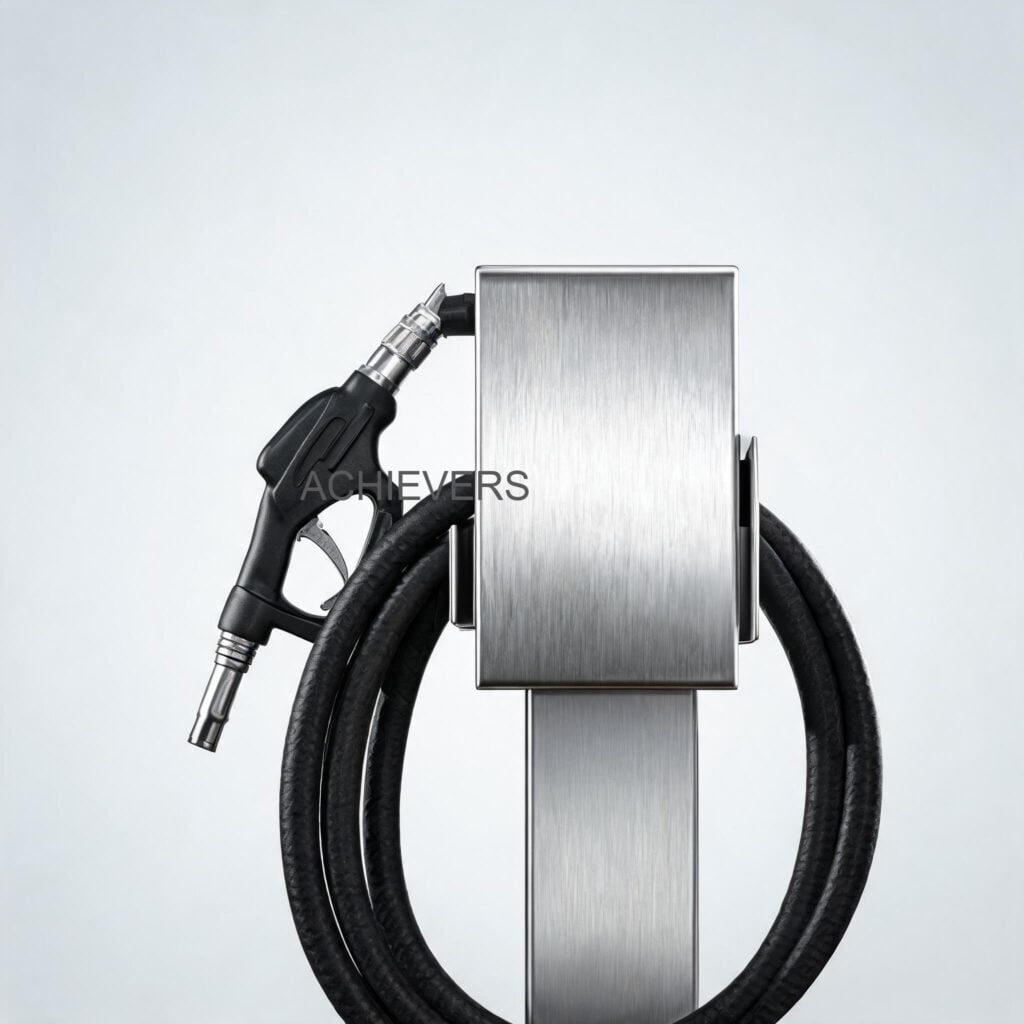
For industrial fleet operators, construction site managers, and facility engineers, the cost of an unexpected equipment failure far exceeds the price of a replacement part. When your mobile fuel delivery system goes down, entire fleets of heavy machinery, generators, and transport vehicles grind to a halt. Implementing a robust Diesel Dispensing maintenance guide is not just about protecting the equipment; it is about protecting your entire operational timeline and bottom line.
A mobile 60 LPM (Litres Per Minute) demountable unit is engineered for versatility. Often mounted in the back of vans, drop-side trucks, or utility vehicles, these compact systems are subjected to immense mechanical and environmental stress. From navigating pothole-ridden access roads to dispensing fuel in dust-heavy construction sites, the system's pump, flow meter, and dispensing nozzle endure daily punishment. This comprehensive guide outlines the definitive preventive maintenance checklist for 60 LPM mobile diesel dispensing unit operations, ensuring peak performance, ±0.30% volumetric accuracy, and maximum uptime whether you are operating locally or internationally.
In Simple Terms:
A mobile diesel dispenser works just like the fuel pump at a petrol station, but it is miniaturized and mounted on a truck to bring fuel directly to your machines. Because it bounces around on rough roads and operates in dusty, hot environments, its internal filters get clogged and its seals wear out. Preventive maintenance simply means cleaning the filters, checking the hoses for cracks, and testing the electronics on a regular schedule before the pump completely breaks down and stops your daily work.
1. Product Overview and Critical Wear Components
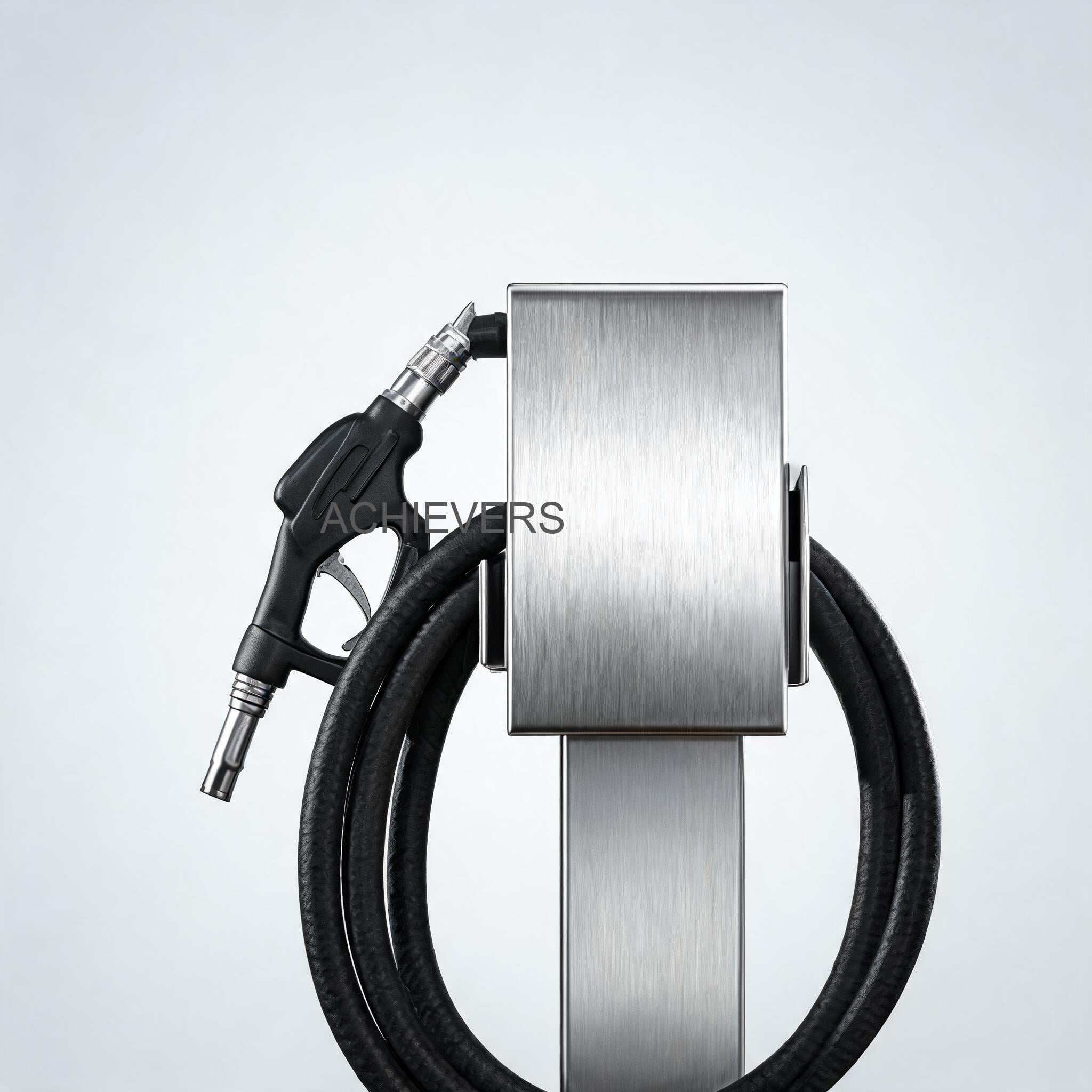
To understand how to maintain diesel dispensing pump meter hose nozzle to prevent downtime, you first need to understand the anatomy of your system. A standard Diesel Dispensing unit from Lumen Instruments integrates several precision components into a rugged, stainless-steel enclosed framework.
Key functional and wear components include:
- The 60 LPM Transfer Pump: Operates within a flow range of 20-80 L/min. It contains internal vanes, a rotor, and a bypass valve. The vanes are critical wear parts that naturally degrade over thousands of operating hours.
- High-Accuracy Flow Meter: Delivers a repeatability error of less than 0.15%. Contaminated fuel can cause the metering chamber to bind or lose calibration.
- Electronic Control Processor & Memory: Features ≥128kB memory, storing daily data for 365 days and monthly data for 12 months. Power supply variations (DC12V/DC24V for mobile, AC220V/AC380V for static) can stress the control board if not properly regulated.
- Hose Reel and Conveyance Hose: A 4-meter by 25mm (1-inch) industrial rubber hose. UV exposure, rough handling, and pressure spikes cause micro-cracking and eventual rupture.
- 1-inch Automatic Shutoff Nozzle: Contains a sensitive vacuum sensing port that triggers the shutoff mechanism. Debris in the spout can cause premature shutoff or failure to close, leading to hazardous spills.
2. Preventive Maintenance Schedule
Consistency is the foundation of any industrial diesel dispensing system maintenance schedule for manufacturers. Below is a comprehensive, time-based checklist designed to keep your unit running at an optimal noise standard of ≤80dB and within a maximum working pressure of ≤0.3MPa.
| Task | Frequency | Responsible | Est. Time | Notes |
| :— | :— | :— | :— | :— |
| Visual Inspection | Daily | Operator | 5 mins | Check for visible leaks beneath the unit, cabinet damage, and hose abrasions. |
| Nozzle Cleaning | Weekly | Operator | 10 mins | Wipe down the 1" spout. Ensure the sensor hole at the tip is free of mud or fuel residue. |
| Hose Reel Tension Check | Weekly | Operator | 5 mins | Unwind the 4m hose fully and check retract spring tension; inspect for cracks. |
| Primary Strainer Inspection | Bi-Weekly | Maintenance | 15 mins | Remove and inspect the primary suction strainer for metallic shavings or sludge. |
| Printer Paper & Ribbon | Monthly | Operator | 5 mins | Check receipt printer paper stock; blow out paper dust from the printer mechanism. |
| Flow Meter Calibration Check | Quarterly | Technician | 30 mins | Dispense fuel into a certified volumetric proving can. Adjust if error exceeds ±0.30%. |
| Electrical Terminal Tightening | Quarterly | Technician | 20 mins | Vibration in mobile units loosens DC12V/24V or AC220V connections. Torque to spec. |
| Pump Vane Inspection | Bi-Annually | Technician | 60 mins | Open pump housing to inspect carbon/polymer vanes for wear. Replace if below tolerance. |
| Bypass Valve Cleaning | Bi-Annually | Technician | 30 mins | Remove bypass valve spring and poppet. Clean to ensure pump does not overheat when nozzle is closed. |
| System Memory Backup | Annually | Plant Manager | 15 mins | Download the last 365 days of daily data and 12 months of monthly data for record-keeping. |
3. Step-by-Step Procedures for Key Tasks
Proper execution of maintenance tasks dictates the longevity of the equipment. Below are detailed, step-by-step procedures for the two most critical interventions.
Procedure 1: Cleaning the Primary Suction Strainer
The suction strainer is the first line of defense against contaminated fuel. A clogged strainer restricts flow, causing pump cavitation, excessive noise (>80dB), and eventual motor failure.
- Power Isolation: Disconnect the unit from its power source (isolate the DC battery connection on mobile vans or unplug the AC supply).
- Valve Closure: Shut off the isolation valve located between the demountable storage tank and the Diesel Dispensing pump inlet.
- Pressure Relief: Squeeze the automatic shutoff nozzle trigger into an approved container to relieve any trapped line pressure (must read 0 MPa).
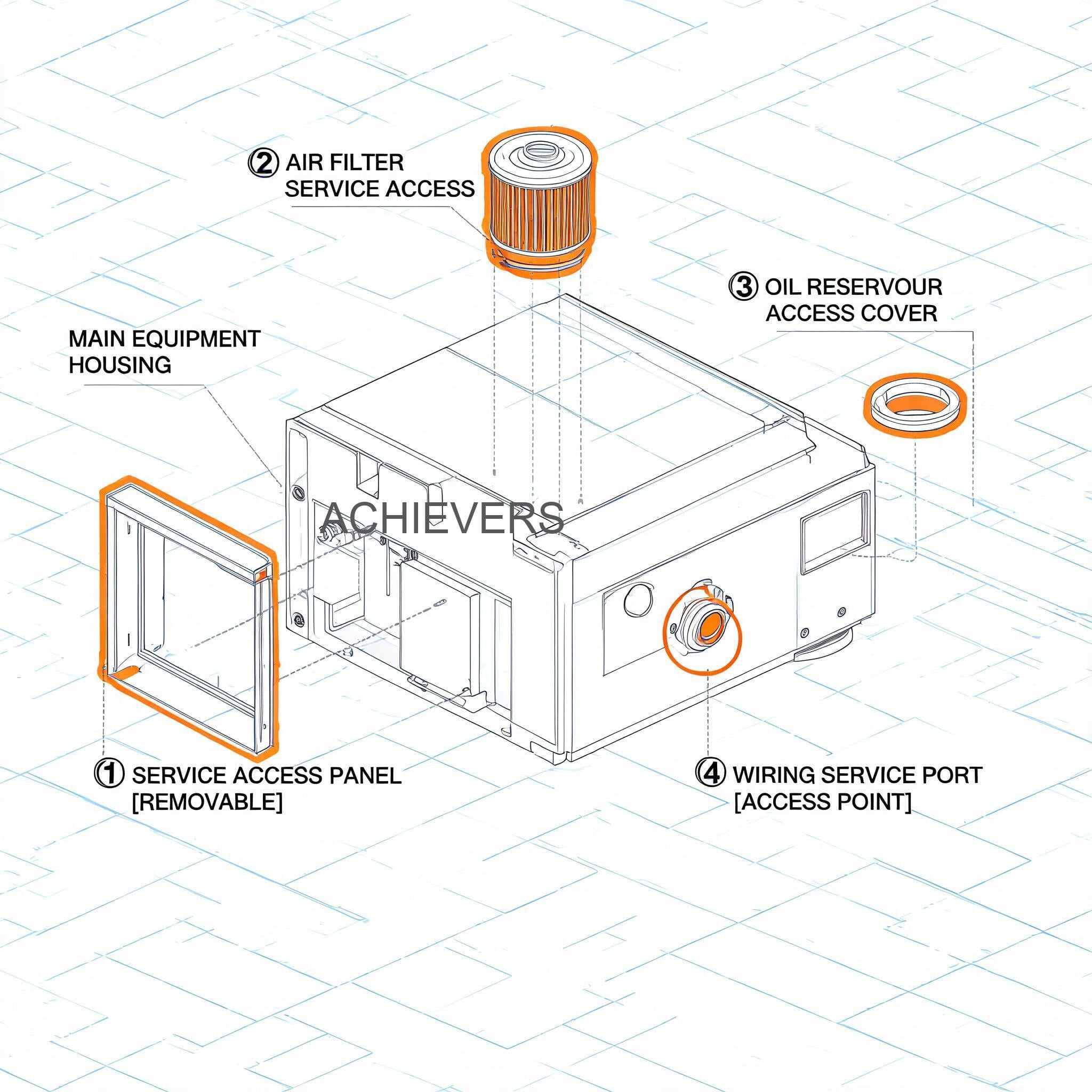
- Access the Strainer: Using a suitable wrench, unscrew the strainer housing cap located on the suction side of the pump block.
- Extract the Mesh: Carefully pull out the cylindrical wire mesh strainer. Note the orientation of the spring or seating O-ring.
- Cleaning Protocol: Wash the mesh in clean diesel or a mild solvent. Use a soft nylon brush to dislodge trapped particulates. Never use a steel wire brush, which can alter the mesh micron rating.
- Inspect O-Rings: Examine the housing cap O-ring for flattening or chemical swelling. Replace immediately if compromised.
- Reassembly & Priming: Reinsert the strainer, tighten the cap to specification, open the tank isolation valve, and power on the unit to prime the system. Check for suction leaks.
Procedure 2: Automatic Shutoff Nozzle and Hose Maintenance
The 4-meter rubber hose and the 1-inch Fuel Nozzle are the most frequently handled components.
- Hose Extrusion Check: Pull the entire 4m hose from the reel. Run a gloved hand along the length feeling for soft spots, bulges, or wire braid exposure.
- Fitting Inspection: Check the crimped swivel fittings at both the meter outlet and the nozzle inlet for weeping diesel.
- Spout Alignment: Inspect the aluminum or stainless steel spout of the nozzle. If it is bent from being dropped, the internal shutoff mechanism may jam.
- Vacuum Port Clearance: Locate the small sensing hole near the tip of the spout. Use a compressed air burst (low pressure) to blow out any dirt or dried diesel. Do not insert needles, which can damage the vacuum tube.
- Trigger Mechanism: Lubricate the trigger pivot pin with a single drop of light machine oil to ensure smooth operation.
- Flow Testing: Power the Mobile Diesel Dispenser on and dispense fuel into a test drum.
- Auto-Shutoff Verification: Submerge the tip of the nozzle into the dispensed fuel while holding the trigger. The nozzle should immediately snap shut.
- Stowage: Wipe the hose clean of oil residue before carefully allowing the reel to retract, ensuring no twists or kinks are introduced.
4. On-Site Spare Parts to Stock
To support a proactive Diesel Dispensing supplier specifications for export buyers protocol, maintaining a lean but critical inventory of spare parts on-site is mandatory. Waiting for replacement components extends downtime significantly.
| Part Description | Component Type | Recommended Stock Qty | When to Replace |
| :— | :— | :— | :— |
| 1" Automatic Shutoff Nozzle | Wear / Handling | 1 per 2 units | When shutoff fails or spout is bent. |
| 4m x 25mm Rubber Hose | Wear / Handling | 1 per 2 units | Upon visible cracking or fitting leaks. |
| Pump Vane Kit | Internal Wear | 1 set per unit | Every 1,500 to 2,000 hours of operation. |
| Suction Strainer Mesh | Filtration | 2 per unit | If torn, crushed, or impossible to clean. |
| O-Ring Master Kit | Sealing | 1 kit per site | During any internal maintenance or housing opening. |
| Receipt Printer Paper Rolls | Consumable | 10 rolls | When the printer indicates low paper. |
| Flow Meter Calibration Seal | Regulatory | 5 per site | After adjusting calibration (requires authorized tech). |
5. Diagnosing Maintenance-Related Failures
Even with a strict schedule, operating conditions can occasionally induce faults. Use this diagnostic matrix to trace symptoms back to overlooked maintenance tasks.
| Failure Symptom | Most Likely Missed Maintenance Task | Corrective Action |
| :— | :— | :— |
| Flow rate drops below 40 LPM | Primary strainer inspection | Remove, clean, or replace the suction strainer. |
| Excessive pump noise / cavitation | Hose and fitting leak check | Tighten suction-side fittings; check tank fuel level. |
| Meter dispenses more than displayed | Flow meter calibration check | Recalibrate meter using a certified volumetric can. |
| Nozzle continuously clicks off | Vacuum port clearing | Clean the sensing hole on the nozzle spout. |
| Unit loses power entirely | Electrical terminal tightening | Inspect DC/AC power input connections and main fuses. |
| Display shows memory error | Motherboard/battery check | Replace internal CR battery; verify 128kB memory integrity. |

6. Extending Service Life in Specific Operating Conditions
Executing Diesel Dispensing maintenance in India for fleet yards and remote generator refuelling requires an understanding of localized environmental and economic factors. While the principles apply globally, specific operational environments demand tailored approaches.
Managing Environmental Extremes
Industrial zones, such as those found in GIDC (Gujarat Industrial Development Corporation) estates, often present harsh conditions. The ambient humidity can swing from bone-dry to ≤95% Relative Humidity during monsoons, and temperatures routinely push the unit's +45℃ upper limit.
- Condensation Control: High humidity leads to water condensation inside the demountable tank. Water passing through the system corrodes pump internals and damages the high-accuracy flow meter. Install water-absorbing inline filters and drain the main storage tank sumps weekly.
- Dust and Particulates: In dusty fleet yards or mining operations, the cabinet doors of the rugged stainless steel enclosure must remain closed. Air ingress through poorly maintained seals will introduce abrasive dust, accelerating wear on the rotor and vanes.
- Voltage Fluctuations: Power options like AC220V and AC380V are susceptible to site voltage spikes. Utilizing a robust voltage stabilizer ensures the dedicated control processor and its 128kB memory remain uncorrupted.
Commercial and Regulatory Context
When making procurement and maintenance budget decisions, domestic operations benefit heavily from the 'Make in India' initiative, securing highly engineered products backed by local support networks. Ensuring the equipment complies with BIS standards guarantees that safety and performance metrics are met.
For budgeting purposes, buyers should note the typical Indian market price range for standard industrial diesel dispensing units falls between ₹45,000 and ₹85,000, varying based on AC/DC configurations, exact flow rates, and the inclusion of receipt printers. This pricing represents the base capital expenditure; operators must also account for an 18% GST standard on industrial machinery.
Conversely, for our international clients and export buyers across Europe, the Middle East, and Asia-Pacific, maintaining alignment with global standards (such as CE marking, ISO certifications, and ATEX where applicable for hazardous zones) is paramount. The maintenance logic remains identical: a clean, well-calibrated machine bridges the gap between regulatory compliance and commercial profitability.
FAQ
Q: How often does the high-accuracy flow meter need recalibration?
A: Under standard operating conditions, the flow meter should be checked quarterly using a certified proving can. Recalibration is only necessary if the accuracy drifts beyond the stated ±0.30% tolerance.
Q: Can I use this system to dispense fluids other than diesel?
A: While designed primarily for diesel, the unit can dispense non-corrosive oil fluids and lubricants. However, dispensing highly viscous oils may reduce the flow rate below the standard 60 LPM and require different pump vanes. Never use this unit for highly volatile fluids like petrol or aviation fuel unless explicitly rated.
Q: What is the cause of the pump running but no fuel being dispensed?
A: This usually indicates a loss of prime due to an empty supply tank, a severe air leak on the suction side, or a completely blocked suction strainer. Check all inlet connections and ensure the bypass valve is not stuck open.
Q: Does the receipt printer require special maintenance?
A: Aside from replacing the paper rolls, you should periodically blow out paper dust from the thermal print head mechanism using compressed air. High humidity (up to 95%) can cause paper jams, so keep the cabinet securely closed.
Q: How is the daily and monthly data accessed from the unit's memory?
A: The onboard dedicated control processor stores daily data for 365 days and monthly data for 12 months. This can typically be viewed via the digital display keypad or printed out via the integrated receipt printer using specific admin codes.
Q: Are the DC and AC units maintained differently?
A: The mechanical fluid path (pump, meter, hose, nozzle) requires identical maintenance. The only difference is in the electrical checks: DC12V/24V mobile units require regular inspection of vehicle battery connections and alternator output, while AC220V/380V stationary units require checks of grounding and voltage stabilizers.
Q: Why does the automatic nozzle keep shutting off before the tank is full?
A: This happens when the vacuum sensing port at the tip of the spout is obstructed by mud, debris, or a splash-back of foamy diesel. Cleaning the spout tip generally resolves the issue immediately.
Regular preventive maintenance transforms your fluid transfer equipment from a potential point of failure into a reliable, long-term asset. Whether you are outfitting a mobile fleet with a 60 LPM unit or establishing a static refueling point, proactive care guarantees precision and uninterrupted power. If you are looking to upgrade your fuel management infrastructure, require spare parts, or need technical guidance on integrating these units into your specific site conditions, contact Lumen Instruments today with your flow requirements, power availability, and application details.