
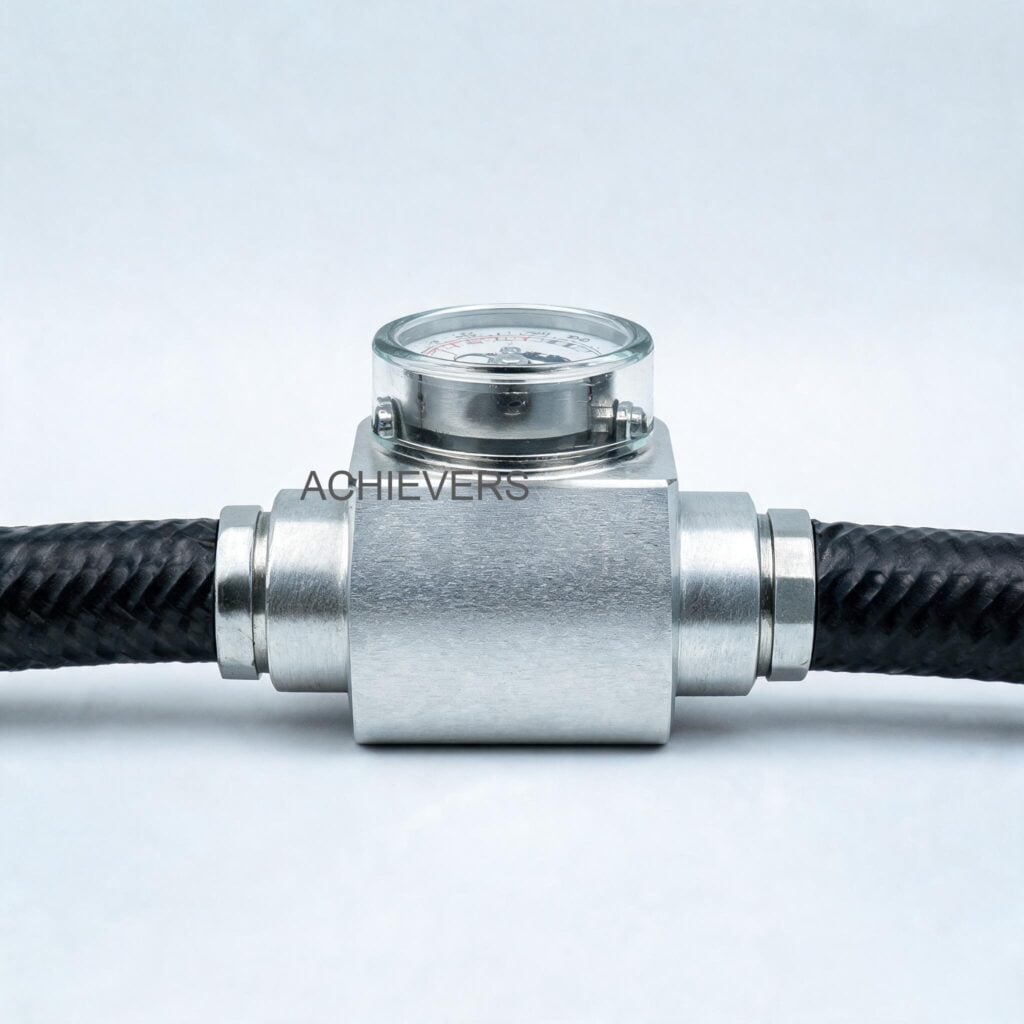
For Indian chemical manufacturing units, specialty chemical plants, and process industries, managing fluid transfers is a high-stakes operation. Whether you are operating out of Vatva, Vapi, Ankleshwar, or Dahej GIDCs, your plant likely handles hundreds of thousands of liters of diesel for boilers and DG sets, alongside highly volatile solvents like toluene, hexane, or methanol for process batches. Relying on dipsticks, generic rotameters, or outdated mechanical gauges leads to unaccounted pilferage, inaccurate batch mixtures, and ultimately, a compromised bottom line.
Generic fluid measurement solutions frequently fail under harsh Indian industrial site conditions—which include extreme summer heat, high monsoon humidity, heavy dust, and frequent voltage fluctuations. To gain precise control over consumption and improve batch-wise accountability, plant managers need robust Fuel Flow Meters designed specifically for demanding environments. This guide explains how integrating purpose-built industrial flow measurement systems can transform your chemical plant's solvent and fuel handling infrastructure, ensuring every drop is accounted for.
1. Industry Overview: The Fluid Challenge
Fluids in the Indian chemical and petrochemical sectors present unique handling challenges. A typical mid-sized chemical plant might consume 2,000 to 5,000 liters of diesel daily for power generation and boiler operations, while simultaneously transferring specialized solvents from underground storage to day tanks.
The primary challenges Indian plant managers face include:
- Volume Verification: Tankers arriving at the plant gate often have discrepancies between the invoiced volume and the actual delivered volume.
- Contamination Risks: Fuel and solvents often carry suspended particles or rust from aging transport tankers.
- Volatile Pressures & Temperatures: Solvents expand and contract with temperature changes, and rapid transfer can cause pressure spikes in the line.
- Regulatory Compliance: The Legal Metrology Act and PESO (Petroleum and Explosives Safety Organization) guidelines mandate strict safety and accuracy standards for handling flammable liquids.
To meet these challenges, installing Fuel Flow Meters directly in your transfer lines provides a digital, tamper-proof record of exactly how much liquid has passed through, ensuring tight inventory control.
2. Product Capabilities Matched to Industry Needs
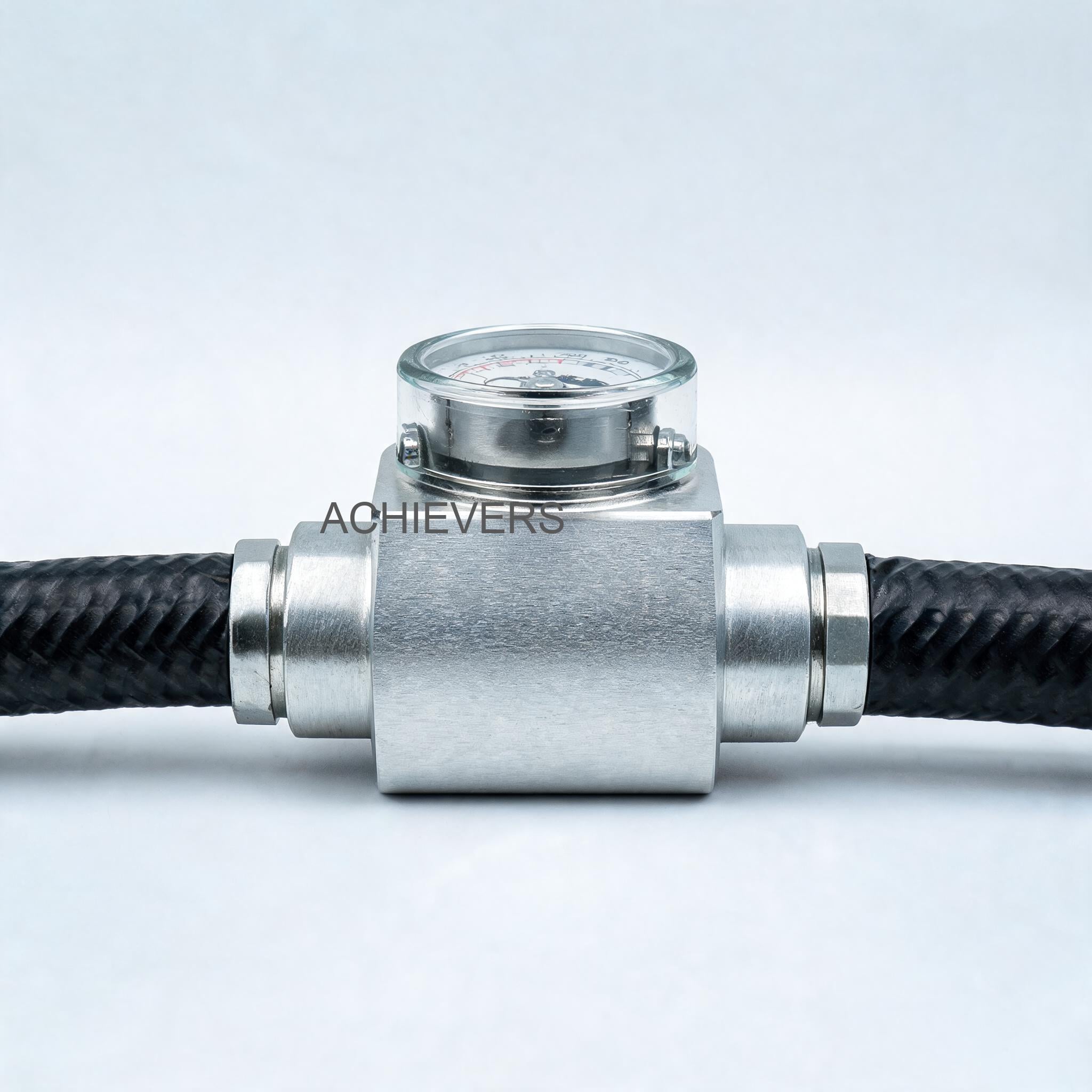
When selecting instrumentation for chemical process lines, the specifications must align perfectly with your operational parameters. As a proudly Make in India initiative manufacturer based in Ahmedabad, Lumen Instruments engineers Fuel Flow Meters to withstand rugged site conditions while delivering premium accuracy.
Below is a breakdown of how the technical specifications of our turbine-based digital flow meters map directly to the needs of Indian chemical plants:
| Industry Requirement | Technical Feature | How It Addresses the Need |
| :— | :— | :— |
| High Accuracy for Batching | +/- 1% Accuracy | Ensures precise solvent formulation and exact fuel tracking, preventing costly batch rejections or fuel pilferage. |
| Versatile Flow Handling | 11 – 98 LPM Flow Rate | Perfect for day tank filling and mid-volume solvent transfer without causing line bottlenecks. |
| Pressure Resistance | Withstands up to 50 psi (3.4 bar) | Safely handles the pressure generated by industrial transfer pumps across standard plant pipelines. |
| Easy Readability in Harsh Environments | Five-Digit LCD Digital Readout | Provides a clear, high-contrast display that plant operators can easily read, even in dusty or poorly lit sheds. |
| Chemical & Weather Resistance | Anodized Aluminum Body | Protects against corrosion from mildly aggressive chemicals and prevents rust caused by Indian monsoon humidity. |
| Flexible Pipeline Integration | 1 inch Inlet/Outlet with 3/4 inch Reducer Bushing | Allows seamless integration into standard Indian industrial piping (NB25 and NB20) without expensive pipe modifications. |
| Operator Accountability | Resettable Totalizer | Allows operators to track individual batch transfers while keeping a secure, cumulative record for audit purposes. |
| Installation Flexibility | In-Line or Hose-End Installation | Can be hard-piped into the process line or mounted at the end of a flexible delivery hose for mobile dispensing. |
3. Typical Installation Scenarios in This Industry
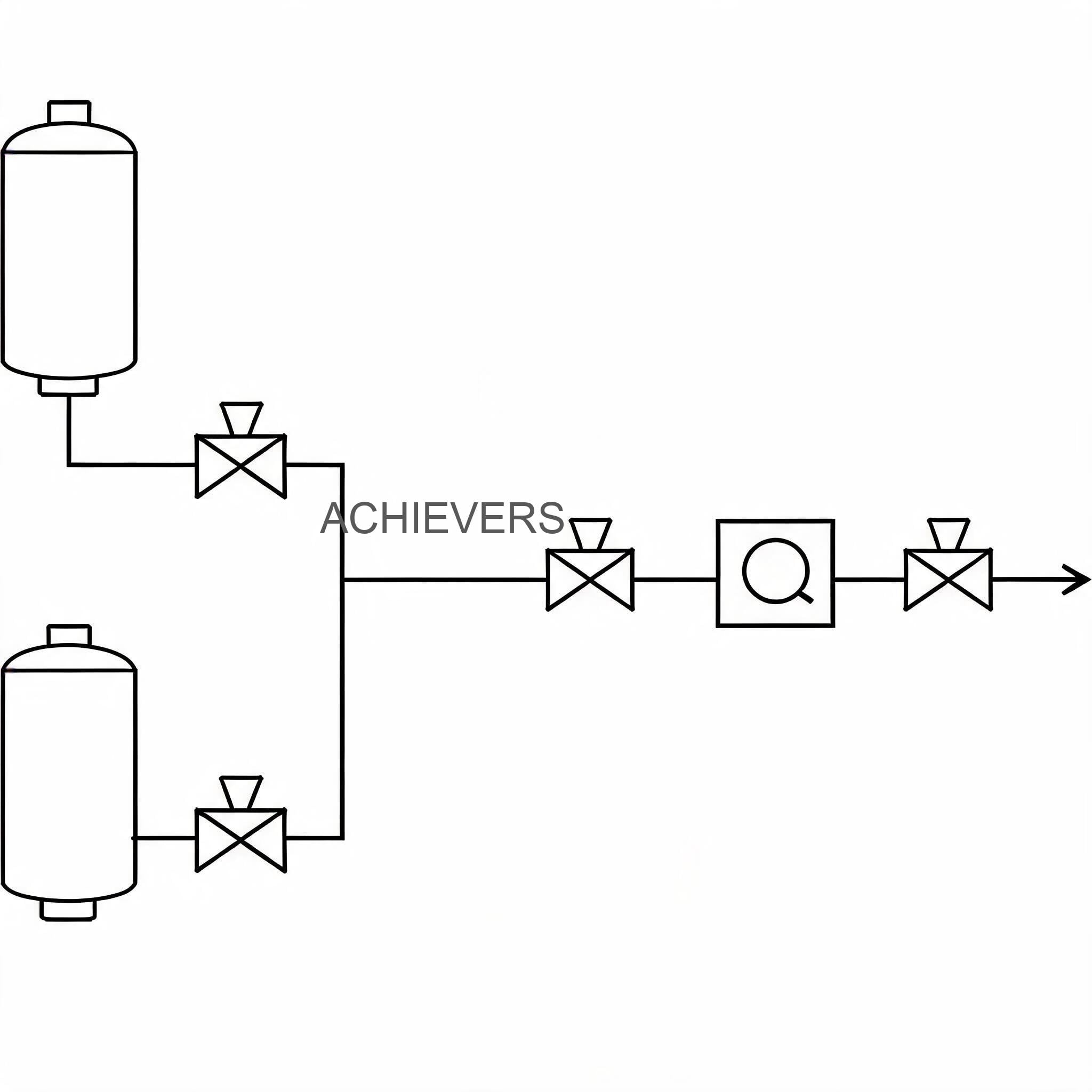
Implementing fuel flow meters for chemical plant solvent transfer requires strategic placement. Here are the three most common installation scenarios in Indian processing facilities:
A. Tanker Unloading at the Plant Gate
When a 20 KL tanker of diesel or solvent arrives, businesses need immediate verification. Plant managers frequently buy fuel flow meters for tanker unloading and day tank monitoring to intercept the fluid before it enters the underground storage tank (UST). The meter is installed directly after the unloading pump, ensuring the plant only pays for the exact volume received, easily recovering the cost of the meter in a few short months.
B. Day Tank Monitoring for DG Sets and Boilers
For continuous operations, fuel is moved from the main storage to smaller day tanks near the boilers or DG sets. Installing a meter on this transfer line gives utility managers a daily, shift-wise breakdown of fuel consumption. This helps in calculating the exact cost of power generation and steam production per batch, a critical metric for maintaining competitive pricing in the Indian manufacturing sector.
C. Batch-Wise Solvent Transfer Skids
For process lines requiring precise solvent addition, Fuel Flow Meters in India for industrial process lines are integrated into blending skids. Because the meter operates using a highly responsive turbine measuring system, operators can monitor the five-digit readout and shut off the transfer pump exactly when the required batch volume is reached.
4. Compliance, Accuracy, and Certification Requirements
Operating a chemical plant in India requires strict adherence to local regulations. When installing measuring equipment, plant managers must consider:
- Legal Metrology Act: For internal accounting, +/- 1% accuracy is highly reliable. If you are selling fluids onward, ensure your complete dispensing system complies with weights and measures stamping.
- Material Compatibility: The anodized aluminum body is excellent for diesel, kerosene, and non-corrosive solvents. Always cross-check the specific chemical compatibility of aluminum with your solvent before installation.
- GST and Local Pricing: Budgeting for plant upgrades requires clear cost expectations. The typical Indian market price range for high-quality, aluminum-body digital turbine flow meters falls between ₹15,000 to ₹35,000 depending on the exact configuration and output requirements. When calculating procurement budgets, remember to account for the 18% GST applicable on industrial measuring instruments. Buying directly from an Ahmedabad-based manufacturer ensures you save on middleman markups and import duties.
In Simple Terms:
Imagine you receive a 20,000-liter diesel tanker. Without a meter, a 2% shortage (400 liters) hidden by a faulty dipstick costs you roughly ₹36,000 at current fuel rates. By installing a digital flow meter with 99% accuracy, you instantly catch these shortages. The meter pays for its entire GST-inclusive cost within the very first tanker delivery it monitors.
5. ROI and Operational Benefits
Investing in industrial instrumentation is about calculating returns. When you upgrade to digital turbine flow meters, the operational improvements are immediate and measurable. To build a complete, highly efficient transfer system, many plants pair these meters with high-capacity Fuel Transfer Pumps to ensure steady flow and optimal pressure.
| Operational Benefit | Typical Improvement | Indian Industry Context |
| :— | :— | :— |
| Loss Prevention | 90% reduction in unaccounted fuel/solvent losses. | Prevents local pilferage during tanker unloading and internal transfer across large plant campuses. |
| Batch Accountability | Consistent volume control within +/- 1%. | Crucial for pharma-intermediates and specialty chemicals where solvent ratio determines product purity. |
| Downtime Reduction | Zero mechanical jams compared to gear meters. | The turbine system easily handles the occasional impurities found in Indian industrial grade diesel. |
| Data Tracking | Shift-wise consumption logging. | Helps plant accountants calculate daily running costs for boilers and DG sets accurately. |
6. Selection Checklist for This Industry
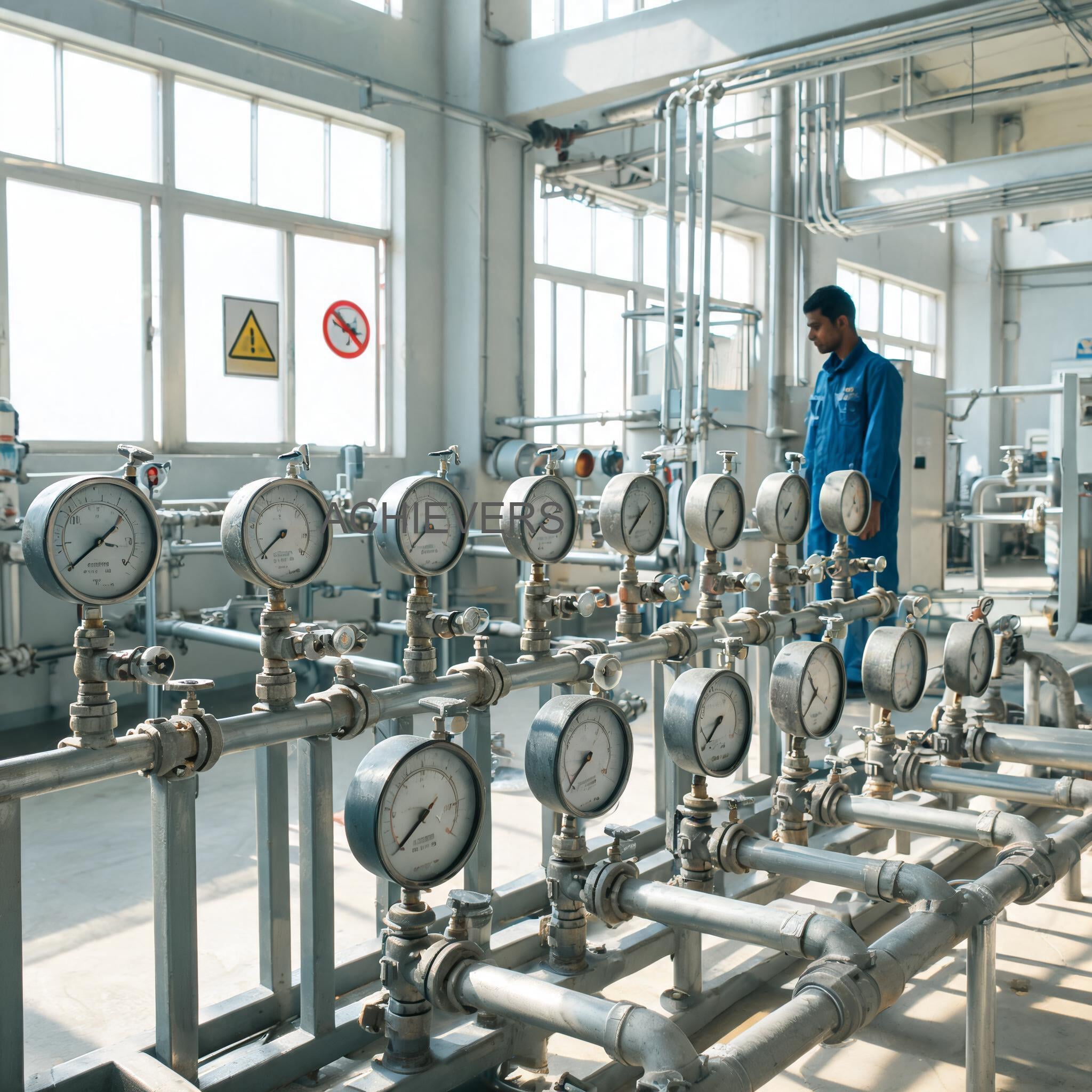
Before finalizing a purchase order for fuel transfer measurement for batch accountability, use this technical checklist to ensure the equipment perfectly matches your site conditions:
- Verify Fluid Compatibility: Ensure the solvent or fuel being measured is chemically compatible with the anodized aluminum body and internal turbine components of the meter.
- Match the Flow Rate: Confirm that your transfer pump operates within the meter's sweet spot of 11 to 98 LPM for optimum accuracy.
- Check Operating Pressure: Validate that your line pressure does not exceed the meter's maximum rated capacity of 50 psi (3.4 bar).
- Determine Port Sizes: Check your existing pipeline diameter. Ensure the 1-inch inlet/outlet (or the provided 3/4-inch reducer bushing) matches your pipe threading.
- Assess Filtration Needs: Indian fuels often contain suspended rust or dirt. Plan to install a Y-strainer upstream of the flow meter to protect the turbine blades.
- Evaluate Display Requirements: Confirm that a five-digit LCD readout with a resettable totalizer meets your daily batching and auditing requirements.
- Consider Site Environment: Since the meter will be exposed to plant conditions, ensure the mounting location protects the LCD screen from direct, blistering afternoon sunlight if installed outdoors.
- Confirm Warranty and Support: Choose a supplier that offers a solid one-year warranty and readily available local support from Gujarat for quick maintenance turnarounds.
FAQ
Q: What is the accuracy of the turbine flow meter, and is it suitable for batching?
A: The meter offers an accuracy of +/- 1%. This is highly effective for industrial batching, day tank monitoring, and tanker unloading where precise volume tracking is necessary to prevent financial losses.
Q: Can this meter handle highly viscous fluids like heavy furnace oil?
A: No. Turbine measuring systems are designed for low to medium viscosity fluids like diesel, kerosene, and light solvents. For high-viscosity heavy oils, positive displacement gear meters are recommended instead.
Q: Does the digital LCD display require external power to operate?
A: The five-digit LCD readout is battery-operated, making it immune to the frequent power cuts and voltage fluctuations common in Indian industrial zones. It guarantees continuous reading during the transfer process.
Q: How do we integrate this meter into our existing 3/4-inch plant pipeline?
A: The meter comes standard with a 1-inch inlet and outlet, but it includes a reducer bushing that easily steps down the connection to perfectly fit a standard 3/4-inch piping setup without welding.
Q: What happens if dirt or debris enters the flow meter?
A: Debris can jam the turbine measuring system and affect the +/- 1% accuracy. It is highly recommended to install a fine mesh strainer just before the meter's inlet to catch contaminants common in Indian fuel supplies.
Q: Is the totalizer reading permanent, or can operators reset it?
A: The meter features both a resettable batch totalizer (so operators can zero it out for individual solvent transfers) and a cumulative totalizer that tracks the overall lifetime flow for management audits.
Q: What is the HSN code and GST rate for industrial flow meters in India?
A: Industrial flow meters generally fall under HSN code 9026, which attracts a standard GST rate of 18%. Always confirm with your procurement team during the generation of the purchase order.
If your plant is ready to eliminate fuel pilferage, improve batch accuracy, and gain total control over fluid transfers, Lumen Instruments is here to help. Contact our technical team in Ahmedabad today with your required flow rate, line size, and specific fluid details, and we will provide a durable, accurately calibrated metering solution tailored to your exact industrial requirements.