
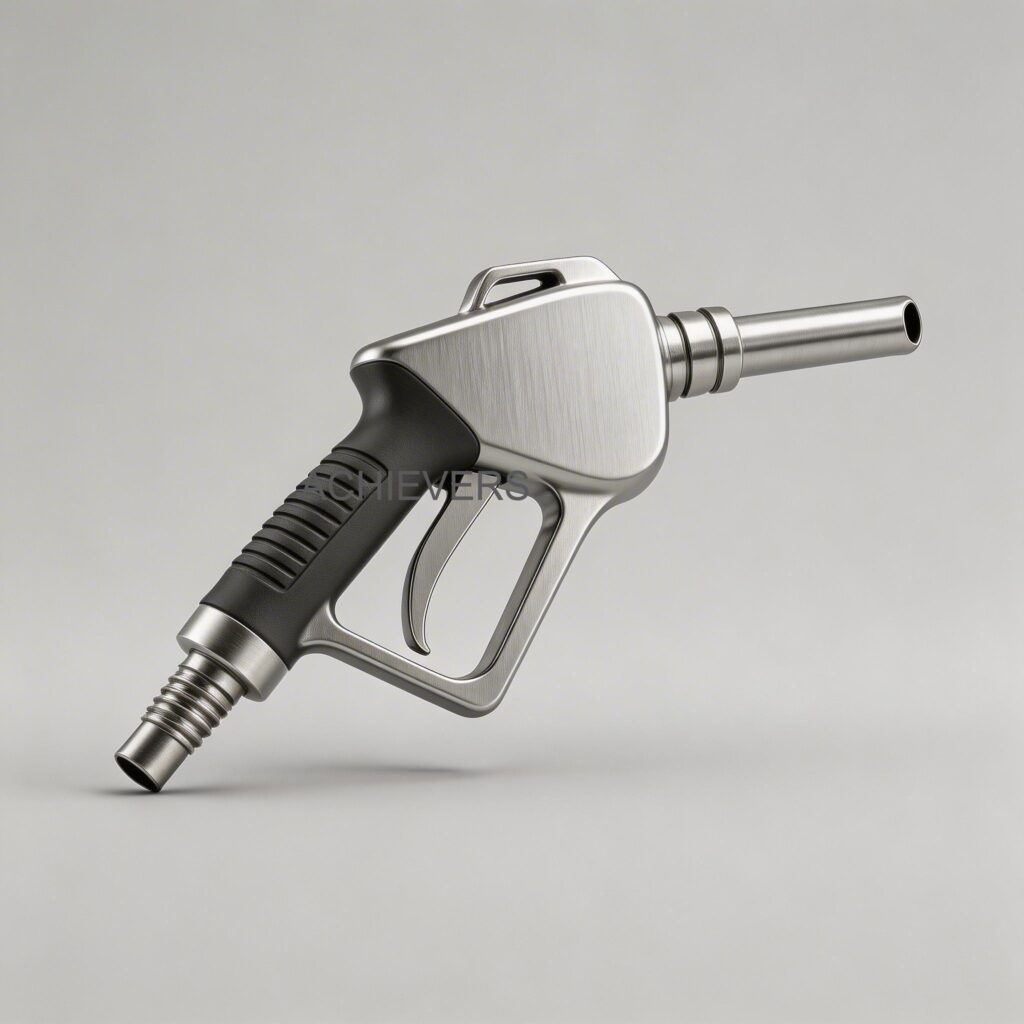
In the fast-paced world of Indian logistics, construction, and transport, fleet fueling yards are the lifeblood of daily operations. Whether you are managing a busy transport hub in Maharashtra, a dusty mining operation in Jharkhand, or a manufacturing plant inside a Gujarat Industrial Development Corporation (GIDC) estate, diesel dispensing is a critical, high-frequency activity. However, many plant managers and fleet operators overlook one of the most critical components of their fluid handling system: the dispensing nozzle.
Relying on generic, low-quality nozzles for high-volume diesel transfer invariably leads to a cascade of operational issues. Flimsy aluminum spouts wear down quickly against commercial vehicle fuel necks, weak springs cause premature failure, and the lack of proper shut-off mechanisms leads to dangerous, costly diesel spills. In an environment where diesel prices consistently hover around ₹90 to ₹100 per liter, even a minor daily spillage rate can translate to lakhs of rupees lost annually.
Investing in a heavy-duty, automatic shut-off Fuel Nozzle designed specifically for commercial yards is not just a safety measure; it is a direct operational cost-saving strategy. This post breaks down how specifying the right nozzle improves yard safety, eliminates overfills, and drastically speeds up vehicle turnaround times across typical Indian industrial applications.
1. Industry Overview: The Fluid Challenge
Dispensing diesel in an Indian industrial context presents a unique set of challenges that off-the-shelf commercial gas station nozzles simply cannot handle. Fleet fueling yards operate under demanding site conditions. Equipment is exposed to extreme summer heat exceeding 45°C, heavy monsoon humidity, and pervasive dust that acts as an abrasive on moving mechanical parts.
Furthermore, the operational tempo in transport and logistics companies means that drivers and pump operators often subject dispensing equipment to rough handling. It is a common, albeit dangerous, practice for operators to attempt to jam generic nozzles open using stones, sticks, or fuel caps to avoid holding the lever during a 200-liter or 400-liter truck fill. This bypasses manual safety checks and inevitably leads to overfilling, soil contamination, and severe fire hazards.
In Simple Terms
Think of your dispensing nozzle as the primary physical gateway between your expensive bulk diesel storage and your vehicles. If this gateway lacks automatic safety shut-offs or is easily broken by rough handling, you are practically leaving the tap running on your company's profits. An industrial-grade nozzle automatically stops the flow the microsecond the tank is full, preventing spillage even if the operator is distracted.
To combat these ground realities, fleet operators require an industrial fuel nozzle specifically engineered for high cycle diesel dispensing. Such equipment must integrate tamper-proof safety features, durable materials capable of withstanding abrasive dust, and ergonomic designs that reduce operator fatigue during continuous shift work.
2. Product Capabilities Matched to Industry Needs
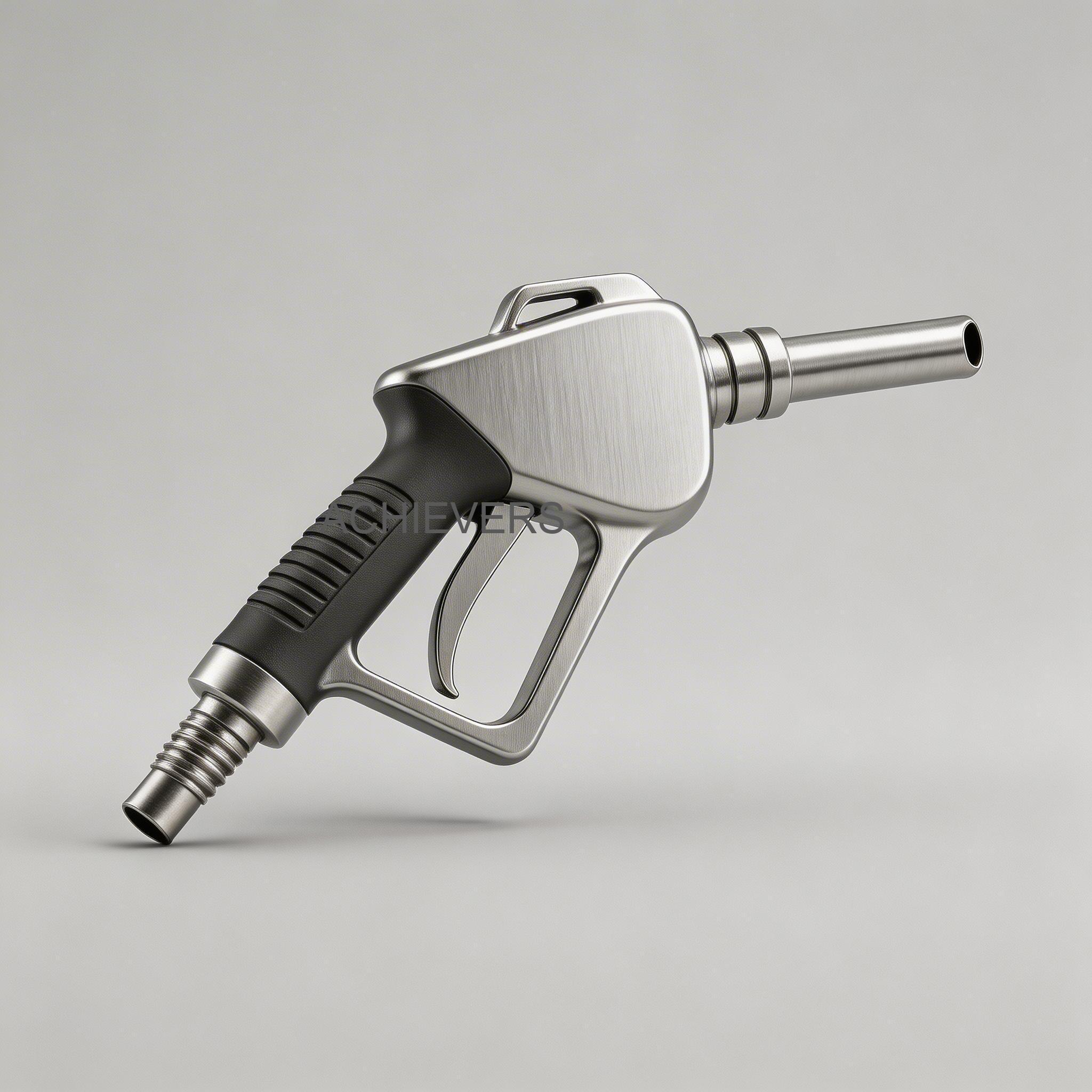
When sourcing a Fuel Nozzle supplier in India for industrial diesel dispensing, procurement heads must look beyond basic flow rates. The internal engineering of the nozzle must align with the daily physical abuses of a fleet yard. Below is a detailed breakdown mapping specific industry requirements to the advanced features of a heavy-duty nozzle.
| Industry Requirement | Nozzle Feature | How It Addresses the Need |
| :— | :— | :— |
| Overfill Prevention | Automatic Shut-Off Mechanism | Senses the change in pressure when the fuel level reaches the spout tip and instantly stops flow, preventing costly and dangerous diesel spills. |
| High Vehicle Volume | 1 Million Cycle Tested | Proven to outlast standard market nozzles, ensuring long-term reliability in yards fueling hundreds of trucks daily without internal spring failure. |
| Rough Operator Handling | Duratuff Lever Guard | Made from highly durable polymers, this guard withstands drops onto concrete yard floors and won't scratch customers' or company vehicles. |
| Nozzle Drop Safety | Flowloc Technology | A critical safety mechanism that immediately shuts off the nozzle if it falls out of a vehicle fill pipe or is tipped up, limiting spillage and fire risks. |
| Abrasive Indian Dust & Wear | Stainless Steel Spout Tip | Lasts up to four times longer than standard aluminum spouts, resisting wear from constant friction against metal truck fuel tank necks. |
| Tamper Prevention | Blocker on Lever Guard | Physically prevents the operator or consumer from jamming the nozzle in an open position using foreign objects, ensuring attended and safe fueling. |
| Operator Fatigue in Heat | 2-Piece Newgard™ Hand Insulator | Provides an attractive, comfortable grip that protects the operator's hands from extreme heat buildup on the metal body during Indian summers. |
| Exact Batch Dispensing | Accu-Stop Flow Control | Allows to-the-penny, precise flow control, making it easy to top off tanks accurately without splashing or sudden surges. |
| System Compatibility | 50 psi (3.45 bar) Max Pressure | Engineered to integrate flawlessly with standard industrial transfer pumps and heavy-duty dispensers without risking seal blowouts. |
3. Typical Installation Scenarios in This Industry
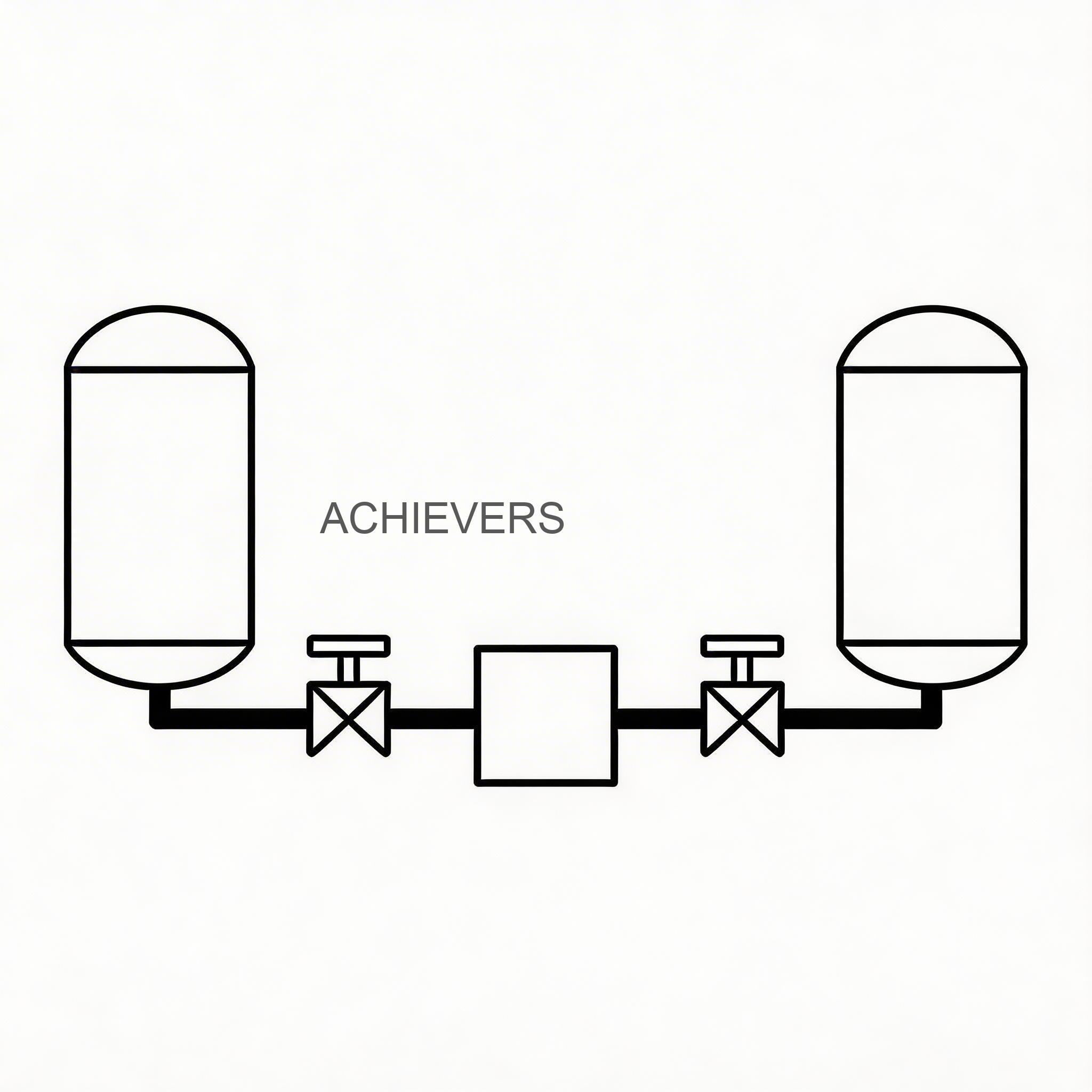
The versatility of an automatic Fuel Nozzle allows it to be integrated into various fluid handling architectures. Here are the three most common deployment scenarios across the Indian industrial landscape.
Scenario 1: Stationary Fleet Fueling Hubs
In large logistics parks or GIDC-based manufacturing plants, companies maintain centralized bulk diesel storage tanks connected to high-flow dispensing units. Here, the nozzle is attached to a standard dispensing hose and integrated with advanced Diesel Dispensing stations. The primary goal is high-speed fueling of a queue of transport vehicles. The automatic shut-off and one-finger hold-open clip are vital here, allowing the operator to comfortably set the flow rate while the 1-million-cycle durability ensures the station does not face downtime during peak shift changes.
Scenario 2: Construction and Mining Mobile Bowsers
Construction sites for national highways or mining operations in rugged terrains cannot bring heavy earth-moving equipment to a stationary pump. Instead, they use truck-mounted mobile diesel bowsers. Navigating rough, unpaved roads means dispensing equipment is subjected to intense vibrations and frequent drops. Connecting the nozzle to a Mobile Diesel Dispenser setup highlights the importance of the Flowloc feature. If the nozzle slips out of a vibrating excavator's fuel tank, it shuts off instantly, preventing catastrophic environmental contamination in remote areas.
Scenario 3: Captive Power Generation (DG Set Refueling)
Many Indian IT parks, pharmaceutical plants, and large-scale manufacturing facilities rely heavily on massive Diesel Generator (DG) sets for uninterrupted power. Refueling the day tanks of these DG sets requires precision to avoid overspills in confined utility rooms. Using an automatic nozzle with Accu-stop flow control allows facility management teams to safely and precisely top up DG sets without the risk of diesel pooling on the floor, which would violate stringent industrial fire safety codes.
4. Compliance, Accuracy, and Certification Requirements
Operating a diesel storage and dispensing facility in India requires strict adherence to local regulatory frameworks. Buyers must ensure that their equipment procurement aligns with safety and metrology standards.
PESO Guidelines and Fire Safety
The Petroleum and Explosives Safety Organization (PESO) mandates strict protocols for the storage and handling of Class B petroleum products like diesel. While nozzles themselves may not require direct PESO licensing in all captive setups, utilizing nozzles with verified automatic shut-off and drop-protection (Flowloc) directly supports compliance with PESO's spill prevention and fire safety guidelines.
Make in India and Local Procurement
Sourcing equipment from a reputable fuel meter manufacturer in Ahmedabad ensures that your procurement aligns with the Make in India initiative. More importantly, it guarantees immediate access to spare parts, technical support, and warranty claims. Imported generic nozzles often lack local support, turning a minor broken hold-open clip into a complete unit replacement delay.
Typical Indian Market Price Range and GST
Budget-conscious plant managers need transparent cost expectations. The typical Indian market price range for an industrial-grade, automatic shut-off fuel nozzle suitable for high-cycle fleet yards falls between ₹3,500 and ₹9,500, depending on the exact inlet size, flow capacity, and specific material configurations (like full stainless-steel tips vs. standard).
When raising purchase orders, businesses must account for an 18% GST on fluid dispensing equipment. Because this is a capital/operational expenditure for business use, GST-registered logistics and manufacturing firms can claim Input Tax Credit (ITC), effectively neutralizing the tax impact and making a high-quality nozzle a highly economical upgrade.
5. ROI and Operational Benefits
Upgrading to a heavy-duty industrial nozzle is one of the fastest ROI investments a fleet manager can make. The math is straightforward when you account for the sheer volume of diesel transferred daily.
| Operational Benefit | Typical Improvement | Indian Industry Context |
| :— | :— | :— |
| Fuel Loss Prevention | 99% reduction in overfill spillage | A 1% spillage rate on a fleet consuming 5,000 liters daily equates to 50 liters lost. At ₹90/liter, that is ₹4,500 wasted per day. An automatic nozzle pays for itself in under a week. |
| Equipment Lifespan | 4x longer operational life | Stainless steel spout tips resist the daily grinding against metal fuel necks, eliminating the need to replace deformed aluminum nozzles every few months. |
| Faster Turnaround | 15-20% reduction in fueling time | The Accu-stop technology and easy-to-set hold-open clips allow operators to dispense at maximum safe flow rates without fear of blowback. |
| Reduced Maintenance | Lower replacement frequency | Tested to over 1 million cycles with durable hold-open clip springs, drastically reducing procurement headaches for yard supervisors. |
6. Selection Checklist for This Industry
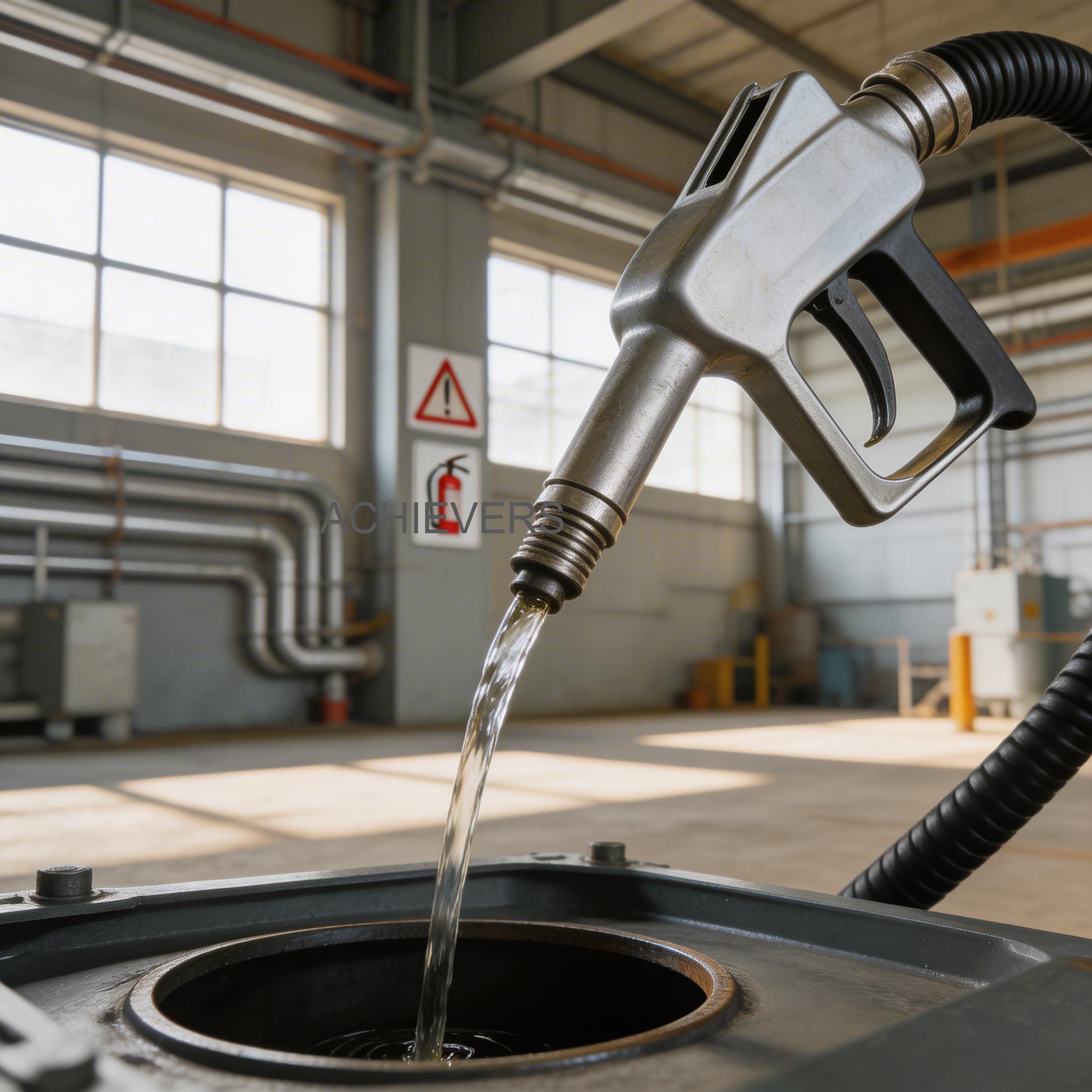
To buy a fuel nozzle for diesel dispensing safety and spillage control that perfectly matches your yard's needs, use this structured technical checklist before requesting a quotation:
- Verify Fluid Compatibility: Ensure the nozzle is certified for your specific fluid. Industrial standard models should comfortably handle standard high-speed diesel (HSD), gasoline, and biodiesel blends (up to 10% ethanol).
- Check System Operating Pressure: Confirm that your transfer pump's maximum discharge pressure does not exceed the nozzle's design working pressure (typically 50 psi or 3.45 bar max).
- Specify the Spout Material: Reject standard aluminum spouts for high-volume applications. Demand a stainless steel spout tip to ensure longevity against abrasive wear and tear.
- Demand Automatic Shut-Off: Verify that the nozzle utilizes a pressure-sensing automatic shut-off mechanism to prevent overfilling.
- Require Drop-Safety Mechanisms: Explicitly ask if the nozzle features technology like Flowloc, which cuts off fuel supply if the nozzle falls out of the vehicle or is tipped upwards.
- Evaluate Tamper-Resistance: Ensure the lever guard includes a blocker to prevent drivers from dangerously jamming the nozzle open with foreign objects.
- Assess Ergonomics and Insulation: Check for thermal hand insulators (like the 2-piece newgard™) to protect your operators from hot metal surfaces during peak summer shifts.
- Confirm Inlet Threading and Swivels: Specify the exact inlet thread size (e.g., 3/4 inch or 1 inch BSP/NPT) and ensure compatibility with a heavy-duty hose swivel to prevent hose kinking and operator wrist strain.
FAQ
Q: What happens if the nozzle accidentally falls out of the truck tank during filling?
A: If the nozzle is equipped with Flowloc technology, it will instantly shut off the fuel flow the moment it tips up or falls out of the fuel neck. This prevents hazardous spills, product loss, and potential fire risks in your yard.
Q: Can this nozzle handle the heavily dusty environment of an Indian mining or construction site?
A: Yes. High-quality industrial nozzles feature stainless steel spout tips and durable internal components designed to resist the abrasive nature of site dust. The Duratuff lever guards also withstand impacts from being dropped on rough, unpaved surfaces.
Q: Is it safe for the pump operator to use a stone or fuel cap to hold the nozzle lever open?
A: No, this is highly dangerous and a major cause of overfilling. Our recommended industrial nozzles feature a built-in, easy-to-use hold-open clip spring and a blocker on the lever guard specifically designed to prevent operators from jamming the nozzle open with foreign objects.
Q: What is the maximum pump pressure these nozzles can handle?
A: These heavy-duty automatic nozzles are designed to operate safely with a maximum working pressure of 50 psi (3.45 bar). You must ensure your diesel transfer pump regulates its output pressure within this limit to prevent seal damage.
Q: Why should I choose a stainless steel spout over a cheaper aluminum one?
A: Aluminum is a softer metal that wears down quickly when constantly rubbing against the steel fuel necks of commercial trucks. A stainless steel spout tip lasts up to four times longer, significantly reducing your long-term replacement costs and preventing metal shavings from entering the fuel system.
Q: Are these nozzles compatible with mobile diesel bowsers?
A: Absolutely. They are highly recommended for mobile bowsers because their rugged construction and automatic drop-safety features mitigate the risks associated with fueling heavy machinery in uneven, off-road conditions.
Q: What maintenance is required for a nozzle used in a high-cycle logistics yard?
A: Because these nozzles are cycle-tested for over 1 million uses, routine maintenance is minimal. It primarily involves daily visual inspections for external damage, ensuring the spout tip is free of debris, and occasionally wiping down the hand insulator. Do not attempt to dismantle the internal pressure-sensing mechanisms; consult the manufacturer if flow issues arise.
To upgrade your fleet fueling operations with equipment engineered for Indian industrial conditions, contact Lumen Instruments today. Please share your required flow rates, daily dispensing volumes, existing pump specifications, and site conditions so our technical team in Ahmedabad can recommend the exact nozzle configuration to ensure maximum safety and ROI for your yard.