
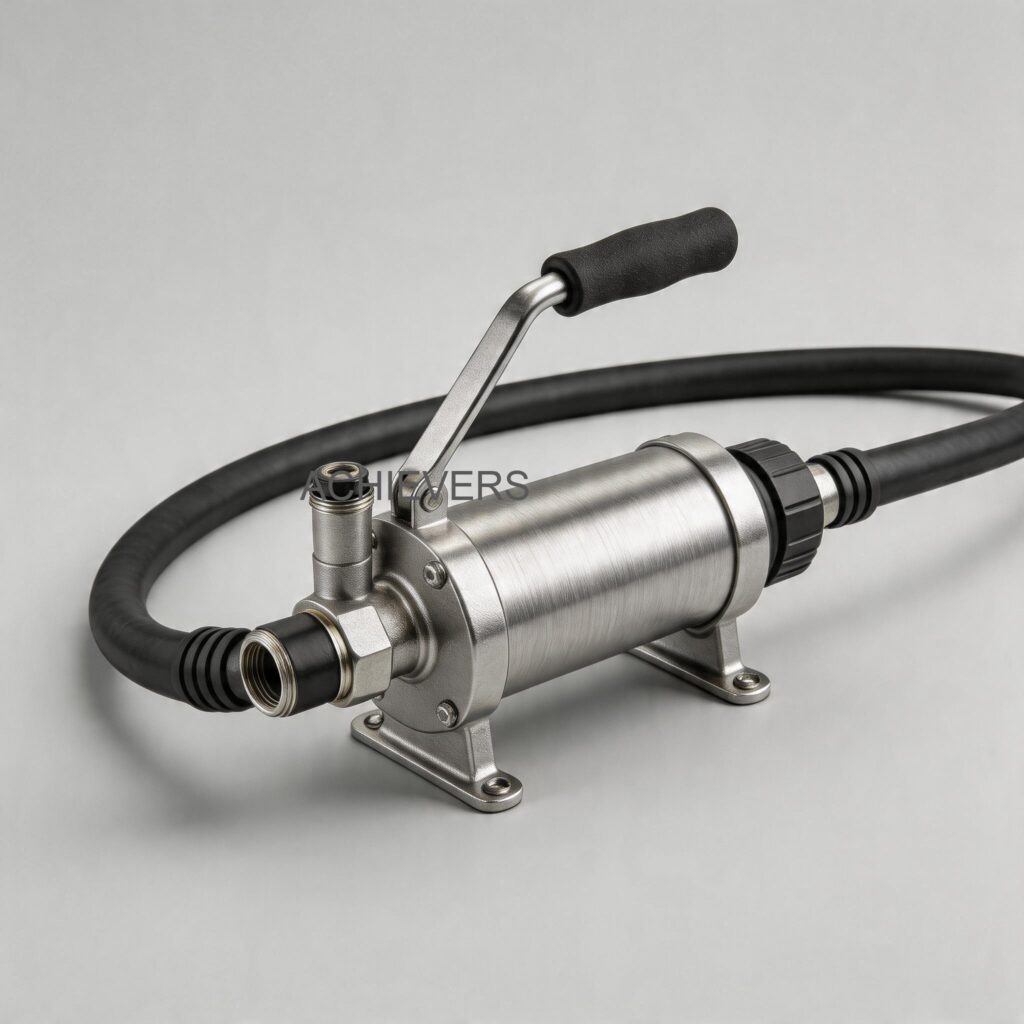
For industrial fleet owners and plant managers across India, managing diesel inventory is a critical operational challenge. Whether you are running earth-moving machinery in a remote construction yard, managing a bustling logistics fleet, or operating continuous manufacturing lines in a GIDC (Gujarat Industrial Development Corporation) estate, fuel handling directly impacts your bottom line. Unfortunately, many Indian industrial buyers severely underestimate the total cost of ownership (TCO) associated with moving fuel. They often focus solely on the initial sticker price of a pump, completely ignoring the long-term financial drain caused by power consumption, maintenance downtime, slow refueling times, and fuel spillage.
This comprehensive cost and ROI analysis is designed to quantify the true total cost of ownership for commercial-grade pumping equipment. We will break down the energy draw of 12V and 24V mobile systems, analyze the maintenance frequency of 220V AC stationary pumps, and calculate the exact cost of downtime across fleet yards. By transitioning from manual bucketing or cheap, unbranded equipment to technically sound, "Make in India" Fuel Transfer Pumps, plant managers can accurately benchmark their payback periods, maximize their GST input tax credits, and make highly confident, budget-conscious procurement decisions.
1. Product Overview and Cost Context
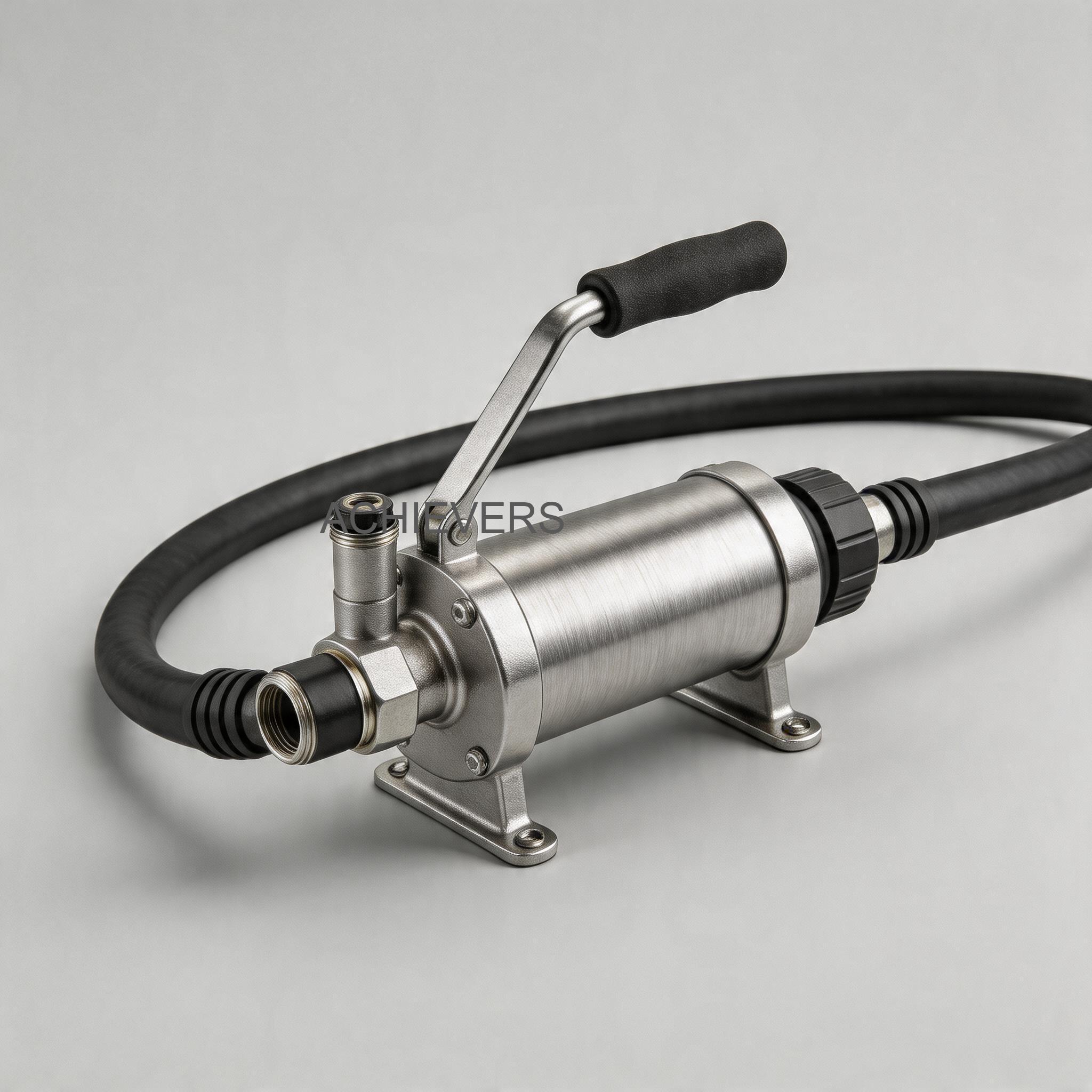
At their core, Fuel Transfer Pumps are displacement, self-priming, rotary electric vane pumps designed specifically for transferring diesel, kerosene, and lube oil. Characterized by high flow rates and robust construction, these units are deployed as the primary fueling systems on earth-moving machinery, mobile fuel trucks, and stationary factory tanks. From an engineering perspective, accurate measurement and controlled, spill-free dispensing hold immense financial value. Every drop of spilled diesel or hour of labor wasted on slow refueling erodes your profit margins.
Lumen Instruments, an established manufacturer based in Ahmedabad, Gujarat, engineers these pumps to meet strict international standards (like CE) while keeping them rugged enough for harsh Indian operating conditions—including extreme summer temperatures up to 45 degrees Celsius and heavily dusty construction environments.
The standard product line includes versatile 12 V DC / 24 V DC models designed for mobile and remote yard operations. For instance, the entry-level CE-40DC delivers a 40 Liters/Minute flow rate while drawing 22A on a 12V system. The higher-capacity CE-70-A-DC outputs 70 Liters/Minute with a 10m head, and the heavy-duty CE-80-DC achieves 80 Liters/Minute. For stationary facility management, the 220V AC series includes the CE-60A (delivering 20-60 Liters/Minute via a 0.37 KW motor) and the CE-80B (delivering 20-70 Liters/Minute via a 0.55 KW motor). Crucially, all these diesel transfer pumps are equipped with an integrated bypass valve and strainer.
In Simple Terms:
Think of a bypass valve as an automatic pressure relief system. When a worker shuts off the dispensing nozzle but leaves the pump motor running, the fuel has nowhere to go. Without a bypass valve, pressure builds up instantly, which can burst hoses or burn out the pump's motor within minutes. The built-in bypass valve safely recirculates the fuel inside the pump housing, protecting the equipment, preventing costly breakdowns, and saving you the cost of replacing a burnt-out motor.
2. Total Cost of Ownership Breakdown
To calculate the true lifetime cost of Fuel Transfer Pumps, you must look beyond the initial purchase order. TCO encompasses installation, energy consumption, preventative maintenance, replacement spares, and—most importantly—the cost of downtime when a machine is idle because it cannot be refueled.
Below is a highly detailed TCO breakdown tailored for the typical Indian market. Note that these are estimated typical Indian market price ranges, and actual costs will vary based on specific site conditions and fluctuating material costs.
| Cost Component | Typical Range (INR) | Frequency | Notes |
| — | — | — | — |
| Upfront Capital Equipment | 12,000 – 28,000 | Once (Initial) | Base cost for CE-certified 12V/24V or 220V AC pumps. GST at 18% is applicable but can be claimed as Input Tax Credit (ITC) by registered businesses. |
| Installation & Piping | 3,500 – 8,000 | Once (Initial) | Includes skilled labor, specialized fuel-grade hoses (3/4 inch or 1 inch), clamps, and basic electrical wiring integration. |
| Initial Calibration & Setup | 1,500 – 3,000 | Once (Initial) | Necessary if paired with Fuel Flow Meters to ensure precise volumetric tracking. |
| Consumables (Strainer filters) | 800 – 1,500 | Bi-Annually | Routine replacement of mesh strainers to prevent particulate damage to the rotary vanes. |
| Energy Consumption (DC/AC) | 2,000 – 4,500 | Annually | Calculated based on standard industrial power tariffs or vehicle battery alternator drag (e.g., 0.55 KW motor running 2 hours daily). |
| Annual Maintenance Contract | 3,000 – 6,000 | Annually | Standard labor costs for preventative maintenance, vane inspection, and seal replacements. |
| Downtime Cost (per event) | 5,000 – 15,000+ | Variable | The cost of an earthmover sitting idle on a construction site waiting for fuel due to a pump failure. |
| Lifespan Replacement | 8,000 – 15,000 | Every 4-6 Years | Cost to replace internal rotary vanes, bypass springs, or armature rewinding after heavy continuous duty. |
When you source "Make in India" equipment from an Ahmedabad supplier, you significantly reduce the "Lifespan Replacement" and "Downtime" costs because spare parts are available locally, bypassing expensive import duties and long international shipping delays.
3. ROI Calculation: Real-World Indian Example
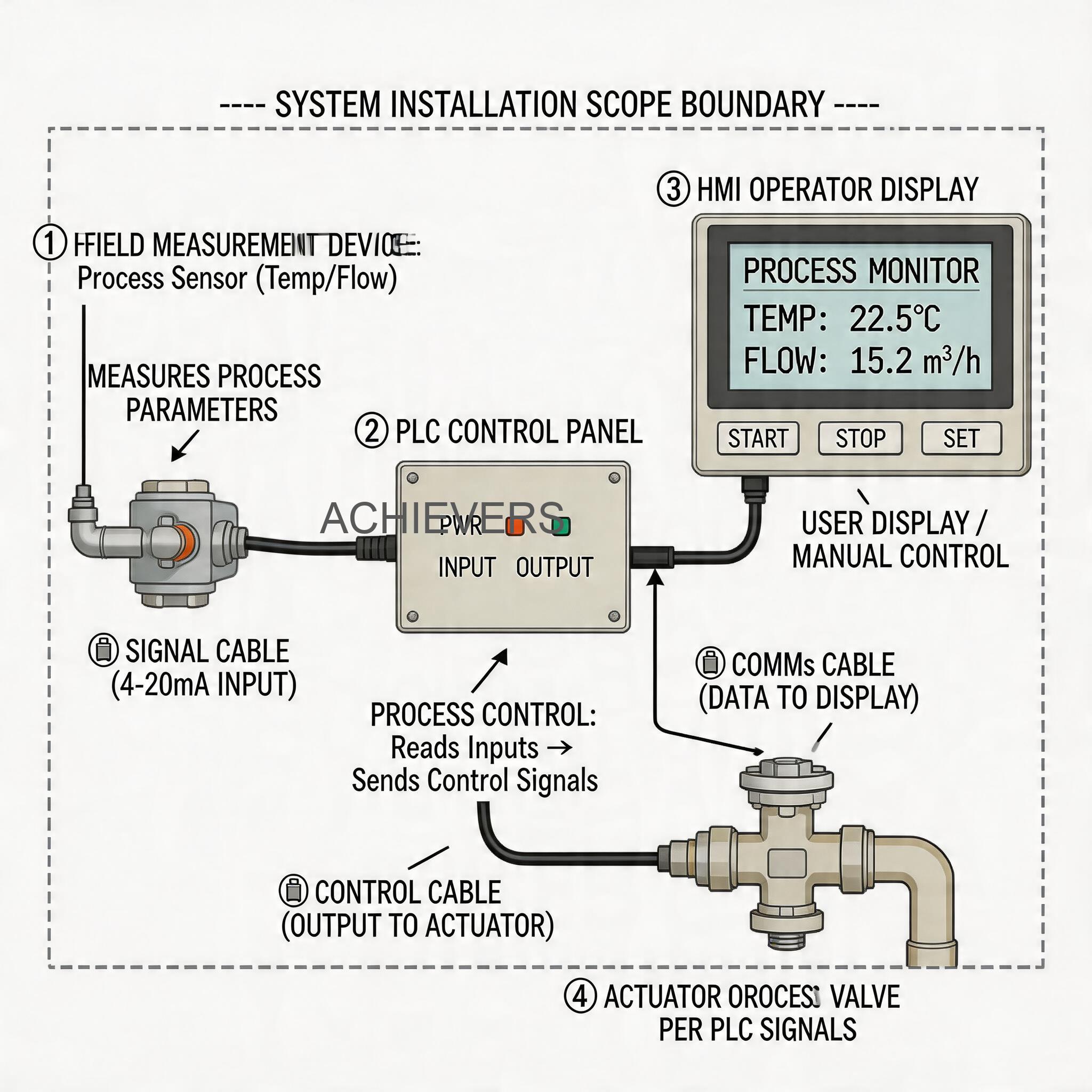
To help you justify this capital expenditure, let us walk through a real-world Return on Investment (ROI) calculation for a medium-sized infrastructure contractor operating in Gujarat.
The Scenario:
A construction yard operates 15 diesel-powered earthmovers. Currently, refueling is done manually via gravity feed and hand-cranking from a mobile 1,000-liter drum. The fleet consumes roughly 1,500 liters of diesel per day.
- Quantify Existing Spillage Losses: Manual transfer from drums typically results in a 1.5% spillage and pilferage rate.
- Calculate Financial Loss of Spilled Fuel: Assuming a local diesel price of INR 90 per liter.
- Calculate Labor and Machine Downtime: Manual hand-cranking transfers fuel at roughly 15 liters per minute. To pump 1,500 liters, it takes 100 minutes of continuous pumping. Factoring in machine positioning, 3 hours of productive machine time are lost daily to refueling. At a conservative machine billing rate of INR 1,500/hour, that is INR 4,500 lost daily, or INR 1,35,000 monthly.
- Determine the Upfront Investment: The contractor purchases a Lumen CE-80-DC (12V) pump capable of 80 L/min, mounting it on a mobile pickup truck.
- Calculate the New Operational Metric: With an 80 L/min flow rate, pumping 1,500 liters takes less than 20 minutes of actual transfer time. Spillage is reduced to virtually 0% due to the auto-shutoff nozzle and sealed hose connections.
- Calculate Total Monthly Savings:
- Deduct Ongoing Energy/Maintenance Costs: Running the 12V 44A pump off the truck alternator costs roughly INR 500 per month in equivalent truck fuel.
- Calculate Simple Payback Period:
1,500 liters x 1.5% = 22.5 liters lost per day.
22.5 liters x 90 INR = INR 2,025 lost per day.
Monthly fuel loss = 2,025 x 30 days = INR 60,750 per month.
Pump Cost (GST inclusive): ~INR 22,000.
Hoses, nozzles, and wiring: ~INR 8,000.
Total Upfront Investment: INR 30,000.
Fuel savings: INR 60,750
Time/Labor savings: INR 1,00,000 (accounting for minor driving time).
Gross Monthly Savings: INR 1,60,750.
Net Monthly Savings = INR 1,60,250.
Upfront Investment (INR 30,000) / Net Monthly Savings (INR 1,60,250) = 0.18 months.
The investment pays for itself in less than 6 days.
This dramatic ROI proves why relying on manual or outdated methods is a massive financial liability for high-utilization sites.
4. Cost Comparison: Available Approaches
When upgrading their liquid handling infrastructure, Indian plant managers generally evaluate four different approaches. Selecting the wrong approach can lead to severe TCO blowouts over a two-year period.
| Approach | Upfront Cost | Annual Maintenance Cost | Accuracy & Flow | Reliability in Indian Conditions | Best Suited For |
| — | — | — | — | — | — |
| Manual Bucketing / Hand Pumps | Very Low (< ₹3,000) | High (Labor & Spillage) | Very Poor (10-15 L/min) | Low (Operator fatigue, contamination) | Small farms, occasional emergency use |
| Cheap Unbranded Local Pumps | Low (₹5,000 – ₹8,000) | High (Frequent motor burnouts) | Inconsistent (Often over-stated flow) | Very Poor (No bypass valve, poor heat dissipation) | Extremely tight budgets where downtime is acceptable |
| Imported European/US Pumps | Very High (₹45,000+) | Medium (Expensive imported spares) | Excellent (CE/ISO certified) | High (But vulnerable to local voltage spikes) | Multi-national corporations requiring global brand standardization |
| Lumen Make in India Pumps | Moderate (₹12,000 – ₹25,000) | Low (Locally sourced components) | Excellent (40-80 L/min, CE compliant) | Excellent (Ruggedized for local temperatures) | Small & Medium Indian Businesses, GIDC plants, regional logistics fleets |
5. Hidden Costs to Budget For
When planning the deployment of diesel transfer systems on Indian industrial sites, procurement heads often overlook secondary integration costs. To accurately forecast your project budget, you must account for the following hidden TCO elements:
- Import Duties on Spare Parts: If you purchase an imported European brand, replacing a simple set of rotary vanes can take weeks and attract steep import duties. Utilizing domestically manufactured equipment from Gujarat eliminates this bottleneck and keeps inventory costs low.
- Power Conditioning Equipment: In many remote GIDC areas or rural construction sites, 220V AC grid power fluctuates wildly. To protect a 0.55 KW motor on a CE-80B model from voltage sags, you may need to invest in dedicated starters, voltage stabilizers, or MCBs (Miniature Circuit Breakers), which add to the installation cost.
- Vehicle Battery Degradation: For mobile operations, running a heavy 44A draw (like the CE-80-DC 12V model) directly off a stationary pickup truck without the engine running can rapidly degrade the vehicle's lead-acid battery. Factoring in heavy-duty wiring and potential battery replacement is essential.
- Upgraded Piping and Filtration: High flow rates (up to 80 L/min) will scour scale and rust from the inside of old, unlined MS (Mild Steel) storage tanks. You must budget for high-capacity inline strainers and periodic filter replacements to prevent this debris from jamming the pump's vanes.
- Calibration Lab Access: If your transfer pump is integrated with Diesel Dispensing units or flow meters for billing purposes, annual calibration against standard weights and measures is required by Indian authorities.
- GST Input Tax Credit Delays: While an 18% GST applies to industrial machinery, cash-flow conscious businesses must account for the delay between paying the GST during the purchase and realizing the ITC (Input Tax Credit) against their output liabilities.
6. How to Justify the Purchase to Management
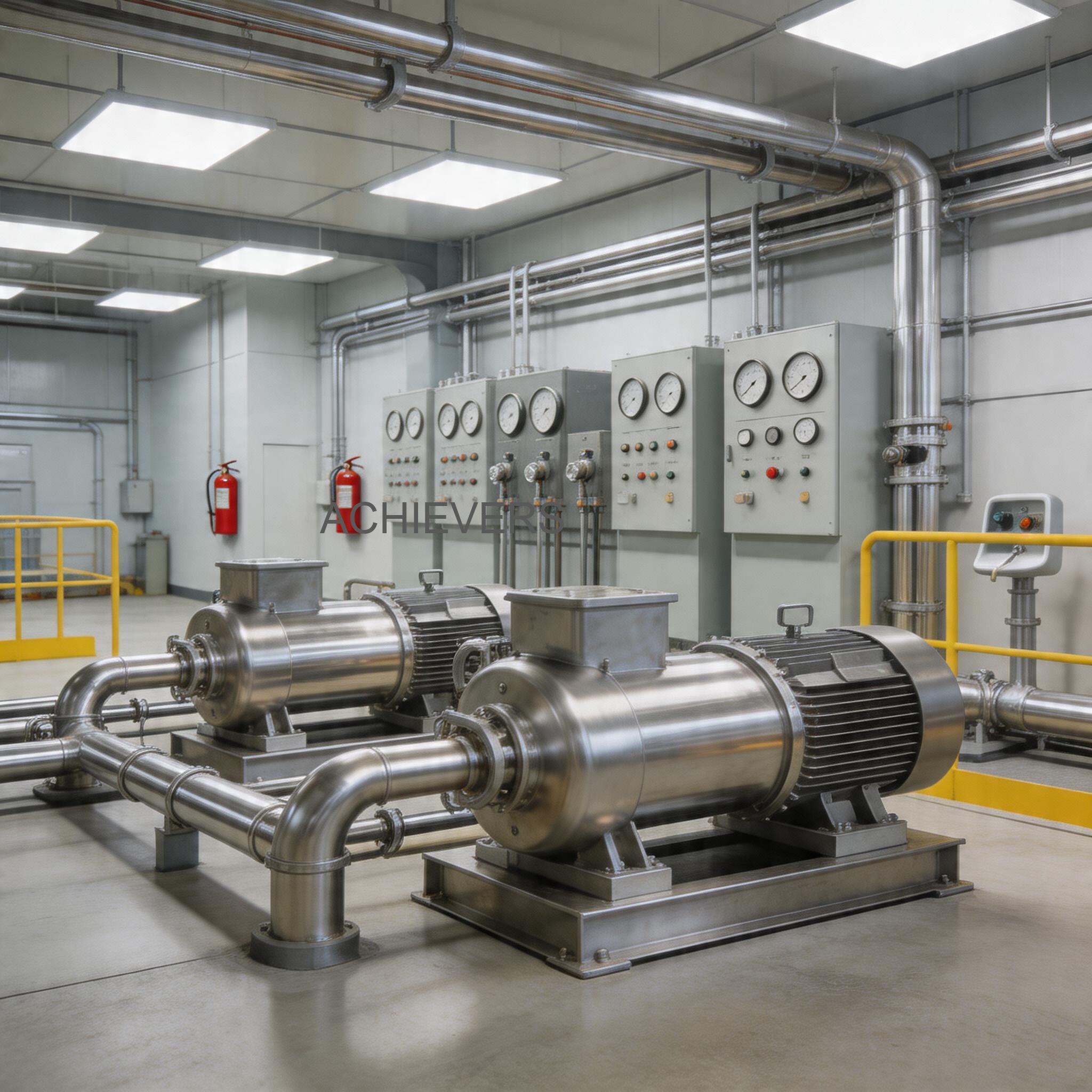
If you are a site engineer or procurement officer, convincing senior management to release capital for upgraded fuel handling requires a structured business case.
- Establish the Baseline: Conduct a 7-day audit of your current fueling process. Measure exact labor hours spent refueling and physically document fuel spillages.
- Quantify the Financial Loss: Translate those lost hours and spilled liters into hard Indian Rupees. Emphasize that diesel is a high-cost liquid asset, not a cheap utility.
- Highlight the Risk Factor: Document the safety hazards of manual fueling, including fire risks from open buckets and slip hazards from oily floors. Mention that enclosed, CE-certified systems drastically reduce workplace incidents.
- Present the Solution and Cost: Propose the specific model (e.g., Lumen CE-70-A-DC) based on your required flow rate (70 L/min). Present the GST-inclusive upfront cost alongside the expected installation charges.
- Demonstrate the Payback Period: Use the ROI calculation method detailed above. When management sees that a ₹20,000 investment yields ₹1,00,000 in annual savings, the approval becomes an easy operational decision.
- Emphasize Maintenance Independence: Focus on the "Make in India" advantage. Assure management that local technical assistance is readily available from Ahmedabad, ensuring the asset won't become dead inventory due to a lack of spare parts.
FAQ
Q: Are these pumps compliant with Indian and international regulatory standards?
A: Yes, these systems are engineered to meet CE certification standards, ensuring robust electrical safety and operational reliability. High-quality materials are sourced from certified vendors, making them highly suitable for demanding Indian industrial sectors.
Q: Can I run a 12V DC pump continuously for hours?
A: DC fuel transfer pumps are typically rated for intermittent duty cycles (usually 30 minutes on, 30 minutes off) to prevent motor overheating. If you require continuous, hour-long transfer operations, a 220V AC model like the CE-60A is highly recommended.
Q: What is the purpose of the built-in bypass valve?
A: The bypass valve allows the fluid to circulate internally when the dispensing nozzle is closed but the pump is still running. This prevents immediate pressure buildup that would otherwise damage the hoses or burn out the pump's motor, making the system practically maintenance-free under normal use.
Q: Which voltage model should I choose for mobile fleet refueling?
A: If you are mounting the unit on a standard Indian commercial pickup truck (like a Bolero or Tata Ace), a 12V DC model (like the CE-40DC) connects directly to the vehicle battery. For larger, heavy-duty commercial trucks with dual-battery setups, the 24V DC version is required.
Q: Can these pumps handle highly viscous liquids like heavy gear oil or grease?
A: No. These specific rotary electric vane pumps are designed for light-to-medium viscosity fluids like diesel, kerosene, and light vegetable or lube oils. Pumping heavy greases will overload the motor and damage the internal vanes.
Q: Can I claim GST on the purchase of these industrial pumps?
A: Yes. Because these are classified as industrial capital goods, registered Indian businesses can typically claim the 18% GST paid on the purchase as an Input Tax Credit (ITC), effectively lowering the total cost of ownership.
Q: How frequently do I need to service the internal components?
A: Thanks to their robust construction, these pumps are largely maintenance-free for the first few years. Routine maintenance is generally limited to cleaning the inline strainer every few months and visually inspecting the hoses for degradation due to extreme weather.
Ready to eliminate fuel spillage, slash machinery downtime, and take absolute control of your diesel inventory? Contact the technical team at Lumen Instruments today with your required flow rate, application type, and site power conditions, and we will help you select the exact Fuel Transfer Pump engineered for your operational budget.