
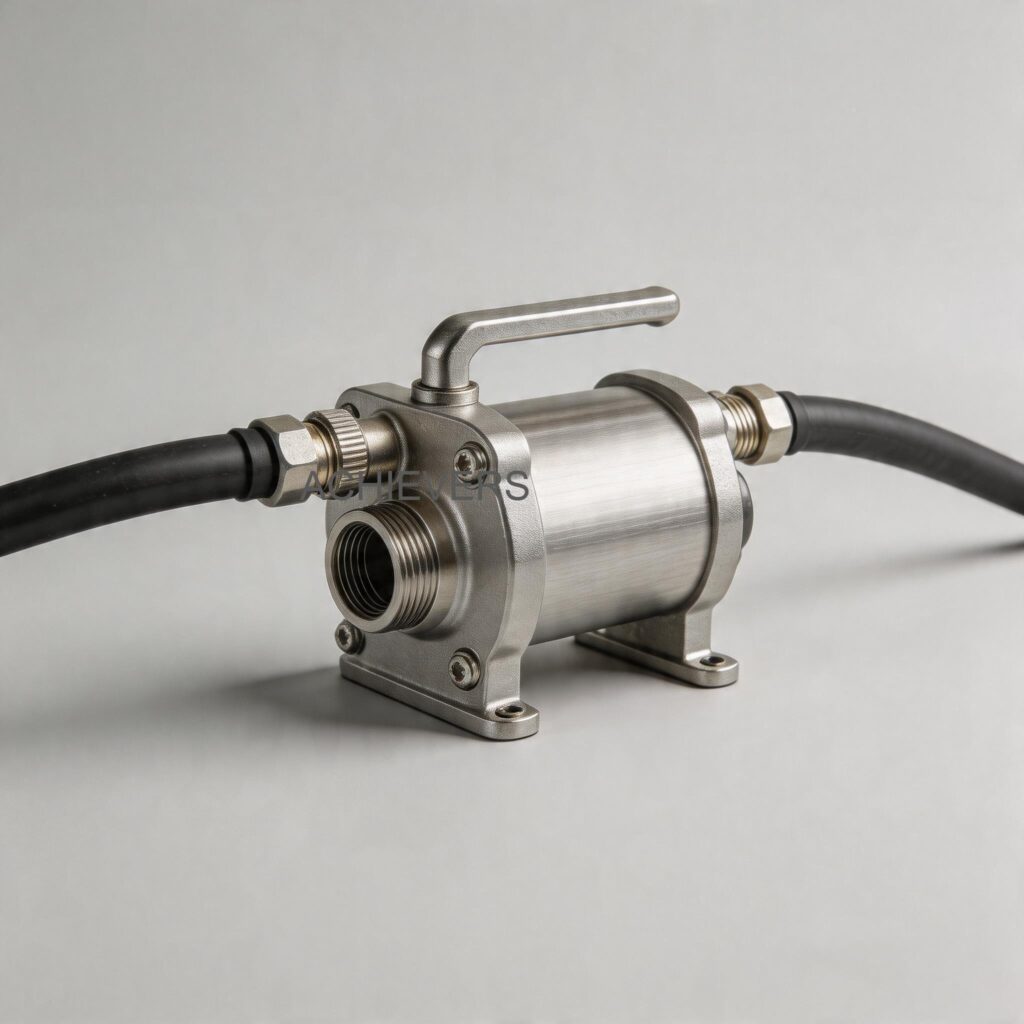
Downtime in a bustling industrial plant or a heavy-duty construction yard is expensive. Whether your operations are based in a massive GIDC estate in Gujarat or a remote mining site, keeping your earth-moving machinery and backup generators fueled is critical. When your fluid transfer system starts making excessive noise or shaking violently, it is a clear warning sign of impending mechanical failure. Ignoring these symptoms leads to shattered rotary vanes, blown shaft seals, and burned-out motors. Proper Fuel Transfer Pumps troubleshooting is the difference between a quick 10-minute field fix and a costly replacement.
This comprehensive industrial fuel transfer pump supplier troubleshooting guide is written specifically for plant managers, maintenance engineers, and procurement heads. It breaks down the mechanical, electrical, and installation issues that cause excessive noise and vibration. By understanding the root causes, you can diagnose faults quickly, extend the life of your equipment, and maintain a safe, highly efficient facility. In the typical Indian market price range, a robust, industrial-grade pump costs between ₹8,000 and ₹25,000 (plus 18% GST depending on the model and capacity). Protecting this investment through proper troubleshooting ensures long-term operational efficiency and supports the quality-driven goals of the Make in India initiative.
1. Quick Reference: How Fuel Transfer Pumps Work
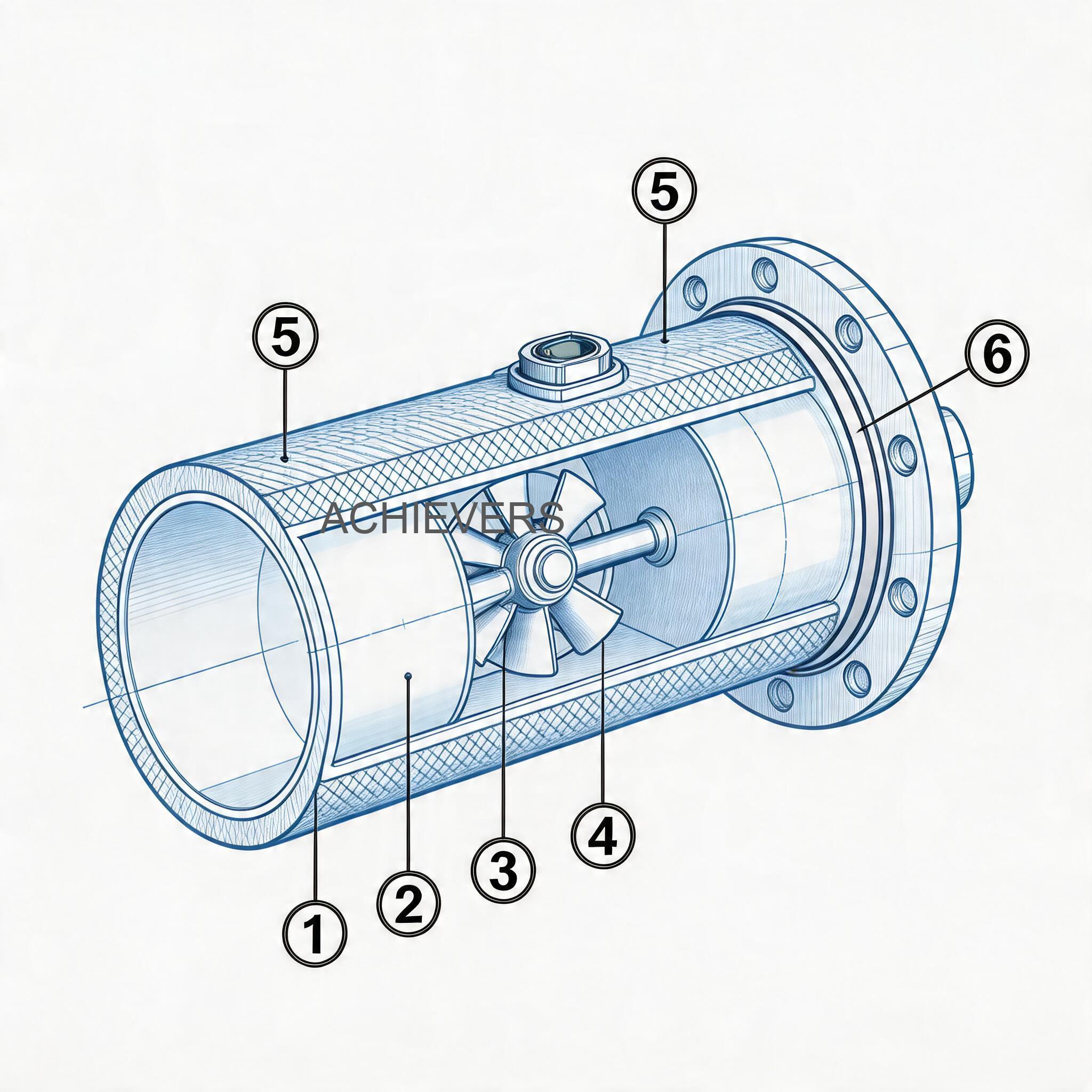
Before dismantling a noisy unit, it is crucial to understand its core operating principles. The majority of diesel and kerosene transfer pumps used in industrial settings are positive displacement, self-priming rotary electric vane pumps.
When the motor turns the rotor, centrifugal force pushes the sliding vanes outward against the inner wall of the pump chamber. This creates an expanding cavity on the suction side (drawing fuel in) and a collapsing cavity on the discharge side (pushing fuel out). Because fuel acts as a lubricant and coolant for the internal vanes, these units must never run dry for extended periods.
Our line of Fuel Transfer Pumps features a built-in bypass valve. If the discharge nozzle is closed while the motor is still running, the bypass valve opens, circulating the fuel internally to prevent pressure build-up and motor stall. AC models are also equipped with built-in strainers to catch debris before it enters the pumping chamber.
In Simple Terms:
Think of a rotary vane pump like a revolving door. The fuel enters one side, gets trapped between the "doors" (the vanes), and is pushed out the other side. If the exit is blocked, a safety door (the bypass valve) opens so the fuel can just spin in circles safely until the exit is clear. If dirt gets stuck in the revolving door, or if it spins too fast without enough liquid, it rattles and makes noise.
Here is a technical specification reference for standard models to help you identify your unit’s expected baseline parameters:
| Model | Operating Voltage | Flow Rate | Input/Output | Key Features | Max Suction Lift |
| — | — | — | — | — | — |
| CE-40DC | 12V / 24V DC | 40 L/min | 3/4 inch | Compact, 2800 RPM | 2-4 m |
| CE-70-A-DC | 12V / 24V DC | 70 L/min | 3/4 inch | High capacity DC | 2-4 m |
| CE-80-DC | 12V / 24V DC | 80 L/min | 1 inch | Heavy-duty, 44A (12V) | 2-4 m |
| CE-60A | 220V AC | 20-60 L/min | Standard | Built-in Strainer, Bypass | Internal Prime |
| CE-80B | 220V AC | 20-70 L/min | Standard | Built-in Strainer, Bypass | Internal Prime |
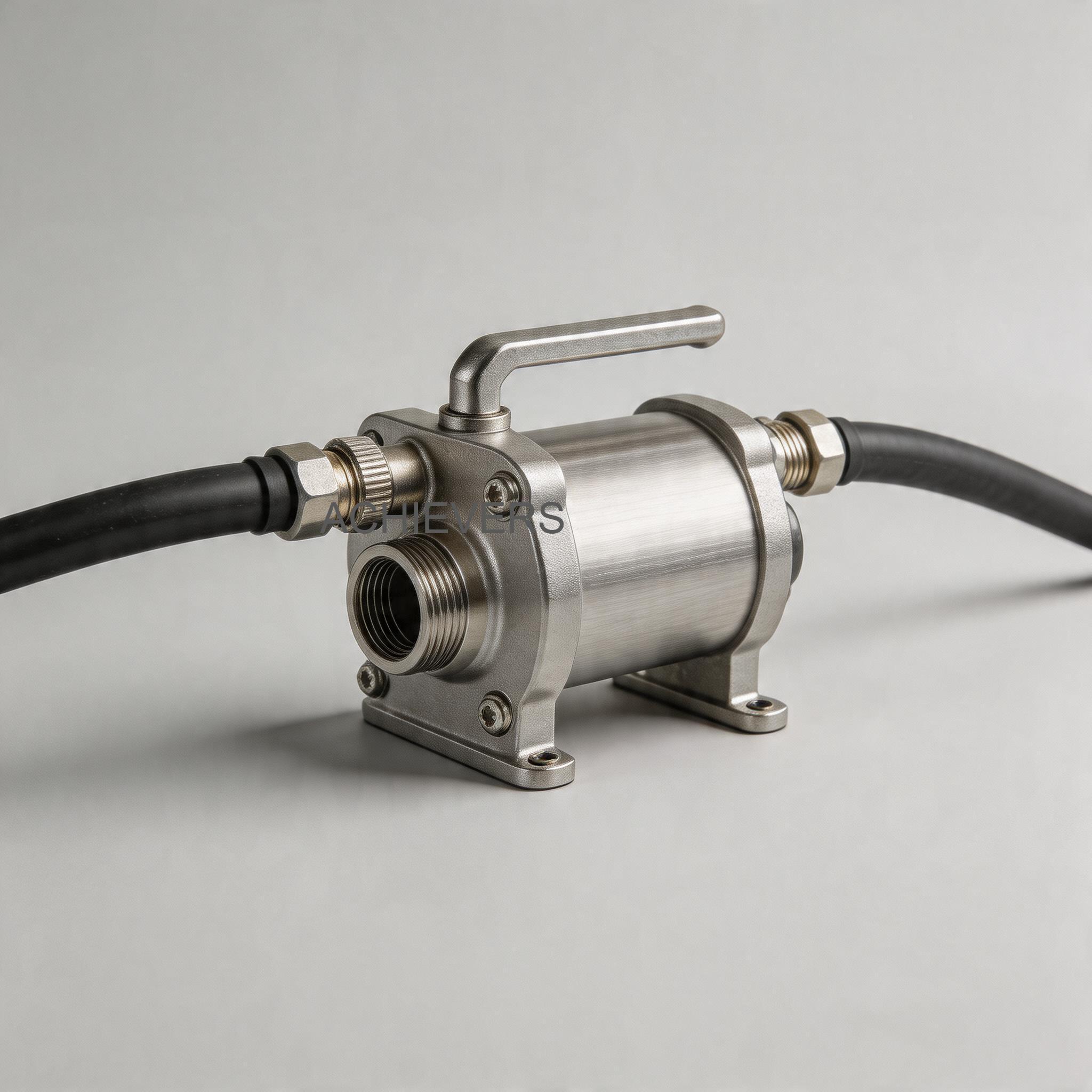
2. Troubleshooting Matrix: Fuel Transfer Pump Noise and Vibration Causes and Fixes
When maintaining Fuel Transfer Pumps, diagnosing the exact type of noise is half the battle. Use this technical matrix to match your specific symptom with the likely cause and immediate field fix.
| Symptom | Likely Cause | Diagnosis Steps | Fix |
| — | — | — | — |
| High-pitched whining or popping noise | Cavitation (fuel vaporizing) | Check suction line vacuum pressure; inspect for restricted intake. | Clean strainer; increase suction pipe diameter; reduce suction lift height. |
| Heavy mechanical rattling | Worn or broken rotary vanes | Open pump head and visually inspect vanes for chipping or severe wear. | Replace rotary vanes; clear any solid debris from the pumping chamber. |
| Deep, rumbling vibration | Base misalignment or loose mounts | Check foundation bolts; inspect piping for hard-line stress on the pump body. | Tighten mounting bolts; install flexible vibration isolators on pipes. |
| Loud squealing on startup | Motor bearing failure / Lack of lubrication | Spin rotor manually with power off to feel for grinding or resistance. | Replace motor bearings; ensure pump is not running completely dry. |
| Motor humming but no rotation | Jammed rotor or low voltage | Measure voltage at terminals; check if bypass valve is stuck closed. | Clear debris from rotor; verify 220V AC or required 12V/24V DC under load. |
| Rapid clicking / erratic flow | Air leak in the suction line | Inspect all suction side fittings, O-rings, and thread sealant for leaks. | Re-seal suction fittings with diesel-rated Teflon tape or liquid sealant. |
| Shrill bypass noise during dispensing | Bypass valve spring fatigued | Test pressure at discharge; listen for fluid circulating prematurely. | Remove, clean, and recalibrate or replace the internal bypass valve spring. |
| Zero reading/No flow with pump running | Dry running / Lost prime | Check fuel level in tank; inspect foot valve (if installed) for failure. | Refill supply tank; prime the suction line manually; replace foot valve. |
| Excessive heat alongside vibration | Voltage drop / Overworking | Use multimeter to test amp draw (e.g., should be ~22A for CE-40DC 12V). | Use thicker gauge electrical wire to prevent voltage drop over long distances. |
| Leaking fuel with grinding noise | Mechanical seal failure | Inspect the area between the motor and pump head for diesel weeping. | Replace mechanical shaft seal immediately to prevent diesel entering motor. |
3. Step-by-Step Field Diagnosis Procedure
When troubleshooting fuel transfer pumps in India industrial sites, environmental factors like high ambient temperatures and dusty conditions often exacerbate mechanical issues. If you are trying to figure out how to reduce vibration in diesel fuel transfer pump systems, follow this standard 8-step field procedure.
Tools Required: Digital multimeter, vacuum/pressure gauge, standard wrench and Allen key set, vibration measurement pen (optional), clean rags, and diesel-compatible thread sealant.
- Safety and Power Isolation: Before touching the equipment, physically disconnect the power supply. For 220V AC systems, turn off the MCB. For 12V/24V DC mobile systems, disconnect the battery leads. Lock out the equipment to prevent accidental startup.
- Visual and Structural Inspection: Check the physical mounting of the pump. Many vibration issues stem from loose foundation bolts on the skid or vehicle chassis. Ensure the unit is bolted down to a rigid surface. Check the piping for stress—rigid pipes that do not align perfectly with the pump inlet/outlet will pull on the casing, causing internal misalignment and vibration.
- Electrical Integrity Test: Reconnect power temporarily and measure the voltage at the pump terminals while the motor is turning. A 12V DC pump running on 9V due to thin, undersized wires will struggle, overheat, and vibrate. Ensure the voltage matches the specification plate under load.
- Strainer and Filter Check: Isolate the suction line and open the built-in strainer housing (common on models like the CE-60A and CE-80B). In heavy-duty construction yards, dust and sludge often clog the mesh. A clogged strainer restricts flow, leading directly to cavitation. Clean the mesh with compressed air or solvent.
- Diagnosing Cavitation: Fuel transfer pump cavitation symptoms and solution mapping is critical. Cavitation sounds like marbles rattling inside the pump head. It happens when the suction vacuum is too high, causing the diesel to boil into vapor bubbles that collapse violently. Attach a vacuum gauge to the suction port. If the vacuum exceeds manufacturer limits, your suction line is either too long, too narrow, or blocked.
- Bypass Valve Inspection: If the pump vibrates heavily only when the dispensing nozzle is closed, the bypass valve is likely stuck. Remove the bypass valve plug, extract the spring and poppet. Clean out any metallic shavings or rust, lubricate with clean diesel, and reassemble.
- Internal Vane and Chamber Check: If the pump is rattling constantly, open the front cover plate. Inspect the rotary vanes. They should slide freely in and out of the rotor slots. If they are chipped, worn down, or jammed by debris, they must be replaced. Check the inner stator ring for scoring.
- Reassembly and Prime Test: Once parts are cleaned or replaced, reassemble the front cover carefully, ensuring the O-ring is seated perfectly to prevent air leaks. Prime the pump by pouring a small amount of diesel into the intake, reconnect the lines, and power it on. Monitor for smooth, quiet operation.
4. Installation and Setup Errors That Cause Ongoing Problems
Many maintenance teams spend hours fixing pump internals when the actual root cause is a poor initial installation. Ensure your setup adheres to proper fluid dynamics and BIS (Bureau of Indian Standards) recommended practices for electrical and mechanical safety.
| Installation Error | Resulting Symptom | Professional Correction |
| — | — | — |
| Undersized Suction Piping | High-pitched whining; severe cavitation; low flow rate. | Always match pipe diameter to the pump’s inlet (e.g., 1 inch for CE-80-DC). Never use a smaller pipe. |
| Excessive Suction Lift | Pump runs dry; loses prime frequently; burns out vanes. | Keep the vertical distance from the fuel level to the pump under 2-4 meters. Relocate pump closer to tank. |
| Missing Suction Strainer | Sudden mechanical jamming; clicking noises; broken vanes. | Always install a Y-strainer or use built-in strainers to catch tank rust and debris. |
| Hard Piping Without Flex | Deep vibrations transmitted through the plant infrastructure. | Install flexible, diesel-rated hoses for the first 0.5 meters of connection to isolate vibration. |
| Incorrect Wire Gauge | Motor overheating; sluggish RPM; premature electrical failure. | Use heavy-duty, thick copper cables, especially for DC pumps drawing high amps (44A for 12V CE-80-DC). |
| No Foot Valve on Long Runs | Air in the system; dry running on startup; erratic flow reading. | Install a high-quality non-return valve (foot valve) at the bottom of the suction line in the tank. |
5. Preventive Maintenance to Avoid Recurrence
A proactive maintenance schedule ensures your fuel dispensing systems operate flawlessly, delivering accurate volumes to Fuel Flow Meters without air bubbles or pulsation. Equipment built under the Make in India initiative is designed to handle harsh local environments, but it still requires routine care.
- Daily: Inspect for external diesel leaks around the mechanical seal and pipe joints. Listen to the pump during operation—a trained ear can catch bearing whine or bypass chatter before it becomes a failure.
- Weekly: Check the primary inlet strainer and the foot valve screen. Drain any water condensation from the bottom of your bulk diesel storage tank to prevent water from entering the pump, which causes internal corrosion and winter freezing.
- Monthly: Check electrical connections for tightness and corrosion. High vibration environments (like mobile fuel bowsers) can rattle terminal screws loose, causing electrical arcing.
- Bi-Annually: Open the pump head and measure vane wear. Vanes are consumable wear parts. Replacing them before they snap prevents catastrophic damage to the rotor and casing. Also, verify that the dispensing nozzle and Diesel Dispensing hose are free of kinks that could create unnatural backpressure.
6. When to Call Service vs. Fix Yourself
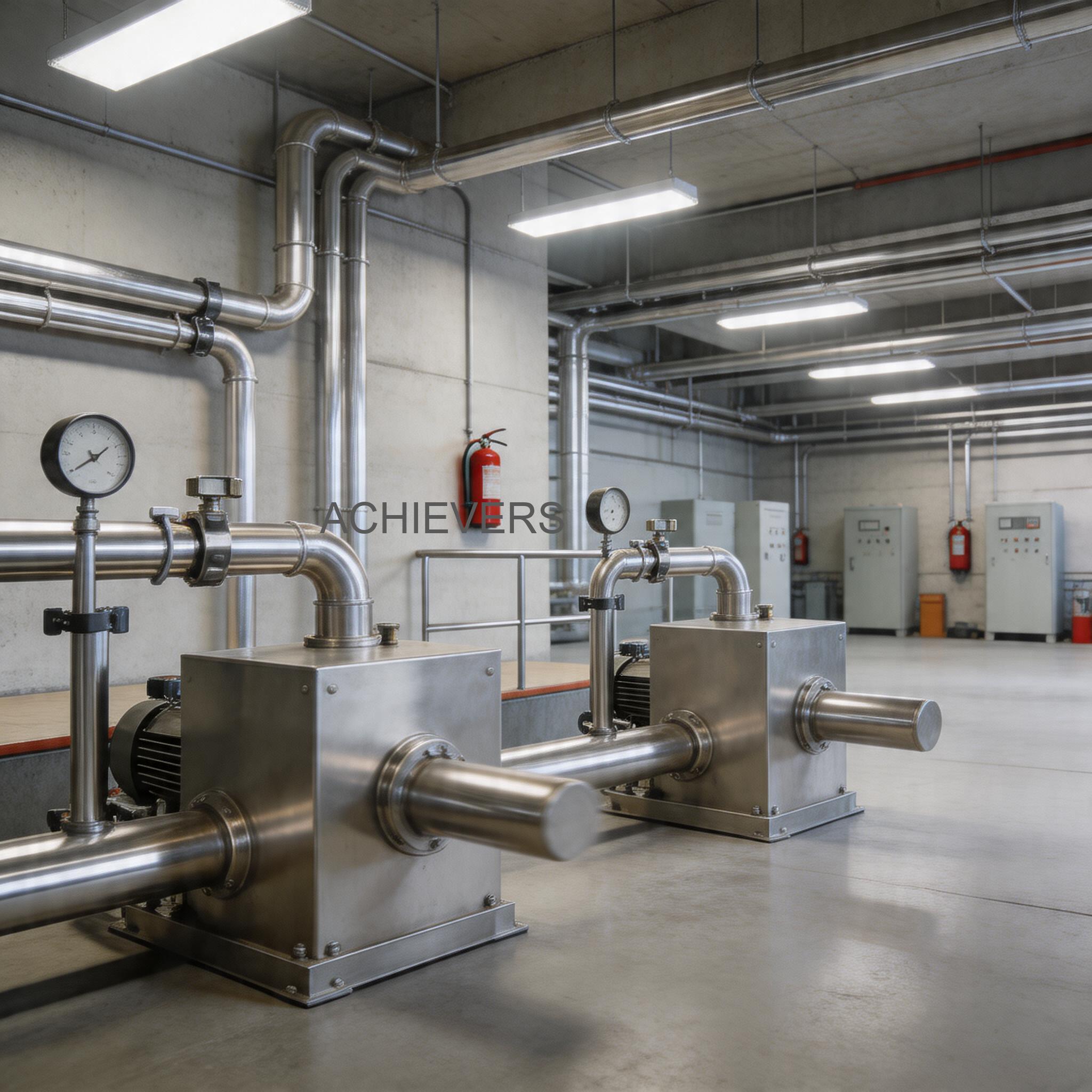
While this guide empowers site engineers to handle most day-to-day anomalies, certain situations require factory-level intervention or complete replacement.
What You Should Fix on Site:
- Cleaning strainers and filters.
- Tightening foundation bolts and adding vibration dampeners.
- Replacing worn rotary vanes (with standard maintenance kits).
- Fixing suction line air leaks and resealing threads.
- Clearing a jammed bypass valve.
When to Call Lumen Instruments or a Certified Technician:
- Motor Rewinding: If the electrical motor has burned out due to severe voltage drops or sustained dry running, it requires professional rewinding or a full motor replacement.
- Cracked Pump Casing: If the main cast body is cracked due to extreme pipe stress or physical impact, it cannot be safely welded on-site without risking catastrophic pressure failure.
- Shaft Scoring: If the main drive shaft is deeply grooved where the mechanical seal sits, a new seal will continue to leak. The rotor assembly must be replaced.
Understanding this balance ensures your facility maintains safety compliance while avoiding unnecessary service callout fees for simple fixes like a clogged filter.
FAQ
Q: Why does my fuel transfer pump make a loud rattling noise only when it starts?
A: This is typically caused by the pump running dry for a few seconds before the fuel reaches the chamber (losing prime). Check your suction line for air leaks and ensure your foot valve is holding the fuel in the pipe when the pump is off.
Q: What is cavitation, and how do I stop it?
A: Cavitation occurs when the pump pulls too hard on the suction side, causing the diesel to vaporize into bubbles that collapse and damage the pump internals. Stop it by cleaning the inlet strainer, increasing the suction pipe diameter, or moving the pump closer to the fuel tank.
Q: Can I use a 3/4-inch pipe on a pump with a 1-inch inlet?
A: It is highly discouraged. Reducing the suction pipe size restricts fluid flow, strains the motor, and almost guarantees cavitation and excessive noise. Always match or slightly exceed the inlet size.
Q: How often should I replace the rotary vanes in a diesel transfer pump?
A: In a high-usage industrial environment, inspect the vanes every 6 to 12 months. Replace them when they show visible signs of chipping or have worn down past the manufacturer’s recommended tolerance, usually indicated by a sudden drop in flow rate.
Q: My 12V DC mobile pump gets very hot and vibrates heavily. What is wrong?
A: This is usually an electrical issue. If the wires connecting the pump to the vehicle battery are too thin or too long, voltage drops significantly. The motor tries to pull more current to compensate, leading to overheating and erratic rotation. Upgrade to thicker copper cables.
Q: Does GST apply to industrial fuel pumps, and are spares easily available in India?
A: Yes, industrial fuel transfer pumps generally attract an 18% GST. Because our pumps are manufactured locally in Ahmedabad, replacement parts like vanes, seals, and rotors are readily available without the high costs and lead times associated with imported units.
Q: Why is my pump running, but the flow rate is extremely slow?
A: The most common culprit is a blocked inlet strainer. Alternatively, the internal bypass valve might be stuck in the open position, causing the fuel to loop internally rather than pushing out through the discharge hose.
If you are experiencing persistent noise, vibration, or flow issues that field maintenance cannot resolve, our engineering team at Lumen Instruments is ready to assist. Contact us today with your current pump model, required flow rate, and specific site conditions, and we will help you find the most durable, cost-effective fluid transfer solution for your operations.