
When industrial buyers evaluate equipment for their facilities, the upfront price tag often dominates the conversation. Whether you are a plant manager in an Ahmedabad GIDC (Gujarat Industrial Development Corporation) estate or an international procurement head sourcing under the "Make in India" initiative, purchasing fluid measurement equipment requires a deeper financial analysis. Evaluating the total cost of ownership (TCO) and return on investment (ROI) is critical for protecting your operational budget over the long term.
Many businesses underestimate the hidden costs associated with poor fuel management. Relying on manual dipsticks, cheap plastic alternatives, or uncalibrated flow measurement devices leads to accuracy drift, undocumented fuel shrinkage, and higher operational downtime. A well-engineered metering solution acts as a cash register for your diesel and chemical inventory. By calculating the total lifecycle cost—including installation, GST implications, calibration intervals, spares, and audit documentation—you can make a confident, budget-conscious buying decision that ensures reliable long-term fuel accountability.
1. Product Overview and Cost Context
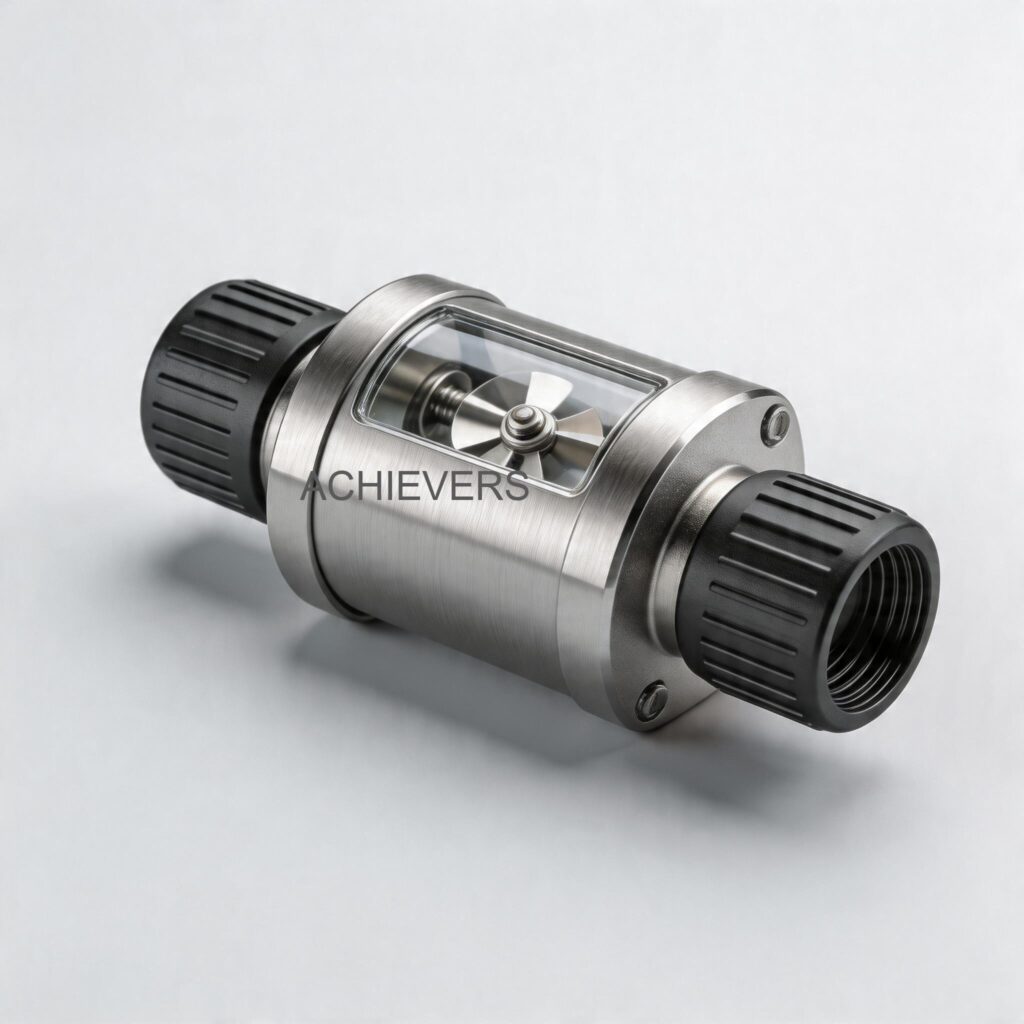
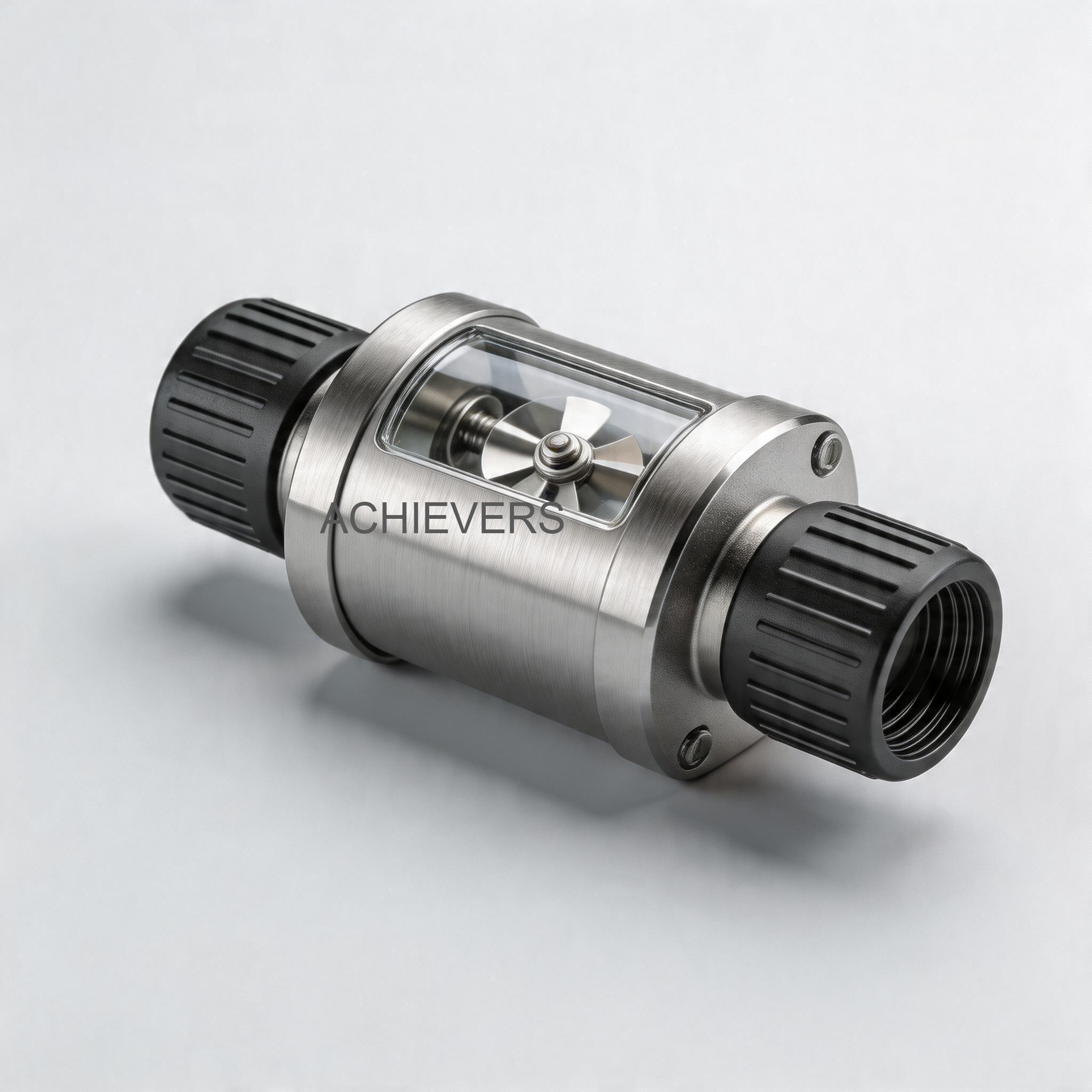
Understanding exactly what you are purchasing is the first step in calculating ROI. The Fuel Flow Meters manufactured by Lumen Instruments are designed specifically for the precise exchange and transition estimation of diesel fuel and other industrial liquids.
Built with a highly accurate Turbine Measuring System, these meters are heavily utilized in chemical plants, HVAC facility management, building automation, and oil and petrochemical applications. They provide optimum functionality and a compact size that is incredibly simple to deal with and easy to utilize. You can introduce the meter either in-line directly into your pipeline or toward the finish of the delivery hose, providing maximum installation flexibility.
The exact technical specifications dictate its lifecycle durability and performance. The Fuel Flow Meters deliver an operational flow range of 11 to 98 LPM (Liters Per Minute) and can withstand pressures up to 50 psi (3.4 bar). Engineered for harsh industrial environments, the core body is made out of Anodized Aluminum, ensuring it resists corrosion and mechanical wear better than standard polymer alternatives.
For precise accountability, the meter features a Five-Digit LCD Readout with a Resettable Totalizer, allowing operators to track individual batch transfers while maintaining a running total. It offers a strict +/- 1% accuracy margin. The standard connections are 1 in. Channel and Outlet, but the kit reduces down from a 1 in. bay and outlet to a 3/4 in. utilizing a reducer bushing, ensuring compatibility with existing Indian plant piping infrastructures. Furthermore, it measures fluid volumes in Gallons, Liters, Quarts, and Pints to support both domestic operations and international export buyers.
In Simple Terms
Total Cost of Ownership (TCO) means adding up every single Rupee you spend on a piece of equipment over its entire working life—not just the initial invoice amount. For a flow meter, TCO includes the purchase price, GST, installation labor, annual calibration testing, replacement parts, and the financial cost of any fuel you lose if the meter starts reading inaccurately.
2. Total Cost of Ownership Breakdown
To truly understand what Fuel Flow Meters cost over a standard 5-year lifecycle, you must look past the initial quotation. For an Indian business owner or a global buyer sourcing from Gujarat, budgeting for the entire lifecycle prevents unexpected maintenance costs and ensures compliance with internal and external audits.
Below is a typical TCO breakdown for a high-quality digital turbine flow meter operating in a standard industrial environment.
| Cost Component | Typical Range (INR) | Frequency | Notes |
| — | — | — | — |
| Upfront Purchase Price | 8,000 – 15,000 | Once | Nominal base price for anodized aluminum turbine meter with LCD. |
| Goods and Services Tax (GST) | 1,440 – 2,700 | Once | Standard 18% GST applicable for Indian industrial buyers (ITC claimable). |
| Installation & Piping Modifications | 1,500 – 3,500 | Once | Cost of local fitters, reducer bushings (1 inch to 3/4 inch), and thread sealants. |
| Initial Commissioning & Testing | 1,000 – 2,000 | Once | Ensuring the +/- 1% accuracy is verified before active service. |
| Annual Calibration (NABL/BIS Lab) | 2,000 – 4,000 | Annually | Required for ISO audits and maintaining absolute accuracy over time. |
| Spares and Consumables | 1,000 – 2,500 | Every 2 Years | Replacing internal turbine rotors, battery replacements for the 5-digit readout. |
| Downtime per Maintenance Event | 3,000 – 6,000 | Variable | Lost productivity cost when the fuel line is shut down for maintenance. |
| End of Lifespan Replacement | 8,000 – 15,000 | Every 5-7 Years | Based on heavy usage; protected initially by a One-Year Warranty. |
3. ROI Calculation: Real-World Indian Example
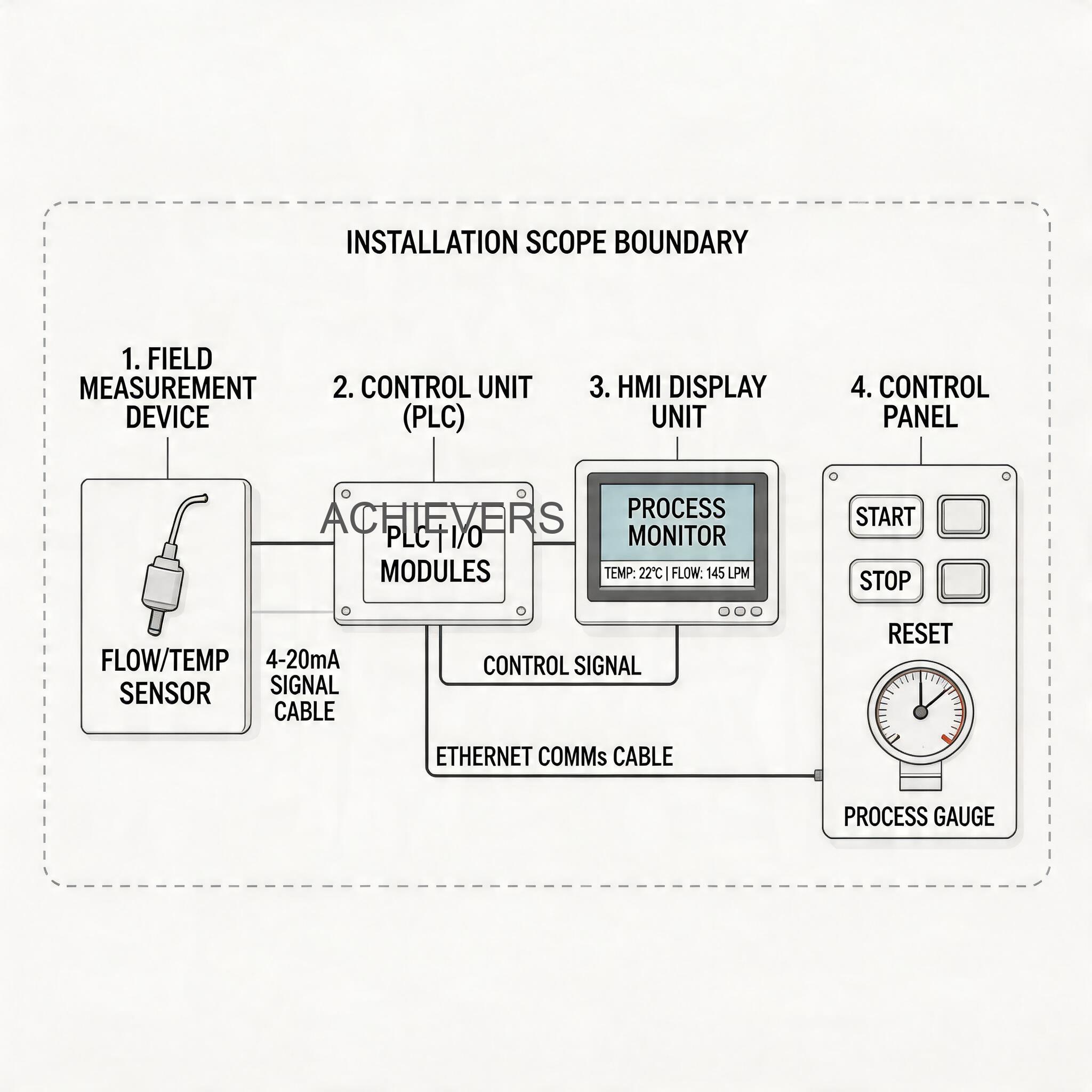
How do Fuel Flow Meters actually pay for themselves? Let us walk through a practical scenario involving a mid-sized automotive components manufacturer in an Indian industrial sector. The plant runs two large 500 kVA diesel generator (DG) sets to counter local power grid fluctuations and uses a central storage tank to distribute diesel to daily service tanks.
- Establish the Baseline Fuel Consumption: The plant transfers approximately 1,500 liters of diesel per day from the main tank to the day tanks.
- Identify the Cost of Fuel: At a local pricing rate of approximately Rs. 90 per liter, the daily fuel transfer value is Rs. 1,35,000.
- Determine the Error Margin Before Installation: Using manual dipsticks and visual gauges, the plant historically suffered a 2% shrinkage rate due to spillage, undocumented transfers, and measurement errors.
- Quantify the Financial Loss: A 2% error on 1,500 liters is 30 liters of unrecorded diesel per day. At Rs. 90 per liter, the plant is losing Rs. 2,700 every single day, or Rs. 81,000 per month.
- Calculate the Investment Cost: The plant purchases a digital turbine Fuel Flow Meter. Including the unit cost, 18% GST, reducer bushings, and local installation labor, the total installed capital expenditure is roughly Rs. 16,000.
- Apply the Meter's Accuracy Rate: The new meter boasts a strict +/- 1% accuracy margin. By enforcing strict accountability with the 5-digit resettable totalizer, the 2% human-error shrinkage is entirely eliminated, leaving only a maximum mechanical variance of 1%.
- Calculate Monthly Savings: The plant immediately stops losing Rs. 2,700 per day to human error. Even factoring in a worst-case 1% mechanical variance (Rs. 1,350), the plant achieves a net daily savings of Rs. 1,350. Over a 30-day month, this translates to Rs. 40,500 saved.
- Determine the Simple Payback Period: With an initial investment of Rs. 16,000 and monthly savings of Rs. 40,500, the meter completely pays for itself in less than 12 days. Over the first year alone, the ROI is tremendously positive, generating over Rs. 4,70,000 in saved fuel inventory costs.
4. Cost Comparison: Available Approaches
Plant managers often have to choose between several fluid measurement technologies. Upgrading to a digital turbine system offers the best balance of affordability and industrial-grade reliability. Here is how different approaches compare regarding upfront investment, accuracy, and overall lifecycle value.
| Approach | Upfront Cost | Annual Maintenance Cost | Accuracy Margin | Reliability in Harsh Conditions | Best For |
| — | — | — | — | — | — |
| Manual Dipstick / Sight Glass | Very Low | None | +/- 5% to 8% | Low (Prone to human error) | Small, non-critical backup tanks |
| Plastic Mechanical Meters | Low | High (Frequent breaks) | +/- 3% to 4% | Very Low (Degrades in heat/sun) | Agricultural, temporary setups |
| Aluminum Turbine Digital Meter | Medium | Low | +/- 1% | High (Anodized aluminum body) | Industrial plants, DG sets, export B2B |
| Coriolis Mass Flow Meters | Very High | Medium | +/- 0.1% | Extremely High | Custody transfer, complex chemical mixes |
While Coriolis meters provide exceptional accuracy, their extreme upfront cost is rarely justified for standard diesel or utility water transfers. Conversely, relying on cheap plastic meters or manual methods guarantees financial losses through inaccuracy. The aluminum turbine design sits in the optimal "value zone" for B2B buyers.
5. Hidden Costs to Budget For
When sourcing Fuel Flow Meters for industrial fuel transfer, Indian buyers and international procurement teams must account for localized operational realities. Ignoring these hidden elements will artificially deflate your TCO calculations and lead to budget overruns.
- GST Cash Flow and Input Tax Credit (ITC): For Indian businesses, an 18% GST applies to industrial measuring equipment. While you can claim this as Input Tax Credit, the initial cash outflow must be budgeted. Ensure your supplier provides compliant HSN coded tax invoices.
- Piping Modifications and Reducers: Industrial pipelines rarely match equipment specifications perfectly out of the box. Fortunately, high-quality meters account for this by including hardware that reduces down from a 1 in. bay and outlet to a 3/4 in. utilizing a reducer bushing. If you do not buy a kit with these included, you will spend extra on local fabrication.
- NABL / BIS Calibration Lab Fees: ISO compliance requires that measuring equipment be periodically recalibrated. You must budget for third-party calibration services annually to ensure the meter maintains its 1% accuracy parameter, preventing accuracy drift over time.
- Import Duties on Spares (The Local Advantage): Buying imported European or American meters means paying heavy import duties and facing long lead times for replacement parts. Sourcing from a reliable Ahmedabad-based Make in India manufacturer ensures that replacement turbine rotors and LCD screens are available quickly at local, reasonable rates without customs delays.
- Upstream Pumping Inefficiencies: A highly accurate flow meter will quickly reveal if your existing transfer system is failing. Identifying inconsistent flow rates might mean you need to upgrade your wider system, such as investing in compatible Fuel Transfer Pumps to maintain the ideal 11 – 98 LPM flow rate.
- Operator Training and Procedural Documentation: Moving from a manual logging system to a digital resettable totalizer requires updating your standard operating procedures (SOPs). Budgeting for a few hours of shift-supervisor training ensures the 5-digit readout is logged correctly between shifts, preventing data discrepancies during fuel audits.
6. How to Justify the Purchase to Management
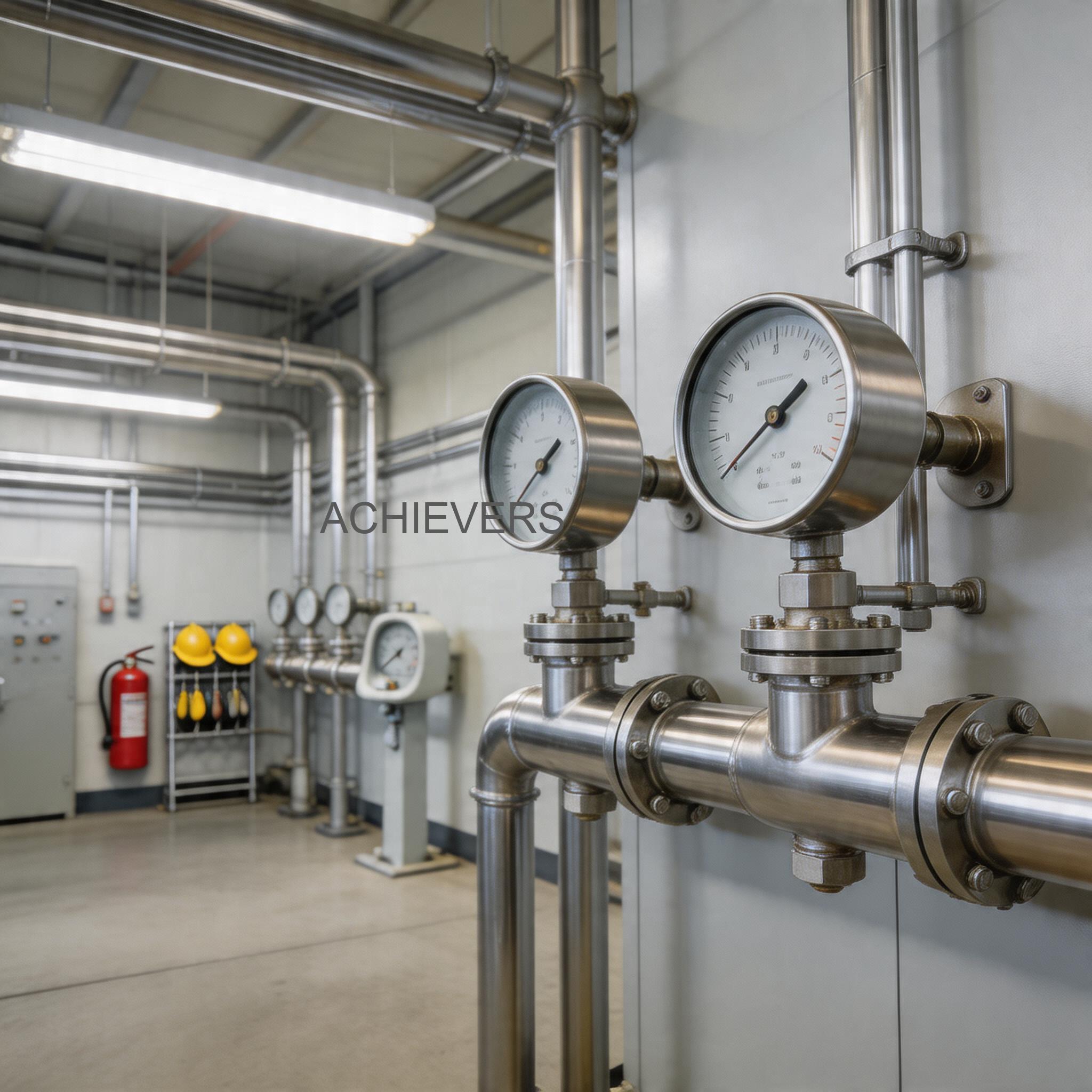
Procurement heads and plant managers often face resistance from financial controllers when upgrading equipment. If you need to secure approval for upgrading your fuel metering infrastructure, build your business case using these structured steps:
- Highlight Fuel as Liquid Cash: Begin the conversation by treating diesel and chemical inventories as liquid assets. Explain that unmeasured fuel transfer is equivalent to leaving the company safe unlocked.
- Present the Baseline Loss: Use the current manual dipstick or estimated run-time data to demonstrate the estimated 2% to 5% monthly shrinkage in fuel inventory due to spillage, pilferage, and inaccurate logging.
- Introduce the Solution Specifications: Detail the technical robustness of the proposed equipment. Emphasize that the meter is made out of anodized aluminum, can handle 50 psi, and provides a highly visible five-digit readout, meaning it will survive harsh plant conditions without constant replacement.
- Emphasize Risk Reduction: Point out that the equipment comes with a One-Year Warranty from an established manufacturer with a good financial position and Total Quality Management (TQM) practices. This limits the initial financial risk.
- Showcase the Payback Timeline: Use the ROI calculation method detailed earlier. When management sees that the equipment pays for itself in less than 30 to 60 days through accuracy savings alone, capital expenditure objections typically disappear.
- Align with Audit and Compliance Goals: Remind the financial and operations directors that accurate, digitized fuel logs are critical for passing environmental audits, ISO certification renewals, and internal corporate governance checks.
FAQ
Q: What flow rates can this meter handle efficiently?
A: The meter is engineered to accurately measure flows ranging from 11 to 98 Liters Per Minute (LPM). Operating within this window ensures the turbine mechanism provides the stated +/- 1% accuracy.
Q: Can it be installed into our existing 3/4 inch plant pipelines?
A: Yes. While the meter comes standard with a 1 in. channel and outlet, it includes accessories that reduce down from a 1 in. bay to a 3/4 in. utilizing a reducer bushing, making installation highly adaptable.
Q: How do we track daily shift usage versus monthly total usage?
A: The meter features a Five-Digit Readout with a Resettable Totalizer. Shift supervisors can reset the batch counter to zero at the start of their shift, while the device maintains a master cumulative total for monthly audits.
Q: Is the body material suitable for harsh Indian industrial climates?
A: Absolutely. The meter is made out of Anodized Aluminum, making it highly resistant to the extreme heat, humidity, and corrosive environments typical of industrial manufacturing zones.
Q: How often does the meter require recalibration?
A: To maintain strict ISO compliance and guarantee the +/- 1% accuracy margin, we recommend having the meter calibrated annually by a certified lab, though actual drift will depend on the volume and viscosity of the fluid transferred.
Q: Are replacement parts easy to procure in India?
A: Yes. Because these meters are manufactured in Ahmedabad, Gujarat, under the Make in India initiative, spares like turbine replacements and digital readouts are readily available without the high costs and delays of imported parts.
Q: Does the equipment come with any manufacturer guarantee?
A: Yes, the meter is backed by a One-Year Warranty, giving B2B buyers and export clients peace of mind regarding manufacturing defects and initial operational reliability.
To eliminate undocumented fuel losses and upgrade your facility's fluid accountability, contact our Ahmedabad manufacturing facility today. Let our team know your required flow capacity, specific chemical or fuel application, and local site conditions so we can provide a customized, GST-inclusive quotation tailored to your operational needs.