
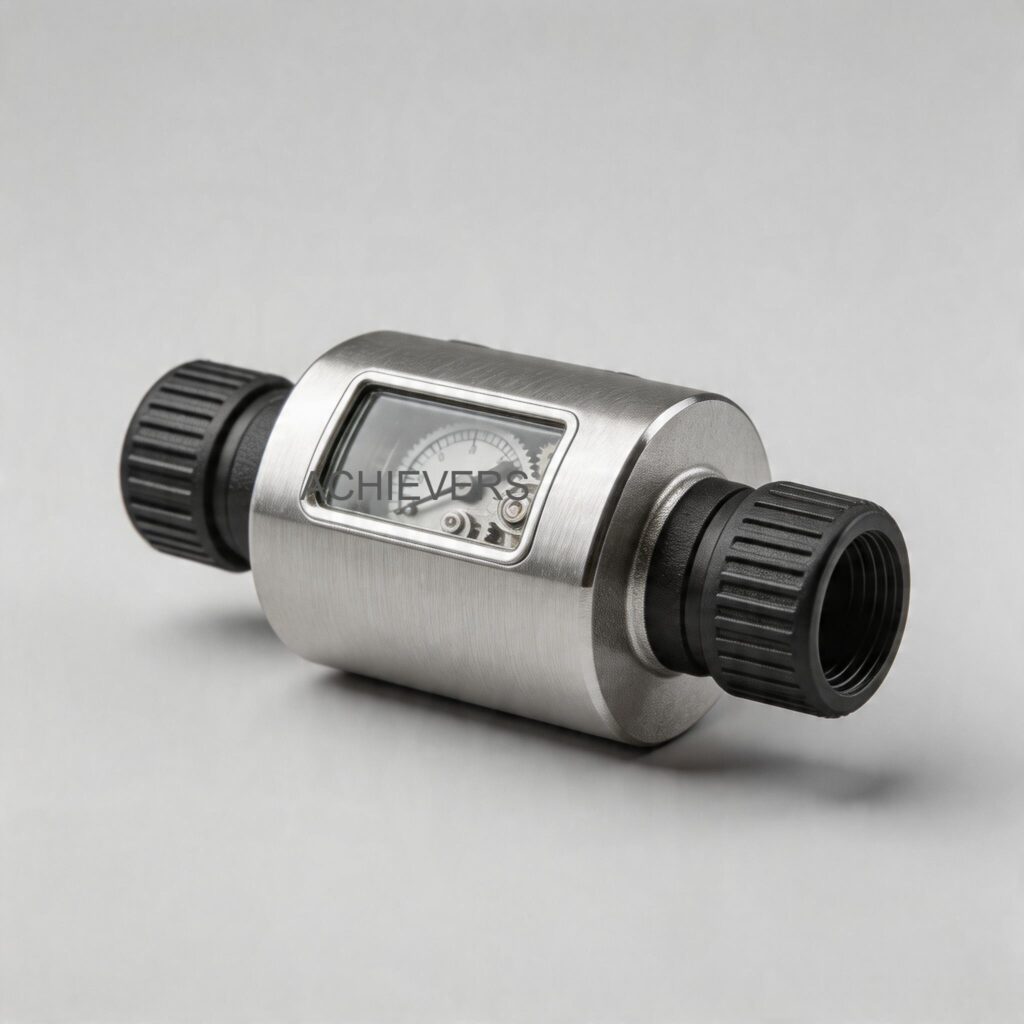
The operational efficiency of any bulk fluid handling facility hinges on absolute accuracy during the transfer of high-value hydrocarbons. Whether you are managing a primary petroleum storage facility, a regional distribution hub, or a massive industrial plant requiring continuous generator fuel, minor measurement discrepancies rapidly compound into massive financial losses. Volumetric shrinkage, operator discrepancies, and undocumented offloading can severely impact operational margins. To eliminate these variables, facility engineers rely on precision Fuel Flow Meters to establish an unassailable baseline for every liter of diesel and kerosene (lamp fuel) moving through the system.
While generic, off-the-shelf fluid measurement devices might suffice for low-stakes water applications, hydrocarbon custody transfer and bulk terminal management require highly engineered solutions. The dynamic nature of diesel fuel—its viscosity changes with temperature, the risk of aeration during pumping, and the high-pressure demands of rapid transfer—dictates the use of specialized instrumentation. By integrating advanced Fuel Flow Meters utilizing turbine measuring systems, global terminal operators can standardize loading and unloading records, virtually eliminate quantity disputes between vendors and receivers, and maintain rigorous inventory control across complex pipeline and hose-end dispensing architectures.
1. Industry Overview: The Fluid Challenge
Fluid dynamics within the oil and gas distribution sector present unique engineering challenges. Bulk fuel terminals process thousands of liters of hydrocarbons hourly, transferring fluids from massive storage tanks to tanker trucks, railcars, secondary day-tanks, and localized mobile dispensing units. Throughout this chain, the fuel is subjected to varying pressures, flow rates, and environmental conditions.
In industrial applications, diesel fuel and lamp fuel (kerosene) are the primary fluids transferred. These middle distillates possess specific gravities and kinematic viscosities that fluctuate based on ambient operating temperatures—from the freezing conditions of Northern Europe and Canada to the intense heat of the Middle East and South Asia. When fuel expands or contracts due to temperature, volumetric flow measurement becomes challenging. If a plant manager is relying on outdated dipstick measurements or uncalibrated mechanical meters, they are highly susceptible to "phantom losses" where the recorded received volume does not match the billed volume.
Furthermore, industrial terminal applications often involve aggressive pumping architectures that can introduce pulsation and pressure spikes. Flow measurement devices in these environments must withstand pressures up to 50 psi (3.4 bar) without suffering mechanical deformation or losing calibration. They must also be immune to the corrosive nature of specific petrochemicals and maintain strict explosion-proof and safety standards.
This is exactly where industrial-grade Fuel Flow Meters excel. Engineered to handle fluid flow ranges from 11 to 98 Liters Per Minute (LPM), these devices are perfectly sized for hose-end tanker truck offloading, secondary day-tank replenishment, and heavy equipment refueling lines. By capturing the exact volumetric throughput at the precise point of custody transfer, terminal managers can isolate losses, audit delivery vendors, and ensure uninterrupted plant operations.
2. Product Capabilities Matched to Industry Needs
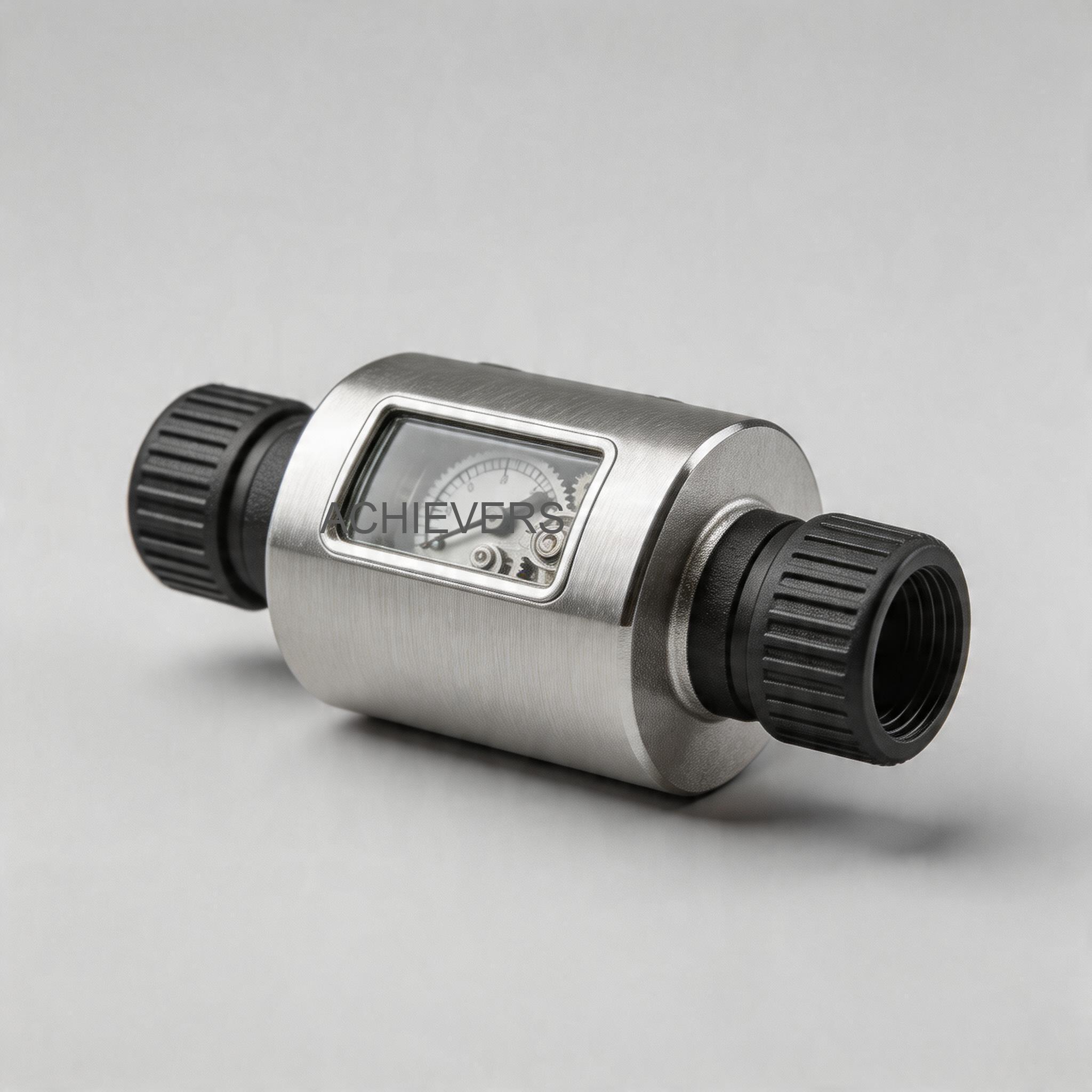
Selecting the correct instrumentation requires matching technical specifications directly to the operational hazards and requirements of the bulk terminal. The Lumen Digital Fuel Flow Meter has been engineered with a specific matrix of capabilities designed to survive harsh industrial environments while delivering laboratory-grade repeatability.
Below is a detailed breakdown of how the specifications of these Fuel Flow Meters directly address the most critical requirements of bulk terminal loading and unloading operations.
| Industry Requirement | Fuel Flow Meters Feature | How It Addresses the Need |
| :— | :— | :— |
| Broad Flow Range for Secondary Transfer | 11 – 98 LPM Flow Capacity | Accommodates both slow, gravity-fed day-tank replenishment and rapid, pump-driven hose dispensing without losing accuracy at the extreme ends of the flow spectrum. |
| Resistance to System Pressure Spikes | 50 psi (3.4 bar) Maximum Pressure | Ensures the meter housing and turbine internals do not rupture or degrade when integrated with aggressive industrial transfer pumps. |
| Custody Transfer Grade Accuracy | +/- 1% Accuracy | Delivers the precision required to resolve vendor quantity disputes and track shrinkage down to the single liter over massive annual throughputs. |
| Corrosion & Wear Resistance | Anodized Aluminum Construction | Provides a lightweight yet structurally rigid housing that actively resists oxidation, weathering, and the corrosive elements found in industrial diesel and lamp fuel. |
| Reliable Volumetric Measurement | Turbine Measuring System | Utilizes kinetic fluid energy to spin a precision rotor. The low-friction design ensures minimal pressure drop while providing highly repeatable pulse generation. |
| Operator Accountability & Auditing | Five-Digit LCD with Resettable Totalizer | Allows operators to track individual batch transfers accurately while maintaining a cumulative total for shift audits, preventing undocumented fuel siphoning. |
| Global Pipeline Compatibility | 1 in. Inlet/Outlet with 3/4 in. Reducer Bushing | Offers plug-and-play installation into standard international piping metrics. The included reducer allows seamless adaptation to smaller delivery hoses. |
| Multinational Operational Standards | Measures in Gallons, Liters, Quarts, and Pints | Completely eliminates the need for manual mathematical conversions on the plant floor, reducing human error across diverse global operational standards. |
3. Typical Installation Scenarios in This Industry
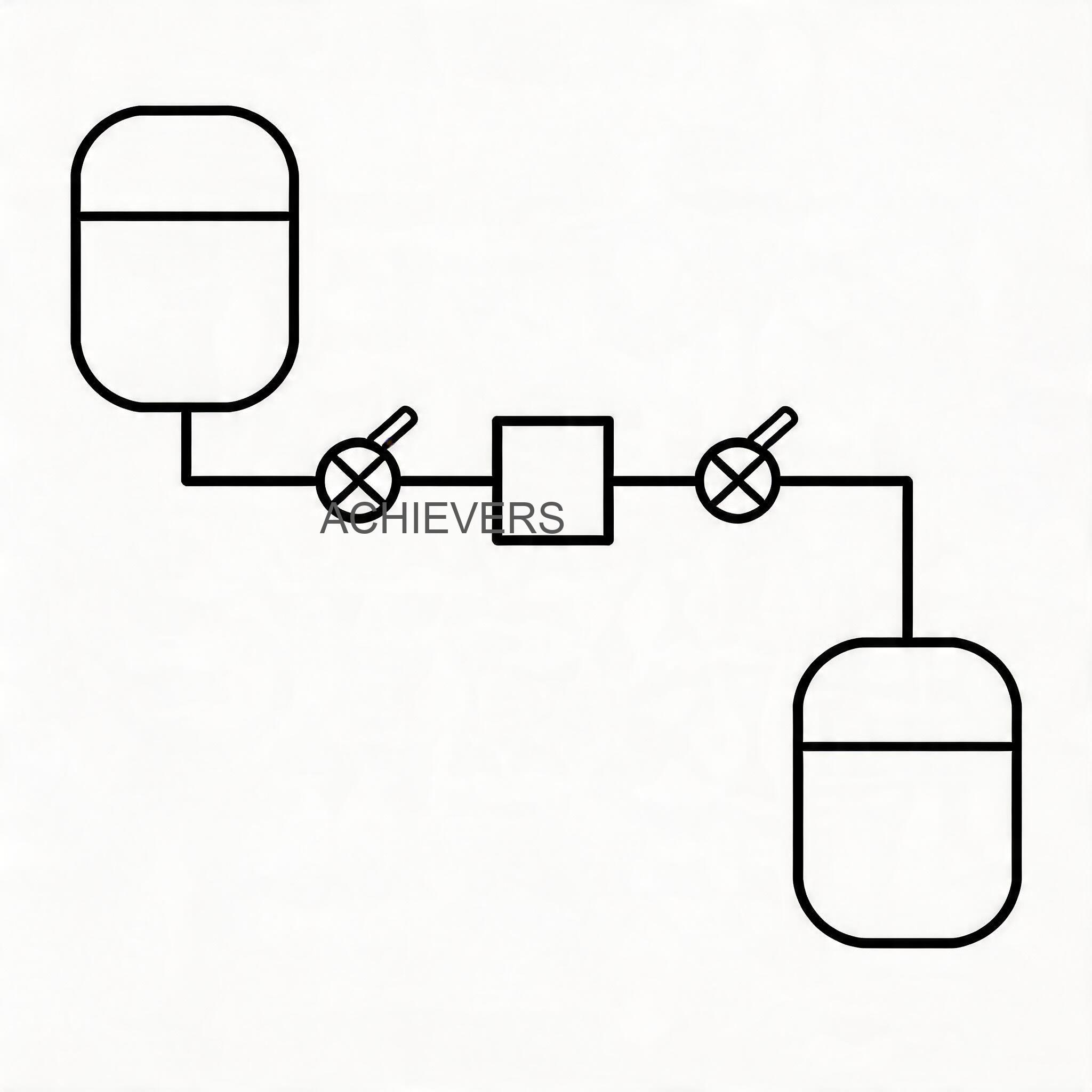
The versatility of turbine-based Fuel Flow Meters allows them to be deployed across multiple touchpoints within a bulk fuel terminal. Because they can be installed either directly in-line with rigid piping or at the dynamic end of a delivery hose, facility engineers can layer these meters to create a comprehensive, facility-wide fluid auditing system.
Scenario A: Tanker Truck Unloading to Secondary Storage
When tanker trucks arrive to replenish a facility's bulk storage, the primary risk is receiving short deliveries. In this scenario, the meter is installed directly at the receiving manifold of the secondary storage tank.
- Setup: The meter is hard-piped in-line using the standard 1-inch inlet. A heavy-duty Fuel Transfer Pump is positioned upstream to pull the diesel from the truck and push it through the meter into the tank.
- Key Settings: The operator resets the 5-digit totalizer to zero prior to opening the valves. Because the flow rate is maintained between 11 and 98 LPM, the turbine spins at an optimal velocity.
- Outcome: The terminal manager receives an immediate, exact digital readout of the offloaded volume, providing irrefutable data to verify against the vendor's bill of lading.
Scenario B: Generator Day-Tank Replenishment (In-Line)
Continuous manufacturing plants and critical data centers rely on massive backup generators, which are fed by smaller "day-tanks." These day-tanks are automatically replenished from the main bulk terminal.
- Setup: Fuel Flow Meters are installed in-line on the dedicated piping feeding each individual day-tank.
- Key Settings: The units are set to measure in Liters. The cumulative totalizer is left running permanently, while the resettable batch totalizer is used during scheduled weekly maintenance runs.
- Outcome: Facility engineers can precisely calculate the fuel consumption rate of each individual generator. This data is critical for predicting maintenance cycles, identifying engine inefficiencies, and planning bulk fuel reordering schedules.
Scenario C: Heavy Equipment Fleet Refueling
Mining sites, global port terminals, and large construction projects often utilize specialized trucks to distribute fuel from the bulk terminal directly to heavy machinery operating in the field.
- Setup: For buyers looking to buy Fuel Flow Meters for pipeline and hose-end dispensing, the meter is installed at the very end of the flexible delivery hose, right before the dispensing nozzle. The 3/4 inch reducer bushing is utilized to match standard hose fittings.
- Key Settings: The digital readout is positioned facing the operator. The device's lightweight anodized aluminum construction ensures the hose end remains ergonomically manageable and doesn't cause operator fatigue.
- Outcome: Each piece of heavy machinery receives an accurately metered batch of fuel, allowing the accounting department to allocate energy costs accurately across different operational departments or sub-contractors.
4. Compliance, Accuracy, and Certification Requirements
Operating a bulk fuel terminal requires strict adherence to international safety, metrology, and environmental regulations. Hydrocarbons are highly volatile, and any electrical instrumentation introduced into the handling process must meet stringent design criteria to prevent explosive ignition, leaks, or environmental contamination.
Globally, facilities look for adherence to ISO standards for manufacturing quality, API (American Petroleum Institute) guidelines for custody transfer, and ATEX/UL certifications for hazardous area operations. The turbine measuring systems utilized in these meters are designed to meet the rigorous +/- 1% accuracy requirement, which is the baseline for industrial custody transfer where legally binding financial transactions are based on the metered volume.
The Make in India Advantage for Global Terminals
For international procurement heads and export buyers, sourcing industrial instrumentation often involves balancing world-class engineering with capital expenditure budgets. This is where the Indian manufacturing sector, particularly the heavy engineering hubs in Gujarat, provides a massive competitive advantage. Facilities located in the Gujarat Industrial Development Corporation (GIDC) estates in Ahmedabad are renowned globally for precision machining and robust quality assurance protocols.
When international buyers source a Diesel Flow Meter or similar fluid handling equipment from an established Ahmedabad-based manufacturer, they are securing products built to international BIS (Bureau of Indian Standards) and ISO specifications. As a dedicated Fuel Flow Meters supplier for export buyers, Lumen Instruments provides comprehensive export-ready documentation, including Certificates of Origin, precise factory calibration certificates, and detailed material test reports (MTRs) for the anodized aluminum housings. This ensures seamless customs clearance and immediate integration into global compliance frameworks, whether the terminal is located in Rotterdam, Houston, or Singapore.
<div style="background-color: #f9f9f9; border-left: 5px solid #0056b3; padding: 15px; margin: 20px 0;">
<strong>In Simple Terms:</strong><br>
When we talk about "Custody Transfer," we are simply talking about the exact moment fuel changes ownership from the supplier to you, the buyer. If the meter measuring this transfer is wrong by even a tiny fraction, you end up paying for fuel you never actually received. A high-accuracy turbine meter acts like a highly strict accountant, spinning precisely with the fluid flow to ensure you get every single drop you paid for, preventing "shrinkage" (unexplained fuel loss).
</div>
5. ROI and Operational Benefits
The implementation of digital turbine flow meters is not merely a technical upgrade; it is a high-yield financial strategy. Unmeasured fuel is essentially liquid cash evaporating from the balance sheet. By installing highly accurate meters, plants transition from estimated inventory tracking to exact volumetric accounting.
When evaluating procurement budgets, facility managers and procurement heads often look at the total cost of ownership. The typical Indian market price range for industrial-grade turbine meters offers significant capital expenditure savings compared to European or North American OEMs, without sacrificing API or ISO compliance. For domestic operations, the standard 18% GST-inclusive cost (under HSN code 9028) provides clear input tax credit (ITC) benefits, making the net investment incredibly low. Meanwhile, international export buyers benefit from zero-rated GST, aggressive global pricing structures, and robust Make in India manufacturing subsidies.
Because the initial capital outlay is highly optimized, the Return on Investment (ROI) is frequently achieved within the first few weeks of operation simply by eliminating vendor short-deliveries and internal pilferage.
| Operational Benefit | Typical Plant Improvement | Global & Indian Industry Context |
| :— | :— | :— |
| Eradication of Short-Deliveries | Recovers 1% to 3% of total billed fuel costs. | Indian plant managers and global operators alike can cross-check vendor bills immediately. A 1% saving on a 100,000-liter monthly throughput equals 1,000 liters saved instantly. |
| Prevention of Internal Pilferage | 99% reduction in unaccounted localized fuel loss. | The 5-digit resettable totalizer alongside a cumulative master total ensures operators cannot siphon fuel without leaving a permanent digital footprint. |
| Reduced Maintenance Downtime | Turbine systems run for years with zero calibration drift. | Unlike mechanical gear meters, the single-moving-part turbine design resists jamming from minor particulate matter, keeping bulk terminal lines flowing 24/7. |
| Optimized Procurement Budgets | Capital expenditure reduced by up to 40%. | Sourcing directly from an Ahmedabad manufacturer avoids the massive markups of Western brands while securing rapid spare part availability and factory-direct technical support. |
6. Selection Checklist for This Industry
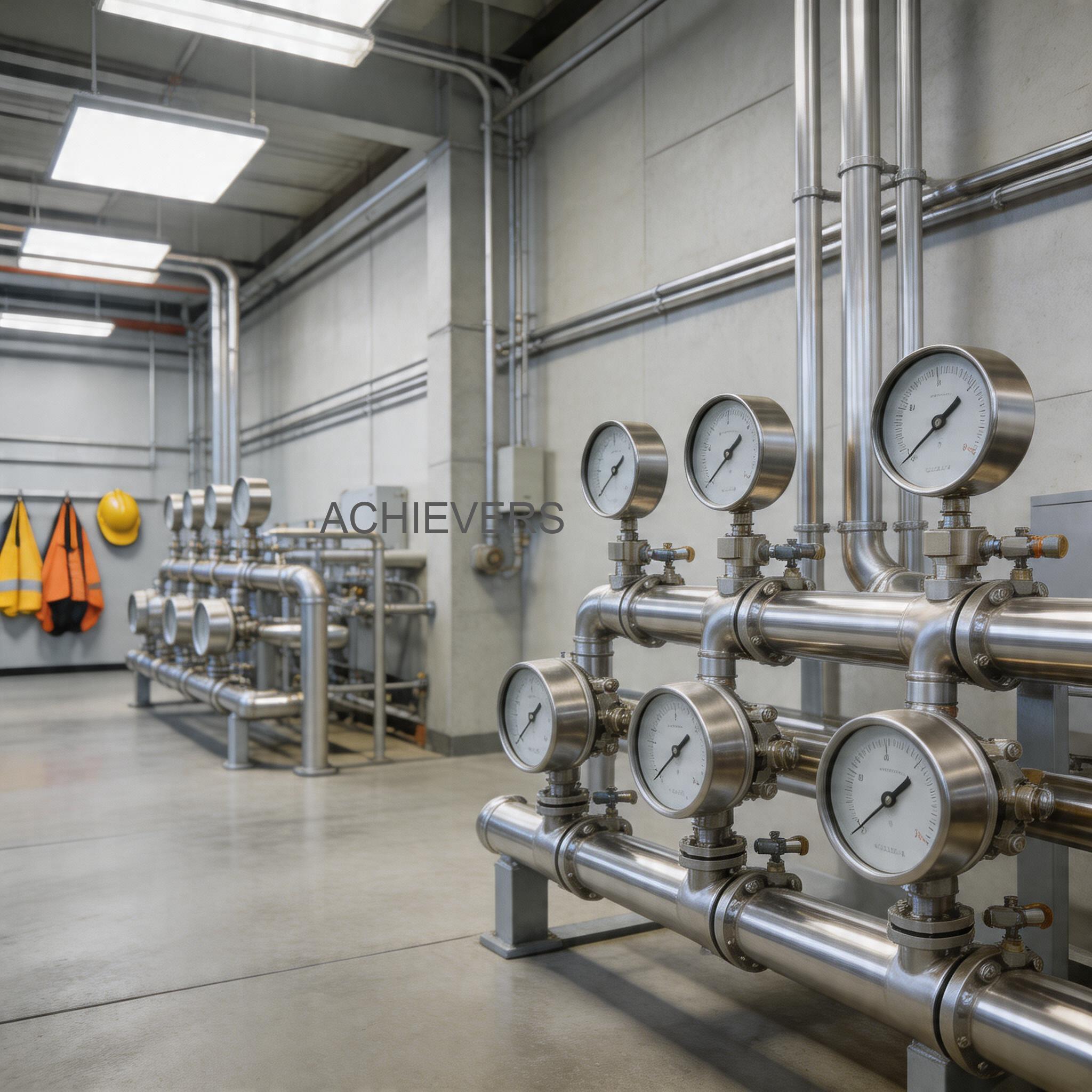
To guarantee that your bulk terminal loading and unloading operations run flawlessly, it is imperative to specify the exact parameters of your system before procurement. Use this rigorous engineering checklist when consulting with your supplier to buy Fuel Flow Meters for pipeline and hose-end dispensing:
- Fluid Compatibility Verification: Confirm the exact fluids being metered. While these meters are ideal for diesel fuel and lamp fuel (kerosene), differing fluid viscosities may require specific factory calibration.
- Flow Rate Envelope: Calculate your maximum and minimum transfer speeds. Ensure your pump system operates strictly within the meter's 11 to 98 LPM optimal accuracy window.
- Maximum Line Pressure: Audit your transfer pumps to guarantee deadhead pressure or pulsation spikes will never exceed the 50 psi (3.4 bar) maximum rating of the meter.
- Connection Sizing & Adapters: Identify your pipeline infrastructure. Specify whether you will use the standard 1-inch inlet/outlet, or if you require the 3/4-inch reducer bushing for hose-end applications.
- Material Construction Needs: Verify that anodized aluminum is suitable for your site's environmental conditions, particularly if operating in highly saline coastal terminals or corrosive chemical zones.
- Readout Requirements: Confirm that the five-digit LCD digital readout and resettable totalizer match your operational auditing protocols.
- Unit of Measurement Setup: Pre-determine your required measurement standard (Gallons, Liters, Quarts, or Pints) so the meter can be deployed immediately without field recalibration.
- Export & Compliance Documentation: For international buyers or heavily regulated domestic sectors, explicitly request calibration certificates, warranty documentation (one-year standard), and certificates of origin during the quoting process.
FAQ
Q: Can this fuel flow meter be used for high-viscosity oils like heavy gear oil or crude?
A: No. This specific turbine measuring system is calibrated specifically for lighter middle distillates like diesel fuel and lamp fuel (kerosene). Highly viscous fluids will cause excessive pressure drops and severe accuracy degradation in a turbine meter. For heavy oils, positive displacement meters are required.
Q: What happens if our pump pushes fuel faster than 98 LPM?
A: Exceeding the maximum rated flow of 98 LPM will cause the turbine rotor to spin beyond its engineered tolerances. This leads to inaccurate readings (loss of the +/- 1% accuracy), excessive wear on the internal bearings, and potential cavitation that can permanently damage the meter.
Q: How frequently does the digital turbine meter require recalibration?
A: In standard clean diesel applications, turbine meters hold their calibration for extensively long periods. However, for strict custody transfer compliance, industry best practices dictate a verification and recalibration check every 12 months, or if you notice a sudden, unexplained variance in bulk inventory reconciliation.
Q: Is the LCD display battery powered, and what is its lifespan?
A: Yes, the five-digit LCD readout operates on an internal battery system designed for long-term industrial use. Because the display draws minimal power, batteries typically last for thousands of operational hours under normal environmental conditions before requiring simple field replacement.
Q: Can we install this meter vertically, or must it be horizontal?
A: Turbine flow meters are highly versatile and can generally be installed in horizontal, vertical, or even sloping pipelines. However, the pipe must always remain 100% full of fluid during measurement to prevent the turbine from spinning in empty air, which causes false readings and over-registration.
Q: Are these meters affected by ambient temperature changes in extreme environments?
A: The anodized aluminum housing is highly resilient to ambient temperature extremes. However, extreme temperatures will change the physical volume and viscosity of the diesel fuel itself. While the meter will accurately measure the actual volume passing through it, engineers must mathematically correct for standard reference temperatures if strict mass-balance accounting is required.
Q: We are an export buyer located outside India. Do you provide the necessary paperwork for customs and local metrology boards?
A: Absolutely. As a leading manufacturer based in Ahmedabad, Gujarat, we regularly export globally. We provide comprehensive export-ready documentation, including commercial invoices, packing lists, Certificates of Origin, and factory calibration certificates to ensure smooth customs clearance and regulatory compliance in your local market.
*
Ready to eliminate fuel shrinkage, resolve vendor disputes, and bring absolute precision to your bulk terminal operations? Contact Lumen Instruments today with your specific flow rate requirements, target fluid, and site operating pressures. Our engineering team in Ahmedabad will match you with the exact digital turbine meter configuration—backed by global export support and rigorous Make in India quality—to optimize your facility's fluid transfer architecture.