
In modern Indian automotive service centers, heavy equipment workshops, and precision engineering plants, managing expensive lubricants is a daily operational challenge. From multi-grade engine oils and synthetic gear lubricants to heavy hydraulic and furnace oils, these fluids represent a massive recurring expense. Unfortunately, many small and medium-sized Indian enterprises still rely on outdated, manual methods for dispensing these fluids. Mechanics and technicians often use marked plastic jugs or visual estimates, leading to a cascade of hidden costs: chronic over-dispensing, accidental spills, unaccounted inventory shrinkage, and outright pilferage.
When a workshop handles high-value synthetic oils that cost upwards of ₹400 to ₹800 per litre, even a 5% margin of error in daily dispensing can wipe out thousands of rupees from the monthly bottom line. Generic water meters or cheap, uncalibrated flow sensors fail miserably in these applications because oils have varying viscosities that change drastically with India’s fluctuating ambient temperatures. To achieve absolute inventory control and perfectly traceable issuing of lubricants, plant managers require positive displacement technology. Upgrading to industrial-grade Oil Flow Meters is the most effective way to eliminate human error, secure your fluid inventory, and dramatically improve workshop profitability.
1. Industry Overview: The Fluid Challenge in Indian Workshops
India’s vast network of automotive hubs—from the GIDC estates in Gujarat to the manufacturing belts in Pune and Chennai—operates under demanding conditions. Workshops in these regions face unique challenges that make fluid management exceptionally difficult.
First, there is the issue of temperature and viscosity. In an Indian summer, workshop temperatures can easily exceed 45 degrees Celsius, causing engine and hydraulic oils to thin out. During winter mornings in northern India, these same oils become thick and sluggish. Traditional turbine meters or rotameters lose their accuracy when fluid viscosity changes. If a meter is calibrated for thin oil, it will under-read thick oil, giving away free product to the customer while depleting your paid inventory.
Second, the threat of pilferage and "shrinkage" is a harsh reality. In a busy transport fleet workshop servicing dozens of trucks daily, tracking every drop of oil from a 210-litre barrel is nearly impossible without digital intervention. A technician extracting an extra 500ml per vehicle will go unnoticed in a manual logbook, but over a month, this equals hundreds of litres of missing stock.
Furthermore, modern vehicles and CNC machineries require highly exact fluid capacities. Overfilling a modern BS6 engine or a sensitive hydraulic power pack can cause seal ruptures, foaming, and catastrophic equipment failure. Workshop owners need a reliable, tamper-proof system to ensure that exactly 4.2 litres of oil is dispensed when 4.2 litres is required—not a drop more, not a drop less.
2. Product Capabilities Matched to Industry Needs
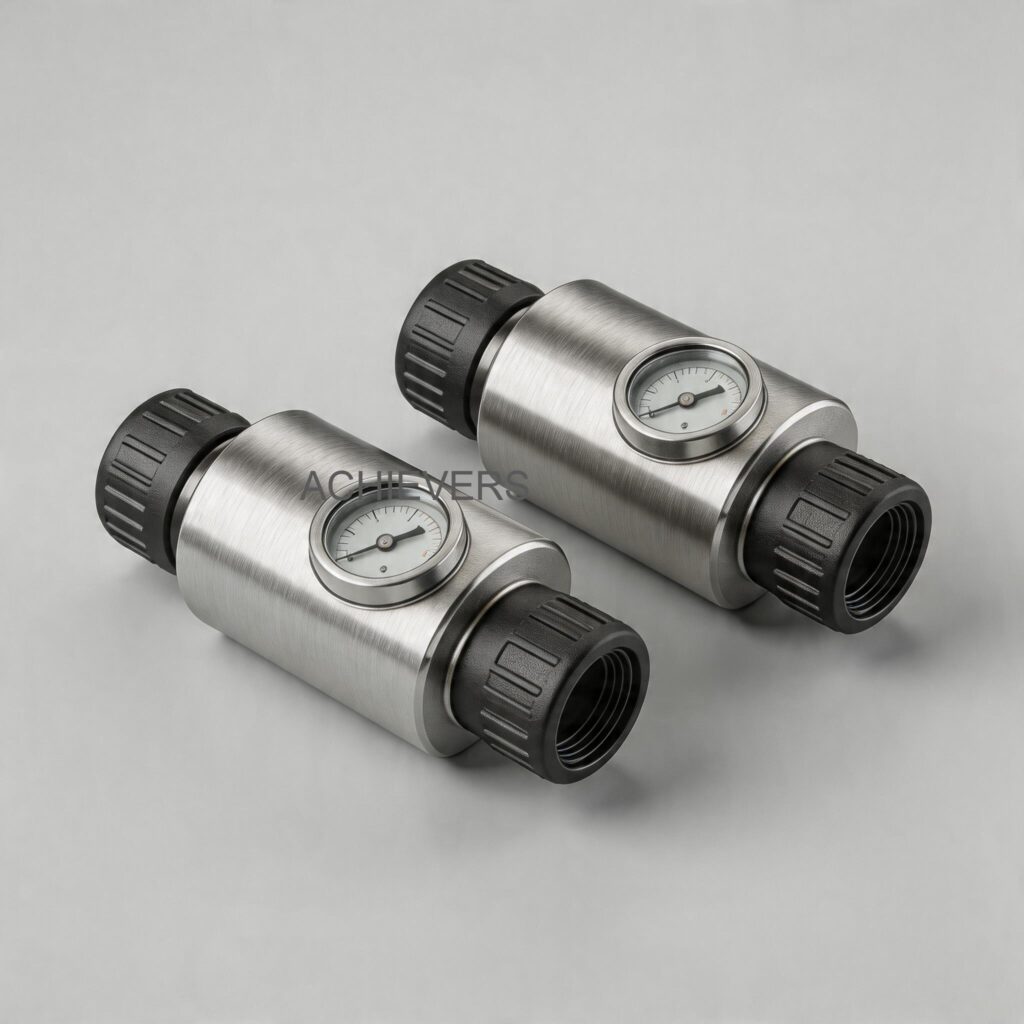
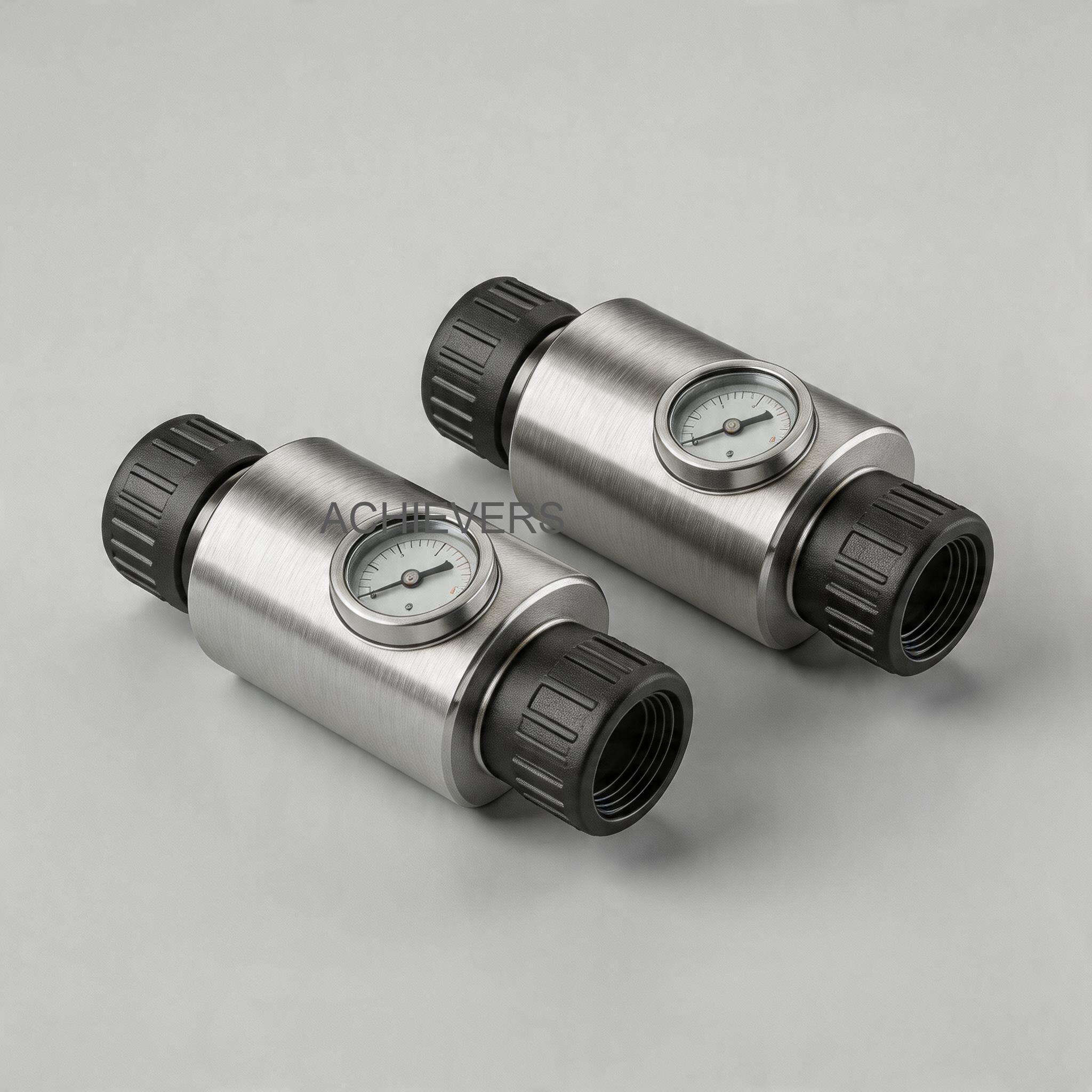
To combat these challenges, Lumen Instruments manufactures specialized displacement-type volume meters. These devices use oval gear positive displacement (PD) technology. Inside the meter’s casing, two high-precision toothed oval gears mesh together. Driven entirely by the flow of the oil, they turn in opposite directions, creating four distinct measuring cavities. Every single rotation pushes an exact, mathematically defined volume of fluid through the chamber. A sensor detects these rotations to calculate the exact volume dispensed.
Because the gears create a physical seal, the measurement is entirely independent of the fluid's viscosity. Whether you are pumping thick gear oil (SAE 90) or light spindle oil, the mechanical volume remains constant.
Below is a detailed breakdown of how this Oil Flow Meters technology directly addresses the needs of Indian engineering and automotive workshops.
| Industry Requirement | Oil Flow Meters Feature | How It Addresses the Need |
| :— | :— | :— |
| Accuracy with Varying Viscosities | Oval Gear Positive Displacement (PD) | Gear cavities measure fixed physical volumes, ignoring temperature-induced viscosity changes common in Indian seasons. |
| Tamper-Proof Tracking | Non-resettable Totalizer | Prevents unauthorized staff from zeroing the lifetime reading, completely eliminating hidden inventory pilferage. |
| Tight Installation Spaces | Zero Straight Pipe Requirement | Unlike turbine meters, oval gear meters do not need straight pipe runs before or after, fitting perfectly into compact hose reels. |
| High Durability in Dusty Environments | Sealed Heavy-Duty Construction | Protects internal gears and electronic sensors from abrasive shop-floor dust, metal shavings, and heavy impacts. |
| Handling Intermittent Flow | Cavity-based Measurement | Delivers exact readings even when mechanics constantly stop and start the dispensing nozzle during manual top-ups. |
| Broad Fluid Compatibility | Chemically Resistant Internals | Safely measures lubrication oils, mineral oils, hydraulic oils, and highly viscous furnace oils without degrading seals. |
| Power Grid Independence | Battery-Powered Digital Options | Operates flawlessly during frequent power cuts and voltage fluctuations typical in industrial zones. |
| High Flow Rate Flexibility | Scalable Flow Ranges | Accurately tracks everything from small 200ml top-ups to massive 50-litre bulk transfers for heavy earthmoving equipment. |

3. Typical Installation Scenarios in This Industry
Automotive and engineering facilities vary greatly in size and layout. These meters are designed for versatile integration. Here are the three most common setups seen across Indian industrial sites:
Scenario 1: Centralized Lube Dispensing with Overhead Hose Reels
In large authorized service centers (like those for Maruti Suzuki, Tata Motors, or Ashok Leyland), oil is stored in a dedicated, locked bulk room. Pneumatic pumps push the oil through overhead piping to individual service bays. Here, a digital oil flow meter is installed directly at the dispensing handle (often paired with a high-quality Fuel Nozzle). The technician types the required volume into a preset keypad, or simply monitors the digital LCD on the handle. This setup keeps the shop floor completely clear of messy oil barrels while providing 100% accurate billing for every vehicle serviced.
Scenario 2: Mobile Lube Carts for Heavy Machinery
In mining, construction, and heavy engineering, bringing the machine to the oil is impossible. Instead, maintenance teams use mobile lube carts equipped with 200-litre drums and 12V DC or manual pumps. A mechanical oil flow meter is mounted directly onto the discharge line of the Fuel Transfer Pumps. The mechanical display is preferred here because it requires no batteries and easily survives the harsh, vibrating environment of an open-cast mine or a dusty construction site, providing the operator with clear, resettable batch totals and non-resettable lifetime totals.
Scenario 3: Precision Engineering Tool Rooms
In CNC machining centers, coolants, spindle oils, and hydraulic fluids must be replenished precisely. Here, inline digital flow meters are installed permanently into the fluid lines feeding the machinery. Plant engineers monitor the flow rates daily to ensure machines are neither starved of lubrication nor leaking excess fluid into the waste channels.
Standard Operating Procedure: Daily Dispensing with Digital Meters
To get the best accuracy and longest life out of your metering system, workshop staff should follow this standardized procedure:
- Pre-Shift Inspection: Check the meter casing, hose connections, and dispensing nozzle for any signs of physical damage or overnight weeping/leaks.
- System Pressurization: Turn on the pneumatic or electric transfer pump to pressurize the oil lines, ensuring there are no air gaps or sputtering at the nozzle.
- Reset Batch Display: Press the 'RESET' button on the meter's digital or mechanical face to clear the previous job's reading, ensuring it reads exactly 0.00 before starting.
- Controlled Dispensing: Insert the nozzle into the machinery or vehicle sump. Squeeze the trigger smoothly, avoiding rapid start-stop jerking, to allow steady flow through the oval gears.
- Volume Verification: Release the trigger roughly 100ml before the target volume is reached, letting the residual pressure finish the dispense, and verify the final total on the screen.
- Log and Secure: Record the dispensed batch volume against the specific job card or vehicle number, then safely stow the nozzle back in its holster to prevent dirt from entering the tip.
4. Compliance, Accuracy, and Certification Requirements
Operating an industrial business in India requires strict adherence to local regulations, and fluid management is no exception.
Legal Metrology Act: If you are a commercial workshop billing customers for oil by the litre, you fall under the purview of the Legal Metrology Act, 2009. Using uncalibrated jugs or "jugaad" measurement systems is illegal and can lead to heavy fines during inspections. High-quality oval gear meters provide the high measurement accuracy and repeatability (often within 0.5% margin of error) required to pass commercial audits, ensuring transparent and legal customer billing.
Make in India Initiative: Sourcing equipment locally from a recognized manufacturer in Ahmedabad, Gujarat, offers immense advantages. Imported Chinese meters often lack spare parts and fail rapidly under Indian heat and voltage conditions. European meters are heavily overpriced and involve massive import duties. Buying locally ensures compliance with the Make in India initiative, guaranteeing fast access to calibration services, replacement gears, and local customer support.
GST and Capital Expenditure: For registered MSMEs and corporate workshops, buying professional-grade industrial equipment allows you to claim Input Tax Credit (ITC). Since these meters are critical capital goods for your service operations, the GST paid on them can be completely offset against your output tax liabilities, effectively reducing your real acquisition cost.
5. ROI and Operational Benefits
The ultimate reason plant managers invest in Oil Flow Meters is the rapid Return on Investment (ROI). Let us examine the practical economics of an average Indian workshop.
Suppose a mid-sized auto workshop dispenses 100 litres of synthetic engine oil per day. The oil costs ₹400 per litre. Due to manual jug measurements, residual oil left in jugs, and minor unrecorded top-ups, the workshop loses just 3% of its oil daily. That is 3 litres lost every single day.
3 litres x ₹400 = ₹1,200 lost daily.
Over a 26-day working month, that equals ₹31,200 in pure cash vanishing from the profits.
By installing a precise oval gear meter, that 3% loss is reduced to near absolute zero. The meter pays for itself within the very first month of operation.
In Simple Terms:
Think of an oil flow meter like a digital weighing scale at a jewelry shop. You would never guess the weight of gold by holding it in your hand because it is too valuable. Industrial lubricants are the "liquid gold" of your workshop. A flow meter ensures you measure every single drop perfectly, preventing your mechanics from accidentally giving away your profits for free.
Typical Indian Market Price Range:
The GST-inclusive cost for an industrial-grade oil flow meter in the Indian market typically ranges from ₹9,500 to ₹38,000 depending on the exact specifications. Mechanical meters for simple barrel pumping sit at the lower end of the budget, while highly advanced digital meters with heavy-duty flanges and high-flow capacities for bulk oil handling represent the higher end. Factoring in the 18% GST (which is claimable for registered businesses), this is a minor capital expenditure that yields massive operational savings.
| Benefit | Typical Improvement | Indian Industry Context |
| :— | :— | :— |
| Inventory Shrinkage | 90% to 98% reduction | Stops untraceable pilferage and "favors" given by mechanics in busy service bays. |
| Spillage & Waste | Massive reduction in floor spills | Eliminates the need to pour oil from drums into secondary buckets and jugs. |
| Billing Accuracy | 100% exact customer invoicing | Customers trust service centers that use digital dispensing over manual estimates. |
| Machinery Uptime | Prevents equipment failure | Ensures CNCs and hydraulic presses receive the exact lube volume, preventing seal blowouts. |
| Labour Efficiency | Saves 15-20 minutes per major job | Technicians dispense directly at the bay instead of walking back and forth to the oil room. |
6. Selection Checklist for This Industry
Not all meters are created equal. When purchasing fluid measurement equipment for your workshop or plant, provide your manufacturer with the following technical details to ensure you get the perfect fit:
- Fluid Viscosity Profile: Specify the exact grades of oil you use (e.g., Engine Oil 15W40, Hydraulic Oil AW68, Gear Oil 80W90). While oval gear meters handle varying viscosities, the manufacturer needs to ensure the internal tolerances are matched to your heaviest fluid.
- Flow Rate Range (LPM): Determine your minimum and maximum Litres Per Minute. A meter designed for a heavy 100 LPM bulk transfer will not accurately measure a slow 2 LPM drip feed.
- Line Pressure (Bar): State your system's operating pressure. Pneumatic dispensing systems in large workshops can generate high pressures; the meter casing must be rated to withstand this without bursting.
- Display Type (Mechanical vs Digital): Choose battery-operated digital displays for ultra-precise, easy-to-read decimals in clean workshops. Choose robust mechanical displays for rugged, outdoor, or mobile lube truck applications.
- Connection Threading: Standardize your connections. Specify whether your existing hoses use BSP (British Standard Pipe) or NPT threading, and note the port size (e.g., 1/2-inch, 1-inch, or 2-inch).
- Temperature Range: If you are pumping heated furnace oils or operating in extremely hot boiler rooms, specify the maximum fluid temperature so high-temp seals can be installed.
- Totalizer Requirements: Confirm that the meter features a non-resettable cumulative totalizer to help your accounts team reconcile physical stock with the ERP/billing software at the end of every month.
- Fluid Cleanliness: Oval gear meters are designed strictly for "clean" fluids. If your oil contains debris, metal shavings, or is recycled waste oil, you must install an inline Y-strainer or micron filter before the meter to protect the gears.
FAQ
Q: Can I use this same meter for both diesel and heavy gear oil?
A: While the technology can handle both, it is highly recommended to use dedicated meters for different fluids. Calibrating a meter for highly viscous gear oil and then running thin diesel through it without recalibration may result in slight measurement inaccuracies. Also, cross-contamination of fluids can damage vehicle engines.
Q: Do I need to install straight pipes before the meter for it to be accurate?
A: No. Unlike turbine flow meters that require straight pipe runs to calm fluid turbulence, oval gear positive displacement meters measure physical volume. You can install them directly onto elbows, pumps, or hose reels without losing any accuracy.
Q: What happens if there is a sudden power cut in my workshop?
A: If you are using a mechanical meter, it requires no electricity whatsoever. If you are using a digital oil flow meter, the display is powered by long-lasting internal batteries, completely isolating your measurement data from grid power failures and voltage spikes.
Q: How frequently does the meter require calibration?
A: For standard workshop use, an annual calibration check is recommended to maintain the highest accuracy. However, due to the low-wear nature of the meshing oval gears, many quality meters hold their calibration perfectly for several years under normal operating conditions.
Q: Can this meter measure water or water-based coolants?
A: No. These specific meters are designed strictly for lubricating fluids (oils). Water lacks lubricity and can cause the internal precision gears to grind, rust, or seize. For water applications, you need a different type of meter specifically constructed with water-safe internals.
Q: How do I prevent mechanics from resetting the main reading?
A: High-quality industrial meters feature a dual-display system. There is a "Batch" total that the mechanic resets for every vehicle, and a hidden or hard-coded "Cumulative" totalizer (like an odometer on a car) that cannot be reset without factory software or dismantling the unit.
Q: Does the ambient temperature in Indian summers affect the meter’s reading?
A: No. High heat lowers the viscosity (thickness) of the oil, but oval gear technology measures physical cavity volumes, not flow speed. Therefore, 1 litre of hot, thin oil registers exactly the same as 1 litre of cold, thick oil.
If you are losing money to unaccounted oil usage or require precise fluid management for your industrial facility, it is time to upgrade your dispensing system. Contact Lumen Instruments today with your required flow rate, oil type, and pipe size. Our Ahmedabad-based technical team will help you select the most robust, Make-in-India metering solution tailored perfectly for your site conditions and budget.