
Managing fuel inventory is one of the most critical operational challenges for Indian industrial plant managers, fleet operators, and construction site supervisors. With diesel prices continually fluctuating and forming a massive portion of overhead costs, unmonitored or inefficient fuel transfer can lead to severe budget leaks. Whether you are running a fleet yard in a bustling transport hub, managing earth-moving equipment at a remote mining site, or maintaining backup generators in a Gujarat Industrial Development Corporation (GIDC) estate like Vatva or Sanand, relying on manual fuel handling is no longer viable. Spillage, pilferage, and inaccurate record-keeping can cost a medium-sized enterprise lakhs of rupees annually.
This buyer’s guide is engineered to help Indian industrial teams shortlist the right Diesel Dispensing setup by matching flow rate, mounting style, hose/nozzle configuration, power supply, and metering needs to real on-site operating conditions. It also highlights practical selection checks for reliability, serviceability, and compliance expectations for B2B procurement under the Make in India initiative. We will break down exactly how to evaluate technical specifications, navigate local operational challenges, and secure a system that protects your fuel investments.
1. What Is Diesel Dispensing and What Does It Do
At its core, a Diesel Dispensing system is an independent, demountable fuel administering unit. It is specifically designed to address the needs of fuel wholesalers, contractors, and facility managers whose clients or internal operations require low-volume, highly accurate "metered" deliveries of fuel. Unlike standard fuel transfer pumps that merely move liquid from one container to another, a dispensing system integrates pumping, precision metering, filtration, and secure delivery through an automated nozzle.
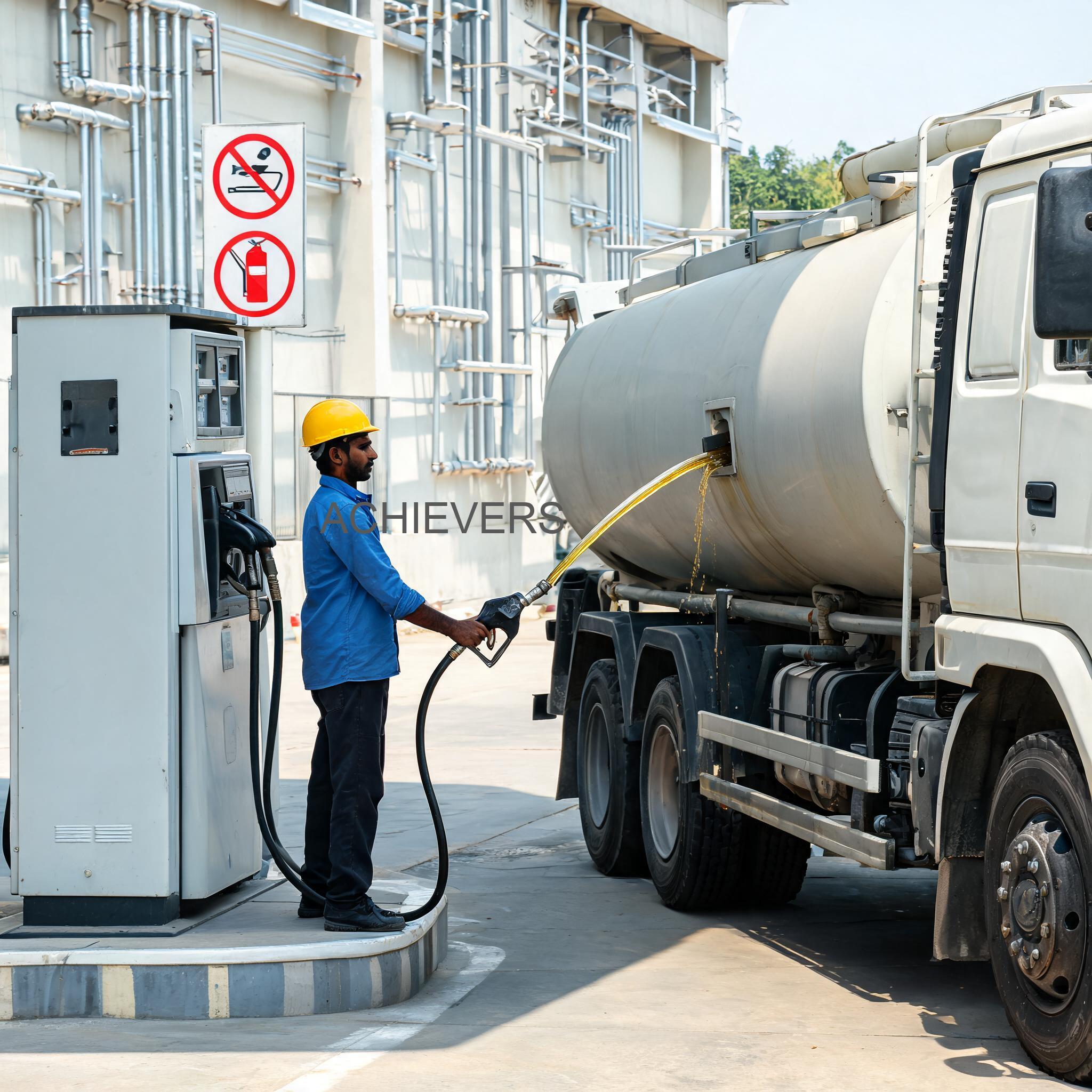
These units are particularly valuable for sites with difficult access where deploying a full-sized traditional fuel tanker is neither financially viable nor physically practical. A standard compact unit incorporates a pump, a high-accuracy digital meter, and a hose reel. When required, this assembly can be rapidly mounted in the back of a van, pickup truck, or drop-side commercial vehicle alongside a small demountable tank to create a highly mobile refuelling station.
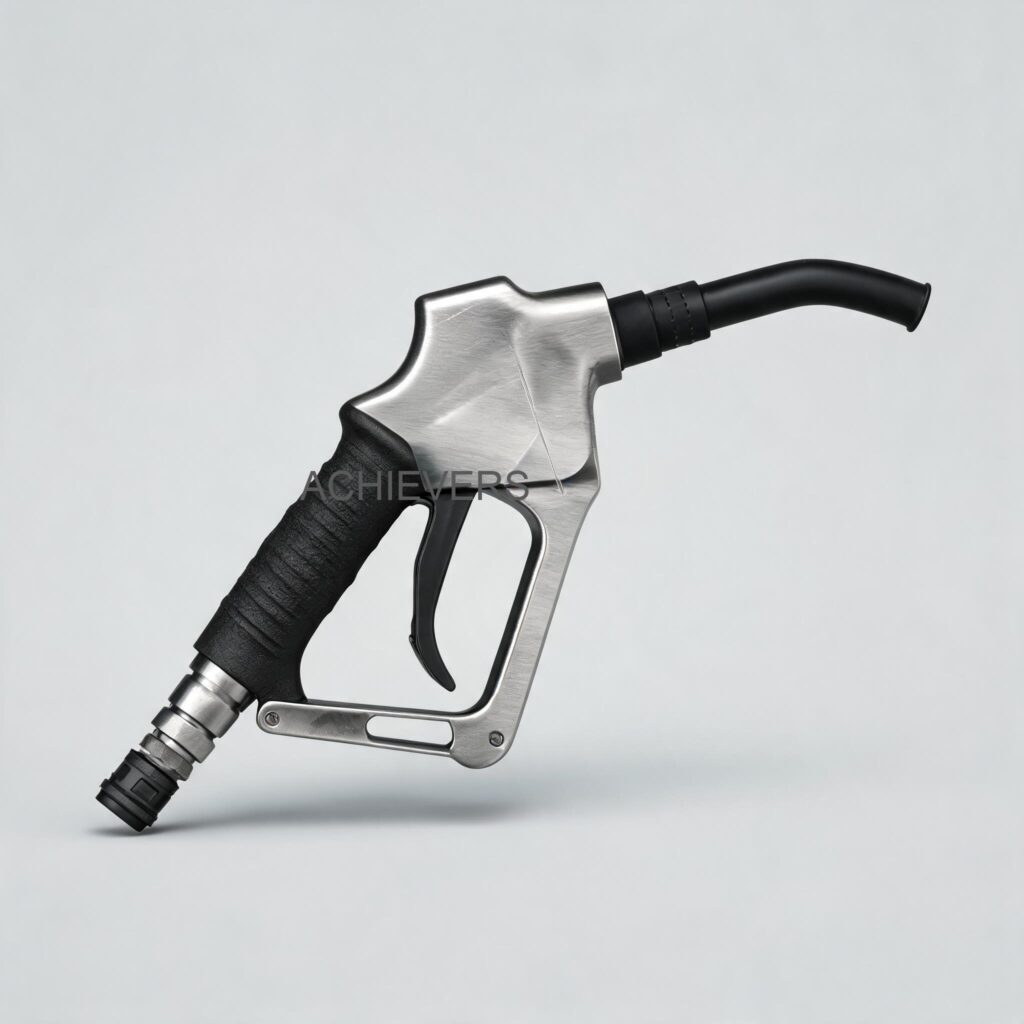
The standard configuration features a 60 LPM (Litres Per Minute) pump, though the systems are highly customizable. Diesel is delivered through a rugged 4-meter by 25mm delivery hose, terminating in a 1-inch automatic shutoff administering nozzle that stows neatly in the unit's cabinet. Backed by advanced computer technology, secure control processors, and rough stainless steel cabinets, these systems ensure high reliability, easy operation, and strict data logging.
Here is a technical overview of the standard capabilities based on rigorous quality assurance parameters:
| Specification Parameter | Technical Value | Practical Application Note |
| — | — | — |
| Flow Range | 20 – 80 L/min | Standard 60 LPM is ideal for fast fleet refuelling without excessive foaming. |
| Accuracy & Repeatability | Max error < ±0.30%, Repeatability < 0.15% | Essential for exact accounting and matching GST input tax credit records. |
| Power Options | DC12V, DC24V, AC220V, AC380V | Allows for both battery-operated mobile setups and grid-connected fixed stations. |
| Memory Capacity | ≥ 128kB | Crucial for storing daily data (last 365 days) and monthly data (last 12 months). |
| Environmental Limits | Humidity: ≤95%, Temp: -30°C to +45°C | Built to withstand harsh Indian summers and heavy monsoon moisture. |
| Noise Standard | ≤ 80dB (A Class) | Complies with ambient workplace noise safety standards. |
| Max Working Pressure | ≤ 0.3MPa | Ensures safe operation without stressing the pump seals or hose fittings. |
2. Key Selection Criteria for Indian Industrial Buyers
Procuring industrial equipment in India requires looking beyond basic datasheets. Plant managers must account for erratic power supplies, high ambient temperatures, pervasive dust, and occasional fuel contamination. Furthermore, budget constraints and tax implications play a major role.
In Simple Terms:
Buying a fuel dispenser is like buying a cash register for liquid money. If the meter is inaccurate, you are giving away free diesel. If the pump breaks down in the heat, your generators stop running. You need a system that counts every drop perfectly, connects to your existing power source, and survives sitting outside in the Indian sun and dust.
Note on Indian Market Pricing: The typical Indian market price range for a complete, industrial-grade dispensing system varies between ₹45,000 to ₹1,50,000 + 18% GST, depending on flow capacity, automation level (like preset keypads or receipt printers), and cabinet material. Always factor in the GST-inclusive cost and ensure the vendor provides proper HSN codes for Input Tax Credit (ITC) claims.
When evaluating a Diesel Dispensing unit, weigh these critical criteria:
A. Flow Rate Matching
The system offers a flow range of 20 to 80 L/min. Choosing the correct flow rate is paramount. If you are refuelling massive earth-movers or 40-foot transport trailers, an 80 LPM setup minimizes vehicle downtime. However, if you are refuelling small 15kVA remote backup generators or light commercial vehicles, pushing 80 LPM will cause the diesel to foam and spill over the filler neck. A standard 60 LPM flow rate strikes the best balance for general fleet yards and site equipment.
B. Power Supply and Portability
Indian industrial operations often straddle the line between fixed infrastructure and remote field work. If you are establishing a permanent refuelling point inside a factory, an AC220V or AC380V system is appropriate. However, for construction sites or agricultural applications, you will likely mount the unit on a vehicle. In these cases, opting for DC12V or DC24V power options is critical, as it allows the dispenser to run directly off the transport vehicle's battery. If mobile refuelling is your primary need, consider evaluating a dedicated Mobile Diesel Dispenser setup.
C. Metering Accuracy and Legal Metrology
With diesel costs continually high, an accuracy error of even 1% can translate to massive financial losses over a year. Choose a system that guarantees a maximum dispenser volume error of less than ±0.30% and a repeatability error of less than 0.15%. Highly accurate metering ensures that the physical fuel consumed matches your financial ledgers, preventing internal disputes and ensuring smooth compliance during audits.
D. Data Storage and Audit Trails
Manual logbooks are highly prone to "ghost" entries and human error. Modern systems feature dedicated control processors with ≥128kB memory capacity. You must select a unit capable of storing the daily transaction data for the last 365 days and monthly aggregate data for the last 12 months. This historical data retention is a game-changer for plant managers needing to trace fuel consumption back to specific shifts or vehicles.
E. Hose and Nozzle Configuration
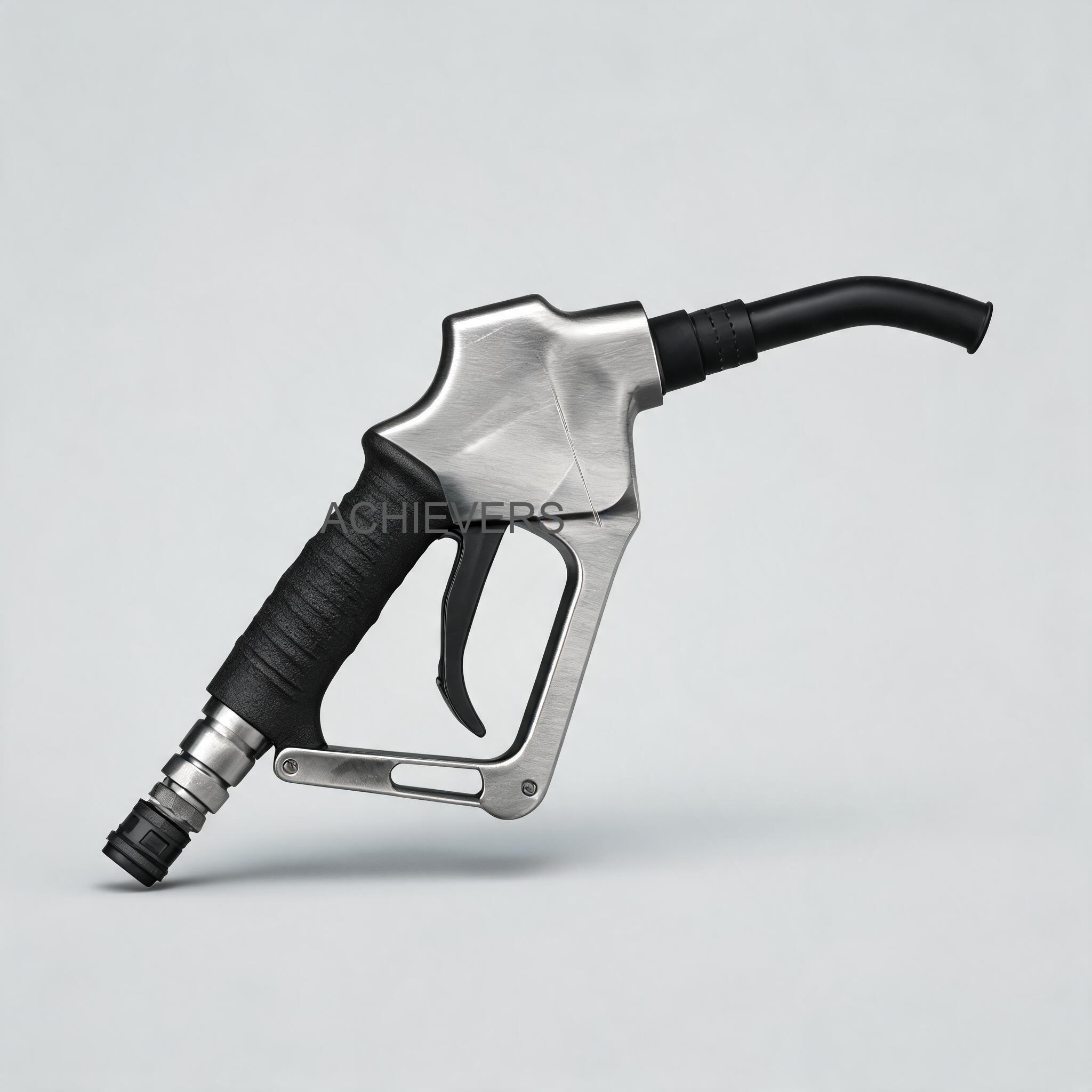
The physical handling equipment must be rugged enough for rough operators. Ensure the system comes standard with a high-quality 4-meter rubber hose (25mm diameter) that can reach awkward fuel inlets. Equally important is the inclusion of an automatic shutoff fuel nozzle. This prevents overfilling and dangerous spills, which is not only a safety hazard but also an environmental compliance issue under state pollution control board regulations. Using a certified Fuel Nozzle guarantees safer, cleaner operations.
F. Environmental Durability
Equipment installed in an Indian industrial setting must survive temperature extremes. Ensure the system is rated for ambient temperatures up to +45°C to handle peak summer heat, and relative humidity of ≤95% to survive the monsoons without internal circuit corrosion. Opting for rough stainless steel cabinets will protect the internal pump and flow meter from corrosive environments, such as chemical plants or coastal shipyards.
3. Model and Variant Comparison
Diesel Dispensing systems can be built to meet specific client requirements. Depending on whether you need simple point-to-point transfer, physical receipt printing, or precise volume pre-setting, different variants serve different operational needs. Below is a comparison of standard configurations typically deployed across Indian industrial sectors:
| Model / Configuration Variant | Flow Range | Recommended Power | Distinguishing Feature | Best Suited For Indian Industries |
| — | — | — | — | — |
| CE-204 Dispenser with Printer | 20 – 80 L/min | AC220V / AC380V | Integrated receipt printer for immediate physical slips | Transport fleets, mining sites, and B2B fuel supply contractors needing proof of delivery. |
| CE-130 Preset Dispenser | 20 – 80 L/min | AC220V / DC24V | Digital keypad for presetting exact volume/amount | Fleet yards that ration fuel allowances per vehicle or shift to strictly control usage. |
| CE-202 Standard Dispenser | Standard 60 LPM | AC220V / DC24V | Robust standalone cabinet, digital display, high accuracy | Manufacturing plants, factory yards, and agricultural hubs requiring straightforward, reliable refuelling. |
| Hose Reel Dispenser | Standard 60 LPM | DC12V / DC24V | Compact, demountable, integrated hose reel mechanism | Remote telecom towers, facility management teams, and construction sites using mobile vans. |
4. Common Mistakes Indian Buyers Make When Choosing
Procurement teams often look purely at the lowest upfront capital cost (Capex) without considering long-term reliability and operational matching. This approach frequently leads to premature equipment failure. Avoid these common purchasing errors:
- Ignoring Voltage Fluctuations: Indian industrial grids frequently experience severe voltage drops or spikes. Buying an AC220V motor without checking if the site has stabilized power or an active stabilizer can lead to burnt pump coils. Always verify power quality or opt for DC systems if grid reliability is poor.
- Mismatching Flow Rates to Receptacles: Purchasing an 80 L/min high-flow dispenser to refuel small 20-litre jerry cans or small gensets is a critical error. The immense pressure will cause backsplash, wasting fuel and creating fire hazards. Match the flow rate to the tank sizes you are filling.
- Overlooking the Data Memory Limits: Buying cheaper, generic dispensers with basic counters rather than units with ≥128kB memory means losing historical fuel data if a power outage occurs. For proper GST accounting and fleet auditing, ensure the system retains 365 days of daily data.
- Neglecting Filtration Needs: Indian diesel can sometimes carry suspended dust, rust from older storage tanks, or moisture. Failing to specify adequate inline filtration before the fuel reaches the dispenser's high-accuracy meter can cause the metering gears to jam or lose their ±0.30% accuracy over time.
- Choosing Incorrect Hose Lengths for the Site: Assuming a standard 4-meter hose is sufficient for every application is a mistake. If your diesel dispenser is mounted on a raised platform or needs to reach across a wide generator trench, a 4-meter hose will fall short, forcing operators to stretch the line and risk damaging the fittings. Always measure site clearance before finalizing specifications.
5. Enquiry Specification Checklist
When you are ready to approach a manufacturer or supplier, sending a vague enquiry like "We need a diesel pump" will result in mismatched quotes. To get an accurate, budget-friendly, and technically sound quotation that addresses your exact site conditions, use this comprehensive 8-step specification checklist in your purchase requisition:
- Specify Flow Rate Requirements: Clearly state the desired flow range (e.g., standard 60 L/min, or request a range between 20-80 L/min) based on the size of the equipment you are refuelling.
- Detail the Power Supply: Explicitly mention what power is available at the installation point. State whether you need DC12V, DC24V (for vehicle batteries), AC220V (single phase), or AC380V (three-phase).
- Define Accuracy Class: Request a maximum volume error limit (ensure it is less than ±0.30%) and repeatability error (< 0.15%) to guarantee financial accountability.
- Specify the Delivery Hose and Nozzle: Confirm the requirement for the standard 4m x 25mm rubber conveyance hose and explicitly request a 1-inch automatic shutoff fuel nozzle to prevent spills.
- Determine Automation and Display Needs: Indicate if you need the unit to store 365 days of daily data and 12 months of monthly data. Specify if you require a unit price input range (0.01-999.99) and volume display range.
- Request Specific Cabinet Build: If operating in harsh or corrosive environments, specify a rugged stainless steel cabinet or weather-proof enclosure that meets your environmental conditions (temp up to +45°C, humidity ≤95%).
- Identify Peripheral Add-ons: State if your operations require a receipt printer (like the CE-204 model) or a preset volume keypad (like the CE-130 model) for rationing fuel deliveries.
- Define the Application Type: Tell the manufacturer exactly how the unit will be used—whether it is a fixed installation in a factory yard, or a demountable mobile unit in the back of a pickup truck for remote sites.
FAQ
Q: Can this dispensing system be mounted on a moving vehicle for remote site refuelling?
A: Yes, these systems are designed as independent, demountable units. They can be easily mounted in the back of a van, pickup truck, or drop-side truck alongside a small tank, using DC12V or DC24V power from the vehicle.
Q: What is the standard flow rate, and is it adjustable?
A: The standard flow rate is 60 Litres per minute (LPM). However, the technical flow range of the equipment is between 20 and 80 L/min, and the pump can be configured or changed according to your specific site requirements.
Q: How accurate is the digital meter, and does it lose data during power cuts?
A: The dispenser features a high-accuracy flow meter with a maximum volume error of less than ±0.30% and repeatability error of less than 0.15%. It has a memory capacity of ≥128kB, securely storing daily data for the last 365 days and monthly data for 12 months, even during power interruptions.
Q: Are these systems capable of handling fuels other than diesel?
A: While primarily designed for diesel, these dispensers can be customized to meet specific client prerequisites for dispensing a range of non-destructive oil fluids, lubes, and similar liquid fuels. Always specify fluid viscosity when ordering.
Q: Does the system come with a nozzle that stops automatically when the tank is full?
A: Yes, standard configurations come equipped with a 4-meter by 25mm rubber conveyance hose that terminates with a 1-inch automatic shutoff fuel nozzle, minimizing the risk of overfilling and hazardous spills.
Q: How does the system perform in extreme Indian weather conditions?
A: The equipment is engineered for harsh environments, operating reliably in temperatures ranging from -30°C to +45°C and withstanding relative humidity levels up to 95%. Rough stainless steel cabinets provide additional protection against the elements.
Q: Do I need a three-phase power supply to run this dispenser at my factory?
A: Not necessarily. While AC380V (three-phase) options are available for heavy-duty industrial setups, the system is also available in AC220V (single-phase) for standard factory grids, as well as DC12V/24V for mobile operations.
To ensure you invest in the exact Diesel Dispensing system tailored for your specific site conditions, fleet size, and power availability, connect with our technical engineering team today. Please share your required flow rate, intended power supply (AC/DC), and whether you need mobile or fixed mounting, and we will provide a comprehensive, GST-inclusive quotation matched to your operational needs.