
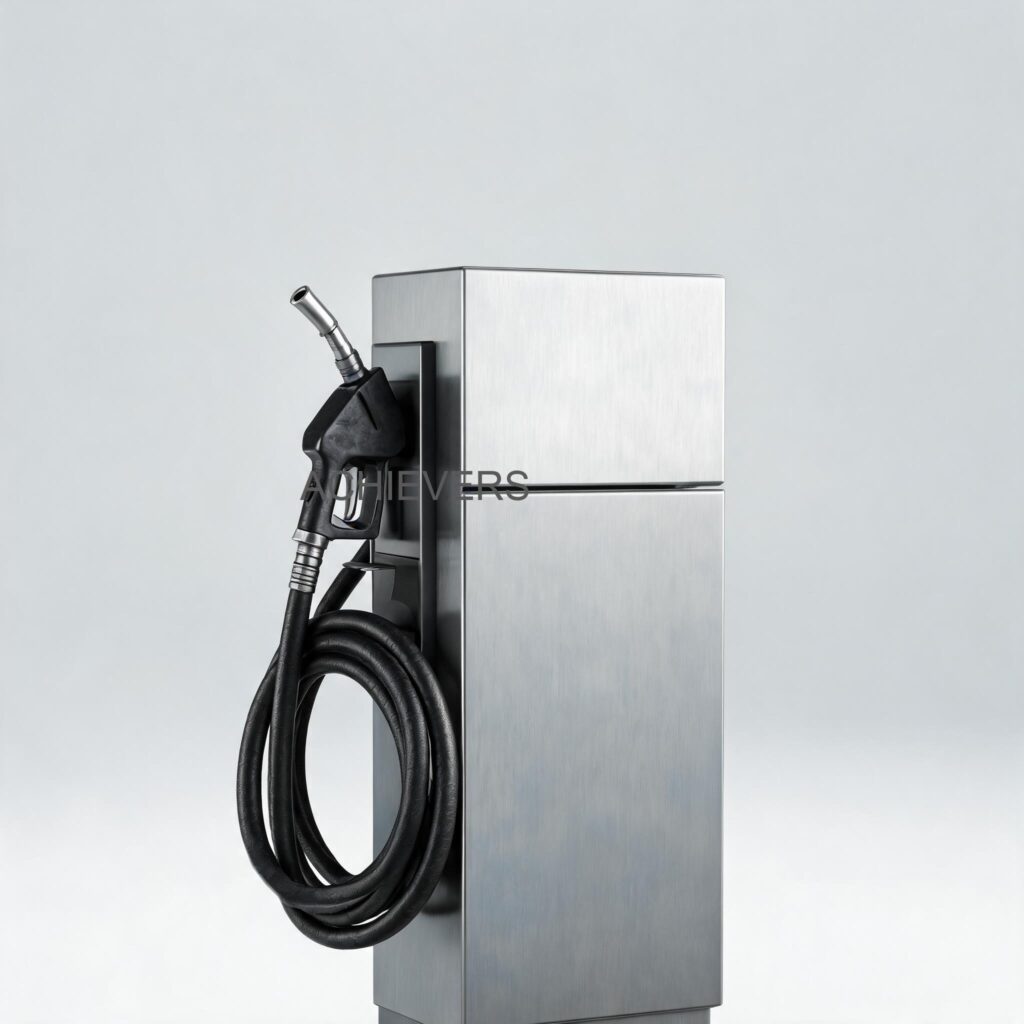
Every minute a generator, excavator, or transport truck sits idle because of a refueling delay, your operational costs increase. In Indian industrial sectors—from busy construction sites and highway fleet yards to remote mining operations and bustling GIDC (Gujarat Industrial Development Corporation) estates—reliable fuel management is critical. When your Diesel Dispensing equipment fails to prime, delivers fuel at a frustratingly slow pace, or suffers from chronic air locks, it disrupts the entire daily schedule.
Replacing components blindly is expensive and often unnecessary. For a small to medium business owner or plant manager, understanding how to quickly diagnose and resolve these issues in the field can save thousands of rupees in downtime and service callout fees. The typical Indian market price range for a complete metered dispensing unit runs between ₹35,000 and ₹1,50,000 (plus 18% GST), depending on whether it is a standard 60 LPM unit or a high-capacity model with receipt printers and data storage. Protecting this investment requires proper maintenance and accurate troubleshooting.
This guide provides practical, step-by-step diagnostic procedures to fix common air ingress, suction lift issues, and priming failures. By addressing these problems systematically, you can keep your equipment running smoothly even in the harsh heat, monsoon humidity, and dusty conditions typical of Indian industrial sites.
1. Quick Reference: How Diesel Dispensing Works
Before dismantling any pipework, it is vital to understand how the system moves fuel. A standard Diesel Dispensing unit—like the precision models manufactured by Lumen Instruments in Ahmedabad—operates using a positive displacement rotary vane pump.
When the motor activates, the rotating vanes create a vacuum at the pump inlet. This vacuum overcomes atmospheric pressure and the physical weight of the fuel, drawing diesel from the storage tank up through the suction line. The fuel passes through a built-in strainer (which traps dirt and rust), enters the pump chamber, and is pushed through a high-accuracy flow meter (maintaining ±0.30% accuracy). Finally, it travels through a 4m x 25mm rubber conveyance hose and exits via a 1-inch automatic shutoff nozzle.
In Simple Terms:
Think of the dispensing pump like a person drinking a thick mango shake through a straw. If the straw has a tiny hole in it, they will suck in air instead of the shake (an "air lock"). If the straw is too long or pinched, the flow will be very slow. If the liquid is full of chunks blocking the bottom of the straw, nothing will come up at all (a "priming failure").
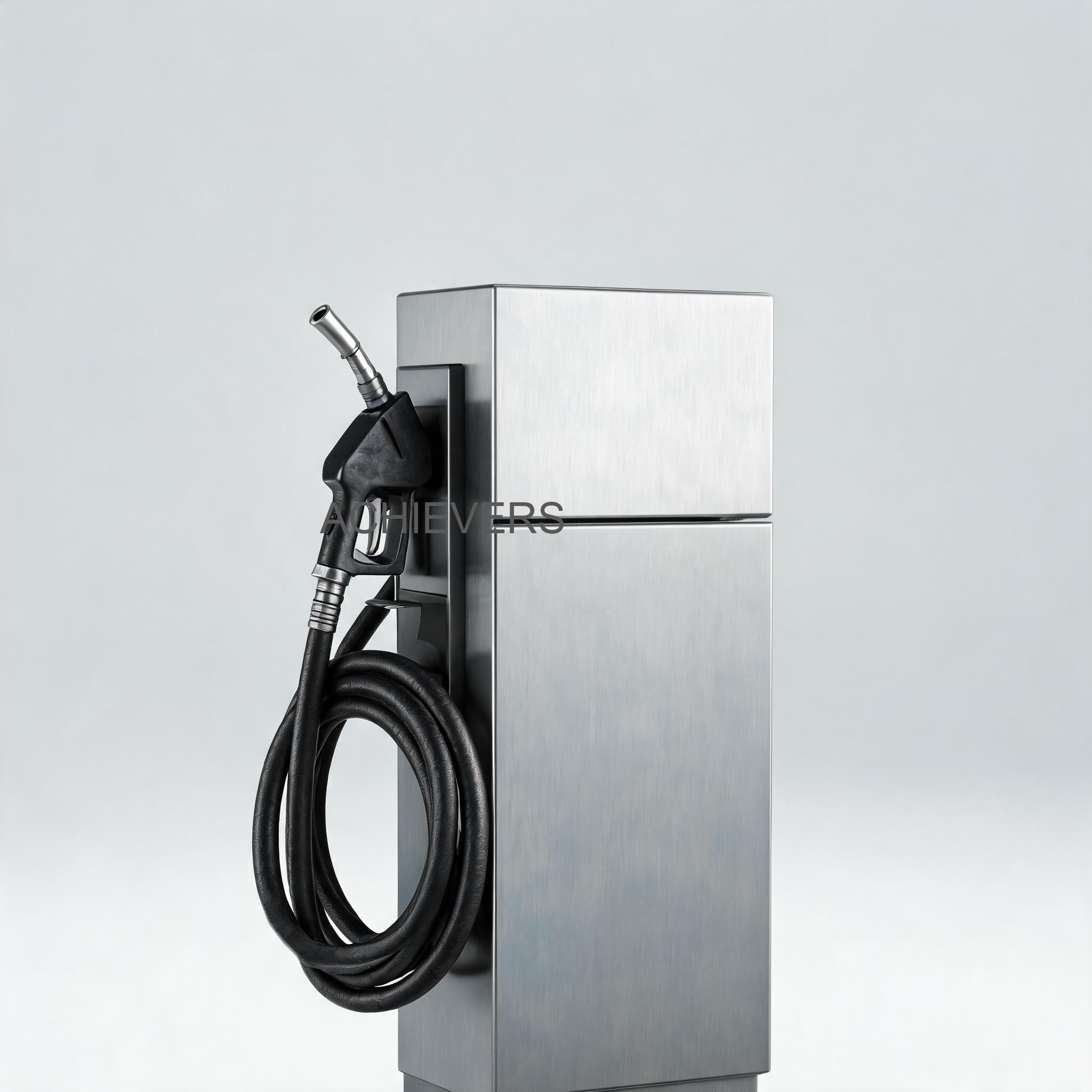
Key components most prone to field failures include the suction foot valve (if installed), the internal Y-strainer, the bypass valve, and the carbon vanes inside the pump rotor. Because Indian diesel often contains particulate matter and moisture, the strainer and vanes require special attention during troubleshooting.
2. Troubleshooting Matrix
When your Diesel Dispensing pump acts up, use this diagnostic matrix to quickly identify the root cause and apply the correct fix.
| Symptom | Likely Cause | Diagnosis Steps | Fix |
| :— | :— | :— | :— |
| Pump motor runs but does not prime (no fuel) | Air leak in the suction line | Check all joints between the tank and pump for wet spots or loose threads. | Re-seal all threaded suction joints with Teflon tape and tighten. |
| Pump motor runs but does not prime (no fuel) | Empty tank or suction pipe above fuel level | Dip the tank to verify fuel level. Check suction pipe depth. | Refill tank or lower the suction pipe to remain submerged. |
| Slow flow rate (Dispensing under 20 L/min) | Clogged internal strainer or filter | Open the strainer cap on the pump inlet. Inspect the wire mesh. | Remove, clean with clean diesel and compressed air, and reinstall. |
| Slow flow rate (Dispensing under 20 L/min) | Stuck internal bypass valve | Listen for a continuous "hissing" sound from the pump body while dispensing. | Remove bypass valve plug, extract the spring and poppet, clean, and re-lubricate. |
| Pump is excessively noisy (rattling/grinding) | Cavitation due to restricted suction | Check if the suction pipe is crushed, too small in diameter, or blocked. | Replace suction pipe with a larger diameter (minimum 1-inch) rigid pipe. |
| Air bubbles visible in fuel / Erratic meter reading | Suction line air lock | Inspect the non-return valve (foot valve) at the bottom of the suction line. | Replace the faulty foot valve to prevent fuel from draining back into the tank. |
| Automatic nozzle keeps shutting off instantly | Blocked vent hole in the nozzle spout | Inspect the small sensor hole at the tip of the Fuel Nozzle. | Clear the sensor hole with a fine pin or compressed air. |
| Motor hums but does not rotate | Jammed rotor vanes or low voltage | Check site voltage (should be 220V AC or 12V/24V DC). Turn motor shaft manually. | Fix power supply issues. Open pump head and clean swollen or jammed vanes. |
| Meter display is blank or erratic | Loose wiring or moisture damage | Inspect the electronic display panel for water ingress or loose terminal connections. | Dry the board with a blower. Secure connections. Ensure weather-proof canopy is intact. |
| Receipt printer jams or fails to print | Damp paper or dust in mechanism | Open printer housing. Check paper roll condition and feed path. | Replace damp paper rolls. Clean printer head with alcohol swab. |
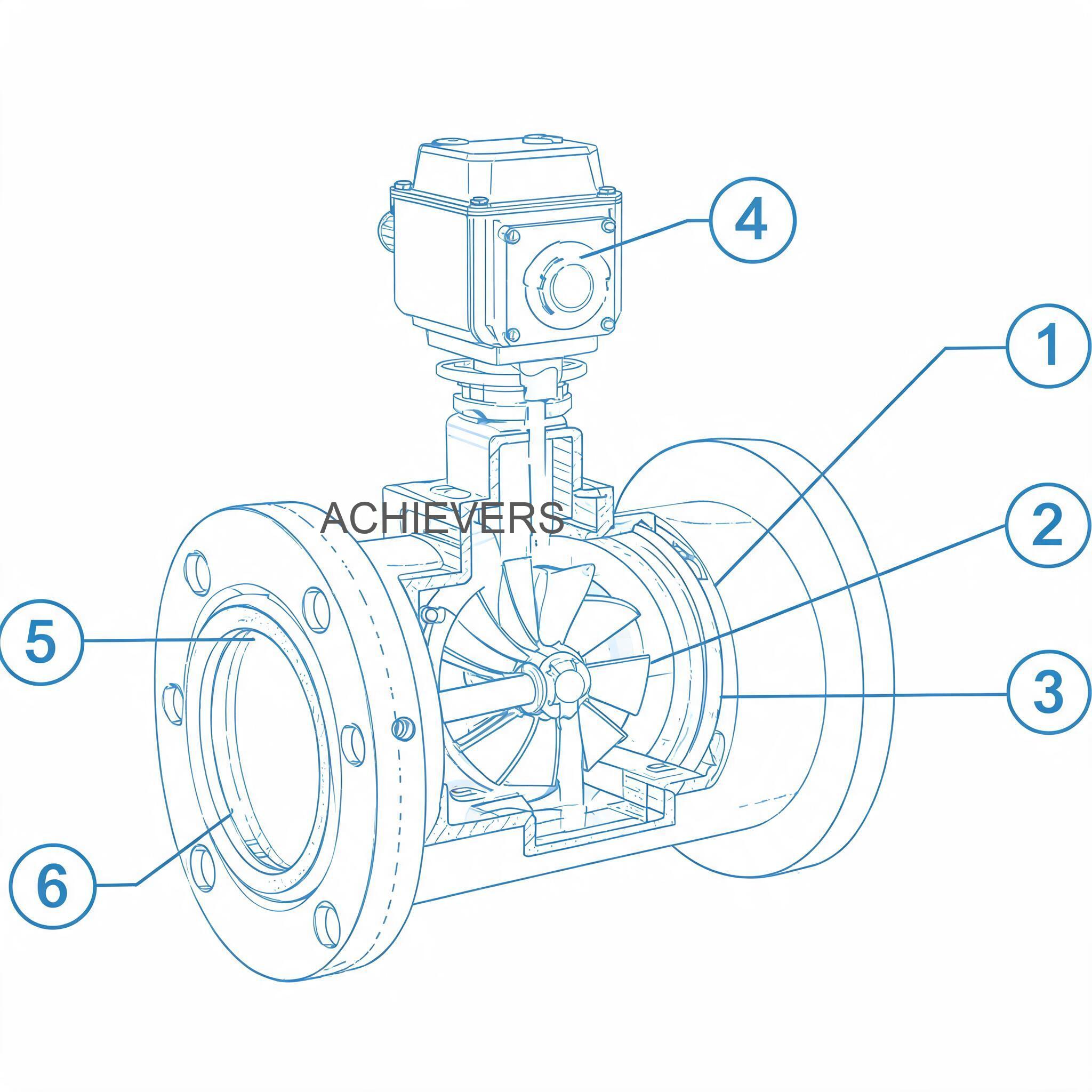
3. Step-by-Step Field Diagnosis Procedure
When a Diesel Dispensing unit completely fails to prime or suffers from severe slow flow, follow this systematic 8-step procedure. This can be performed by any competent site mechanic using basic tools (spanners, Allen keys, Teflon tape, and a multimeter).
Step 1: Safety and Power Isolation
Before opening any fuel lines, ensure the work area is free of open flames. If working on an AC220V or AC380V unit, shut off the main power breaker. For mobile DC12V/DC24V units mounted on trucks, disconnect the battery terminals to prevent accidental sparking.
Step 2: Verify Fuel Levels and Suction Submersion
It sounds obvious, but many "pump failures" are simply empty tanks. Use a dipstick to ensure the fuel level is well above the foot valve. If the suction pipe is drawing a vortex (a whirlpool of air) because the fuel level is too low, the pump will lose prime.
Step 3: Conduct a Suction Line Drop Test
The most common cause of priming failure in India is an air leak in the suction line. Because the pump operates under vacuum, a leak will draw in air rather than leak fuel out. Inspect every union, elbow, and threaded socket from the tank to the pump. Re-seal all connections with heavy-duty thread sealant or Teflon tape. Ensure the suction pipe is rigid; flexible hoses can collapse shut under vacuum.
Step 4: Inspect and Clean the Strainer
Locate the Y-strainer or inline filter housing on the pump inlet. Isolate the fuel flow, remove the cap, and pull out the mesh screen. Indian diesel often accumulates sludge and rust during transport. If the mesh is coated in black sludge, the pump cannot draw fuel, resulting in slow flow. Wash the mesh thoroughly in clean diesel.
Step 5: Manually Prime the System
If the suction line is very long or completely empty, the pump may struggle to self-prime against dry vanes. Remove the strainer cap or a top-mounted plug and manually pour a cup of clean diesel into the pump housing. This lubricates the carbon vanes, helping them create a tighter seal to pull the initial vacuum.
Step 6: Check the Bypass Valve Assembly
The bypass valve protects the pump when the motor is running but the nozzle is closed. If dirt lodges in this valve, it may stick in the "open" position. When this happens, fuel simply circulates internally instead of going through the meter. Unscrew the bypass cap, remove the spring and valve poppet, wipe them clean, and reassemble.
Step 7: Verify Electrical Input Quality
Rural Indian sites often experience severe voltage fluctuations. A 220V AC pump operating on 170V will lack the torque required to spin at full RPM, drastically reducing the 20-80L/min flow rate. Use a multimeter to check the voltage at the pump terminals while the motor is under load. If voltage is low, install an appropriate industrial stabilizer.
Step 8: Inspect the Delivery Hose and Nozzle
Examine the 4m rubber hose for kinks, especially if a heavy vehicle has driven over it. Remove the dispensing nozzle and run the pump into a safe container. If the flow is suddenly fast and strong, the restriction is inside the nozzle itself—likely a clogged spout or a jammed automatic shutoff mechanism.
4. Installation and Setup Errors That Cause Ongoing Problems
Many Diesel Dispensing slow flow problems and air lock issues in India are not caused by equipment failure, but by poor initial installation. Avoid these common setup errors:
| Installation Error | Symptom | Correction |
| :— | :— | :— |
| No foot valve on suction line | Pump loses prime every time it is turned off; takes minutes to start pumping. | Install a high-quality brass non-return foot valve at the bottom of the tank drop tube. |
| Suction pipe diameter too small | Pump sounds like it is crushing gravel (cavitation); flow rate is heavily restricted. | Use a suction pipe equal to or one size larger than the pump inlet port (minimum 1-inch). |
| Excessive suction lift height | Pump struggles to pull fuel; motor works excessively hard and overheats. | Keep the vertical lift distance below 3 meters. Move the pump closer to the tank if possible. |
| Using flexible PVC suction hose | Hose collapses flat when the pump turns on, stopping flow entirely. | Replace with rigid GI, MS, or heavy-duty wire-braided suction hose. |
| Lack of weather protection | Electronic displays blank out, rust forms on the cabinet, water mixes with fuel. | Install a metal canopy or weather shield. Do not leave standard units exposed to direct monsoon rain. |
| Improper electrical earthing | Erratic flow meter readings; risk of mild electrical shocks to the operator. | Ensure proper copper earthing is connected to the dispenser frame as per local electrical codes. |
5. Preventive Maintenance to Avoid Recurrence
Routine maintenance is the secret to extending the life of your equipment and ensuring a rapid return on investment. The Make in India initiative has made highly reliable equipment like Lumen Instruments' dispensers easily accessible, but even the best machinery requires care.
Daily Checks:
- Inspect the 4m rubber hose for abrasions or cuts.
- Ensure the automatic nozzle is stowed correctly in its boot to prevent dust ingress.
- Wipe down the digital display panel.
Weekly Checks:
- Check the suction line joints for tightness.
- Listen to the pump motor. An ambient noise standard of ≤80dB means the pump should hum smoothly. Sudden rattling indicates incoming cavitation or vane wear.
Monthly Checks:
- Isolate the pump and remove the primary Y-strainer. Clean out any debris, rust flakes, or sludge.
- If using a Fuel Transfer Pump in tandem with storage tanks, drain the water out of the bottom of the main storage tank. Condensation caused by India's humid monsoons and high ambient heat (up to +45°C) leads to water settling at the bottom of diesel tanks.
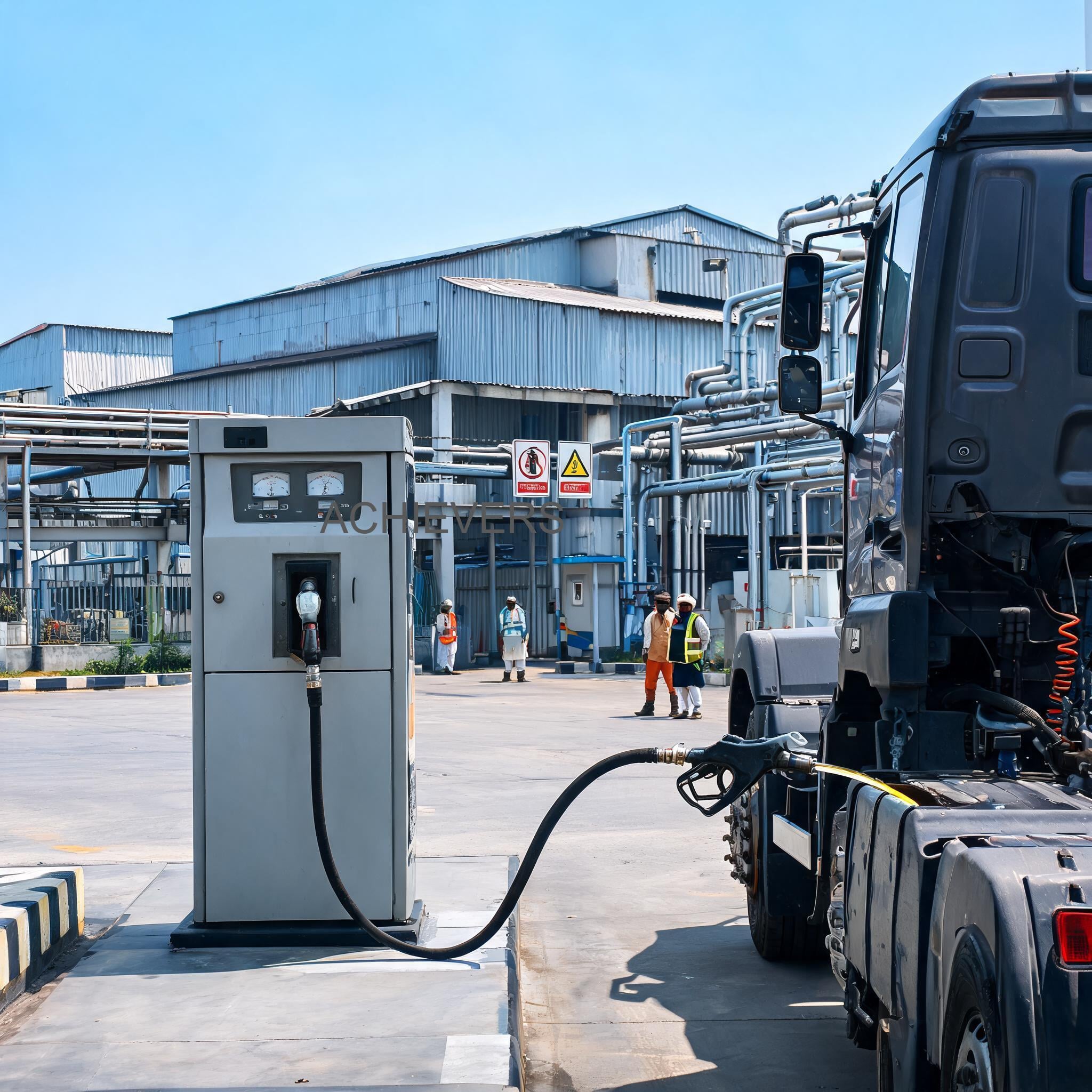
6. When to Call Service vs. Fix Yourself
Knowing when to stop dismantling a pump and call the manufacturer is crucial. As a general rule, fluid path issues—like cleaning strainers, replacing foot valves, tightening suction lines, and unjamming bypass valves—are entirely field-fixable. Plant maintenance teams should handle these routinely.
However, you should contact the manufacturer or a certified technician for the following issues:
- Flow Meter Recalibration: If the unit is dispensing 100 liters but the meter shows 95 liters, and simple adjustments do not fix it, the internal gearing or electronic pulse configuration needs professional calibration to maintain the ±0.30% accuracy standard.
- PCB/Electronic Failures: If the motherboard regulating the 128kB memory capacity (which stores your 365 days of daily data) short-circuits due to a lightning strike or massive power surge, do not attempt to bypass it.
- Motor Rewinding: If an AC motor burns out due to chronic voltage drops, it is usually safer and more reliable to request a replacement motor assembly directly from the manufacturer rather than relying on uncertified local rewinding shops.
Because Lumen Instruments is based in Ahmedabad, Gujarat, sourcing spare parts—whether it is a replacement DC24V motor, a new set of carbon vanes, or an upgraded receipt printer module—is fast and cost-effective compared to waiting for imported components.
FAQ
Q: Why does my diesel dispenser pump run but deliver fuel very slowly?
A: The most common causes are a clogged internal inlet strainer, a partially stuck bypass valve, or a collapsed suction hose. Clean the strainer first, as dusty site conditions quickly choke the mesh.
Q: Can I use regular PVC pipe for the suction line to save money?
A: No. Standard flexible PVC will collapse inward due to the strong vacuum created by the pump. You must use rigid metal piping (GI/MS) or heavy-duty wire-braided vacuum hose to prevent flow restriction and cavitation.
Q: My display shows flow, but the numbers are erratic and jumping. What is wrong?
A: This usually indicates air bubbles passing through the flow meter, caused by an air leak in the suction line. It can also be caused by poor electrical earthing or moisture on the main circuit board. Check all suction joints for tightness.
Q: How often do I need to calibrate the dispenser meter?
A: For internal fleet usage, a physical bucket test (using a certified Legal Metrology 20-liter measure) should be done every 6 to 12 months. If the discrepancy exceeds ±0.30%, the unit requires recalibration.
Q: Can these dispensers handle the high heat of an Indian summer?
A: Yes, quality industrial dispensers are rated for environmental conditions up to +45°C. However, providing a shaded canopy prevents the electronic LCD displays from sun-fading and keeps the internal cabinet temperatures lower.
Q: Does the equipment price usually include GST and installation?
A: In the Indian market, equipment prices (typically ranging from ₹35,000 to ₹1,50,000 depending on specs) usually exclude the 18% GST and transportation. Installation is typically done by the client's site engineers using guidelines provided by the manufacturer.
Q: What is the maximum distance I can place the pump from the underground diesel tank?
A: For optimal performance, horizontal distance should be kept under 10 meters, and vertical suction lift must not exceed 3 to 4 meters. Exceeding these limits will cause permanent slow flow and frequent loss of prime.
If your plant or fleet yard is experiencing persistent fueling bottlenecks, or you need to upgrade an outdated dispensing system to a smart, data-logging unit, expert help is available. Contact Lumen Instruments today with your required flow rate, power supply (AC or DC), and site application, and our engineering team will help you select or troubleshoot the perfect setup for your business.