
Managing fuel transfers at an industrial plant, transport fleet yard, or construction site requires absolute precision, speed, and uncompromising safety. Whether you are filling heavy earth-moving equipment, maintaining a commercial logistics fleet, or managing backup generator tanks, choosing the wrong dispensing equipment can lead to expensive spills, inaccurate flow tracking, and severe safety hazards.
In the fast-paced Indian industrial sector—from the sprawling GIDC manufacturing hubs in Gujarat to large-scale mining operations across the country—plant managers and procurement engineers cannot afford equipment failures. Under the Make in India initiative, domestic manufacturing of high-grade industrial fluid control equipment has reached global standards, offering robust, precise, and budget-friendly solutions tailored to demanding site conditions.
This comprehensive buyer’s guide is designed for procurement teams, industrial engineers, and plant managers. It covers everything you need to know about selecting a Fuel Nozzle based on shut-off reliability, flow rate, spout materials, and fluid compatibility. By understanding the mechanical engineering behind these devices, you can make a confident, budget-conscious purchasing decision that ensures safe and fast industrial dispensing.
1. What Is a Fuel Nozzle and What Does It Do
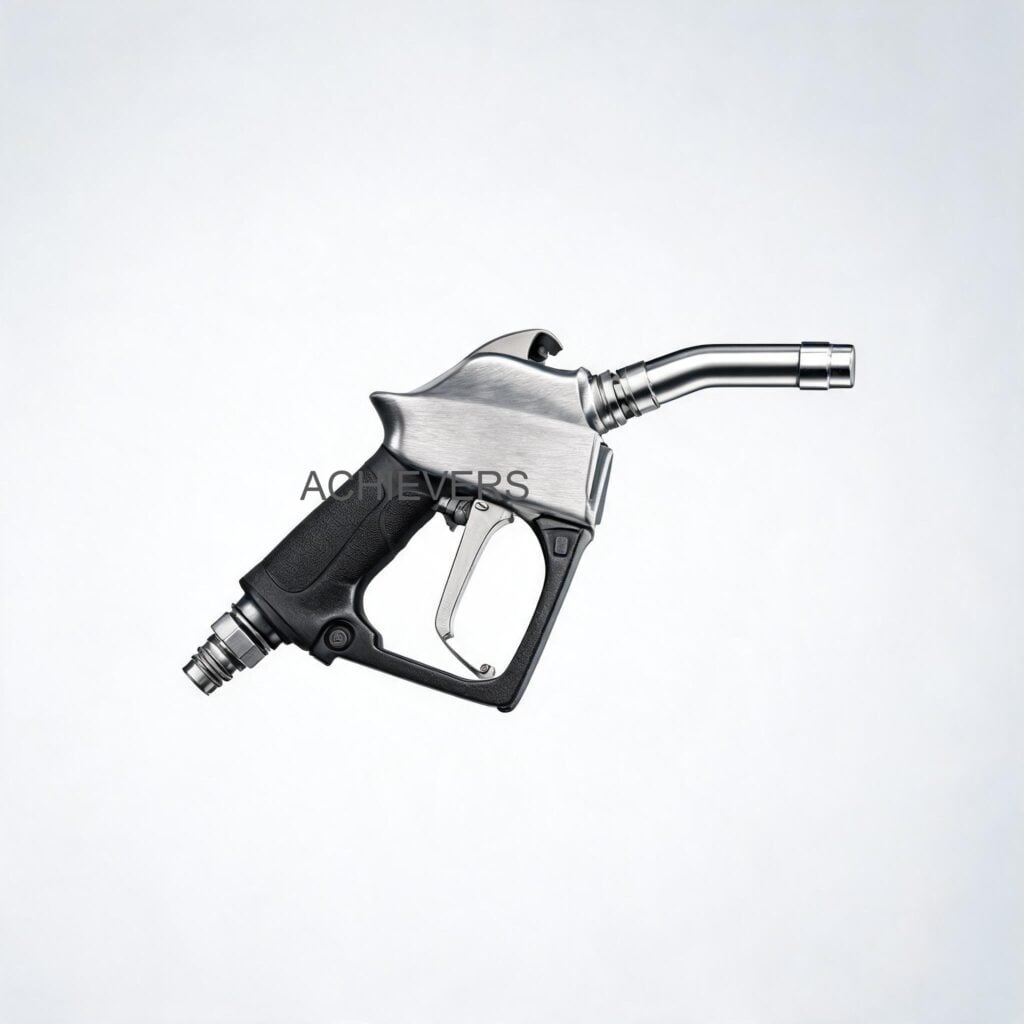
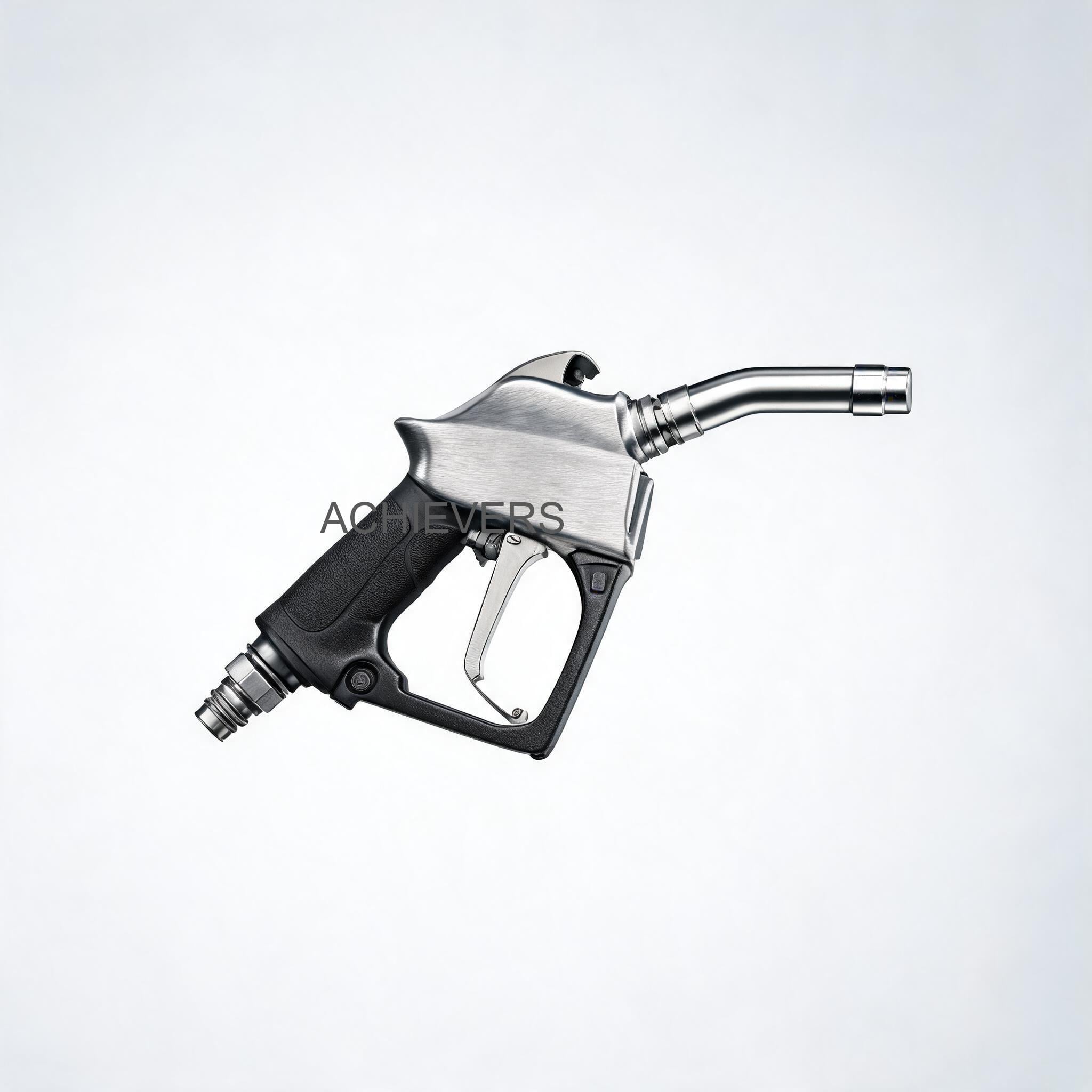
A Fuel Nozzle is the primary interface between your storage or pumping system and the receiving tank. Far from being a simple metal tube, a modern industrial dispensing unit is a complex piece of fluid dynamics engineering. It governs the flow rate, prevents overflow through pressure-sensing automatic shut-off mechanisms, and ensures the operator's safety during high-volume transfers.
The advanced Fuel Nozzle models manufactured by Lumen Instruments in Ahmedabad are designed for use in dispensers and diverse industrial applications. They feature state-of-the-art flow control technologies, specialized spring mechanisms, and robust casing materials designed to withstand over a million operating cycles. Whether handling standard diesel, gasoline, or ethanol blends (E10), these units minimize time and power consumption while maximizing operational safety.
Below is a technical breakdown of standard specifications for high-quality automatic units:
| Specification | Technical Value | Engineering Notes |
| — | — | — |
| Fluid Compatibility | Gasoline, Diesel, E10 (10% Ethanol) | Upgraded internal seals resist degradation from ethanol-blended modern fuels. |
| Maximum Working Pressure | 50 psi (3.45 bar) | Backed by rigorous internal lab testing to ensure structural integrity under load. |
| Mechanical Cycle Life | > 1,000,000 cycles | Proven to last significantly longer than standard commercial alternatives. |
| Spout Tip Material | Stainless Steel | Provides 4x the lifespan of standard aluminum spouts, resisting wear and corrosion. |
| Lever Guard Material | Duratuff polymer | High-impact resistance; prevents scratching of vehicles or equipment during use. |
| Shut-Off Technology | Flowloc automatic mechanism | Shuts off instantly if the nozzle falls out of a vehicle or is tipped upwards. |
2. Key Selection Criteria for Indian Industrial Buyers
Selecting the right Fuel Nozzle requires a careful analysis of your specific operational parameters. Indian industrial sites often face harsh environmental conditions—extreme summer heat, heavy monsoon moisture, high dust levels, and fluctuating line pressures. Furthermore, with the push toward ethanol-blended fuels by the Indian government, material compatibility has never been more critical.
For budgeting purposes, the typical Indian market price range for an industrial-grade automatic shut-off Fuel Nozzle is between ₹3,500 and ₹9,500, depending on the flow capacity, material grade, and whether it includes an integrated digital flow meter. These costs are subject to 18% GST. Standard manual versions sit at the lower end, while heavy-duty fleet models with Accu-stop flow control represent a premium, long-term investment.
Here are the critical selection criteria you must evaluate:
Automatic Shut-Off Reliability and Safety Interlocks
High-volume transfer requires automatic mechanisms to prevent overflow. Premium models utilize Flowloc technology. This safety feature ensures that if the nozzle accidentally falls out of the vehicle or is tipped upward, the flow is instantly halted, limiting spillage, fire hazards, and environmental contamination.
Spout and Construction Materials
The spout takes the most physical abuse, constantly scraping against metal tank inlets. Standard aluminum spouts wear down quickly, creating metal shavings that can contaminate fuel lines. Opting for a stainless steel spout tip extends the component's life by four times. Additionally, the lever guard should be made from durable materials like Duratuff to prevent accidental scratches to customer vehicles or fleet assets.
In Simple Terms:
How does an automatic shut-off work without electricity? It uses a clever trick of physics called the venturi effect. Inside the nozzle, fuel flowing past a small tube creates a vacuum that pulls air from a hole at the tip of the spout. When fuel in the tank rises and blocks that air hole, the vacuum changes suddenly. This pressure drop triggers a mechanical spring that snaps the main valve shut in a fraction of a second, stopping the flow before the tank overflows.
Fluid and Blending Compatibility
With India’s regulatory shift toward E10 (and moving toward E20) ethanol-blended fuels, standard rubber O-rings and seals are no longer sufficient. Ethanol is highly corrosive to certain elastomers. Ensure the dispensing unit is explicitly rated for gasoline, diesel, and up to 10% ethanol blends to prevent internal leaks and pressure failures.
Flow Rate and Accu-Stop Control
Fleet fueling yards require speed, but topping off a tank requires precision. Look for units featuring "accu-stop to-the-penny" flow control technology. This allows the operator to control the dispensing rate precisely at the end of the fill cycle, avoiding splashes and ensuring exact volume transfer.
Ergonomics and Operator Comfort
In high-volume applications where operators are dispensing fluid for hours, ergonomics impact productivity and safety. An attractive 2-piece newgard™ hand insulator makes the unit comfortable to hold, insulating the operator's hand from the temperature of the flowing fuel and the surrounding environment. A convenient one-finger hold-open clip makes setting the flow rate effortless.
Operating Pressure Limits
Industrial pumps generate significant line pressure to move viscous fluids quickly. The dispensing nozzle must be rated to handle this pressure safely. Standard high-quality models are designed for a maximum working pressure of 50 psi (3.45 bar). Exceeding this can damage the internal venturi mechanism or rupture the seals.
3. Model and Variant Comparison
Depending on your facility's requirements, you may need a simple manual unit for a gravity-fed tank or a fully automatic unit integrated with a sophisticated Diesel Flow Meter for strict inventory tracking. Understanding the distinct variants will help procurement teams match the equipment to the application.
| Model Variant | Flow Control Mechanism | Shut-Off Type | Best Industrial Application | Integrated Display / Metering |
| — | — | — | — | — |
| Manual Fuel Nozzle | Operator controlled manual trigger | Manual release | Low-volume backup tanks, gravity feed systems, agriculture | None |
| Automatic Shutoff Fuel Nozzle | Accu-stop flow control | Flowloc auto shut-off | High-volume transport fleets, petrol stations, DG sets | None (Relies on line meter) |
| Automatic Nozzle With Flow Meter | Accu-stop flow control | Flowloc auto shut-off | Mobile refueling carts, strict inventory tracking sites | Digital flow tracking display |
| High-Flow Export Variant | High-capacity spring valve | Automatic pressure drop | Heavy mining equipment, rail yards, high-viscosity fluids | Optional based on specification |
For facilities looking to modernize their internal fueling infrastructure, upgrading from manual variants to Automatic Shutoff Fuel Nozzles with integrated flow meters dramatically reduces unaccounted fuel losses and improves daily reconciliation accuracy.
4. Common Mistakes Indian Buyers Make When Choosing
Even experienced procurement heads can overlook critical technical details when ordering fluid handling equipment. Avoiding these common mistakes will save your plant from unnecessary downtime and safety incidents.
- Prioritizing Initial Cost Over Spout Material: Many buyers opt for cheaper aluminum-spouted nozzles to save a few hundred rupees. In heavy industrial settings, aluminum wears down rapidly against steel tank inlets. This requires frequent replacements and risks metal contamination in the fuel, making the cheaper nozzle far more expensive in the long run compared to a stainless steel tip.
- Ignoring the Maximum Pressure Rating: Coupling a standard 50 psi nozzle to a high-pressure transfer pump without a bypass valve will blow the internal seals. Always match the nozzle’s design working pressure to your pump's output specifications.
- Using Standard Nozzles for Ethanol Blends: Standard diesel nozzles often use Buna-N or standard nitrile seals. When exposed to E10 gasoline, these seals dry out, crack, and leak. Always verify that the unit is rated for ethanol blends if you are handling multiple fuel types.
- Bypassing the Lever Guard Safety Blockers: A major safety violation at many Indian transport yards is operators physically jamming the nozzle lever open with a piece of wood or a rag to avoid holding it. High-quality nozzles feature a specific blocker on the lever guard designed to prevent consumers from jamming the nozzle in an open, unsafe position. Choosing a unit without this feature invites catastrophic spills.
- Overlooking Flowloc Requirements for Mobile Dispensing: If a nozzle is used on a mobile refueling cart or a site with uneven terrain, the risk of the nozzle falling out of the tank is high. Failing to specify a unit with Flowloc (which shuts off when tipped up or dropped) is a massive oversight that can lead to severe environmental pollution and safety hazards.
5. Enquiry Specification Checklist
When reaching out to a manufacturer to request a quote, providing a highly detailed specification sheet ensures you receive the exact product required for your site. Use this 8-step procedural checklist to define your requirements before contacting the supplier.
- Identify the Exact Fluid Type: Clearly state whether you are pumping standard diesel, gasoline, kerosene, or an E10 ethanol blend. This dictates the internal seal material (e.g., Viton vs. standard Nitrile).
- Determine the Required Flow Rate (LPM): Calculate the desired Liters Per Minute. A heavy earth-mover tank requires a much higher flow rate than a standard commercial delivery van.
- Confirm Line Pressure: Check the output pressure of your existing Diesel Dispensing pumps. Ensure it does not exceed the nozzle's maximum rating of 50 psi (3.45 bar).
- Select Shut-Off Technology: Specify if you require manual shut-off for gravity applications or automatic shut-off (with Flowloc safety) for pressurized high-volume lines.
- Specify Spout Material: explicitly request a stainless steel spout tip for longevity in harsh industrial environments.
- Determine Metering Integration Needs: Decide if the operator needs to see the dispensed volume directly at the nozzle (requiring an Automatic Nozzle With Flow Meter) or if the pump unit already has an adequate central meter.
- Define Ergonomic Requirements: For cold environments or high-usage sites, request models featuring the 2-piece newgard™ hand insulator and a convenient one-finger hold-open clip.
- Request Export and Testing Documentation: If you are buying for critical infrastructure or export, ask for the internal lab testing reports (e.g., cycle testing > 1 million cycles) and material certificates to ensure BIS or relevant international compliance.
FAQ
Q: Why is a stainless steel spout tip better than an aluminum one?
A: Stainless steel is significantly harder and more resistant to friction and corrosion than aluminum. In industrial environments where the nozzle is constantly inserted into metal tanks, a stainless steel tip lasts up to four times longer, reducing replacement costs and preventing metal shavings from entering the fuel.
Q: What exactly is Flowloc technology?
A: Flowloc is a specialized safety mechanism built into the nozzle. If the nozzle accidentally falls out of the vehicle's fill pipe or is tipped upwards past a certain angle, the internal valve automatically snaps shut, preventing fuel from spilling onto the ground.
Q: Can these industrial nozzles safely handle ethanol-blended fuels?
A: Yes, premium industrial models are manufactured with specialized internal seals that resist the corrosive effects of ethanol. They are fully compatible with standard diesel, gasoline, and up to 10% ethanol blends (E10).
Q: What happens if my transfer pump exceeds the 50 psi maximum pressure rating?
A: Exceeding the design working pressure of 50 psi (3.45 bar) can overpower the internal spring mechanisms, damage the O-rings, and cause the automatic shut-off feature to fail, leading to continuous leaks or a complete structural rupture of the nozzle.
Q: Is it possible to attach a flow meter directly to the dispensing unit?
A: Absolutely. You can purchase specific variants, such as the Automatic Shutoff Fuel Nozzle With Flow Meter, which integrates a digital tracking display right before the handle. This is ideal for decentralized dispensing where the operator needs immediate volume confirmation.
Q: How long will an automatic dispensing unit last in a high-volume transport yard?
A: High-quality units are cycle-tested to endure more than 1 million operations. With proper maintenance, clean fuel filters, and correct usage (not dropping the unit or bypassing safety clips), they provide years of reliable service even in demanding industrial environments.
Q: Why do some nozzles have a blocker on the lever guard?
A: The blocker is an intentional safety design. It prevents operators from unsafely wedging objects (like sticks or fuel caps) into the handle to force the valve open. This ensures the automatic safety mechanisms function correctly and the operator remains attentive during the fueling process.
Ready to upgrade your fluid handling infrastructure with highly durable, precise, and safe equipment? Contact Lumen Instruments today with your specific flow requirements, fluid type, and operating pressure parameters. Our technical engineering team in Ahmedabad is ready to help you select the exact dispensing solutions and integration accessories needed for your plant's success.