
Running a thermic fluid heater, industrial boiler, or hot oil circulation system in an Indian manufacturing plant comes with a unique set of challenges. Between fluctuating power supplies, extreme summer ambient temperatures, and the varying quality of industrial fuels, plant managers need equipment they can trust. Inaccurate measurement of furnace oil or thermic fluid leads to poor boiler efficiency, wasted fuel, and inflated operational costs. If you are struggling with inconsistent flow readings or frequent meter breakdowns, choosing the right measurement technology is your first step toward long-term reliability.
Whether your facility is located in a bustling GIDC estate in Gujarat or an industrial hub in Maharashtra, this guide is designed to help Indian procurement heads and maintenance engineers understand how to choose oil flow meters for hot oil systems. By focusing on practical engineering requirements, local pricing, and robust technologies like oval gear positive displacement, we will help you specify equipment that survives tough Indian industrial conditions without breaking your capital expenditure budget.
1. What Is Oil Flow Meters and What Does It Do
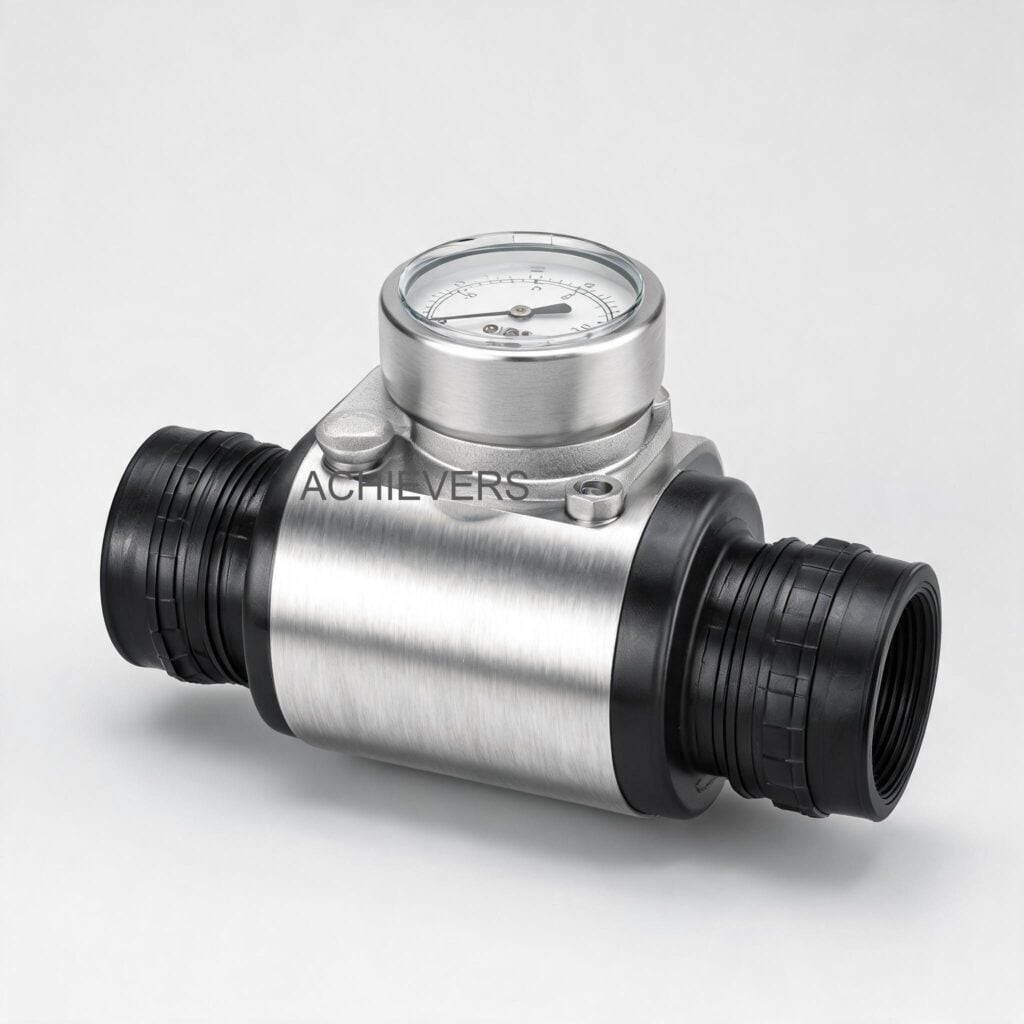
At their core, Oil Flow Meters are precision instruments designed to measure the exact volume of viscous liquids passing through a pipe. For high-temperature hot oil and thermal fluid circulation, the most reliable and widely adopted technology is the Positive Displacement (PD) Oval Gear meter.
As manufactured by Lumen Instruments in Ahmedabad, these meters function as displacement-type volume meters. The internal mechanism consists of two high-precision toothed oval gears. These gears are driven entirely by the flow of the oil itself, meshing together but turning in opposite directions. This precise movement creates four distinct measuring cavities. As the liquid enters and leaves these chambers, a defined, incremental volume is transported with each rotation. A sensor element detects these rotations, and because the internal tolerances are incredibly tight, the number of rotations provides a highly accurate, repeatable measurement of the total oil volume.
In Simple Terms:
Imagine a revolving door at a hotel. Every time the door completes one full circle, exactly four people pass through. By simply counting how many times the door spins, you know exactly how many people entered the building. Oval gear flow meters work the same way—they physically divide the thick hot oil into exact "pockets" of liquid and count them as they pass through, guaranteeing high accuracy regardless of how thick or thin the oil gets.
Core Specifications
The following table highlights the operational parameters and standard capabilities of Lumen's measurement solutions, demonstrating why they are ideal for industrial boiler applications:
| Specification | Operational Value | Industrial Benefit for Plant Managers |
| :— | :— | :— |
| Measurement Technology | Positive Displacement (Oval Gear) | High accuracy and repeatability for volumetric flow rate |
| Viscosity Handling | Virtually immune to viscosity changes | Perfect for hot oil that thins out at high temperatures |
| Flow Range | Few milliliters to several thousand liters/min | Scalable from small pilot burners to massive industrial boilers |
| Inlet/Outlet Piping | No straight pipe section required | Saves space; can be installed in tight pipe galleries |
| Fluid Compatibility | Clean liquids only (Furnace, Mineral, Hydraulic oils) | Long service life when paired with standard industrial strainers |
2. Key Selection Criteria for Indian Industrial Buyers
Selecting Oil Flow Meters for thermal oil circulation in India requires more than just matching pipe sizes. Plant engineers must evaluate conditions specific to their site. Here are the critical factors to consider before finalizing your purchase order:
A. Operating Temperature Extremes
Thermic fluid loops and hot oil boilers operate at elevated temperatures, often exceeding 200 to 300 degrees Celsius. Standard meters will fail under these conditions due to thermal expansion of internal parts or damage to electronic sensors. You must select a meter specifically engineered for high temperatures. Ensure the oval gears and the meter body are cast from materials with compatible thermal expansion coefficients so they do not seize up when the hot oil hits the chamber.
B. Fluid Viscosity and Pressure Drop
In Indian winters, heavy furnace oil becomes incredibly thick, while at operating temperatures in a boiler, it flows like water. The primary advantage of Oil Flow Meters using oval gear technology is that they are virtually immune to changes in liquid viscosity. However, pushing thick, cold oil through tight gear clearances creates a pressure drop. Plant managers must ensure their feed pumps have enough head pressure to overcome this resistance during cold start-ups without causing cavitation.
C. Debris, Contamination, and Filtration
Indian industrial fuels and thermal oils often accumulate rust, pipe scale, and carbonized degradation over time. Because oval gear meters are designed with extremely tight tolerances to ensure high measurement accuracy, they are suitable for use with "clean" liquids only. A non-negotiable rule for installation is placing a high-quality Y-strainer or basket filter immediately upstream of the meter to protect the precision gears from jamming.
D. Power Supply and Output Integration
Power quality can be a major headache in industrial zones across India, with frequent voltage fluctuations. When choosing a digital output meter, ensure the electronics can handle these spikes or run on stable 24V DC loop power. If you are integrating the meter into a central PLC or SCADA system for a boiler control room, you will need to specify pulse outputs or 4-20mA signals. For remote sites without reliable power, a purely mechanical display is often the safest and most reliable choice.
E. Indian Market Pricing and GST
Budgeting accurately is vital for Indian SMEs. The 'Typical Indian market price range' for industrial-grade oval gear meters varies significantly based on line size, material of construction, and electronics. A basic 1-inch mechanical meter might start around ₹20,000, while a heavy-duty 4-inch digital flange-type meter designed for high-temperature thermal fluids can range from ₹80,000 to over ₹3,50,000. Always factor in the standard 18% GST applicable on industrial instrumentation to calculate your true GST-inclusive cost.
F. Local Support and "Make in India" Advantage
Buying imported meters from Europe or China often looks attractive on paper until a breakdown occurs. Sourcing from a domestic manufacturer like Lumen Instruments in Ahmedabad (Gujarat) aligns with the Make in India initiative and ensures that spare parts, recalibration services, and technical support are just a domestic phone call away, drastically reducing plant downtime.
3. Model and Variant Comparison
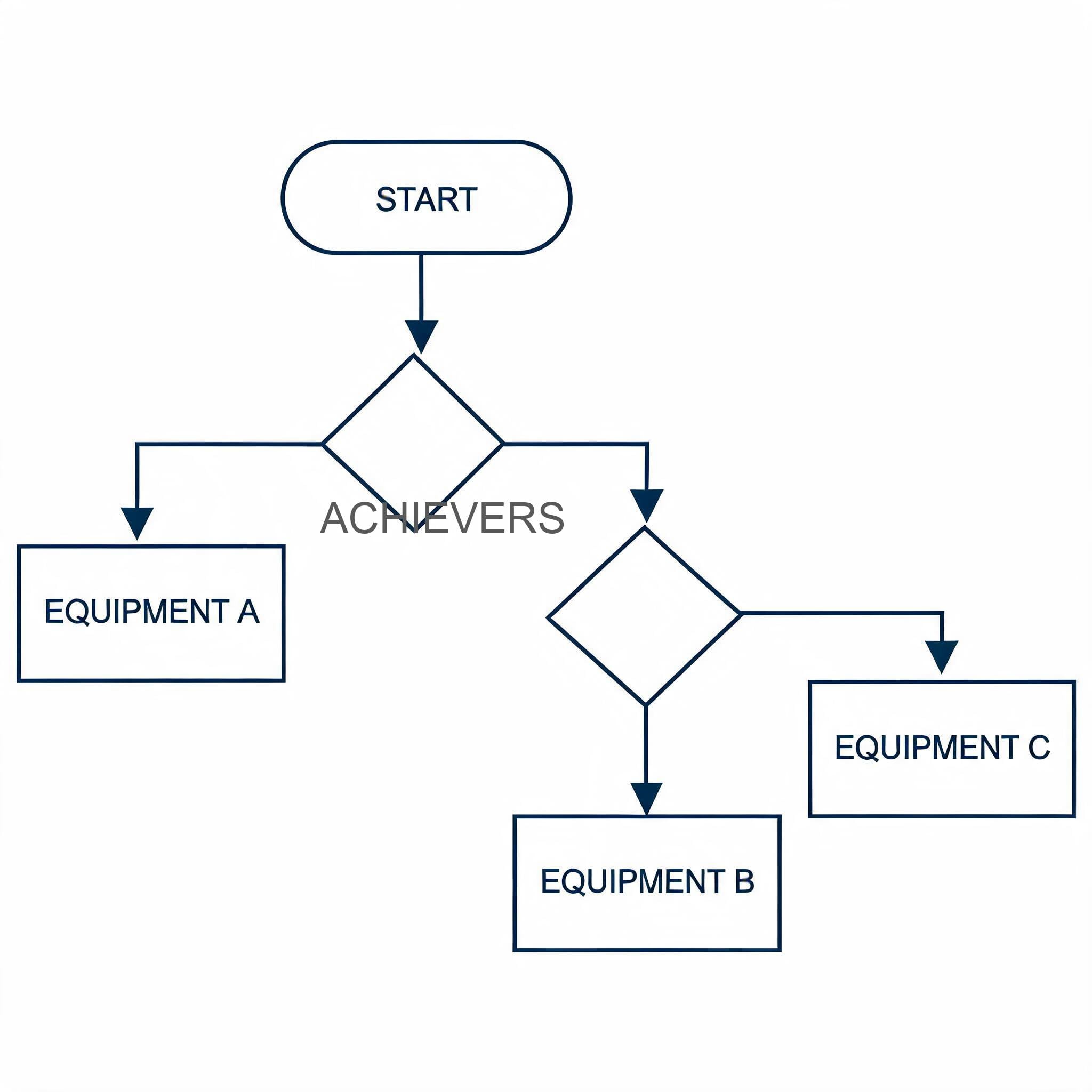
To buy oil flow meters for industrial boilers that perfectly match your system, you need to understand the available variants. Lumen Instruments provides several configurations to suit different sections of a plant's fuel and thermal fluid handling infrastructure.
| Model Variant | Connection / Size | Display Output | Best Suited Application |
| :— | :— | :— | :— |
| Mechanical Oil Flow Meter | Threaded / Flanged | Non-resettable mechanical register | Remote boiler houses with poor power supply; harsh, high-heat environments. |
| Digital Oil Flow Meter | Threaded / Flanged | LCD Display with Pulse/4-20mA | Automated thermic fluid heaters; plants using PLCs to monitor exact fuel efficiency. |
| Flange Type Oil Flow Meter | ANSI / DIN Flanges | Mechanical or Digital | High-pressure, large-volume thermal oil circulation lines requiring leak-proof, heavy-duty joints. |
| 4 Inch Oil Flow Meter | 4" Flanged | Mechanical or Digital | Main storage tank unloading; large-scale continuous process chemical plants. |
| Vegetable Cooking Oil Meter | SS / Food Grade | Digital / Mechanical | Edible oil refineries and large food processing plants requiring sanitary standards. |
Note: Customizations are readily available. Always consult the manufacturer to align the variant with your specific pressure and temperature ratings.
4. Common Mistakes Indian Buyers Make When Choosing
Even experienced procurement teams can make errors that compromise boiler efficiency and safety. Avoid these widespread mistakes to ensure a successful installation:
- Ignoring the Upstream Strainer Requirement: Because oval gear technology requires precise clearances to trap and measure fluid, solid particles will jam the gears. Installing the meter without a 40-to-60 mesh strainer is a guaranteed way to destroy the equipment within weeks, especially with Indian furnace oil.
- Wasting Space on Straight Pipe Runs: Many engineers assume all flow meters require straight lengths of pipe before and after the meter to condition the flow. Unlike turbine or ultrasonic meters, positive displacement oval gear meters do not require any inlet or outlet straight sections. Over-engineering the pipework wastes valuable space and money.
- Overlooking the Cold-Start Pressure Drop: While the meter is immune to viscosity changes in terms of accuracy, thick cold oil creates massive resistance. Failing to calculate the pressure drop at ambient winter temperatures can lead to blown pump seals or bypassed fluid. If you use a system that requires moving diesel fuel alongside heavier oils, ensure you evaluate high-quality Fuel Transfer Pumps sized correctly for the resistance.
- Selecting the Wrong Seal Material: Hot thermic fluids aggressively attack standard rubber seals. Specifying standard Nitrile or Buna-N seals for a 250°C hot oil loop will cause dangerous leaks. Always insist on high-temperature Viton, PTFE, or Kalrez O-rings.
- Chasing the Lowest Price at the Expense of Accuracy: Buying a cheap, unbranded water meter modified for oil use is a common mistake. These meters lack the tight gear tolerances needed for accurate measurement, leading to 5-10% errors. In a plant consuming thousands of liters of furnace oil daily, a 5% error costs lakhs of rupees annually, wiping out any initial savings on the purchase price.
- Forgetting Legal Metrology and Local Regulations: If you are using the meter for custody transfer (e.g., selling oil to a third party or internal cost allocation across joint ventures), the meter must comply with the Legal Metrology Act of India. A high-quality, calibrated meter manufactured under strict quality measures ensures compliance and prevents legal disputes.
5. Enquiry Specification Checklist
To get an accurate, budget-friendly quote from a manufacturer, you must provide comprehensive data. Use this 8-step checklist when drafting your Request for Quotation (RFQ) for an oval gear oil flow meter selection guide:
- Fluid Details: Specify the exact fluid (e.g., Thermic Fluid, Furnace Oil, Mineral Oil, Hydraulic Oil). Note that these meters are for clean liquids only.
- Operating Temperature Range: Provide both the normal operating temperature and the absolute maximum peak temperature. This dictates the metal clearances and seal materials.
- Viscosity at Operating Conditions: State the viscosity (in cSt) at your actual operating temperature, as well as at ambient start-up temperature.
- Flow Rate (Min / Max / Normal): Detail your required flow range. While these meters can handle several thousand liters down to a few milliliters, sizing the meter correctly keeps pressure drop optimal.
- Maximum Operating Pressure: Provide the highest pressure the line will experience, including pump shut-off head, to ensure the meter casing and flanges are thick enough.
- Connection Type: Specify your preferred connections (e.g., 2-inch ANSI 150# Flange, 1-inch BSP threaded).
- Display and Output Requirements: Clearly state whether you need a local mechanical display, a digital LCD display, or specific electronic outputs (Pulse, 4-20mA, RS485) for your PLC.
- Site Constraints: Mention if the meter will be installed outdoors exposed to monsoon rains or dust, requiring specific IP-rated weatherproof or PESO-certified explosion-proof enclosures.
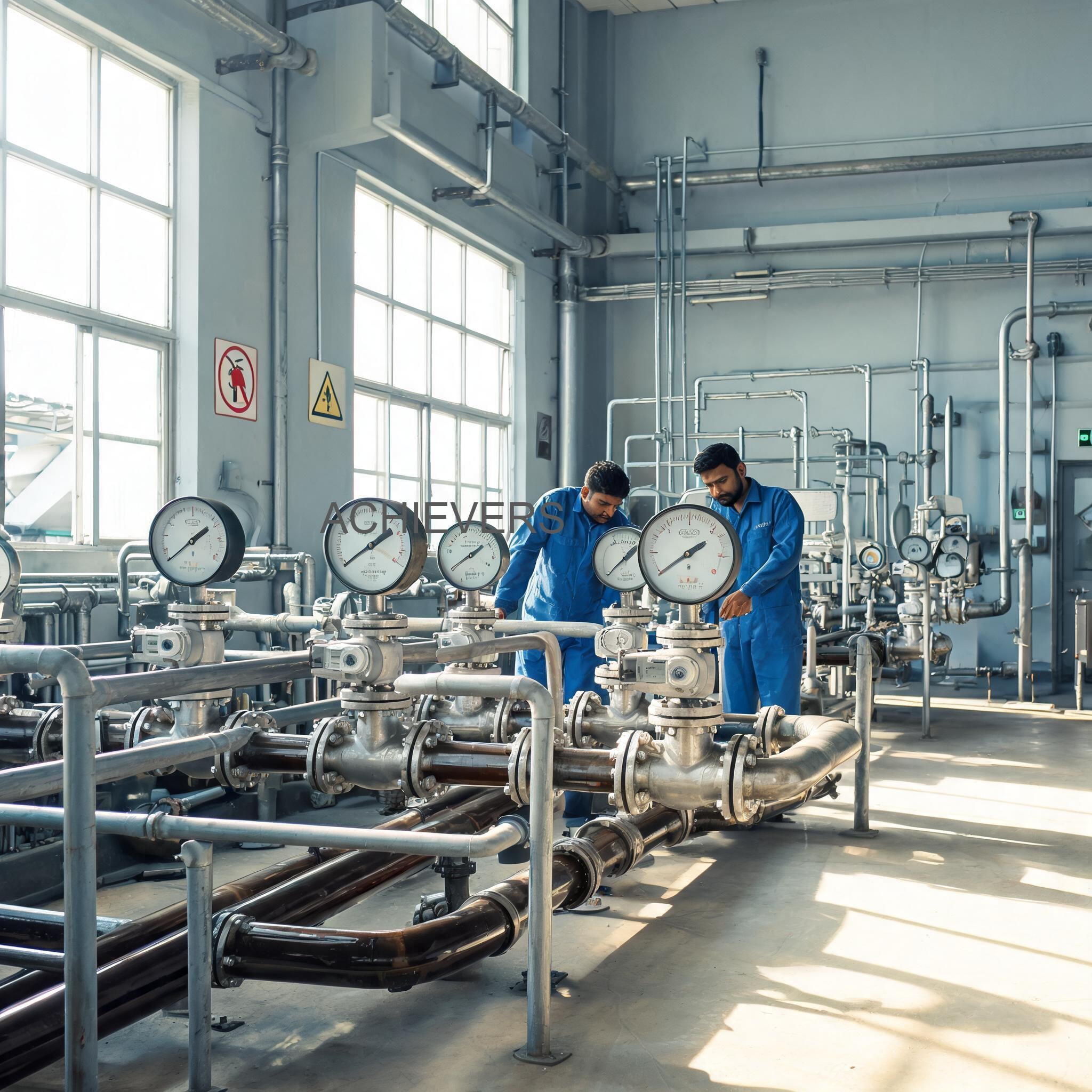
If your facility also manages backup generator fuels, ensuring accuracy at the delivery point is equally critical. You may want to evaluate a dedicated Diesel Flow Meter specifically calibrated for standard high-speed diesel to run alongside your heavy oil systems.
FAQ
Q: Can this meter be used for dirty or highly contaminated waste oil?
A: No. Positive displacement oval gear technology relies on tight internal tolerances to ensure high measurement accuracy. Contaminated fluids will jam the gears. These meters are designed for clean liquids only, and a dedicated upstream strainer is mandatory.
Q: How does hot oil temperature affect the accuracy of the meter?
A: Because the meter works by measuring precise volumetric cavities, it is virtually immune to viscosity changes caused by temperature fluctuations. However, for extremely high temperatures, you must specify this during ordering so the manufacturer can machine the gears with specialized thermal expansion clearances to prevent binding.
Q: Do I need a straight run of pipe before the meter?
A: No. One of the primary advantages of this positive displacement design is that no straight inlet or outlet section is required. You can install it immediately after a pipe elbow or valve without losing measurement accuracy.
Q: What is the typical GST and price range for these industrial meters in India?
A: Industrial flow meters fall under the 18% GST bracket. Depending on the size (from small threaded versions up to 4-inch flanged models) and output electronics, the GST-inclusive cost typically ranges from ₹25,000 to over ₹3,50,000.
Q: What happens if the power fails in my plant? Will I lose my flow readings?
A: If you opt for a mechanical oil flow meter, it requires no external power and will continue to log total volume precisely. If you use a digital meter, most industrial models are equipped with non-volatile memory and battery backups to retain totalizer readings during power outages.
Q: How often should I calibrate the meter?
A: Due to high-quality construction and long-term stability, oval gear meters require minimal recalibration. For critical boiler efficiency monitoring in Indian plants, an annual calibration check against a master meter or a known volume test is recommended.
Q: Are these meters difficult to install?
A: No, they offer very easy installation. Their compact size and lack of straight-pipe requirements mean your maintenance team can easily bolt them into existing pipework using standard flanges or threads, provided a strainer is fitted upstream.
To ensure your boiler and thermal fluid systems are operating at peak efficiency without costly fuel waste, investing in the right measurement technology is critical. If you are ready to upgrade your plant's instrumentation, contact Lumen Instruments today with your specific flow rate, fluid type, temperature limits, and site conditions, and our team in Ahmedabad will help you specify the exact meter for your budget and engineering needs.