
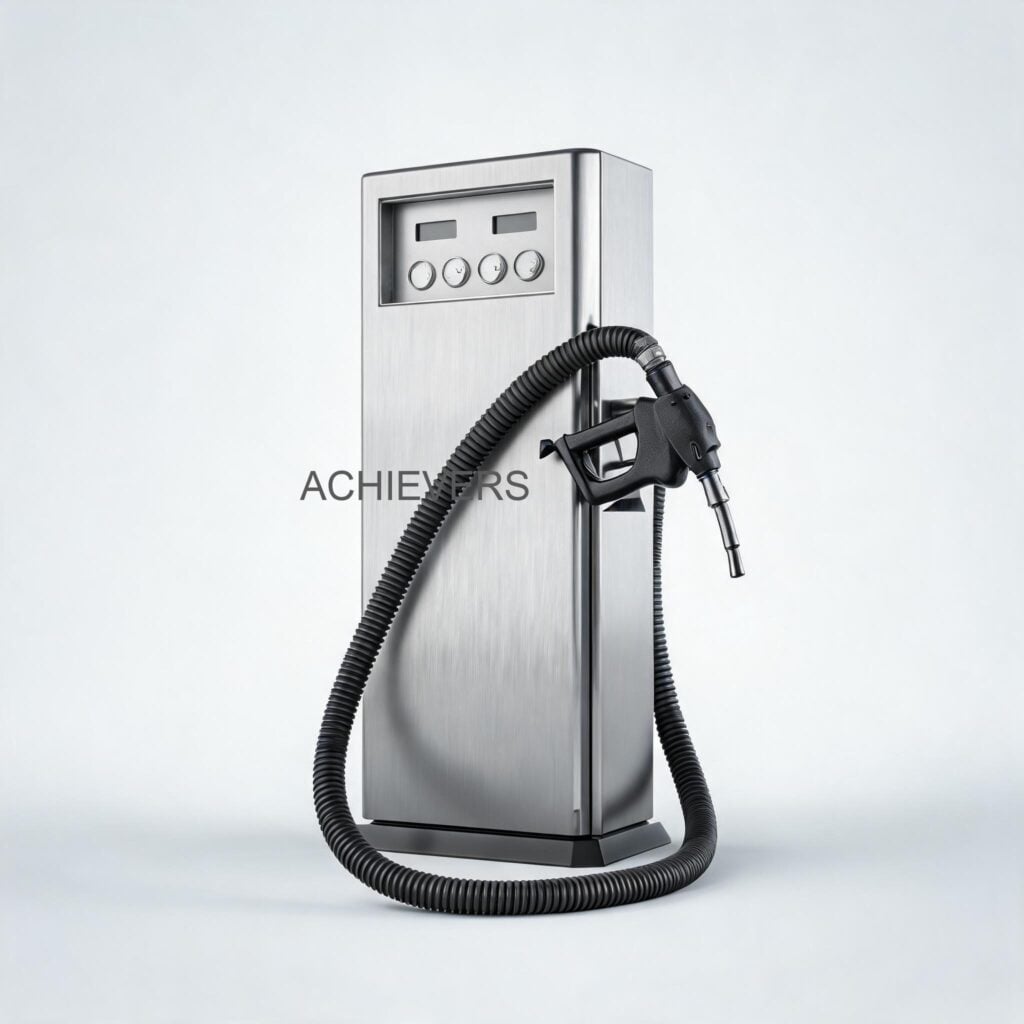
For industrial plant managers running brick kilns or ceramic manufacturing units, diesel is the lifeblood of daily operations. Between firing the massive burners, running high-capacity DG (Diesel Generator) sets during grid power cuts, and fuelling the fleet of payloaders and JCBs moving raw clay, fuel consumption is staggering. However, managing this fuel on sprawling, dusty sites often relies on primitive methods: manual hand pumps, jerry cans, and uncalibrated gravity-fed drums. These generic fluid handling solutions inevitably lead to costly spills, inaccurate batch measurements, and unchecked pilferage.
The harsh reality for plant owners in manufacturing belts like Morbi or Thangadh is that unaccounted fuel directly eats into profit margins. A 1% loss on a monthly consumption of 20,000 litres translates to massive financial bleeding over a year. To stop these losses, ceramic units require a highly accurate, ruggedised solution. By integrating a dedicated Diesel Dispensing system, plant managers can instantly upgrade their site from a chaotic refuelling yard into a tightly monitored, data-driven operation.
1. Industry Overview: The Fluid Challenge
The Indian ceramic and brick manufacturing sector operates in some of the most punishing environments imaginable. Ambient summer temperatures in Gujarat easily hit 45°C, while monsoon humidity creates a highly corrosive atmosphere for electrical components. Compounding this is the pervasive presence of ultra-fine clay dust and silica, which acts as a destructive abrasive to standard commercial pumps.
Fluids in this industry, primarily High-Speed Diesel (HSD) and Light Diesel Oil (LDO), are transferred across large, unpaved factory premises. Earthmovers cannot easily travel to a central stationary tank without losing productive operational time. This forces operators to transport fuel to the machinery. When using manual methods, the risks are multi-fold:
- Contamination Risk: Opening machinery fuel tanks in dusty conditions introduces silica into the engine, leading to premature injector failure.
- Pilferage and Shrinkage: Without a metered Diesel Dispensing unit, operators cannot track shift-wise consumption accurately.
- Voltage Fluctuations: Remote GIDC (Gujarat Industrial Development Corporation) estates often face erratic power quality, meaning standard 220V AC pumps burn out rapidly without proper protection.
In Simple Terms:
Imagine trying to fill a bucket with a leaky garden hose while someone is turning the tap pressure up and down. That is what refuelling heavy machinery looks like without proper equipment. A mobile dispensing system mounts a "mini petrol pump" directly onto the back of your pickup truck or tractor trolley. It runs entirely on the truck's battery, automatically measures every drop, prints a receipt for the driver, and cuts off automatically when the tank is full, so you never spill expensive diesel in the mud.
2. Product Capabilities Matched to Industry Needs
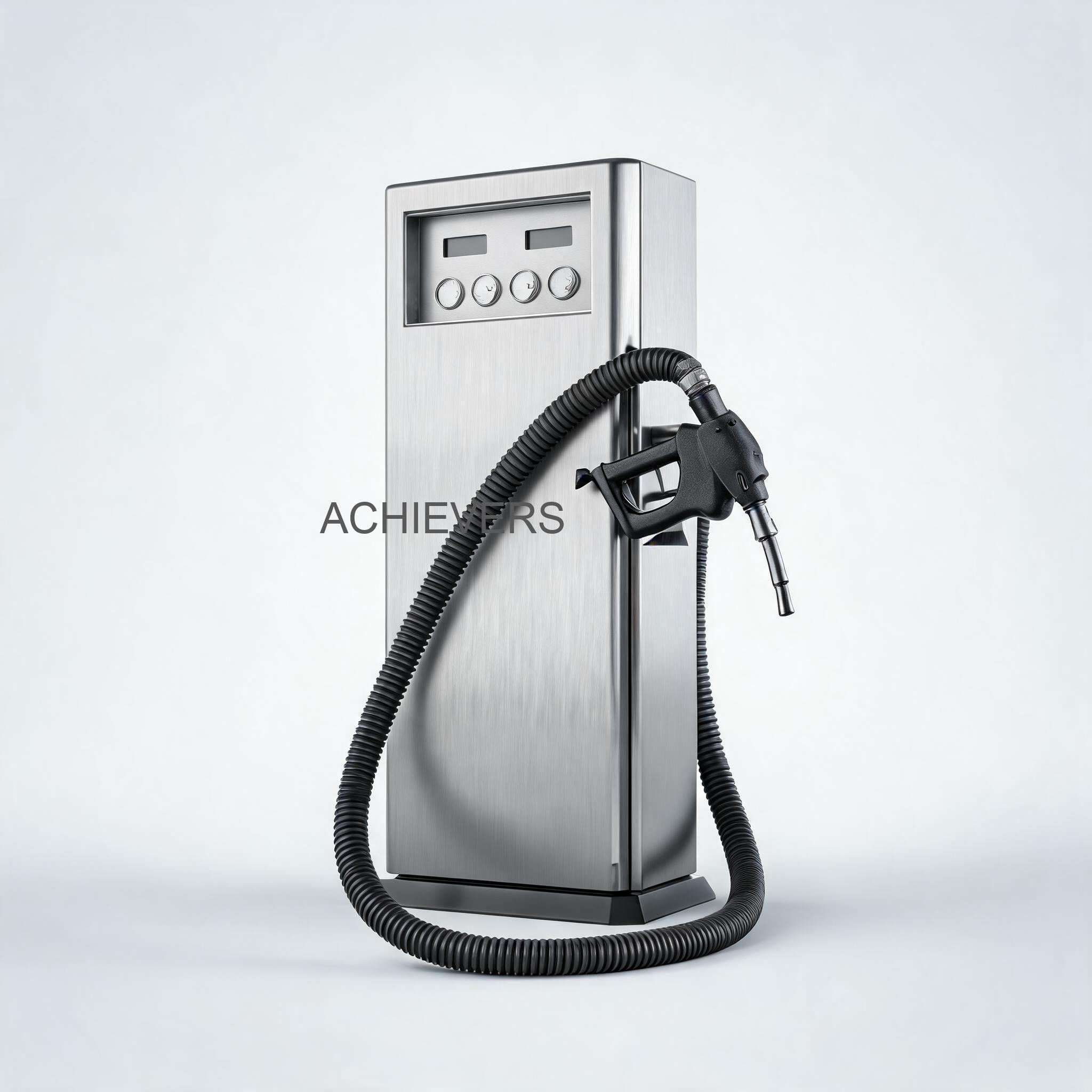
For a system to survive a ceramic plant's environment while delivering Legal Metrology-level accuracy, it must be purpose-built. Lumen Instruments, operating under the Make in India initiative, engineers the Diesel Dispensing system to bridge the gap between heavy-duty industrial ruggedness and precision digital accounting.
Below is a technical breakdown of how the product specifications directly solve critical issues in the brick and ceramic industry:
| Industry Requirement | Diesel Dispensing Feature | How It Addresses the Need |
| :— | :— | :— |
| High-Speed Refuelling | 60 Lpm Pump Capacity (Range 20-80 L/min) | Dramatically reduces machinery downtime. A 200-litre payloader tank fills in under 4 minutes, keeping earthmovers operational. |
| Zero Pilferage & Auditing | ±0.30% Accuracy & <0.15% Repeatability | Guarantees exact batch costing. Highly accurate flow meter ensures every drop is accounted for, eliminating the "shrinkage" excuse. |
| Harsh Environment Survival | Temperature Rating: -30°C to +45°C | Operates flawlessly in extreme Indian summers and handles up to 95% relative humidity during monsoon seasons. |
| Remote Power Availability | DC12V & DC24V Power Options | Enables mobile bowser setups. The pump can run directly off the transport vehicle's battery, eliminating the need for AC power at the digging site. |
| Shift-Wise Accountability | 128kB Memory (Stores 365 Days Daily Data) | Allows plant managers to pull historical data, cross-checking the previous 12 months of monthly data against fuel purchase invoices. |
| Spill Prevention | Automatic Shutoff Fuel Nozzle | Operators can lock the nozzle open; it clicks off automatically when the machine's tank is full, preventing overflows and soil contamination. |
| Dust & Noise Compliance | Enclosed Cabinet & ≤80dB Noise Level | The rugged steel enclosure protects internal electronics from silica dust, while the A-Class noise rating ensures operator safety. |
| Driver Accountability | Integrated Receipt Printer | Generates an immediate physical slip for the driver to submit to the plant office, ensuring transparent fuel custody transfer. |
| Flexible Reach | 4m x 25mm Rubber Hose | Provides sufficient length to reach awkward machine fuel inlets without requiring the transport vehicle to maneuver dangerously close. |
3. Typical Installation Scenarios in This Industry
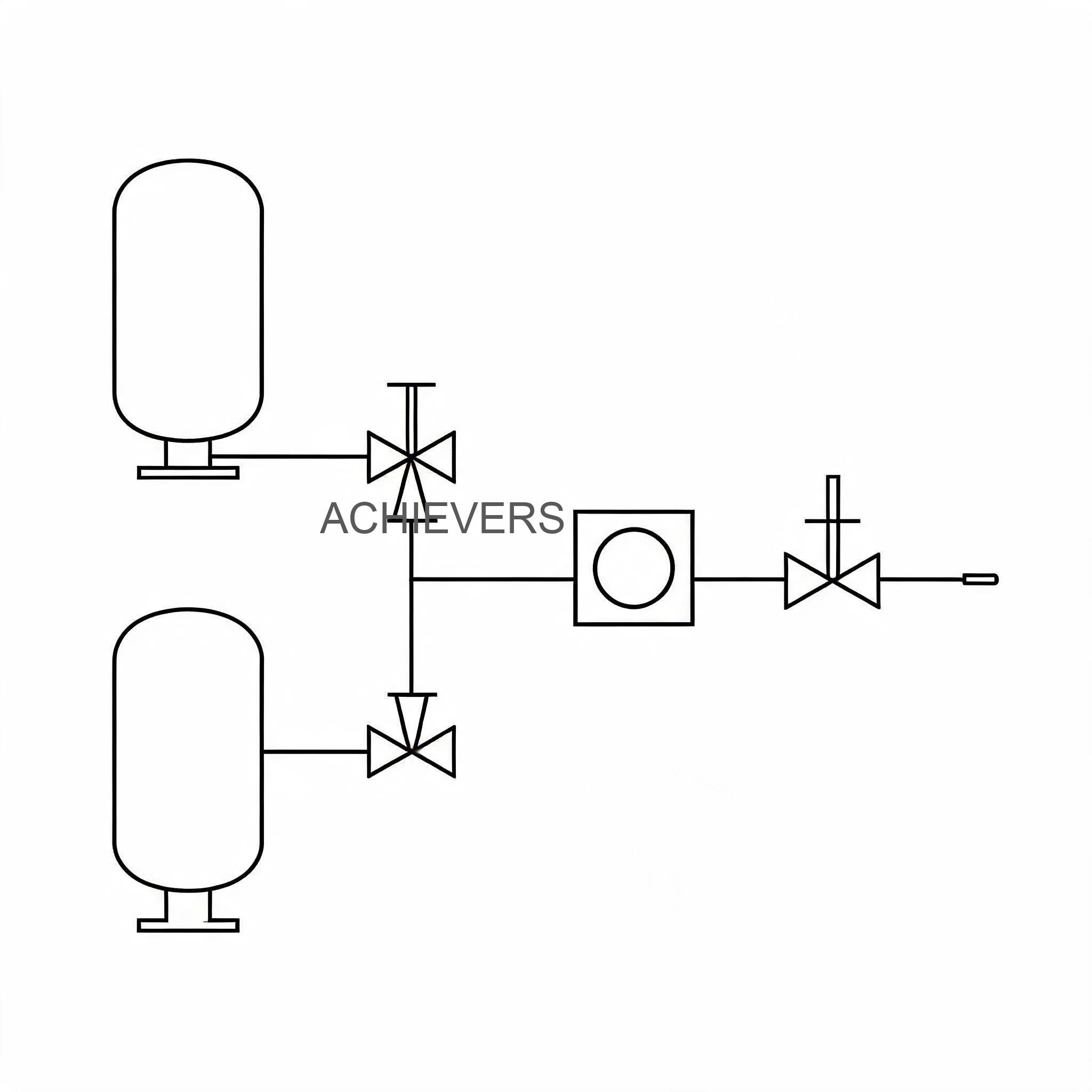
The modular nature of the Diesel Dispensing system allows it to be deployed in several configurations across a ceramic or brick plant.
Scenario 1: The Mobile Refuelling Bowser (Plant Fleet)
In large raw-material yards, machines like JCBs, payloaders, and dumpers are constantly moving clay. A demountable 500-litre to 1,000-litre tank is placed in the bed of a utility vehicle (like a Tata Ace or Mahindra Bolero) alongside the dispensing unit.
- Configuration: DC12V or DC24V power supply connected to the truck battery.
- Key Settings: The integrated receipt printer is activated. The operator enters the vehicle ID, dispenses the required volume at 60 L/min, and hands the printed slip to the driver. This creates a secure, mobile fuel station that goes to the machinery, not the other way around.
Scenario 2: Stationary DG Set Refuelling Hub
Ceramic plants require continuous power to keep tunnel kilns at optimal temperatures. During grid failures, massive 500kVA+ DG sets kick in.
- Configuration: AC220V or AC380V wall-mounted or pedestal installation near the underground bulk storage tank.
- Key Settings: The system is plumbed to transfer fuel from the main underground storage to the DG set day tanks. By using the preset volume feature, the operator can key in "200 Litres," and the pump will automatically stop once the exact volume is delivered, preventing day-tank overflows.
Scenario 3: Burner Fuel Day-Tank Transfer
While many modern kilns use gas, several traditional brick kilns and spray dryers still utilize liquid fuels. Pumping fuel from the unloading bay to elevated day tanks requires tight control to avoid fire hazards.
- Configuration: AC380V (three-phase) high-flow setup.
- Key Settings: Linked to the plant's broader inventory management. Here, cross-linking with dedicated Fuel Flow Meters on the burner lines ensures that the volume dispensed from the storage tank exactly matches the volume consumed by the burners.
4. Compliance, Accuracy, and Certification Requirements
Navigating the regulatory landscape in India is critical for any factory owner. Improper storage and dispensing of Class B petroleum products (like Diesel) can lead to severe penalties from the authorities.
Legal Metrology Act:
When fuel is issued internally, factory owners need precise records to claim GST Input Tax Credits (ITC) on fuel used for manufacturing. If there is a discrepancy between the fuel purchased and the fuel accounted for in production, GST auditors can reject the ITC claim. The Lumen Diesel Dispenser’s maximum error margin of less than ±0.30% complies with strict metrological standards, giving your accounting department bulletproof data.
PESO Guidelines (Petroleum and Explosives Safety Organisation):
While internal site dispensing offers flexibility, safety cannot be compromised. The equipment's robust stainless steel cabinetry, spark-protected circuitry, and integration with an automatic Fuel Nozzle ensure that there are no accidental pools of diesel that could cause a fire hazard near high-temperature kilns.
Typical Indian Market Cost:
Business owners must look at total cost of ownership. A barebones manual pump costs very little but bleeds money through inaccuracy. A complete, digital, metered Diesel Dispensing system typically ranges between ₹65,000 to ₹1,45,000 + 18% GST, depending on flow capacity (AC vs DC), printer integration, and enclosure type. Given the current price of diesel (approx. ₹92 per litre in Gujarat), preventing just 5 litres of theft or spillage a day will pay for the entire machine in less than a year.
5. ROI and Operational Benefits
Investing in industrial-grade dispensing technology yields immediate and measurable returns. The following table highlights the operational improvements plant managers can expect.
| Operational Benefit | Typical Improvement | Indian Industry Context (Ceramics/Brick Kilns) |
| :— | :— | :— |
| Fuel Loss Prevention | 98% reduction in unaccounted fuel | Eliminates manual "jerry can" transfers where spillage and theft thrive on night shifts. |
| Increased Equipment Uptime | Saves 1-2 hours per shift | Mobile bowsers eliminate the need for slow-moving earthmovers to drive across the GIDC estate to refuel. |
| Audit Compliance | 100% accurate daily/monthly reporting | The 128kB onboard memory stores 365 days of data, making end-of-financial-year GST and inventory audits seamless. |
| Safety & Cleanliness | Zero ground spillage | Auto-shutoff nozzles prevent diesel from soaking into the ground, reducing fire risks near hot kiln zones. |
6. Selection Checklist for This Industry
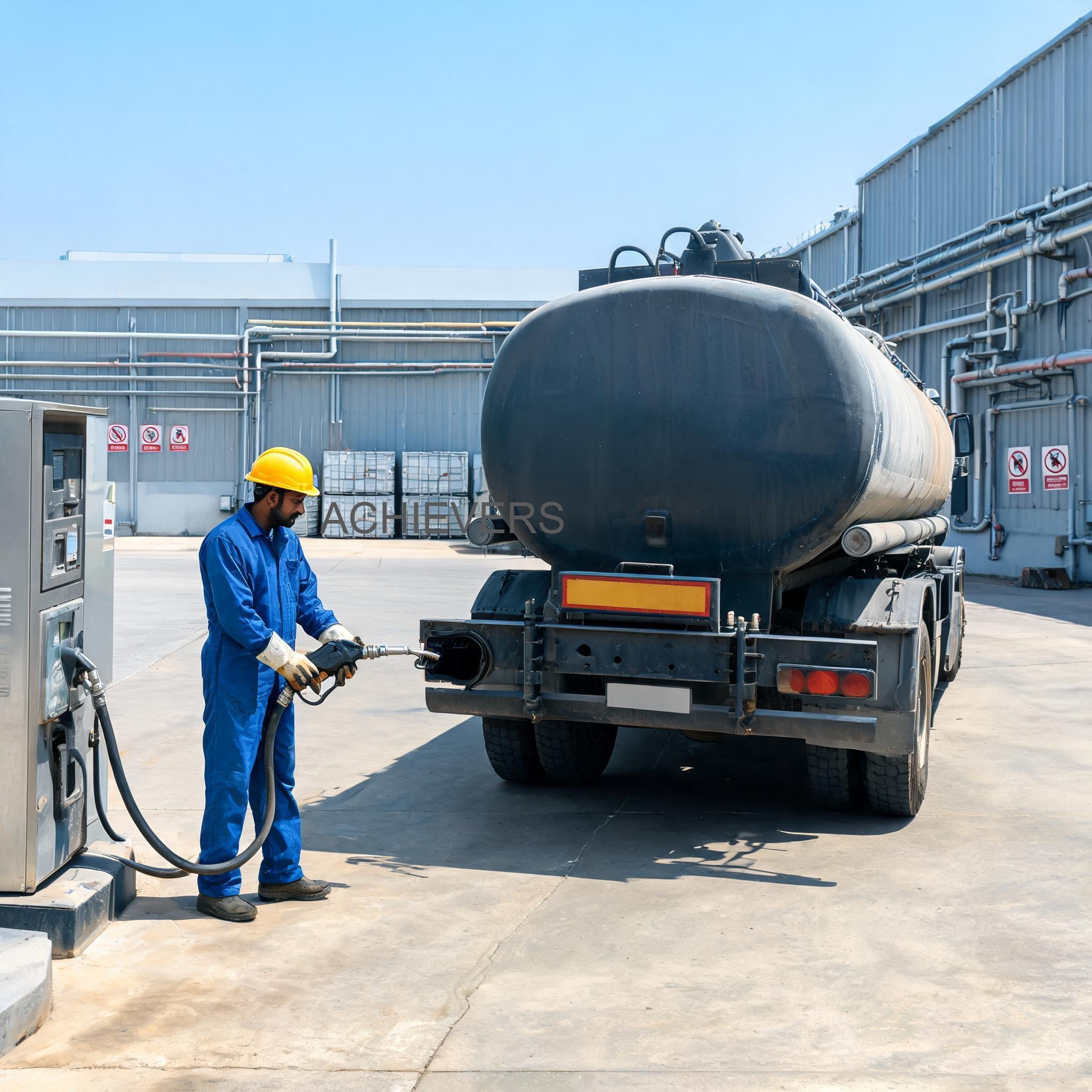
To ensure you procure the correct specification for your ceramic or brick manufacturing unit, use this step-by-step technical checklist before placing an enquiry:
- Determine the Application Type: Decide if the unit will be mounted on a vehicle (requires DC power) or installed statically at the plant (requires AC power).
- Select the Voltage: For mobile units, check your truck's battery (12V for smaller pickups, 24V for larger commercial trucks). For stationary, verify if you want single-phase (220V) or three-phase (380V).
- Specify Flow Rate Requirements: The standard is a 60 Lpm pump, but if you are filling massive 500-litre machinery tanks, inquire about tuning the flow range closer to the 80 L/min maximum capacity.
- Printer Module Requirement: Confirm if you require the receipt printer. This is highly recommended for multi-shift operations where drivers change frequently.
- Evaluate Hose Length: The system comes standard with a 4m x 25mm rubber hose. Measure the typical parking distance of your machines to ensure 4 meters is sufficient; otherwise, request a longer, reinforced hose.
- Nozzle Selection: Verify that the system includes the automatic shutoff nozzle rather than a manual one, as this is the primary defense against overfilling.
- Data Storage Verification: Ensure the unit is configured with the dedicated control processor and ≥128kB memory to capture the 365 days of daily data.
- Site Condition Customisation: If your plant is in an extremely dusty zone (like Morbi), discuss adding extra filtration strainers before the pump to protect the high-accuracy flow meter from microscopic clay particles.
FAQ
Q: Can this system run on a standard tractor battery for mobile refuelling?
A: Yes. The DC12V variant is designed to wire directly into standard vehicle or tractor batteries, making it perfect for towing a small fuel tank directly to the clay pits.
Q: What happens to the stored dispensing data if the power fails?
A: The onboard memory (≥128kB) uses non-volatile storage. Even if the battery is disconnected or there is a massive grid failure in the GIDC, your last 365 days of daily data and 12 months of monthly data are safely retained.
Q: Can we calibrate the dispenser ourselves?
A: The system comes factory-calibrated to high precision (max error < ±0.30%). However, due to Legal Metrology requirements in India, any recalibration should be done by an authorised technician to ensure it meets government stamping standards.
Q: Does the pump require a lot of maintenance in dusty brick kilns?
A: The internal components are protected by a robust cabinet. However, in high-dust environments, it is recommended to clean the external nozzle regularly and periodically inspect the inline suction strainer to prevent silica build-up.
Q: Will it handle slightly contaminated or dirty diesel?
A: While the pump is heavy-duty, the high-accuracy flow meter requires relatively clean fluid to maintain its ±0.30% accuracy. You must ensure an adequate Y-strainer or filter is installed on the suction side to catch rust or sludge from old storage tanks.
Q: How does the automatic shutoff nozzle work?
A: It features a small sensor port at the tip. Once the rising diesel level in the machine's tank blocks this port, the change in pressure instantly trips a mechanical valve inside the nozzle, cutting off the flow even if the pump is still running.
Q: Is the quoted price inclusive of the tank?
A: No, the system is an independent dispensing unit (pump, meter, hose, nozzle, and cabinet). The storage tank (whether a mobile demountable tank or an underground tank) is separate and usually sourced locally based on your volume requirements.
Are you ready to stop fuel pilferage and streamline operations at your manufacturing plant? Contact our technical team today with your daily diesel consumption, preferred power supply (AC/DC), and site layout. We will help you configure the perfect Diesel Dispensing unit to secure your fuel and boost your bottom line.