
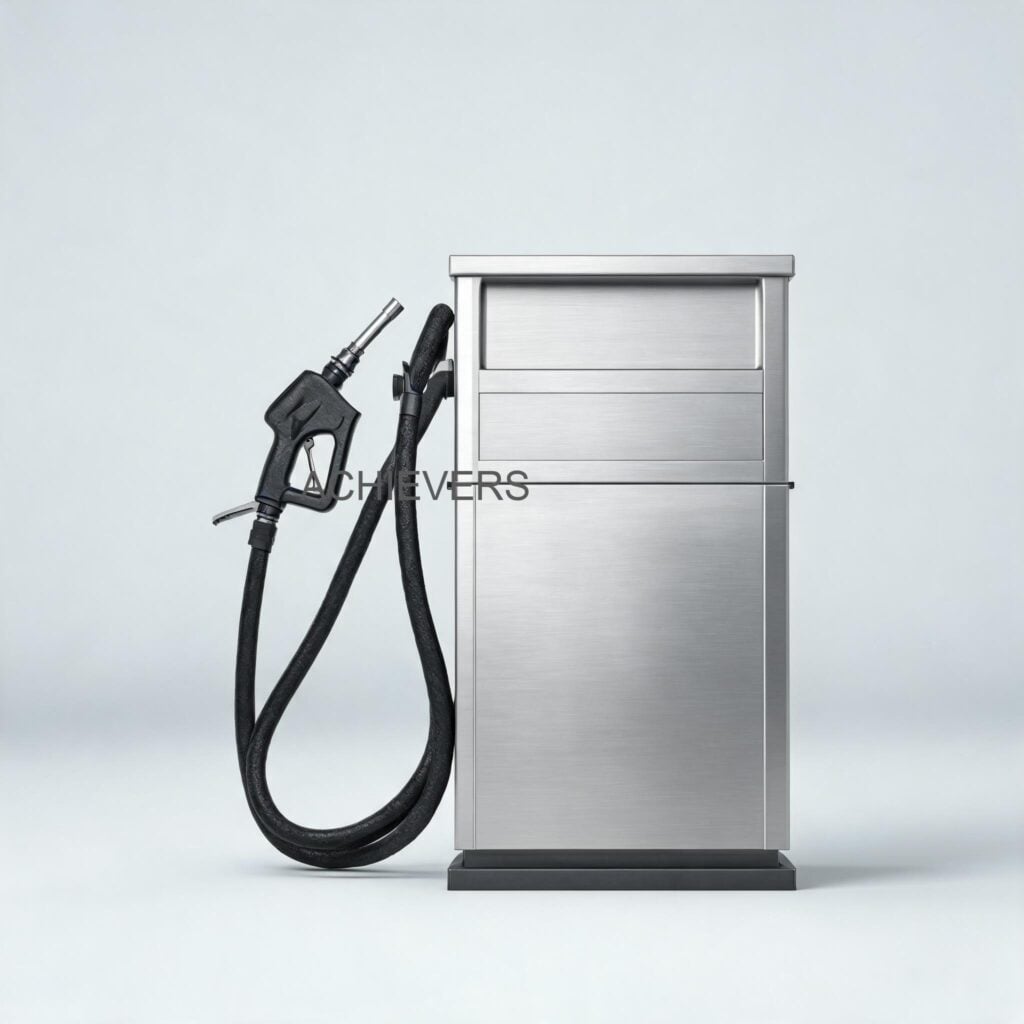
Managing fuel logistics in busy maritime environments presents a unique set of operational hurdles. Ports, shipyards, and coastal logistics hubs operate around the clock, relying heavily on a diverse fleet of diesel-powered machinery. From massive rubber-tyred gantry (RTG) cranes and reach stackers to auxiliary service boats, tugs, and backup diesel generator (DG) sets, constant refuelling is mandatory. However, bringing large, traditional fuel tanker trucks into congested dockyard areas or narrow shipyard berths is often impractical, unsafe, or economically unviable. Generic commercial refuelling equipment frequently underperforms in these settings, falling victim to saltwater corrosion, high humidity, and the rough handling typical of heavy industrial zones.
To solve this, port managers and procurement heads require independent, demountable dispensing solutions that bring metered, highly accurate fuel delivery directly to the hardware. A specialized Diesel Dispensing unit addresses these exact needs. By integrating a dedicated control processor, high-accuracy flow meters, and built-in data logging, these compact systems allow coastal logistics operators to eliminate equipment downtime, track every drop of diesel dispensed, and prevent costly fuel spillage near ecologically sensitive marine waters.
1. Industry Overview: The Fluid Challenge
The marine and port logistics sector demands rigorous fluid handling protocols. Diesel fuel used in these environments is often subject to temperature fluctuations, condensation, and particulate contamination. The physical environment itself is harsh; coastal plants and shipyards experience relative humidity levels frequently approaching 95%, alongside saline-heavy air that aggressively corrodes standard mild steel and basic electronics.
Furthermore, fuel accountability is a massive challenge in sprawling industrial zones. When refuelling scattered plant hardware, building sites within port expansions, or individual watercraft, operators often rely on manual logbooks. This leads to discrepancies, fuel "shrinkage" (theft), and poor budget forecasting. Modern port operations require dispensing solutions that offer low to medium volume metered deliveries—typically between 20 to 80 Litres per minute (LPM)—ensuring fast refuelling without the intense line pressures that cause frothing and spillage in smaller marine fuel tanks.
Regulatory compliance is equally critical. Spilling diesel into harbor waters violates severe environmental regulations and attracts heavy fines. Therefore, automatic shutoff mechanisms and tightly sealed conveyance hoses are not optional luxuries; they are mandatory baseline requirements for any shipyard dispensing setup.
2. Product Capabilities Matched to Industry Needs
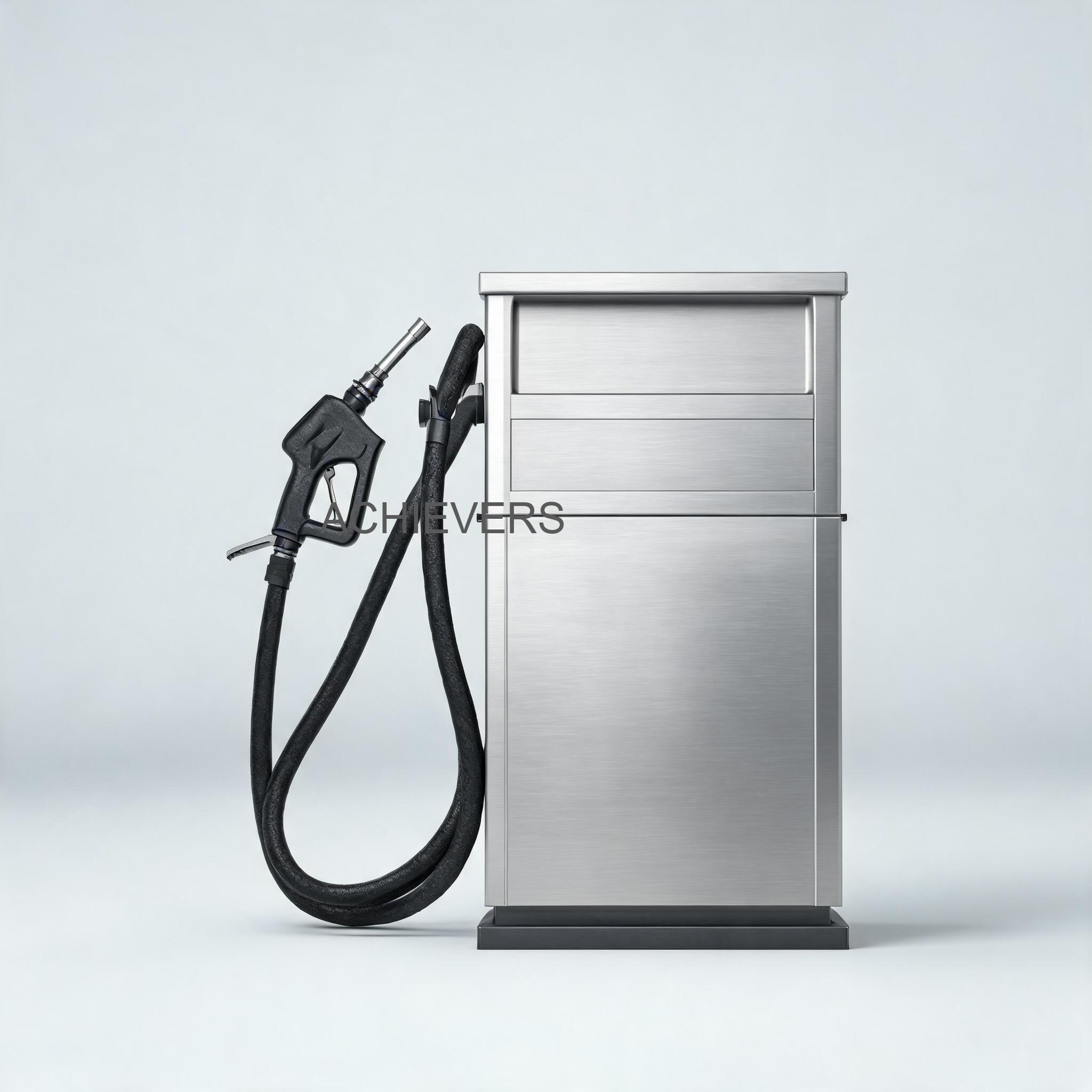
For marine operations, off-the-shelf commercial pumps lack the ruggedness and data-tracking capabilities required by industrial plant managers. Manufactured with high utility features in Ahmedabad, Gujarat, the Diesel Dispensing system is specifically configured to bridge the gap between heavy-duty industrial requirements and precise digital accountability.
Below is a detailed technical breakdown of how this specific dispensing system resolves common marine yard fluid challenges:
| Industry Requirement | Dispensing System Feature | How It Addresses the Need |
| :— | :— | :— |
| Harsh Coastal Environments | High Humidity & Temp Tolerance | Engineered to operate flawlessly in relative humidity up to 95% and ambient temperatures ranging from -30 degrees Celsius to +45 degrees Celsius. |
| Variable Refuelling Speeds | 60 LPM Standard Pump (20-80 L/min Range) | Delivers a standard flow rate of 60 Litres/Min, adjustable based on customer requirements, perfect for filling both small boat tanks and large crane reservoirs without frothing. |
| Ecological & Spillage Safety | Automatic Shutoff Fuel Nozzle | The 1-inch dispensing spout automatically stops fuel flow when the target tank is full, preventing overflows into marine waters or dockyard tarmac. |
| Financial Accountability | Advanced Control Processor & Printer | Features an available receipt printer and massive memory capacity (over 128kB) storing daily data for 365 days and monthly data for 12 months. |
| Remote Port Accessibility | Multiple Power Supply Options | Can be configured for mobile utility carts (DC 12V/24V) or fixed dockside stations (AC 220V/380V), eliminating dependency on a single power grid. |
| High Metrological Precision | High Accuracy Flow Meter | Maximum volume error is rigorously maintained at less than plus/minus 0.30%, with an exceptional repeatability error of less than 0.15%. |
| Safe Operating Pressures | Maximum Working Pressure limits | Operates safely at or below 0.3 MPa, ensuring seals, gaskets, and the 4m rubber conveyance hose are not over-stressed during continuous duty cycles. |
| Operator Comfort | Ambient Noise Control | Designed to output ambient noise at or below 80 decibels (A Class standard), protecting operator hearing in already noisy port environments. |
3. Typical Installation Scenarios in This Industry
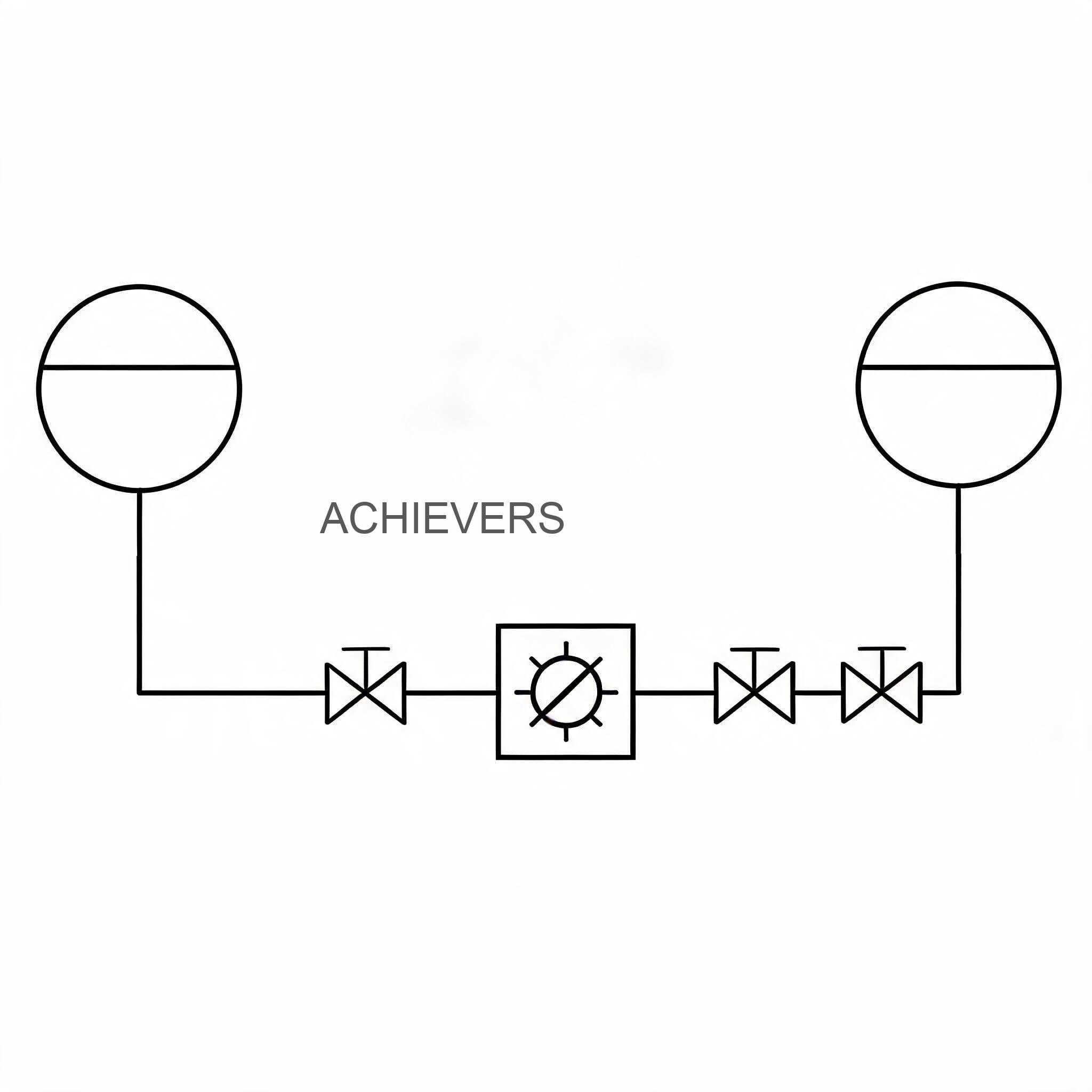
The greatest advantage of a specialized Diesel Dispensing setup is its demountable, modular nature. Unlike fixed fuel islands, these units can be deployed exactly where the heavy equipment is currently working, saving hours of transit time across sprawling port layouts.
Scenario A: Mobile Van or Drop-Side Truck Refuelling
In large container terminals, driving a 100-ton reach stacker to a centralized fuel pump wastes immense time and fuel. Instead, operators mount this compact unit in the back of a utility pickup truck alongside a small, structurally secure intermediate bulk container (IBC) or demountable tank. Powered by the truck's 12V or 24V DC battery, the mobile dispenser drives directly to the cranes. The 4-meter by 25mm rubber conveyance hose provides ample reach, while the receipt printer issues an immediate paper record for the crane operator.
Scenario B: Pier-Side Workboat Servicing
Service boats, pilot vessels, and small tugs require frequent top-ups. A fixed AC 220V dispensing unit housed in a rugged cabinet is bolted directly to the pier. Integrated with advanced Fuel Flow Meters, the system tracks exact quantities dispensed to different vessel registration numbers using its built-in digital keypad. The unit price and volume ranges (capable of tracking up to 999,999.99 units) easily handle long-term billing for different maritime contractors using the berth.
Scenario C: Backup Generator (DG Set) Maintenance
Ports rely heavily on backup power. Facility management teams utilize demountable dispensers to systematically refill large diesel generators spread across different warehouse sectors. The low noise operation (under 80dB) is particularly beneficial when operating near administrative buildings, and the dedicated control processor ensures no unauthorized dispensing occurs during night shifts.
Standard Operating Procedure: Commissioning a Mobile Demountable Unit
For plant maintenance engineers outfitting a mobile utility truck with this dispensing system, follow this stringent 6-step commissioning procedure to ensure safety and accuracy:
- Structural Mounting: Secure the compact dispenser cabinet and the auxiliary fuel tank to the truck bed using high-tensile vibration-damping mounts to withstand dockyard potholes.
- Hose and Spout Integration: Attach the 4m x 25mm rubber conveyance hose to the pump outlet. Ensure the 1-inch automatic shutoff nozzle is firmly threaded and stowed securely in its holster.
- Power Connections: Connect the unit's DC power leads directly to the vehicle's 12V/24V battery system using heavy-duty, marine-grade fused wiring to prevent voltage drops during pump startup.
- System Purging: Power on the system and dispense a small volume of fluid into a testing container to purge air from the pump mechanism and the high-accuracy flow meter.
- Flow Calibration: Dispense exactly 20 liters into a certified calibration volumetric measure. Verify that the digital display matches the physical volume. The max error should be well within the rated 0.30 percent.
- Data System Initialization: Access the dedicated control processor via the digital keypad. Set the correct date, time, and unit price parameters to ensure the 365-day daily data logging feature begins tracking accurately from day one.
4. Compliance, Accuracy, and Certification Requirements
Procurement heads serving global shipping hubs must align their equipment purchases with rigorous international standards (ISO, CE) as well as strict domestic regulations. A robust fuel handling system must demonstrate safety in potentially hazardous environments, mechanical reliability, and metrological precision.
Legal Metrology and Metrological Accuracy
In industrial fuel trading, accurate measurement is mandated by law. This dispenser's computer technology ensures weights and measures compliance by keeping the max error of dispenser volume below plus/minus 0.30%. The repeatability error is heavily engineered to stay under 0.15%, ensuring that whether you pump 10 liters or 10,000 liters over a month, the margin of error remains negligible.
Indian Context: Make in India and Local Manufacturing Standards
Sourced directly from a state-of-the-art infrastructure unit spread over a large area in Ahmedabad (Gujarat, India), these units champion the "Make in India" initiative. For Indian plant managers operating in industrial estates like GIDC (Gujarat Industrial Development Corporation) or major coastal zones like Kandla and Mundra, locally manufactured systems offer a profound advantage. They ensure rapid availability of spare parts, easy access to technical support, and compliance with BIS (Bureau of Indian Standards) requirements for electrical safety.
In Simple Terms
What does "365-Day Data Logging" actually mean for your business?
Imagine you have a fleet of 10 cranes. Normally, drivers write down how much diesel they took in a paper book. Paper books get lost, and sometimes the numbers are "guessed," leading to stolen or wasted fuel. This dispenser has a mini-computer inside it. Every time someone pulls the trigger on the nozzle, the machine records the exact date, time, and amount of fuel down to the decimal. It stores a whole year's worth of these transactions internally. If your monthly fuel bills don't match your usage, you can simply print out the machine's memory and instantly see exactly where every drop of diesel went. It stops theft and saves massive amounts of money.
GST and Market Pricing Dynamics
For small and medium Indian businesses, balancing capital expenditure with operational efficiency is critical. The typical Indian market price range for industrial-grade, demountable fuel dispensers ranges from ₹65,000 to ₹1,50,000 or more, depending heavily on customizations like receipt printers, specific flow rates, and DC/AC power configurations. Furthermore, standard industrial machinery of this type usually attracts an 18% GST rate. Buyers can often claim Input Tax Credit (ITC) on this GST, making the return on investment (ROI) highly attractive for logistics businesses looking to formalize their fuel management.
5. ROI and Operational Benefits
Investing in a premium dispensing system is not merely a purchase; it is a strategic upgrade to a facility's operational efficiency. The integration of advanced flow metering, secure data storage, and mobile flexibility drastically reduces overheads.
| Operational Benefit | Typical Improvement | Indian Industry Context |
| :— | :— | :— |
| Fuel Theft Prevention | 10% to 15% reduction in unexplained fuel losses. | Crucial for large port areas (like JNPT or Mundra) where multi-contractor access makes manual monitoring impossible; memory logs secure all data. |
| Uptime Optimization | Reduces equipment transit time to central fuel stations by 100%. | A mobile Mobile Diesel Dispenser setup ensures heavy machinery like RTG cranes stay in the yard, maximizing billable operational hours. |
| Spillage Reduction | Near 100% elimination of operator-error tank overflows. | Automatic shutoff nozzles prevent costly diesel spills on the docks, avoiding heavy environmental fines from local pollution control boards. |
| Administrative Efficiency | Replaces hours of manual ledger reconciliation with instant digital data. | Daily storage (365 days) and monthly storage (12 months) allow accounting teams to instantly calculate GST deductions and departmental fuel budgets. |
By utilizing robust stainless-steel or heavy-duty powder-coated cabinets, the hardware is protected against the highly corrosive marine environment, ensuring a long working life that outpaces cheaper, imported plastic alternatives.
6. Selection Checklist for This Industry
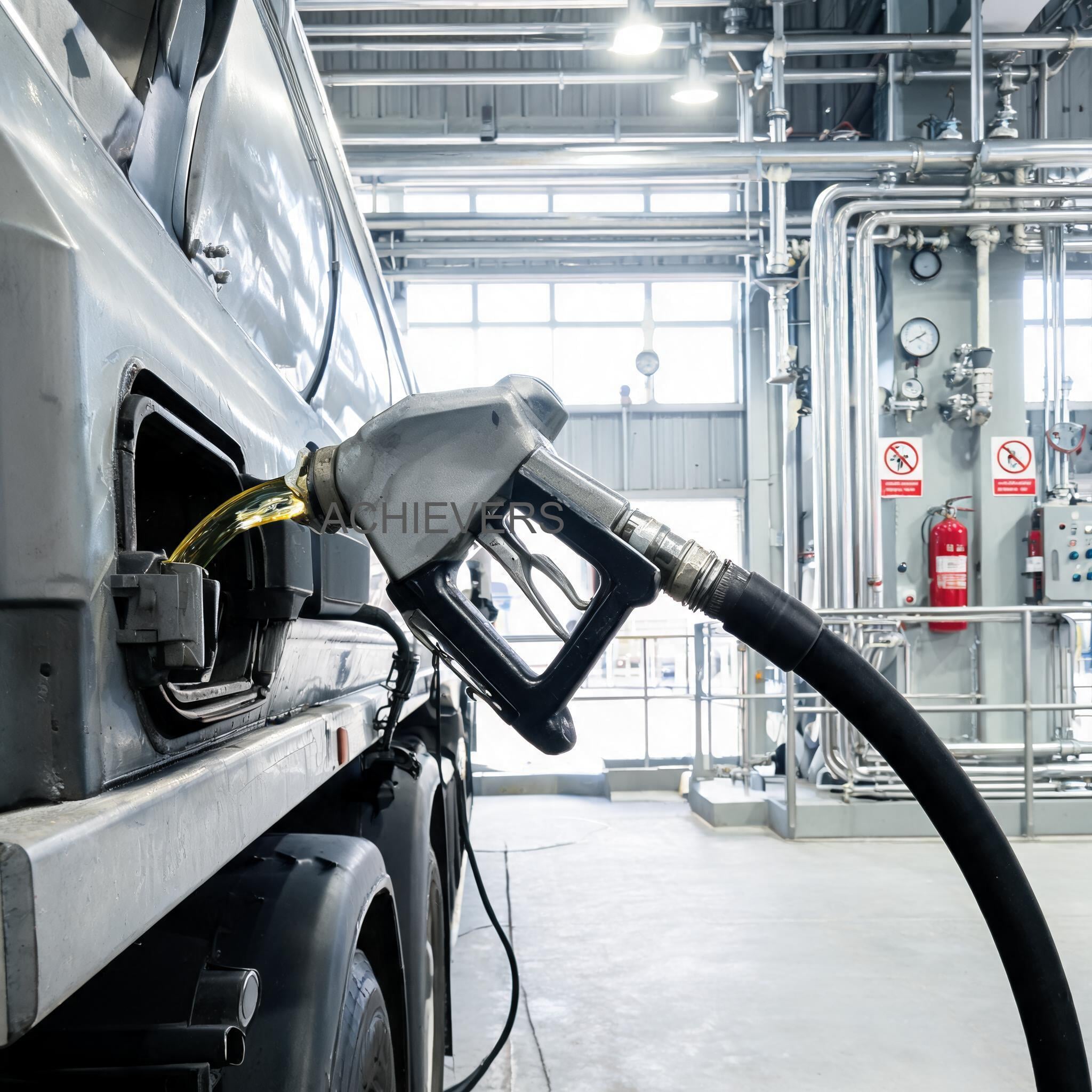
To ensure you procure the exact system configured for your marine yard, shipyard, or port logistics company, use the following technical checklist when defining your specifications:
- Power Supply Requirements: Determine if the unit will be mounted on a vehicle (requires DC 12V or 24V) or installed at a fixed dockside grid (requires AC 220V or 380V).
- Flow Rate Needs: Evaluate your target tank sizes. The standard 60 LPM is ideal for most applications, but ensure your vendor can adjust the pump within the 20-80 L/min range if you are filling exceptionally small or large tanks.
- Data Storage & Printing: Explicitly request the receipt printer option and verify the 128kB memory capacity if financial accountability and contractor billing are required.
- Hose Specifications: Verify that the standard 4m x 25mm rubber conveyance hose provides enough reach for your specific vessel drafts or truck heights.
- Nozzle Configuration: Mandate a 1-inch automatic shutoff nozzle to comply with environmental anti-spill regulations.
- Operating Environment Data: Confirm the unit’s internal electronics are rated for up to 95% relative humidity and temperatures up to +45 degrees Celsius.
- System Accuracy Tolerance: Demand a metrological certification or guarantee that the max volume error will not exceed plus/minus 0.30%.
- Mounting Footprint: Check the physical dimensions to ensure the compact unit fits securely within your intended van, pickup drop-side, or dockside cabinet space.
FAQ
Q: Can this system be mounted on any standard pickup truck?
A: Yes, the system is designed as an independent, demountable unit. Its compact footprint allows it to be securely mounted in the back of standard utility vans, drop-side trucks, or pickups alongside a small transportable fuel tank.
Q: Does the unit require a dedicated internet connection to save data?
A: No. The dispenser features a dedicated control processor with a high-capacity internal memory (128kB). It stores daily data for the last 365 days and monthly data for 12 months locally, which can be printed on-site via the optional receipt printer.
Q: Is it safe to use this equipment in highly humid, coastal environments?
A: Absolutely. The system is engineered to withstand extreme environmental conditions, specifically operating safely in relative humidity levels up to 95% and temperatures ranging from -30 to +45 degrees Celsius.
Q: What is the benefit of the automatic shutoff nozzle?
A: The automatic shutoff nozzle prevents fuel tank overflows by instantly stopping the flow of diesel once the fuel level reaches the spout. This prevents expensive fuel waste and protects the environment from hazardous chemical spills.
Q: How fast does the pump dispense fuel?
A: The standard system features a pump that delivers a highly efficient flow rate of 60 Liters per minute. However, the technical specifications allow for a configurable flow range between 20 to 80 L/min based on your specific operational needs.
Q: How accurate is the digital flow meter inside the dispenser?
A: It offers high metrological precision. The maximum error of dispenser volume is less than plus/minus 0.30%, and its repeatability error is incredibly low at less than 0.15%, ensuring strictly accurate billing and inventory tracking.
Q: Can we run this on a 24-volt truck battery system?
A: Yes, the unit is highly versatile regarding power supply. It can be manufactured to operate on DC options (12V or 24V) for mobile vehicle setups, or AC options (220V or 380V) for fixed industrial installations.
If your port operations, shipyard, or industrial logistics facility requires a reliable, high-accuracy fluid handling solution, reach out to Lumen Instruments today. Contact us with your specific Diesel Dispensing requirements, including your desired flow capacity, power supply needs, and typical site conditions, and our Ahmedabad-based engineering team will configure a system perfectly matched to your exact business budget and technical demands.